Feeds:
Posts
Comments

Posts Tagged ‘NOAA’

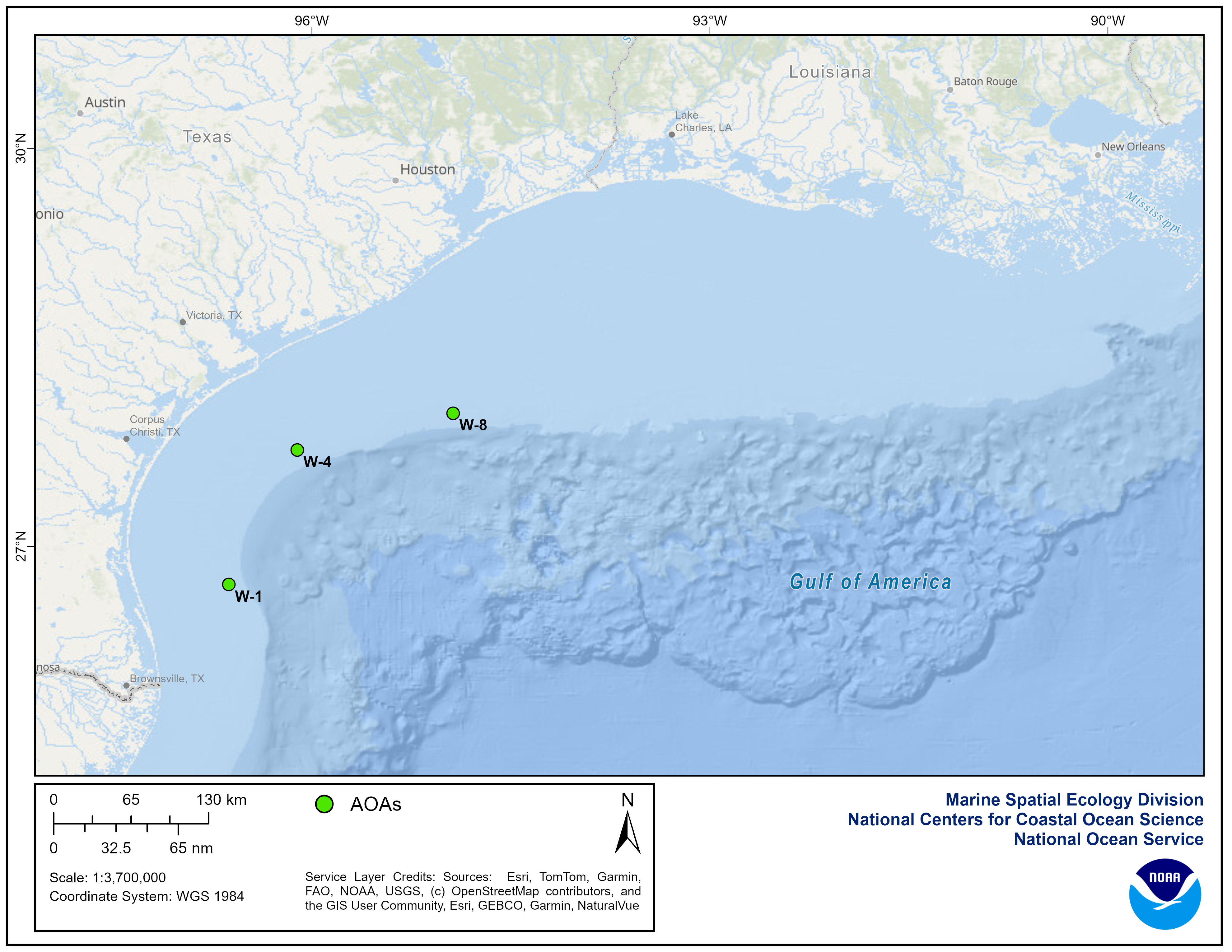
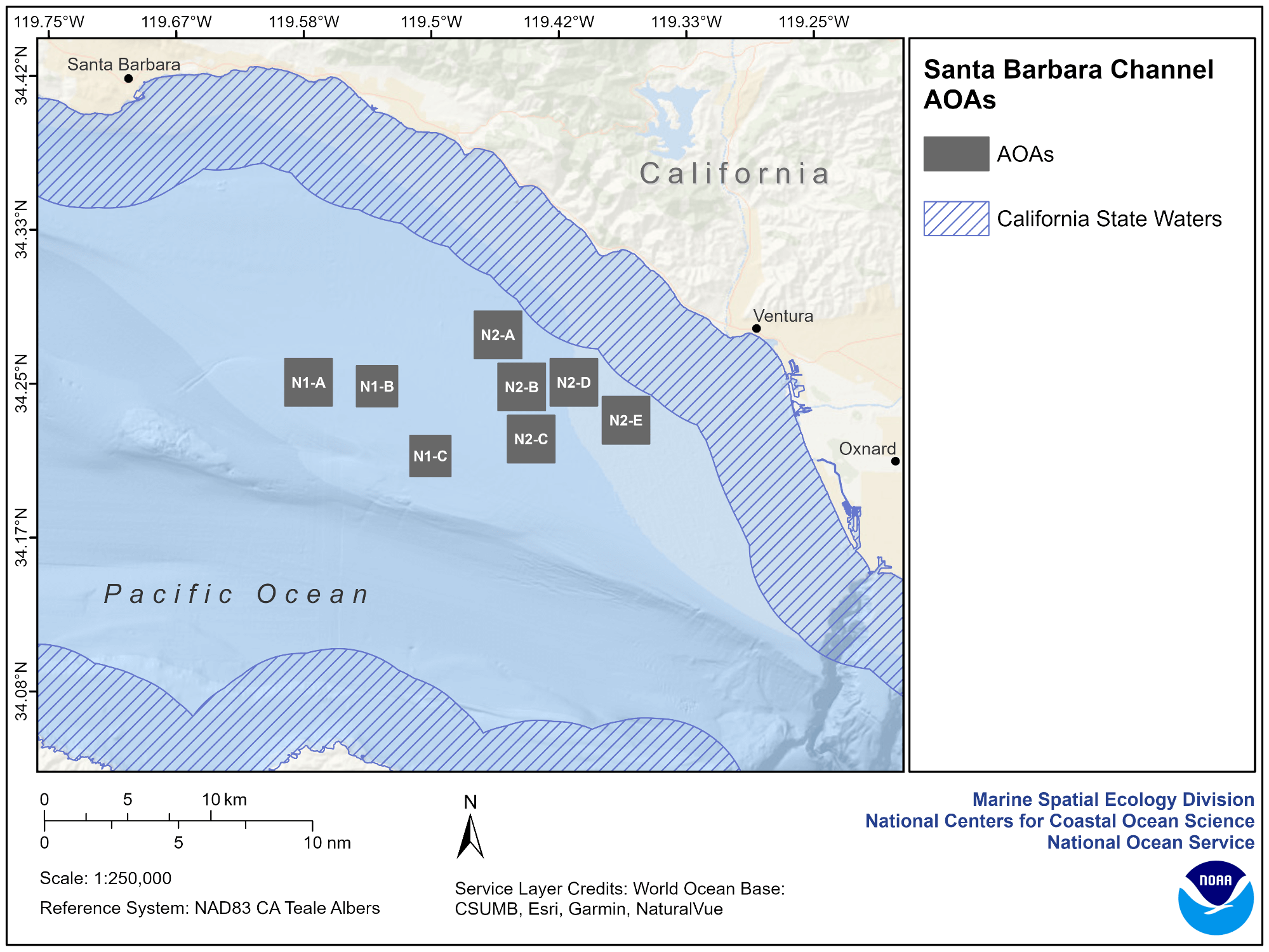
NOAA is touting marine aquaculture and has published Programmatic Environmental Impact Statements for Aquaculture Opportunity Areas (AOAs) in the Gulf of America and offshore Southern California. This is a positive step.

While the focus of these EIS documents is on distinct AOAs separated from oil and gas facilities, NOAA might also have discussed the potential for synergy with existing platforms. The reef effect of platforms can be sustained and new fishery ventures supported by converting older platforms to aquaculture facilities (Rigs-to-Roe/Redfish/Rockfish) rather than decommissioning them.

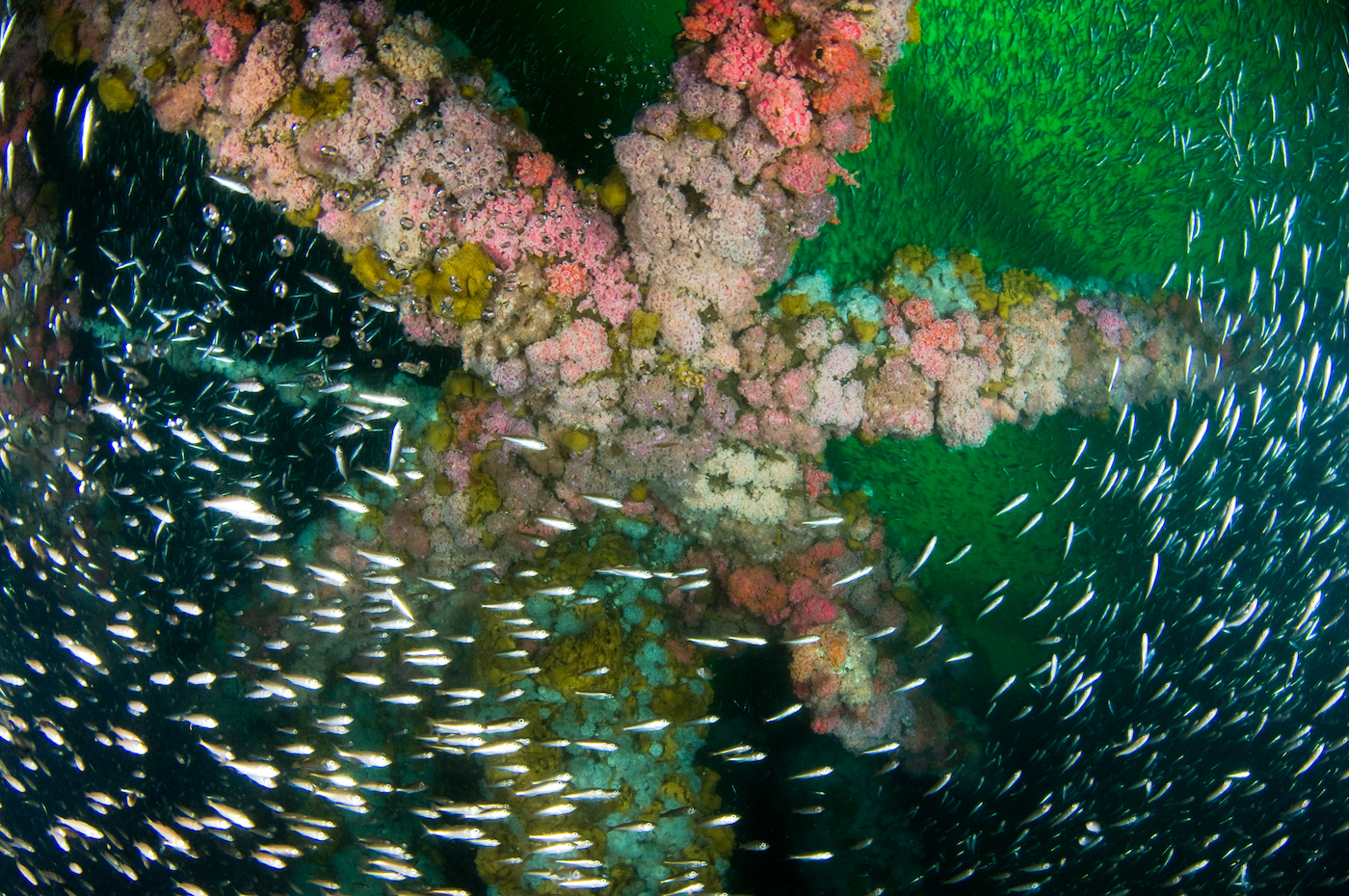
The ecological importance of offshore platforms has been well documented in both the Gulf and Santa Barbara Channel Channel area.

According to a paper published in 2014 by marine ecologist Dr. Jeremy Claisse of Cal Poly Pomona, the oil and gas platforms off the coast of California are the most productive marine habitats per unit area in the world. “Even the least productive platform was more productive than Chesapeake Bay or a coral reef in Moorea,” said Dr. Love. (Milt Love, UCSB biologist)

beneath Platform Gilda, Santa Barbara Channel

Read Full Post »

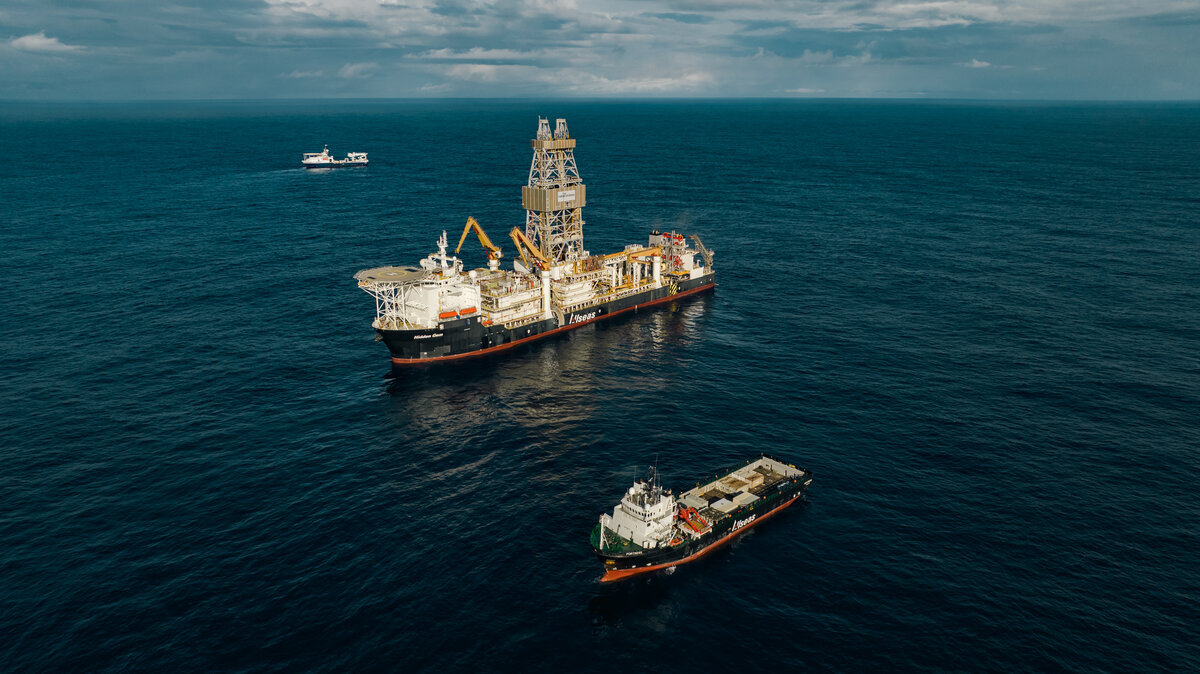
pictured:TMC pilot trials

Highlights from TMC’s Q2 update:

  • On August 11, 2025, TMC USA received notice of full compliance from the National Oceanic and Atmospheric Administration (NOAA) on its exploration applications, and reconfirmation that TMC USA has priority right over both exploration areas
  • Both applications entered the certification stage in late July, which we expect to be approximately 100 days
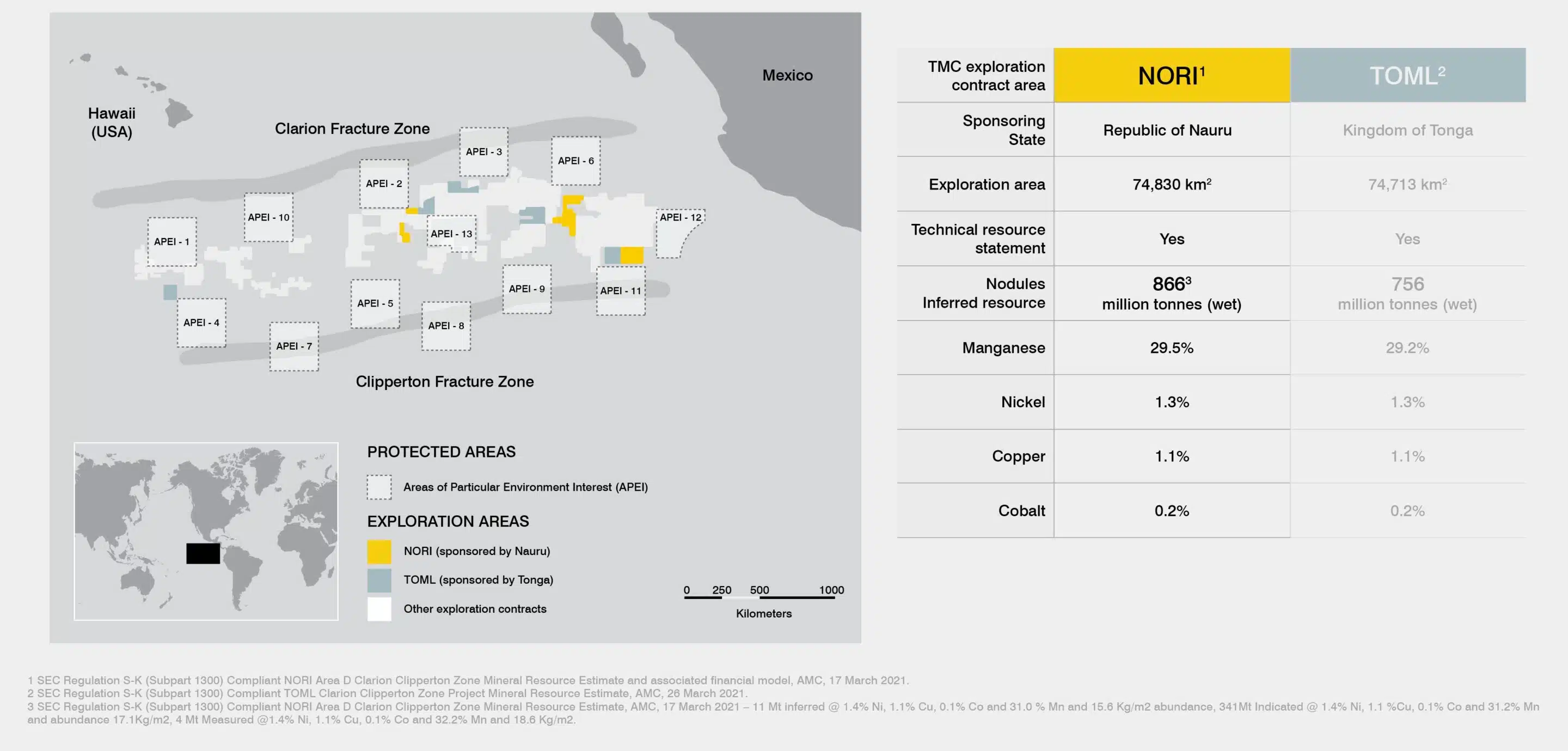
  • In light of recent U.S. regulatory developments, TMC expects to commence commercial production from the NORI-D Area in the fourth quarter of 2027 if we receive a commercial permit before scaling to an average annual production rate of 10.8 million tonnes of wet nodules per annum (Mtpa) at steady state (2031 through 2043) production, with an expected 18-year life of mine (LOM);

Meanwhile, after missing deadlines in 2020 and 2023, the International Seabed Authority (ISA) again failed to deliver a Mining Code as communicated in their 2023 roadmap during the second part of their 30th session in July 2025. No new roadmap or new target date for adopting the final Mining Code has been agreed. The next ISA meeting is scheduled for March 2026. (Hence the importance of direct permitting through the US/NOAA.)

NORI area
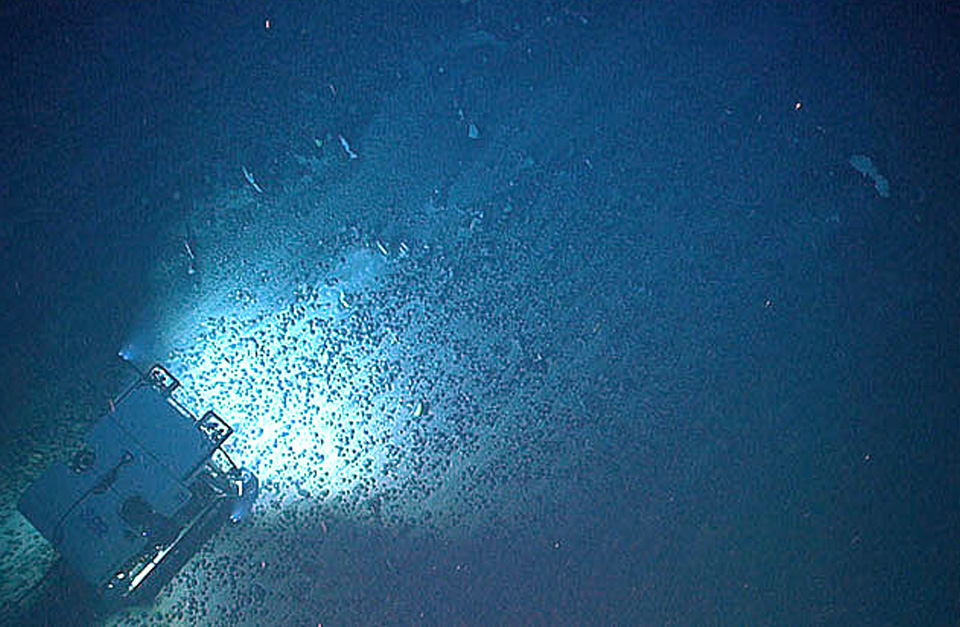
polymetallic nodule

More posts about deep sea minerals

Read Full Post »

The attached petition from Save the East Coast Inc. et al requests that NOAA revoke the Empire Wind Letter of Authorization using the emergency authority delineated at 50 C.F.R. § 216.106(f).

This is a strong filing, but revocation would be difficult given the extensive development activity to date and the Administration’s decision in May to allow the project to go forward.

Read Full Post »

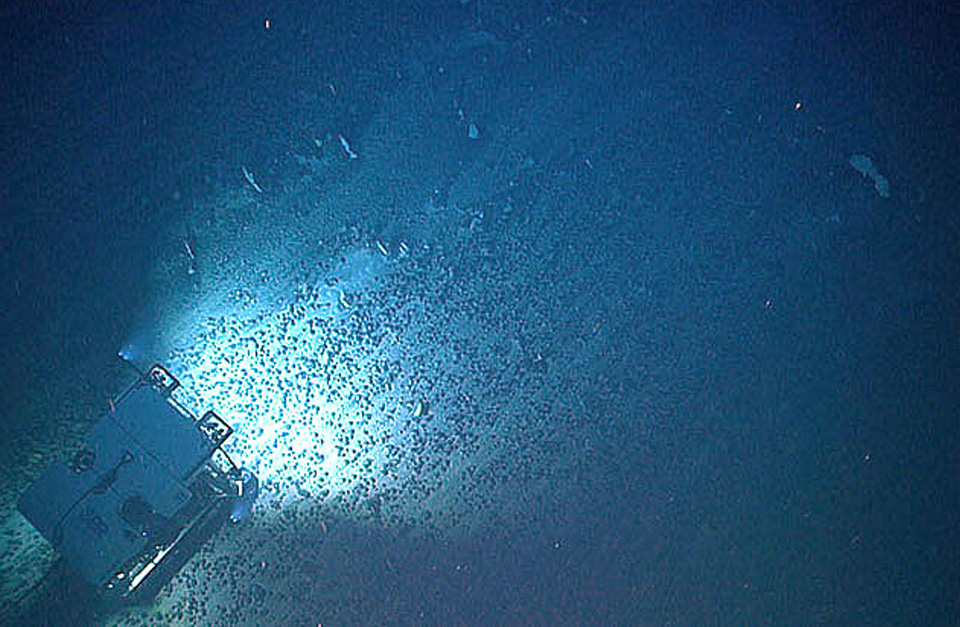
Remotely operated vehicle traverses over an extensive field of ferromanganese nodules that form the bulk of the hard seafloor substrate. Credit: NOAA.

The proposed rule is attached. Important points:

How can the US issue mining licenses in international waters (controversial)?

The International Seabed Authority (ISA) regulates deep seabed mining in areas beyond national jurisdiction for countries that are parties to the United Nations Convention on the Law of the Sea (UNCLOS). The United States is a non-party to UNCLOS. Under U.S. law, NOAA may issue licenses and permits to U.S. citizens in areas beyond national jurisdiction under the Deep Seabed Hard Mineral Resources Act (DSHMRA).

Main objective of the proposed rule (paraphrased):

The deepsea mining industry has gained experience from site specific exploration activities. As a result, later entrants may be able to capitalize on the information gained by previous explorers and lessen the need for further exploration of previously explored areas. In such cases there may be a need for a consolidated licensing process in which permit applicants could meet exploration license requirements to establish priority of right, and permit requirements, simultaneously.

Comment: The proposed rule seems reasonable in that qualified companies that gather the necessary site information would have the right (after NOAA review and approval) to collect the minerals. This would align deepsea mining more closely with offshore oil and gas in that companies acquiring licenses would be able to proceed to production after regulatory approvals.

Read Full Post »

… and shared a mineral water toast! 😉 (Weak joke, but at least it’s original and topical!)

NOAA and TMC, a Canadian company, are working together to bypass the stifling UN deep sea minerals bureaucracy.

NOAA raises a glass: Yesterday, President Trump signed an Executive Order establishing a framework for American companies to identify and retrieve offshore critical minerals and resources. The Executive Order prioritizes U.S. leadership in seabed mapping and mineral exploration, ensuring reliable access to critical minerals like manganese, nickel, cobalt and rare earth elements.

In support of the Executive Order, NOAA is committed to an expeditious review of applications for exploration licenses and commercial recovery permits. The agency will provide the necessary resources for license and permit reviews to ensure that those reviews go forward without undue delays.

TMC applauds:

  • TMC is positioned to play a central role in supporting an American industrial ecosystem underpinned by deep-seabed minerals, and poised to mobilize tens of billions in private investment in the U.S. across shipbuilding, ports, mineral processing, and advanced manufacturing
  • The Company through its U.S. subsidiary expects to file license and permit applications under the U.S. Deep Seabed Hard Mineral Resources Act (DSHMRA) in the second quarter of 2025

China boos: “The US authorization… violates international law and harms the overall interests of the international community,” Chinese foreign ministry spokesman Guo Jiakun said on Friday.

TMC and other companies like Impossible Metals (see below) have had enough of the endless delays at the United Nations’ International Seabed Authority, which is still developing regulations. Mining companies and others have spent years gathering data and providing input.

Meanwhile in US waters:

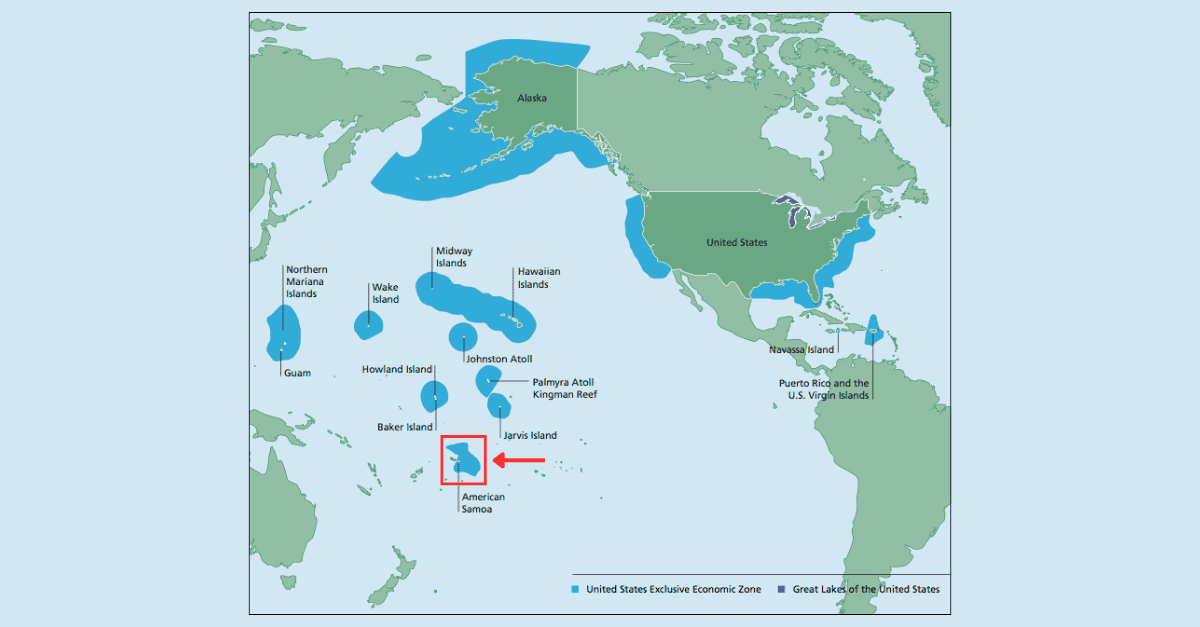
San Jose, CA – Impossible Metals, a pioneering US-based deep-sea mining company, has submitted a request to commence a leasing process for exploration and potential mining of critical minerals in the deep sea off the coast of American Samoa. Impossible Metals is the first company to request a lease of critical minerals under the Outer Continental Shelf Lands Act of 1953, which is regulated by the U.S. Bureau of Ocean Energy Management (BOEM), part of the U.S. Department of the Interior.

Impossible Metals has developed the only autonomous underwater robot (AUV) for selective harvesting. The novel underwater robot uses advanced robotics, AI, and a buoyancy engine to hover above the seabed, accurately identifying and avoiding nodules with visible life while minimizing disruption to the habitat and native biodiversity. This method will have the lowest environmental impact and cost among land and deep-sea mining approaches, setting a new standard for responsible resource collection.

Read Full Post »

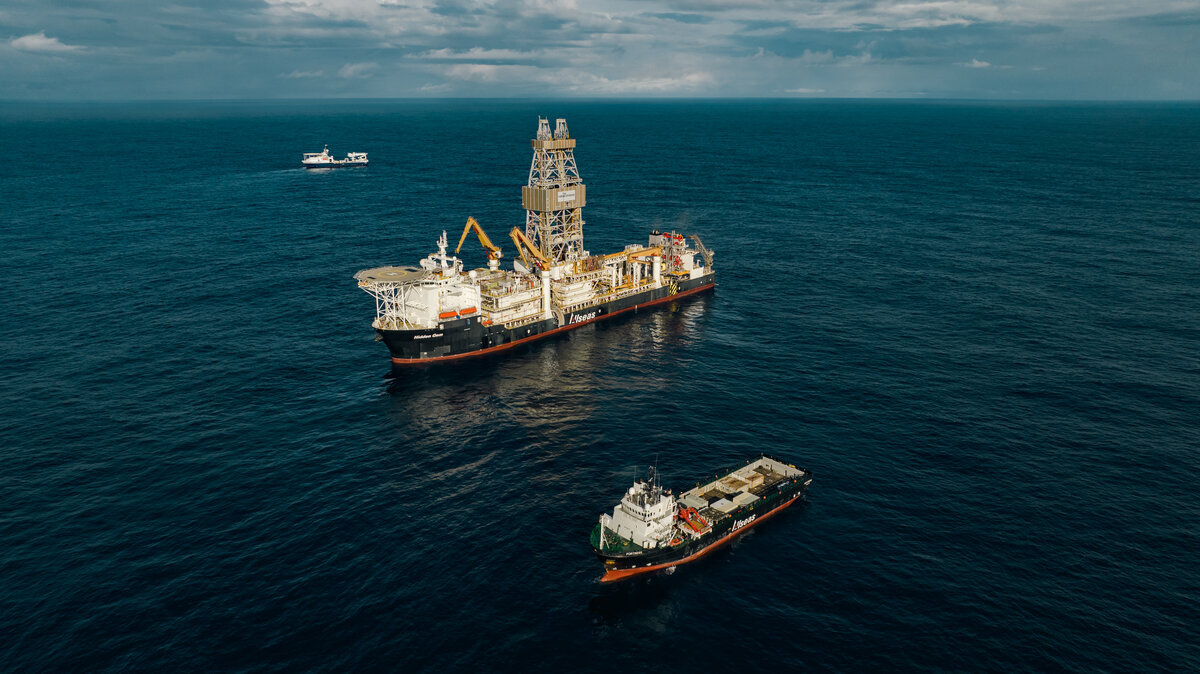
pictured:TMC pilot trials

Lars Herbst brought this bold and rather surprising deepsea mining development to my attention. Let the screaming begin!

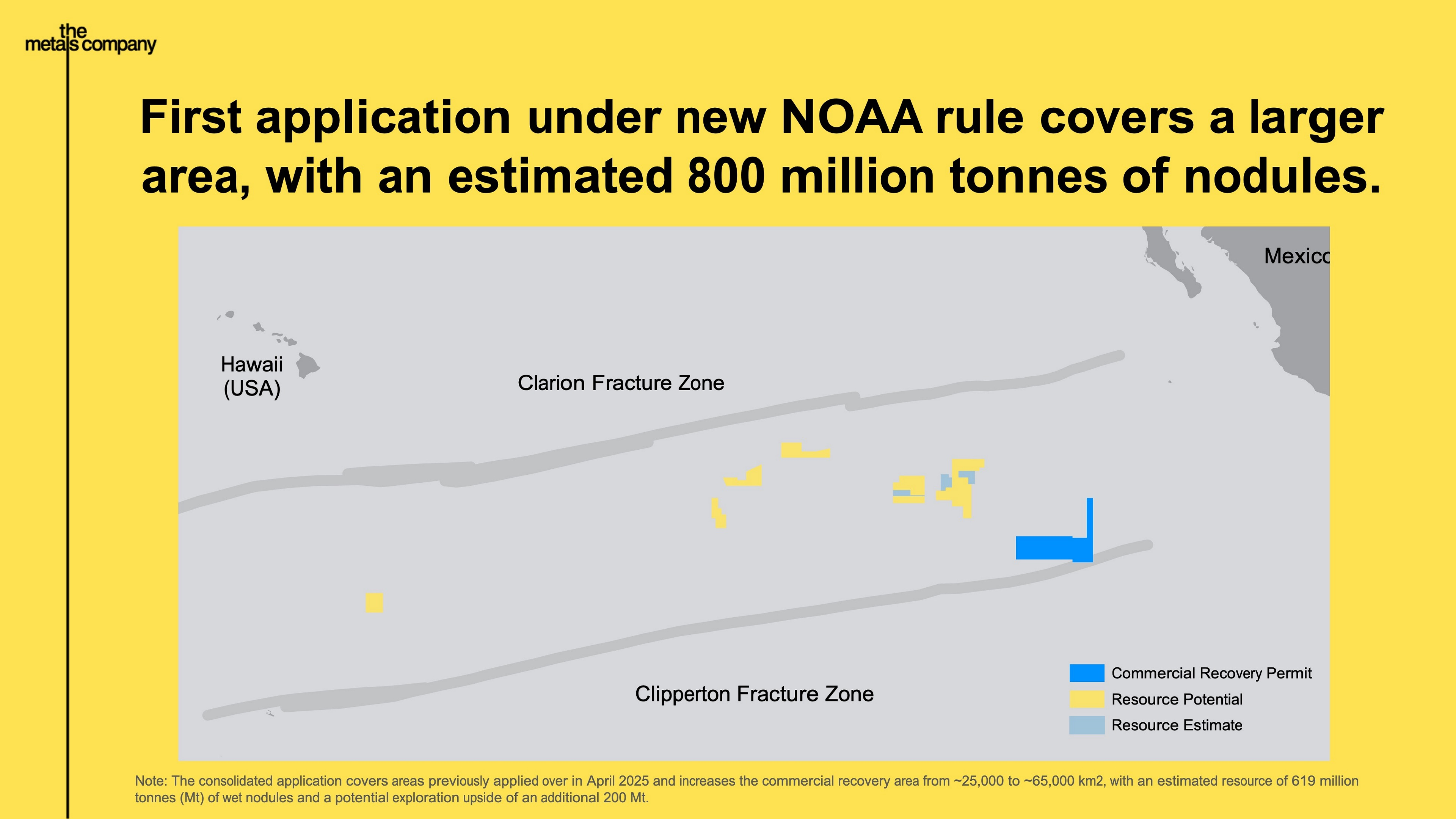
NEW YORK, March 27, 2025 (GLOBE NEWSWIRE) (emphasis added) — TMC the metals company Inc. (Nasdaq: TMC) (“TMC” or the “Company”), an explorer of the world’s largest undeveloped resource of critical metals for building infrastructure, power generation, transmission, and batteries, today announced that its subsidiary The Metals Company USA LLC (“TMC USA”) has formally initiated a process with NOAA under the U.S. Department of Commerce to apply for exploration licenses and commercial recovery permits under existing U.S. legislation, the Deep Seabed Hard Mineral Resources Act of 1980 (DSHMRA).

Following extensive legal diligence on DSHMRA, NOAA’s implementing regulations and other applicable environmental protection legislation, the Company strongly believes that the U.S. seabed mining code offers the greatest probability of securing a permit for commercial recovery of deep-sea mineral resources in a timely manner.

Gerard Barron, Chairman & CEO of The Metals Company, commented: “Over the last decade, we’ve invested over half a billion dollars to understand and responsibly develop the nodule resource in our contract areas. We built the world’s largest environmental dataset on the CCZ, carefully designed and tested an offshore collection system that minimizes the environmental impacts and followed every step required by the International Seabed Authority. But, despite collaborating in good faith with the ISA for over a decade, it has not yet adopted the Regulations on the Exploitation of Mineral Resources in the Area in breach of its express treaty obligations under UNCLOS and the 1994 Agreement.

“We believe we have sufficient knowledge to get started and prove we can manage environmental risks. What we need is a regulator with a robust regulatory regime, and who is willing to give our application a fair hearing. That’s why we’ve formally initiated the process of applying for licenses and permits under the existing U.S. seabed mining code. After extensive legal review and constructive engagement with NOAA and other officials across the U.S. government, we believe the United States offers a stable, transparent, and enforceable regulatory path. TMC USA expects to submit applications to NOAA in the second quarter of 2025. We’re encouraged by the growing recognition in Washington that nodules represent a strategic opportunity for America—and we’re moving forward with urgency.”

Previous deepsea mining posts

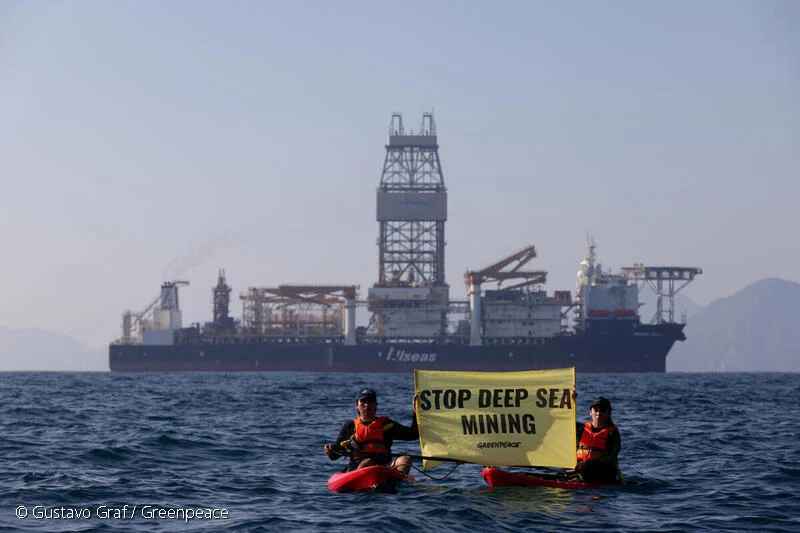
Greenpeace photo

Read Full Post »

North Atlantic Right Whale

A new NOAA biological opinion finds that that pile-driving noise associated with the Vineyard Wind project is likely to adversely affect, but not likely to jeopardize, the continued existence of whales, fish or sea turtles listed under the Endangered Species Act (ESA).

This opinion was predictable. On the one hand, denying the adverse effects from extensive pile driving would have been unacceptable to NOAA scientists. On the other hand, a jeopardy finding would have been unacceptable to their political leadership.

If you are wondering how NOAA managed to thread that needle, you will have to wait until their report is publicly available. On Aug. 23, NOAA said the opinion would be available in their library in about 10 days, but the opinion has still not been posted. How do you announce such significant findings without, at the same time, releasing the report?

Understandably, the Nantucket environmental organization ACK for whales is not pleased with either NOAA’s announcement or their failure to release the report:

We are disappointed NOAA announced the conclusions of its bi-op on the Vineyard Wind 1 construction without releasing the report or the data on which it relied,” ACK For Whales stated. “NOAA’s own data show that in 2023, there were 151 marine mammal strandings in Massachusetts alone with 75 occurring from Jun 2023 to Dec 2023, the months that pile driving was active. This compares to 77 strandings for all of 2015, before OSW activity started – essentially a 100 percent increase. Most of those strandings in 2023 (n=55) occurred from Oct to Dec when VW was racing to get foundations installed. Out of the 47 bases installed in 2023, 68 percent were installed in the last three months of the year.”

In January, BOE raised concerns about the collaborative BOEM-NOAA-wind industry strategy to protect the right whale. Per that strategy, BOEM and NOAA view themselves as partners with the wind industry. Is this biological opinion an example of NOAA working with their partners in accordance with their joint strategy? While regulator-industry collaboration is essential for effective offshore development, be it wind or oil and gas, regulators and operating companies have distinctly different missions and responsibilities, and should not be viewed as partners.

The sharp contrasts between the operating restrictions for the right whale (Atlantic wind) and the Rice’s whale (Gulf of Mexico oil and gas) demonstrate the inconsistencies in ESA regulation. Are major energy companies partners when developing wind projects and adversaries when producing oil and gas?

Lastly, a letter from NOAA’s Lead Biologist that is attached to that post further points to a disconnect between scientific concerns and wind energy regulatory policy, and is thus germane to this discussion.

Read Full Post »

In response to a lawsuit filed by the Sierra Club et al, a Federal judge in Maryland vacated a 2020 biological opinion by the National Marine Fisheries Service (part of NOAA) that addressed risks to endangered species, most notably Rice’s whale, from oil and gas operations in the Gulf of Mexico. The decision by Federal Judge Deborah Boardman, who was appointed to her position in 2021, is attached.

Judge Boardman’s ruling is effective on Dec. 20, 2024. After that date, no new GoM leases may be issued and no new operating plans may be approved pending a new biological opinion. Existing GoM operations could also be affected. In other words, the ruling could have unprecedented effects on the OCS oil and gas program. (If you wonder how a Maryland judge can issue a ruling that could have major consequences for Louisiana and Texas, it is presumably because NOAA’s headquarters office is in Silver Spring, MD.)

The biological opinion process will likely be lengthy given the political considerations in an election year and the prospects for related litigation.

The judge’s ruling could also affect wind leasing in a manner that was perhaps unforeseen. Offshore wind leasing, which the plaintiffs strongly support despite the risks to the critically endangered North Atlantic Right Whale, could be delayed. Per a provision in the “Inflation Reduction Act,” no offshore wind leases may be issued after 12/20/2024, the one year anniversary of the last oil and gas lease sale (no. 261). Ironically, this is the same date as the effective date of the judge’s ruling.

The judge’s decision will likely further delay the next oil and gas lease sale (no. 262) well into 2025 or later, and extend the pause in issuing wind leases that begins on 12/20/2024. Perhaps with that in mind, BOEM has been forging ahead with wind auctions despite the troubling Vineyard Wind blade failure, economic challenges for the wind industry, and growing opposition from coastal residents. An editorial by the publisher of Nantucket Magazine expresses concerns that should not be overlooked in the rush to auction wind leases.

(More on a new biological opinion related to the Right Whale in a future post.)

wsj article

Read Full Post »

North Atlantic Right Whale

Key takeaways after reviewing the BOEM/NOAA strategy document:

NARW status (pages 7-14):

  • Roughly 237 NARWs have died since the population peaked at 481 in 2011, exceeding the potential biological removal (PBR) level on average by more than 40 times for the past 5 years (Pace III et al. 2021).
  • Human-caused mortality is so high that no adult NARW has been confirmed to have died from natural causes in several decades (Hayes et al. 2023).
  • Most NARWs have a low probability of surviving past 40 years even though the NARW can live up to a century.
  • There were no first-time mothers in 2022.
  • About 42% of the population is known to be in reduced health (Hamilton et al. 2021)
  • A NASEM study confirmed that offshore wind has the potential to alter local and regional hydrodynamics
  • “Effects to NARWs could result from stressors generated from a single project; there is potential for these effects to be compounded by exposure to multiple projects.” (p. 14)

BOEM/NOAA strategy:

  • No new mitigation is recommended pending further study.
  • “BOEM and NOAA Fisheries will work together alongside our partners (including the OSW industry) to further develop the information and science the agencies will use to inform their decisions to responsibly develop OSW while protecting and recovering NARWs.” (Comment: While regulator-industry collaboration is essential for effective offshore development, be it wind or oil and gas, regulators and operating companies have distinctly different missions and responsibilities and should not be viewed as partners.)
  • (p. 15): “As the OSW industry continues to grow and as projects begin construction, BOEM and NOAA Fisheries will continue to work with our partners to evaluate existing strategies and to further collect and apply newly available information to inform future decisions. This Strategy is an integral step to organize BOEM, NOAA Fisheries, and their partners around a shared vision and clear path to effectively study and manage this issue moving forward.” (???)
  • (p.17): BOEM will “attempt to avoid issuing new leases in areas that may impact potential high-value habitat and/or high use areas for important life history functions such as NARW foraging, migrating, mating, or calving. For areas that are leased, permitting activities should minimize any known or potential threat to NARWs and their habitats, and developers and BOEM should support research and monitoring.”

Questions:

Pictured below: density of NARWs near wind leases and hydrodynamic effects of turbines

Read Full Post »

This impressive NOAA study confirms the importance of Nantucket Shoals as a feeding ground for right whales and implies a need for protective measures in months (October through December) when the existing restrictions do not apply.

The importance of Nantucket Shoals as a feeding ground for the critically endangered North Atlantic right whales within the southern New England wind energy is well understood (Leiter et al., 2017; Quintana-Rizzo et al., 2021; Estabrook et al., 2022). Similarly, year round presence of this species has been demonstrated since as early as 2011 (Quintana-Rizzo et al., 2021; Estabrook et al., 2022), showing that North Atlantic right whales have consistently used this region for well over a decade. Currently, the National Marine Fisheries Services and Bureau of Ocean Energy Managements policy is to exclude pile driving during the months of January through April in the southern New England wind energy area. Evaluation of the need for further management protections are needed for North Atlantic right whales especially in October through December, along with further assessment of risk to this species (Southall et al., 2023).

A map of the southern New England planned offshore wind energy lease areas off the East Coast of the United States (insert). Passive acoustic recorders (SoundTrap and F-POD recorders) were deployed for varying time periods (see Table 1) between January 2020 and November 2022 at seven sites surrounding the wind energy areas.

Note (below) the acoustic presence of the North Atlantic Right Whale (NARW) from Oct. through April.

Weekly acoustic presence summary of eight cetacean species (harbour porpoise, sperm whale, humpback whale, minke whale, North Atlantic right whale (NARW), sei whale, fin whale, blue whale) and one family (Delphinid sp.). The boxplots represent the median number of days of acoustic presence per calendar week across all data at four recording sites, in the southern New England offshore wind energy area. Only recorders with 2 or more years of data (NS01, NS02, COX01, and COX02) were used. Horizontal lines within the boxes indicate the median, box boundaries indicate the 25th (lower quartile) and 75th (upper quartile) percentiles, vertical lines indicate the largest (upper whisker) and smallest (lower whisker) values no further than 1.5 times the interquartile range, and black dots represent outliers.

Read Full Post »

Older Posts »