The offshore safety regulator (BSEE) has a very capable technical staff and should produce an informed report on the Vineyard Wind blade failure. The concern is with the internal review process that has seriously delayed the publication of accident investigation reports and safety alerts.
Presumably, DNV, the Vineyard Wind CVA, will provide input into the BSEE investigation. Perhaps the effectiveness of the CVA process and quality control procedures should be separately considered.
Will Equinor, a major oil and gas producer, Dogger Bank partner, and offshore wind advocate, be investigating the Dogger Bank failures?
A comprehensive International data base on turbine incidents and performance is needed.
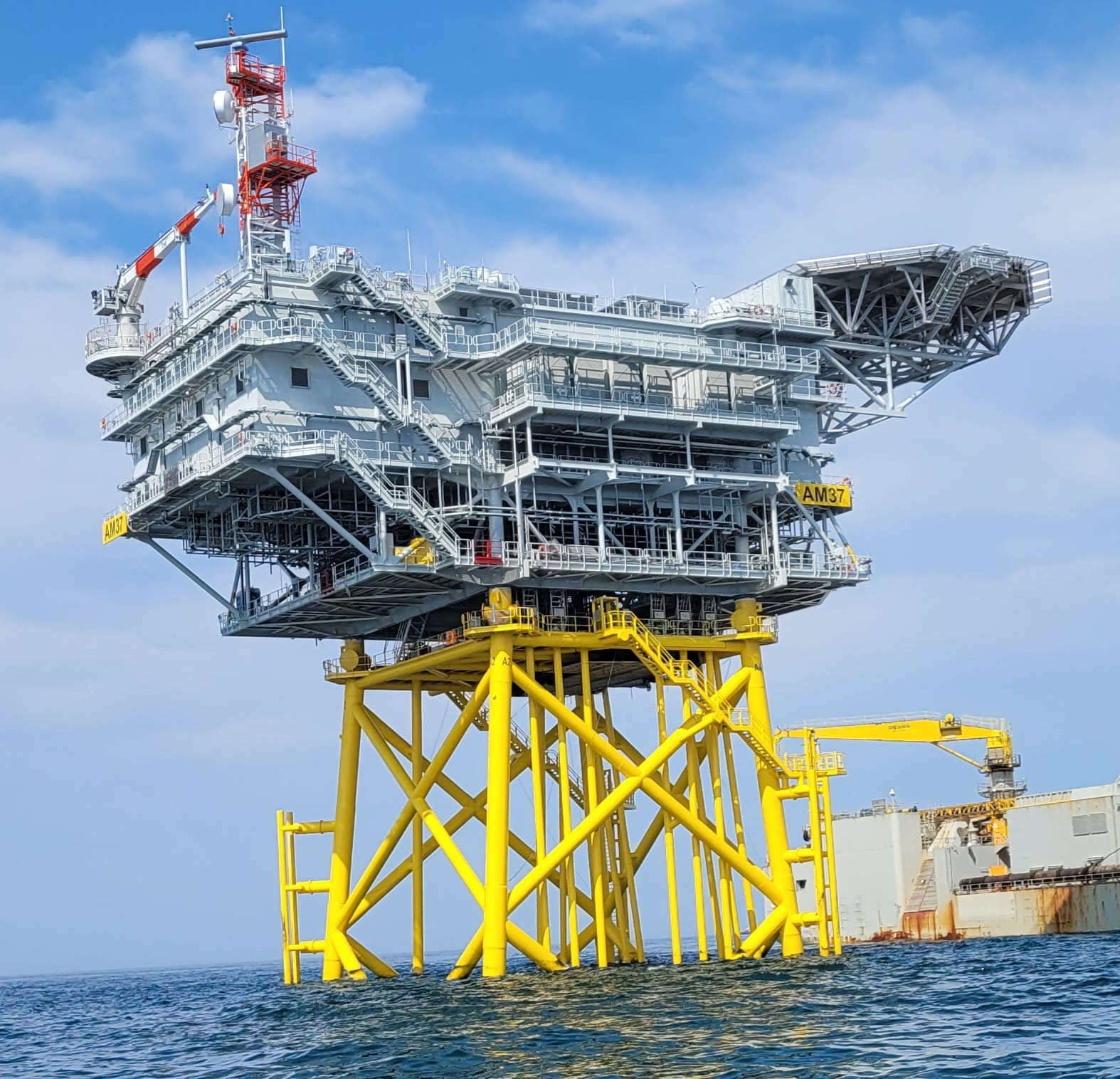
As previously noted, offshore substations are large structures. A closeup of the Vineyard Wind 1 substation is pasted below.
The operator of the wind farm released this short statement yesterday (8/22/2024):
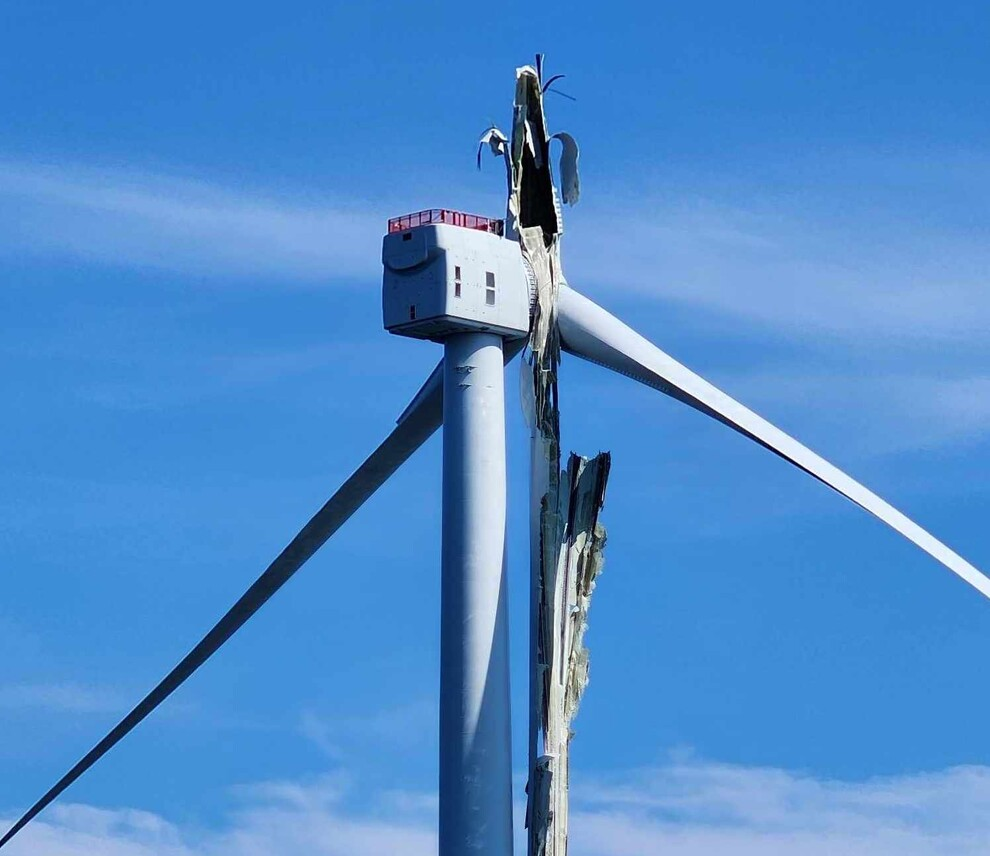
We are aware of a blade failure which occurred this morning on an installed turbine at Dogger Bank A offshore wind farm, which is currently under construction. In line with safety procedures, the surrounding marine area has been restricted and relevant authorities notified. No one was injured or in the vicinity at the time the damage was sustained.
We are working closely with the turbine manufacturer, GE Vernova, which has initiated an investigation into the cause of the incident.
Further updates will be issued in due course as more information becomes available.
… for their coverage of the Vineyard Wind turbine blade incident and their investigative reporting. From a recent Current article (emphasis added):
“The technology may not be new, but the size and scale of the Haliade-X turbine is novel for the offshore wind industry. And these jumbo-sized turbines have only recently been installed in just two locations in the world within the last year – at Vineyard Wind off Nantucket, and the Dogger Bank Wind Farm off the northeast coast of England. The Haliade-X turbine blades – which are supposed to have at least a 25-year lifespan – have suffered failures in both locations.“
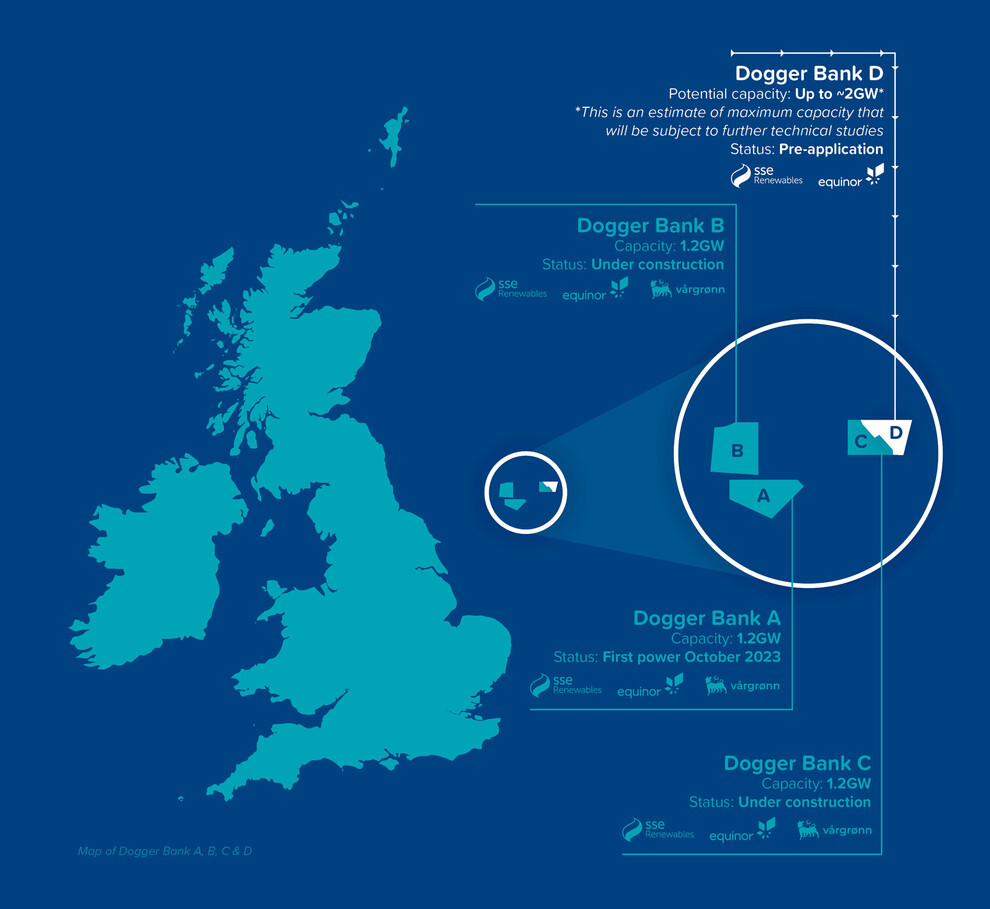
“At the Dogger Bank Wind Farm – which is being completed in three sections which combined will make up the largest offshore wind farm in the world – the first GE Vernova Haliade-X turbine was installed in the fall of 2023 and began producing power on Oct. 10. But little is known about the blade failure that occurred just months later during the first week of May 2024. The damaged blade was disclosed by Dogger Bank’s owners – SSE Renewables, Equinor, and Vårgrønn – a week after the incident. In a statement, the companies said only that “damage was sustained to a single blade on an installed turbine at Dogger Bank A offshore wind farm.”
“One reason the turbine blade incident at the Dogger Bank may not have generated more attention at the time is that the wind farm is located 100 miles off the coast of England, rather than just the 15 miles in the case of Vineyard Wind and Nantucket. If any debris was generated, it would have a far wider area to disperse in before nearing land – if it made it that far at all.“
Interestingly per the Current:
The Haliade-X turbine is the same one Orsted – a partner in Vineyard Wind – is planning to use for offshore wind farms slated for the waters off New Jersey and Maryland.
Land-based turbines have come apart in Sweden, Germany, Lithuania, Cypress, Brazil, and the US (and presumably elsewhere).
Greater transparency regarding turbine incidents, both in the US and internationally, is clearly needed. As we have learned from decades of experience with the oil and gas industry, most companies prefer reporting systems (if any) that protect details and information about the responsible parties from public disclosure. It’s the responsibility of the regulators to make sure that incident data and investigation reports are timely, complete, and publicly available. This is made more difficult by the promotional role that government agencies have assumed for offshore wind.

 Bud's Offshore Energy (BOE)