Feeds:
Posts
Comments

Posts Tagged ‘Denmark’

Danish Tax Minister Jeppe Bruus boasts that other countries will be inspired by the world’s first tax on livestock emissions. Are you inspired?

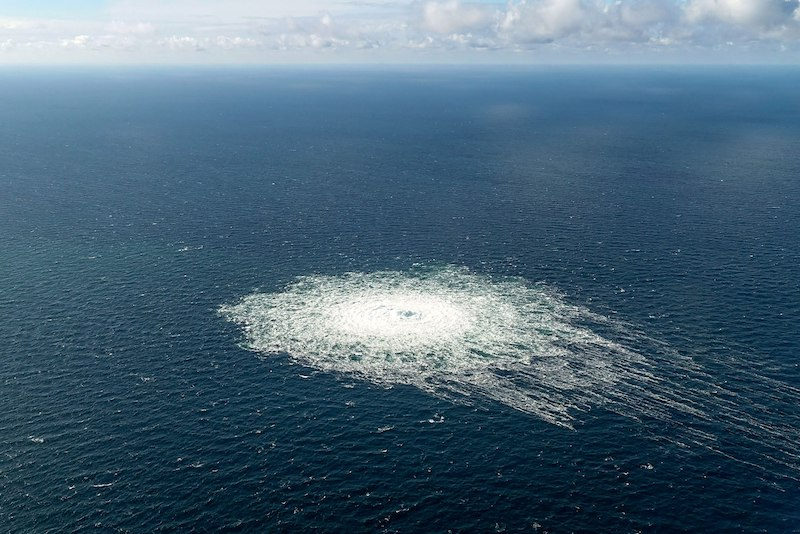
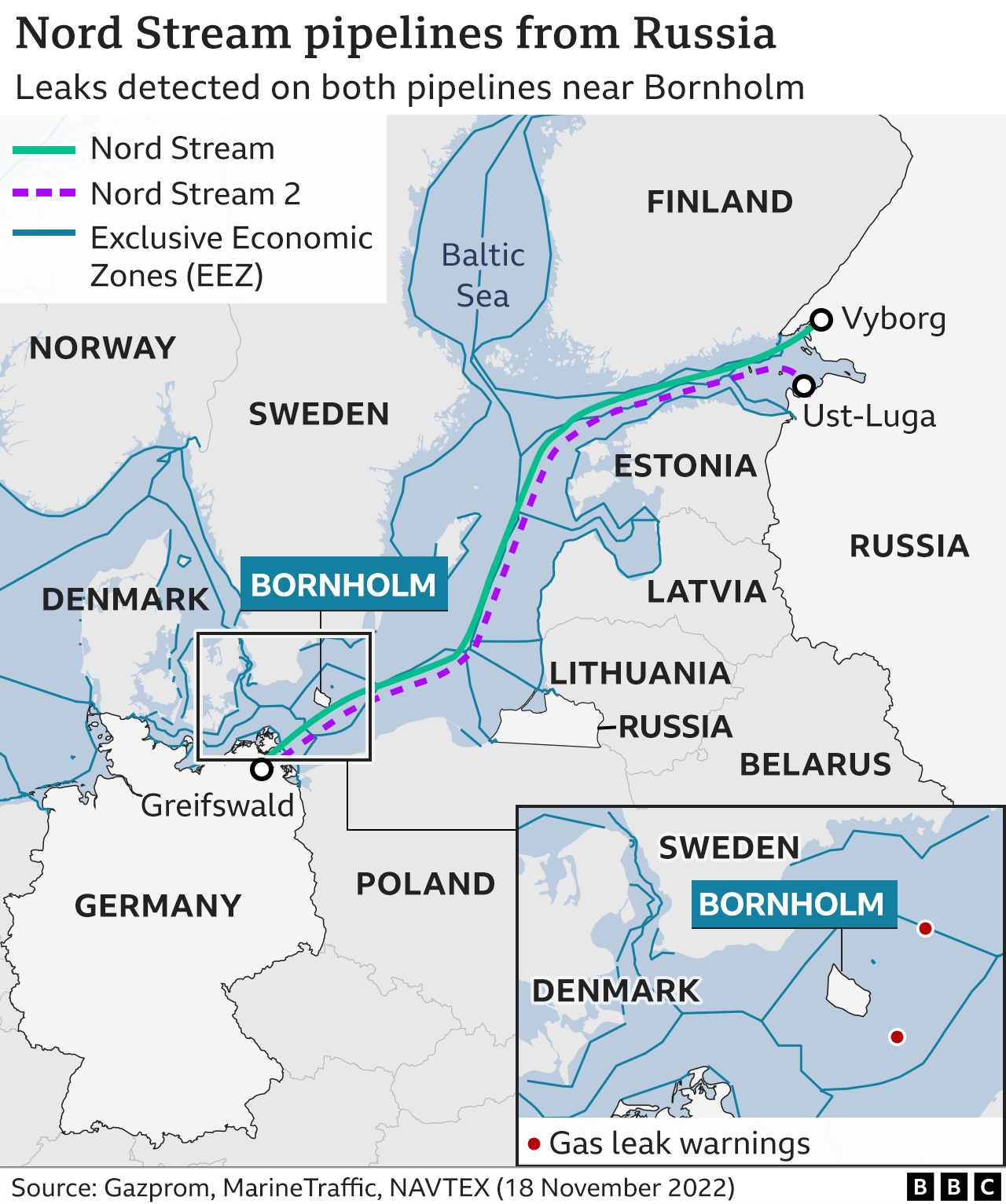
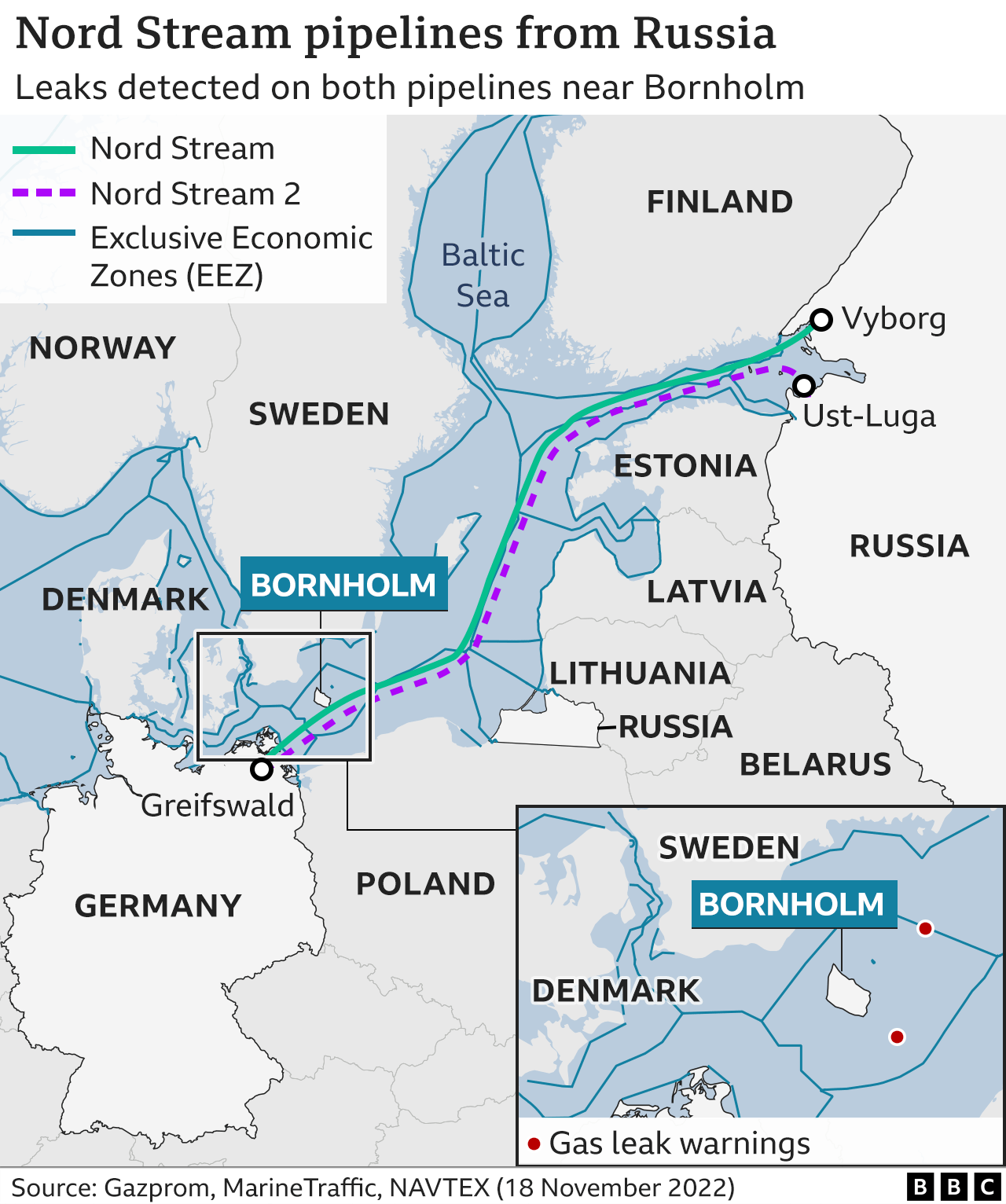
Not at all inspiring was Denmark’s weak-kneed response to the sabotage of the Nord Stream pipelines near the Danish island of Bornholm. After 17 months of investigation, Denmark meekly declined to pursue criminal charges or even to release a report on their findings. How does the “world’s climate leader” simply shrug its shoulders after investigating a massive methane release in their waters?

A recent professional paper concludes that 478,000 tons of methane were released to the atmosphere as a result of the Nord Stream sabotage, making this “the world’s largest natural gas leak.” The Nord Stream sabotage thus released 3.6 times the amount of methane (133,000 tons) contributed by Danish livestock in an entire year. The total amount of methane released by the Nord Stream pipelines is also 2.5 times the entire amount attributed by EPA to all Gulf of Mexico producers in 2020.

Denmark and Sweden have concluded that “there was deliberate sabotage of the gas pipelines.” The Nord Stream insurers claim that “a government did it.” So which government was it? Why are sovereign governments of affected nations afraid or otherwise unwilling to comment on such a consequential attack?

Read Full Post »

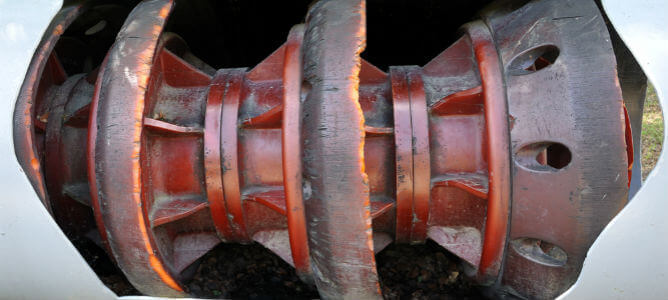
Pictured: pig for cleaning gas pipelines. Will Nord Stream’s suit against the insurers unplug investigation findings?

Nord Stream AG has sued insurers Lloyds and Arch in the English High Court for failing to pay for pipeline damage incurred during the Sept. 2022 Baltic Sea explosions. The estimated pipeline repair costs range from €1.2 to €1.35 billion, and Nord Stream is seeking €400 million from the insurers.

Could this litigation help us learn more about the findings of the official Nord Stream investigations? After 17 months of investigation, Denmark recently concluded that “there are not sufficient grounds to pursue a criminal case in Denmark.” Only nineteen days before Sweden had announced that “Swedish jurisdiction does not apply and that the investigation therefore should be closed.” These weak announcements at the end of lengthy investigations seem too convenient, and may lend credence to Hersh’s Nord Stream account or a recent variation that implicates the UK. Germany is presumably still investigating, and it remains to be seen whether they will release findings.

Could the parties in the Nord Stream case pursue documents or testimony from the Swedish, Danish, or German investigation teams? Both sides in this case, Nord Stream AG and the insurers, would benefit from details that could help identify the responsible parties.

It’s more than a little hypocritical for Western governments and their NGO partners to rail against offshore oil and gas operations while quietly accepting (without investigation) the economic and environmental consequences of the Nord Stream sabotage. Compare the Nord Stream methane emissions with those associated with Gulf of Mexico operations.

Read Full Post »

Either the investigators were incompetent (unlikely) or the political pressure was too great (likely).

“The investigation has led the authorities to conclude that there was deliberate sabotage of the gas pipelines. However, the assessment is that there are not sufficient grounds to pursue a criminal case in Denmark,” a Copenhagen police statement said.

Reuters

After 17 months of investigation, that’s a pretty lame statement. Will we see their report?

The ball is now in Germany’s court. Should we expect more of the same?

Our June 2023 summary remains unchanged.

Read Full Post »

The quote and graphic are from Jens Christiansen, a Danish physicist and nuclear power advocate.

Energy reality on display (vs. COP theater):

Read Full Post »

Not only have no official findings been released, but there has been little new speculation since our June 2023 update. Given the political stakes, it is increasingly unlikely that the responsible parties will be identified.

Read Full Post »

Still no clues as to the responsible parties.

Read Full Post »

From the Huffington Post:

Oil-producing countries on Thursday rejected a German proposal for a moratorium on deep-water drilling in the Northeast Atlantic that reflected environmental concerns after the BP Gulf of Mexico oil spill.

So Germany, which has essentially no offshore oil and gas production in its sliver of the North Sea, proposed a ban on deepwater drilling at an OSPAR meeting in Bergen, Norway?  Does the word chutzpah come to mind?  The equivalent might be a Norwegian proposal to ban the manufacturer of luxury cars at a meeting in Stuttgart!

The German proposal also called for making sure that offshore operations meet the highest safety standards and demanded an analysis of whether the circumstances that led to the Deepwater Horizon accident could also occur in the Northeast Atlantic.

Now there is some original thinking.  No one has ever suggested that before! (sarcasm intended)  Don’t you think Norway, the UK, Denmark, the Netherlands, and other countries that actually produce oil and gas might be looking into these issues?  I can assure you that they are, but that they are doing so quietly and professionally without the type of “grandstanding” demonstrated by Germany at the OSPAR meeting in Bergen.

Representatives from Germany and other nations with concerns about the safety of offshore oil and gas operations are encouraged to join us in Vancouver next month for serious discussions about the regulatory practices, technology, and management systems that minimize safety risks.

Read Full Post »
Dan Field, North Sea Danish Sector

BOE applauds Denmark, not just for its leadership in conservation and wind energy, but also for its commitment to offshore oil and gas production.  Denmark (population 5.4 million) currently produces approximately 250,000 barrels of oil per day from fields in the Danish sector of the North Sea.  On a population basis, this is the equivalent of 14.4 million bopd for the US (310 million people), more than 10 times current US offshore production and more than double total US (onshore and offshore) production.   Does the US need to be more like Denmark?  Yes, we need to produce more and consume less!

Read Full Post »

« Newer Posts