Feeds:
Posts
Comments

Posts Tagged ‘BLM’

….as long as they are aligned with the preordained political decision. 😠

No where has this been more apparent over the years than in Alaska. Most recently, the North Slope Borough filed suit to challenge the Bureau of Land Management (BLM) rule making the National Petroleum Reserve in Alaska (NPR-A) off limits to oil and gas development.

Mayor Josiah Patkotak of the North Slope Borough

“The rule would significantly and irrevocably harm the North Slope’s right to self-determination and ability to provide essential services for residents. This suit is filed alongside the complaints of the Voice of the Arctic Inupiat and the State of Alaska, demonstrating the unity of North Slope communities and Alaskans in opposing the BLM’s unjust and unilateral action to harm the livelihoods of the residents of the North Slope,” the borough explained in a press statement.

“When I was sworn in as Mayor of the North Slope Borough, I made a solemn promise to protect and provide essential services for the people of the North Slope Borough. The BLM claims to act on our behalf but what they are truly doing is undermining my ability to fulfill that fiduciary obligation,” said Mayor Josiah Patkotak. “We on the North Slope don’t have the luxury of keeping quiet and waiting for a new industry to swoop in and replace our largest economic driver. We have to speak up for our future as a people.”

Other important points raised in the Must Read Alaska article:

  • NPR-A is entirely within the boundaries of the North Slope Borough (NSB).
  • The NSB represents the ancestral homelands of the Inupiat people.
  • The NSB is the largest employer in the region and provides the majority of essential services depended upon by residents.
  • Taxes on infrastructure account for 95% of the Borough’s revenue.
  • Members of the North Slope Inupiat Tribes, Village Corporations, Regional Corporations, and their elected leaders have been unanimous in their opposition to the rule.
  • The Supreme Court’s decision in Loper, which removed the Chevron Deference, restricts the authority of Federal agencies to take regulatory actions without clear legislative authority.
  • The State of Alaska also filed a lawsuit claiming that the Fed govt had not consulted with affected parties, and that the BLM had exceeded its congressional authorization.

This should be an easy win for Alaska and the NSB.
Read Full Post »

Federal funding lapses, real or threatened, are rather common. They range from false alarms to the extended shutdown of 35 days that occurred in 2018-19. In no case have offshore oil and gas operations been significantly affected. BSEE and its predecessors developed and implemented contingency plans that identified “essential employees” needed to monitor operations and review necessary permits.

Most Federal agencies have posted updated Federal contingency plans on the OMB page established for the purpose. Noticeably absent is the plan for the Department of the Interior (DOI), which includes the bureaus responsible for overseeing energy operations on Federal onshore and offshore lands. Presumably this is just a bureaucratic delay, and DOI has plans for the safe continuation of operations. However, the Petroleum Association of Wyoming was sufficiently concerned that they wrote a letter to Secretary Haaland and the Director of the Bureau of Land Management, which is responsible for oil and gas operations on Federal onshore lands. That letter is attached below.

Hopefully, DOI will provide clarity on these matters today, since a Federal government shutdown could begin at midnight tomorrow. Needless to say, any disruption in ongoing oil and gas production operations would have significant safety and economic implications.

Read Full Post »


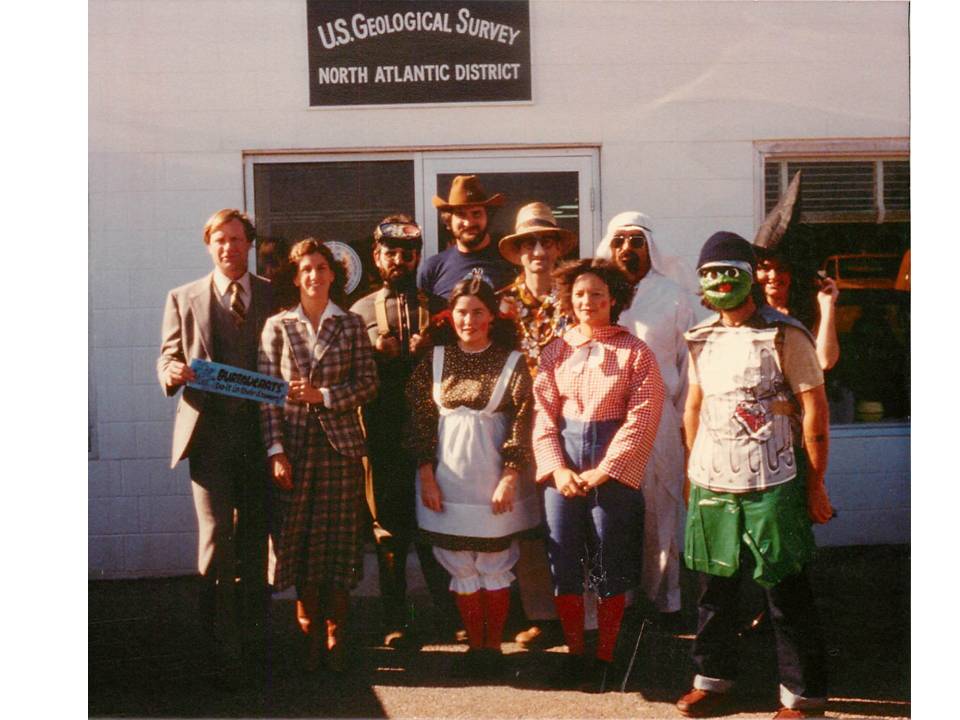
Hyannis Halloween - 1981


Note the sign (above) on our office at Barnstable Municipal Airport in Hyannis. Prior to 1982 when the Minerals Management Service was formed, the OCS regulatory program was part of the US Geological Survey (Conservation Division) and the leasing program was in the Bureau of Land Management. After a 28-year marriage, these functions are again being separated.

As one who worked in the OCS program for 10 years prior to the formation of MMS, I think the the pre-1982 framework is conceptually preferable. However, unless the separation is carefully executed, disruptive conflicts between the two organizations are guaranteed.  Such conflicts were common in the pre-MMS days, and the Department of the Interior had to set up a special office to coordinate activities and manage disputes.

In addition to being independent, the new regulatory authority must be fully responsible (without interference) for all regulatory actions from plan approval through abandonment.  Without such independence and authority, the separation will only add to the regulatory confusion that has handicapped the OCS program throughout its history.

Technical and scientific personnel in the OCS regulatory program must be freed from non-productive and time-consuming internal disputes and coordination responsibilities so they can concentrate on performance measurement, risk assessment, safety leadership, standards, and technical studies.

Read Full Post »