Feeds:
Posts
Comments

Posts Tagged ‘Aramco’

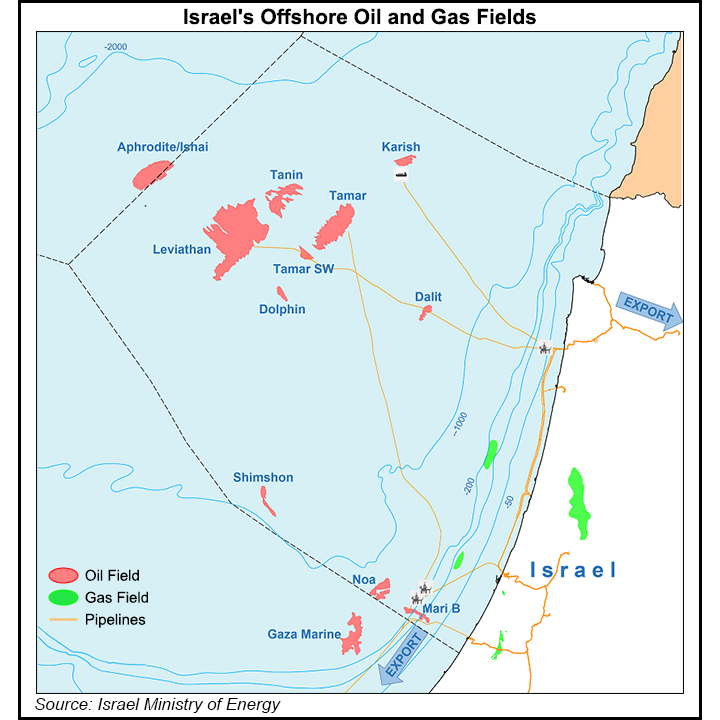
In light of the fantastic Middle East news, planning for the redevelopment of Gaza is underway. The Gaza Marine Gas Field should be a high priority given the power generation and revenue potential.

The field, which was discovered in 1999 by British Gas (now part of Shell), is located approximately 30-36 km off the coast of Gaza in the eastern Mediterranean and has estimated natural gas reserves of ~ 1 Tcf.

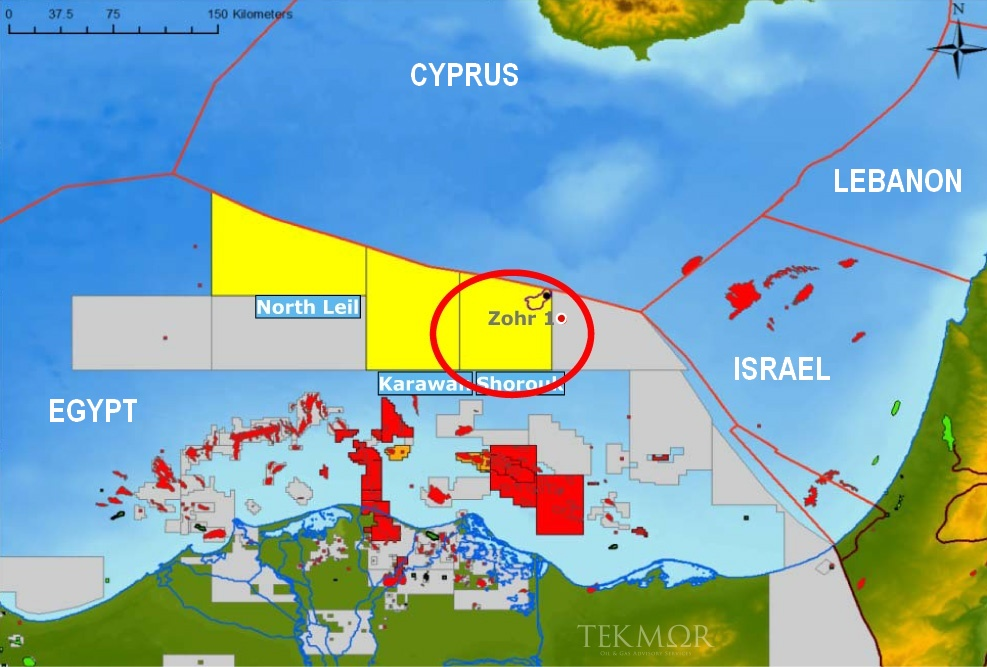
Who should be licensed to develop the field? In June 2023, there was a proposed agreement between the Palestinian Authority and an Egyptian consortium led by state-owned Egyptian Natural Gas Holding Company (EGAS). A resurrection of this arrangement may align with Palestinian interests. EGAS has experience in Mediterranean gas projects including the giant Zohr field (see map below).
Other candidates for developing the Gaza Marine field (pure speculation):

  • Chevron would be a logical choice given their extensive eastern Mediterranean experience as a result of their acquisition of Noble Energy. However, there might be concerns about undue US and Israeli control of this important resource.
  • Regional giants like Saudi Aramco, Qatar Energy, and Abu Dhabi National Oil Company (ADNOC) would be good candidates.
  • Another interesting possibility might be Equinor, which is 2/3 owned by the Norwegian govt. Equinor seems to sometimes make socially desirable investments that are less profitable.

Some combination of the above companies might also be a possibility. In any event, it’s critical to manage this resource in a manner that best benefits the recovery effort.
Read Full Post »

Per Offshore-Energy.biz, comments by Aramco President and CEO, Amin H. Nasser, at the Schlumberger Digital Forum:

“When you shame oil and gas investors, dismantle oil- and coal-fired power plants, fail to diversify energy supplies (especially gas), oppose LNG receiving terminals, and reject nuclear power, your transition plan had better be right. Instead, as this crisis has shown, the plan was just a chain of sandcastles that waves of reality have washed away.”

“the warning signs in global energy policies were flashing red for almost a decade,” adding that investments in oil and gas decreased from $700 billion to a little over $300 billion, which is more than 50 per cent between 2014 and 2021.

“this is the moment to increase oil and gas investments, especially capacity development.”

Aramco is working to increase its oil production capacity to 13 million barrels per day by 2027 and grow its gas production by more than half through 2030.

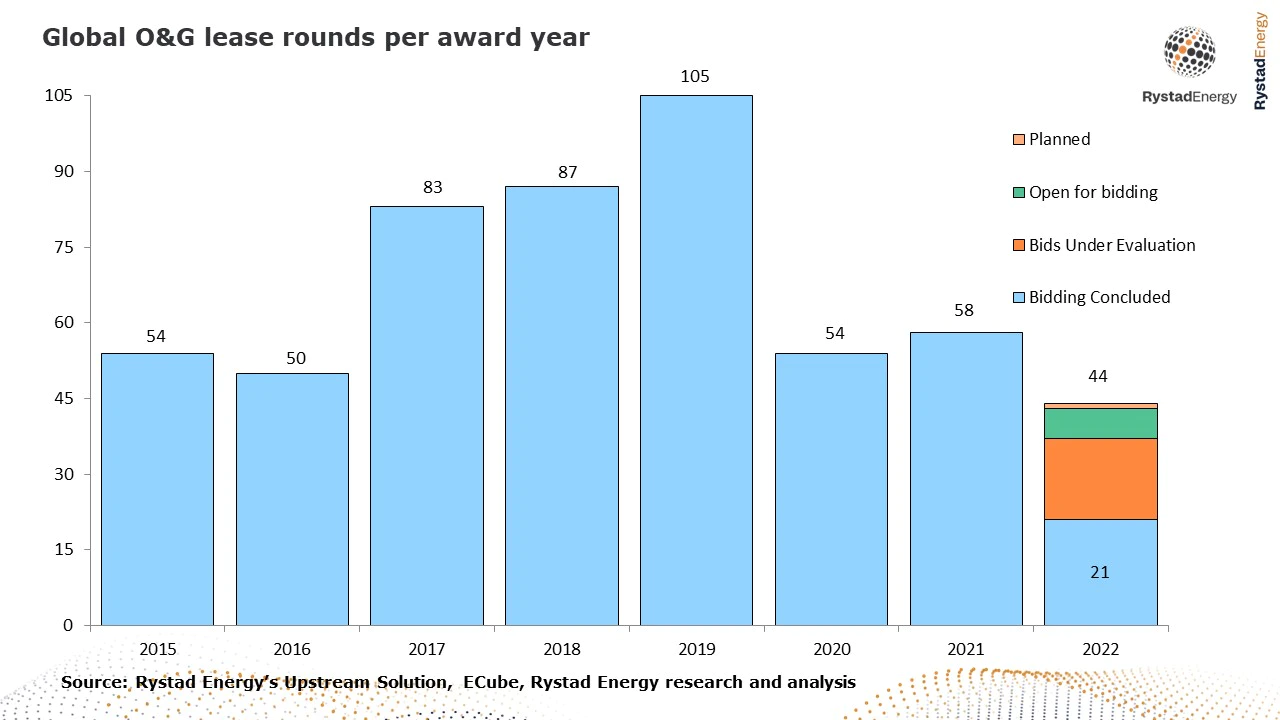
Meanwhile, Rystad reports a further reduction in global oil and gas licensing, with help from the US govt:

Read Full Post »

Consistent with our concerns about the lack of investment in offshore exploration and production, Aramco CEO Amin Nasser made this comment at CERAWeek in Houston:

“Today, we only have 2% of effective spare capacity, which is an imbalance,” Nasser said. “You need a resilient and strong spare capacity to make sure that you can absorb any supply shocks. Look at what’s happening. Before the Ukraine crisis, the spare capacity was declining fast.

Oxy CEO Vicki Hollub’s comments further justify our concerns about US over-reliance on shale production. She noted these impediments to production growth in the Permian Basin, the world’s largest shale basin:

  • Severe supply-chain constraints 
  • Labor shortages
  • Few already drilled wells ready to be completed
  • Rig shortages

Read Full Post »