Seafreeze Shoreside, Inc., Petitioner, Amicus briefs submitted by Green Oceans, Protect Our Coast NJ, America First Policy Institute, and the Save Right Whales Coalition
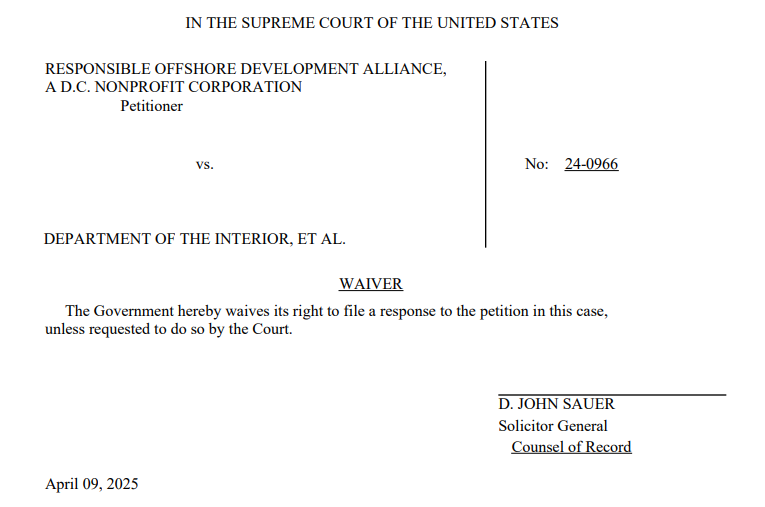
Given that the SCOTUS declined to hear a Vineyard Wind challenge by the Nantucket-based ACK for Whales group, the odds of the new challenges being heard would seem to be low. However, it’s noteworthy that both Vineyard Wind and the Federal Government have waived their right to respond to these petitions. The Government’s waiver to respond to the RODA petition is pasted below.
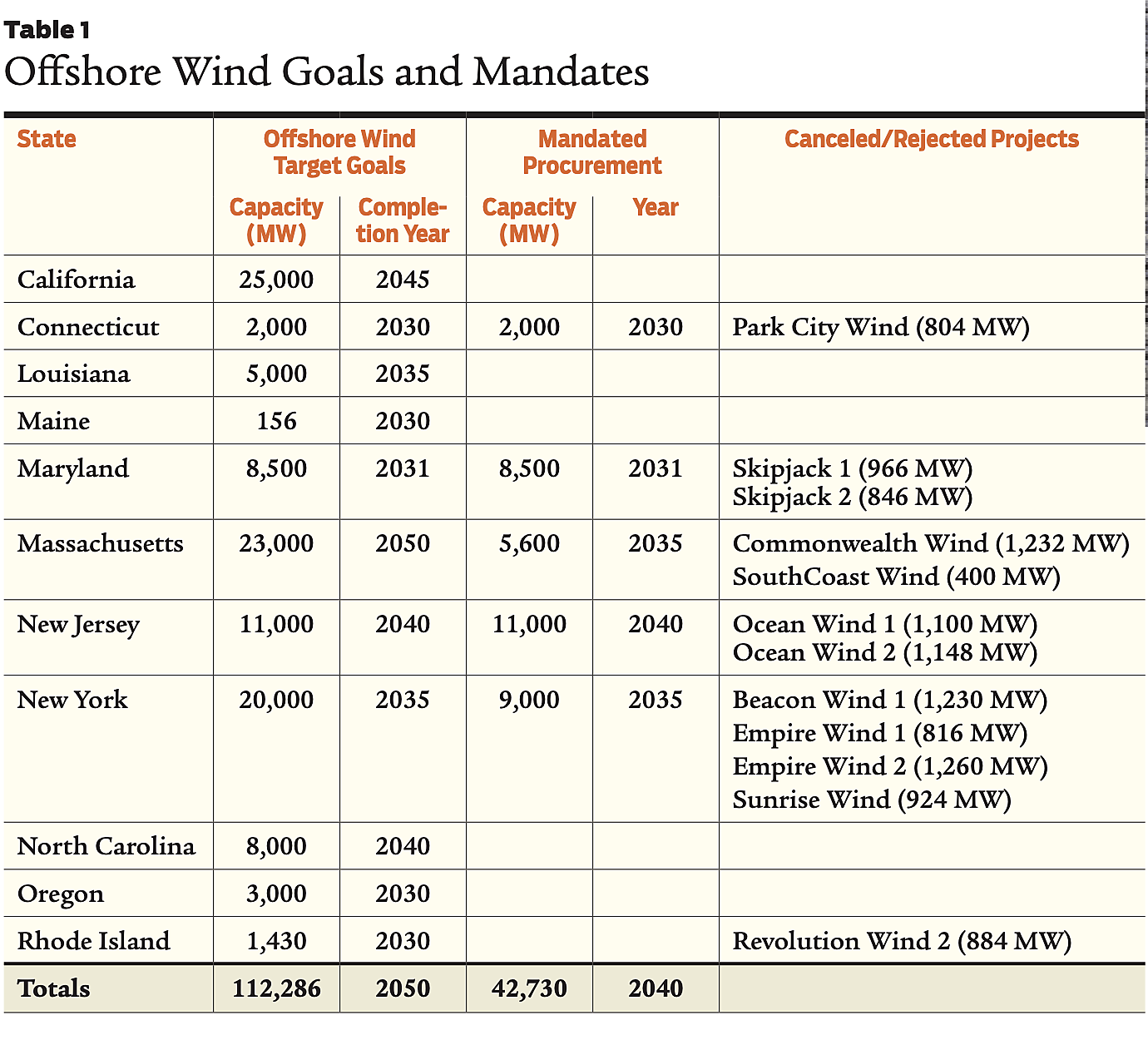
“Of all commercial renewable generation technologies, offshore wind is the costliest, far more so than solar photovoltaics and onshore wind. The newest incarnation of offshore wind—floating turbines that can be sited in deep water—are more expensive still. Although offshore wind is supposed to benefit from more prevalent ocean breezes, it remains, like land-based wind and solar power, an intermittent source of electricity. Hence, as offshore wind comprises a larger share of total electricity capacity, it requires ever more backup generation or storage to compensate.”
“Offshore wind’s high cost and intermittency raise a simple question: Why have renewable energy advocates and policymakers in many Atlantic Coast states, as well as those on the West Coast, placed such emphasis on this technology? One justification, like all forms of renewable energy, is that offshore wind will reduce U.S. greenhouse gas emissions. Whether that is true remains an open, empirical question. Offshore wind’s high costs, which require substantial—and increasing—taxpayer and ratepayer subsidies, will raise electricity rates and reduce electricity consumption. Even offshore wind manufacturers such as German-based Siemens Energy admit this. By itself, reduced electricity consumption may reduce greenhouse gas emissions slightly, as will offshore wind replacing lower-cost natural-gas-fired generation. However, any such reductions will be so small as to have no measurable effect on climate.“
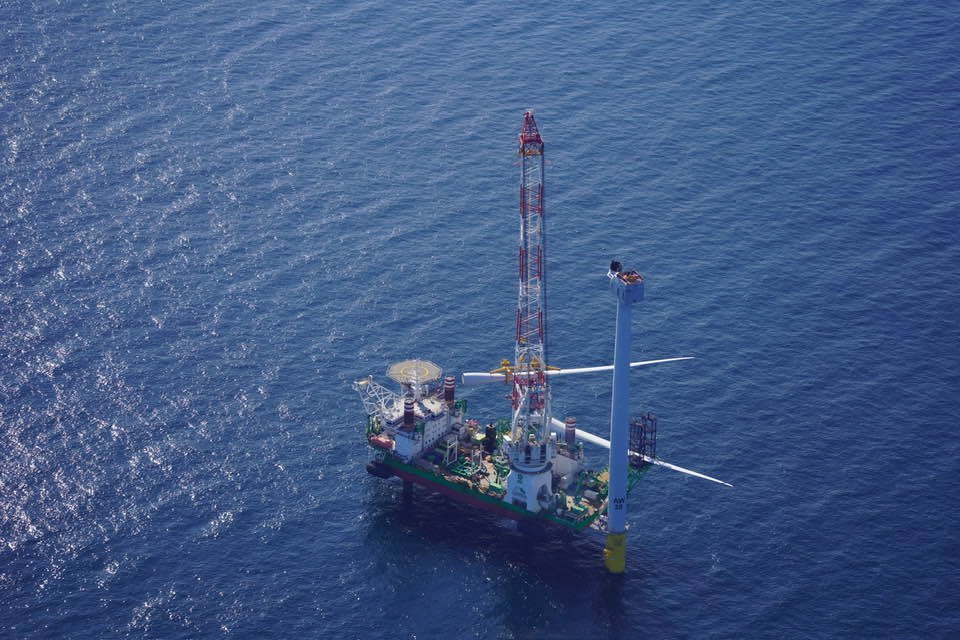
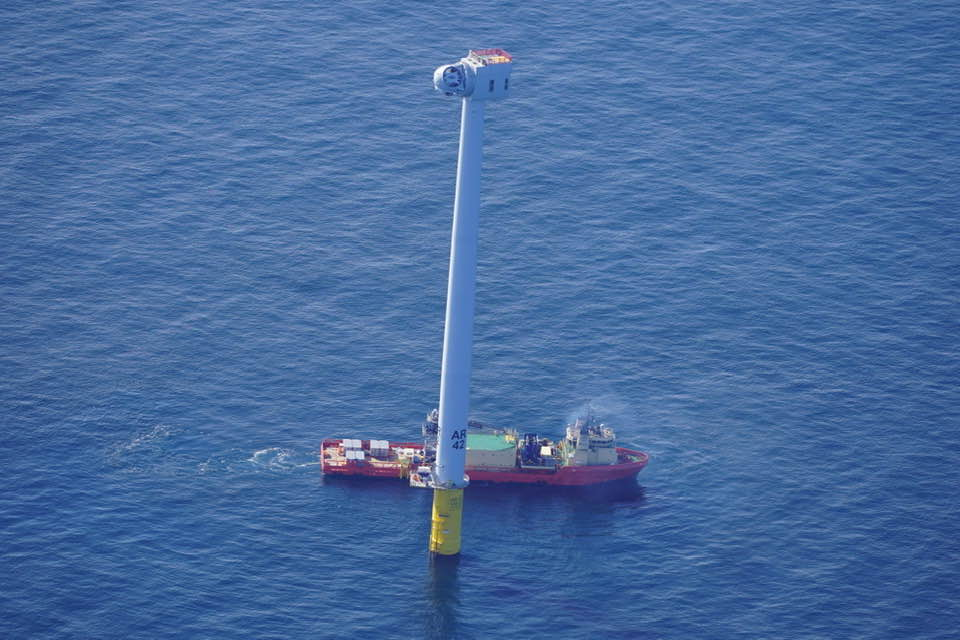
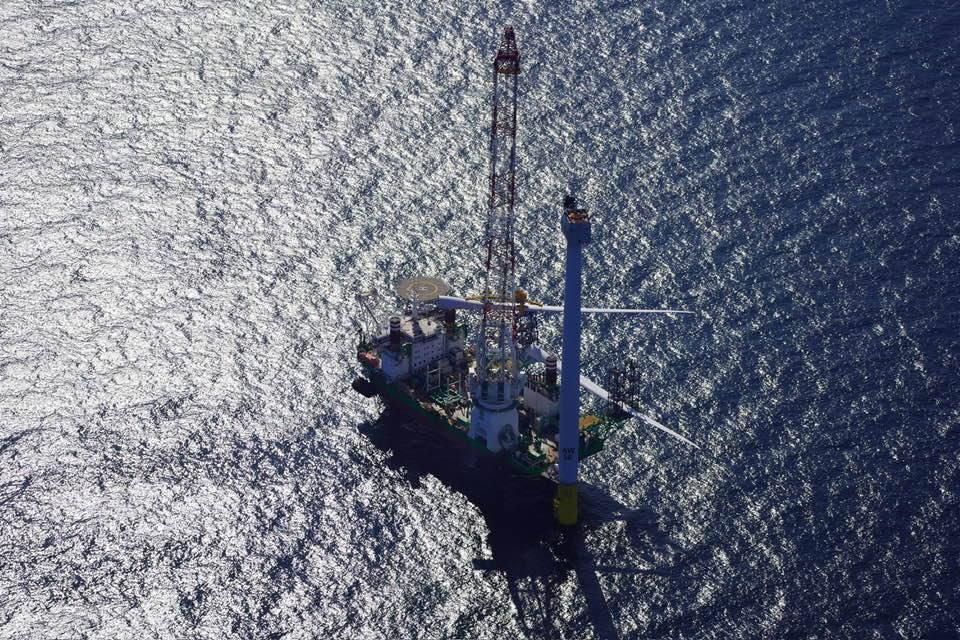
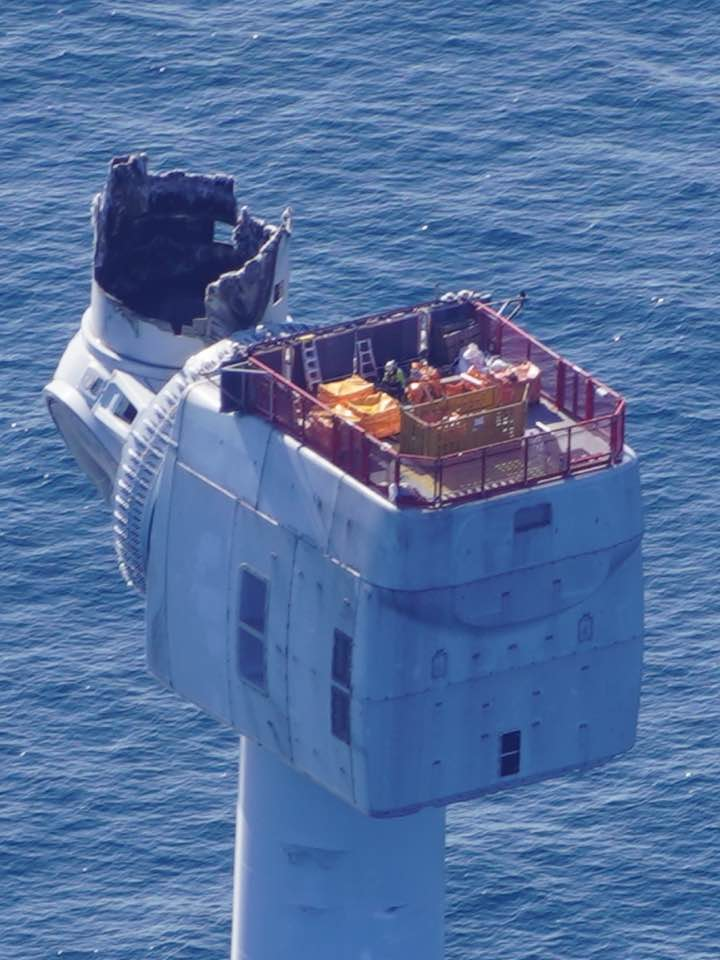
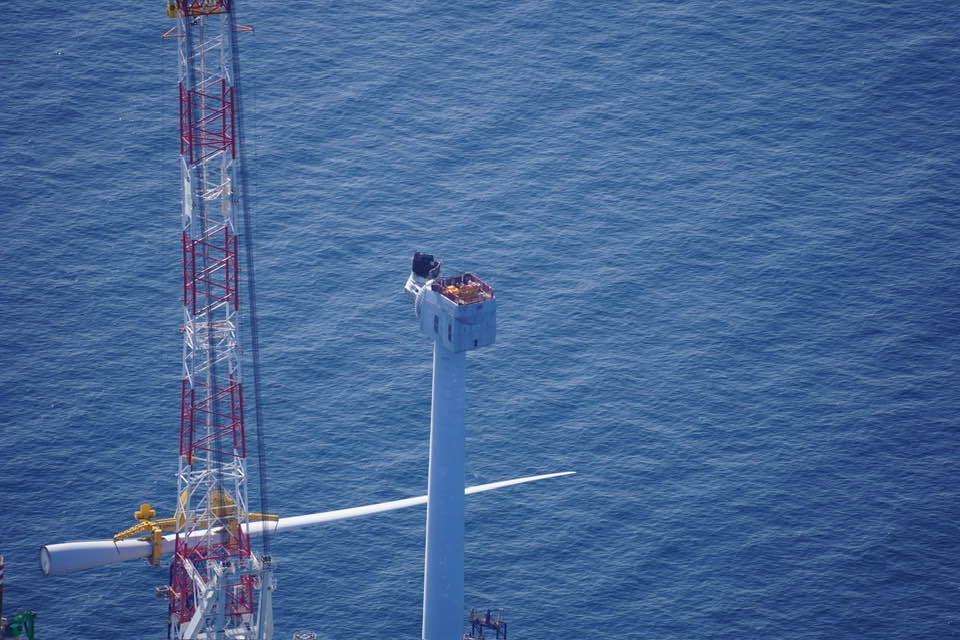
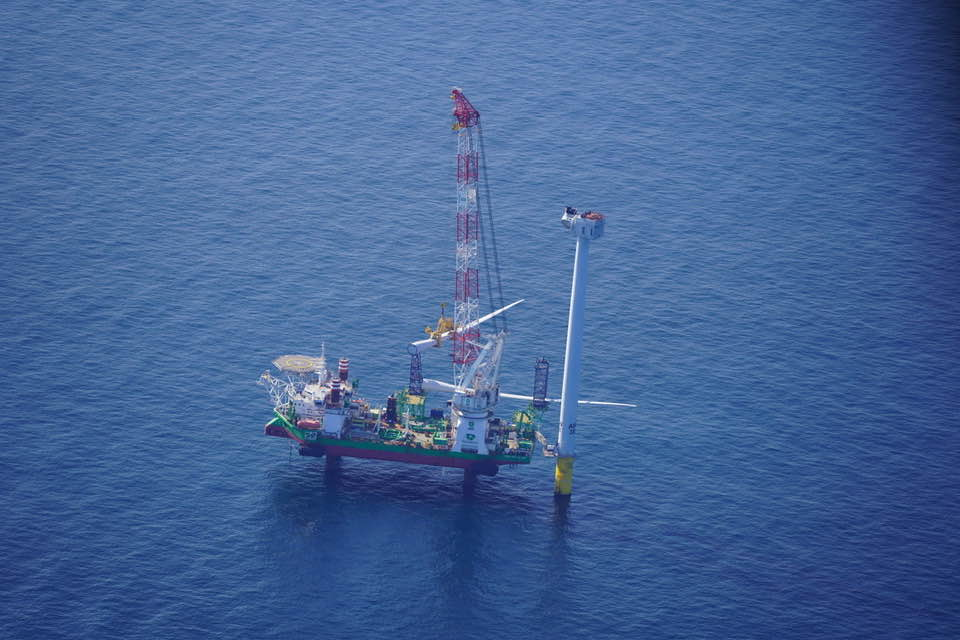
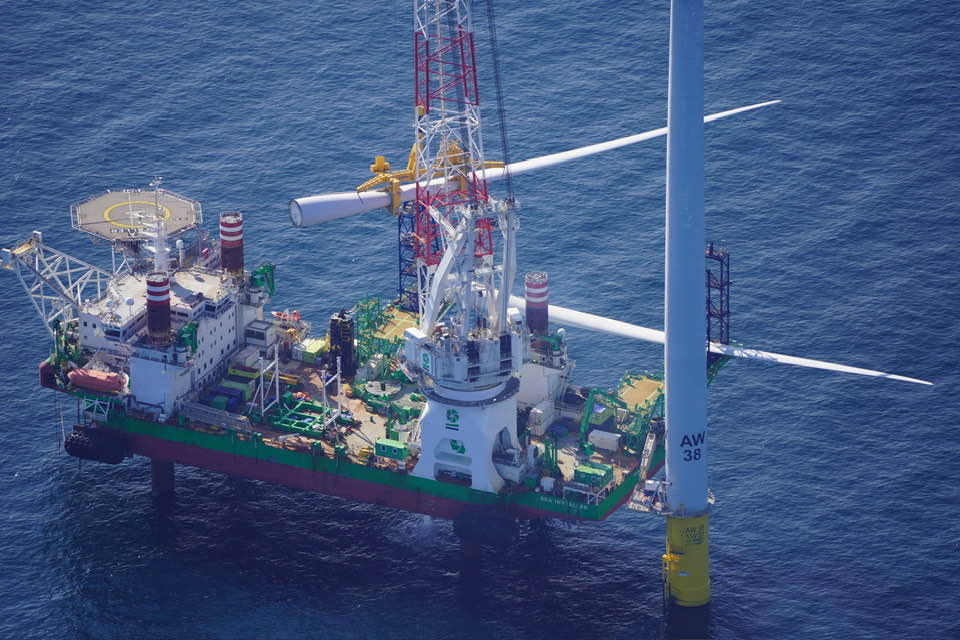
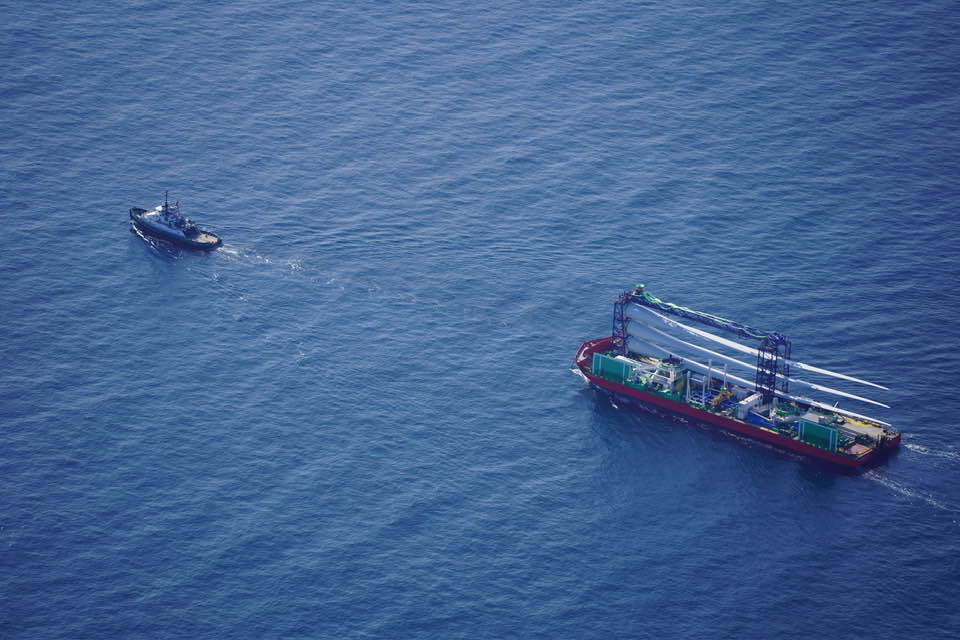
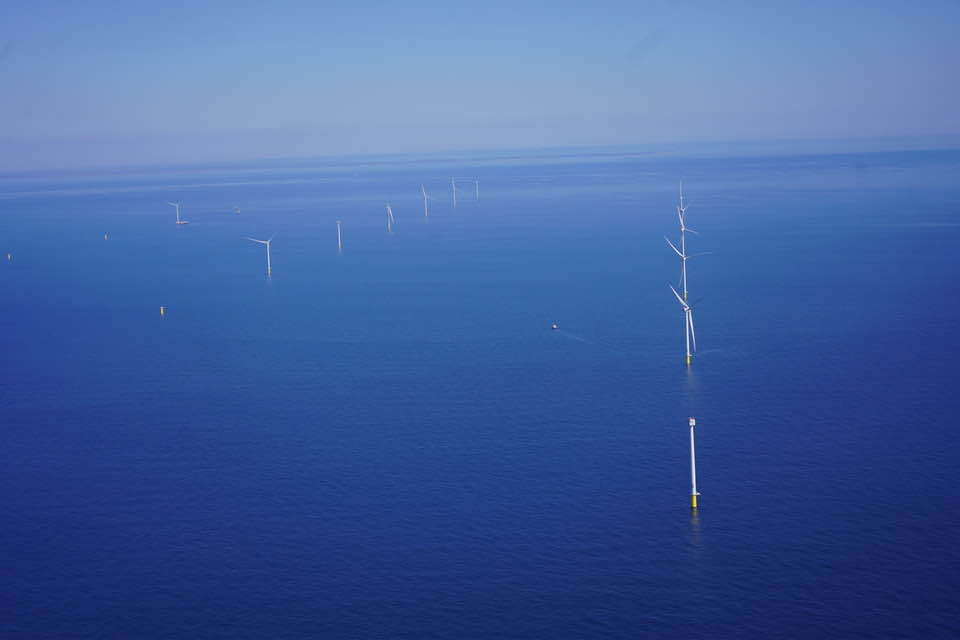
Below are interesting pictures of Vineyard Wind’s repair and installation activity taken today by Nantucket pilot Doug Lindley. He commented that only of the turbines was spinning.
Also note the vessel transporting replacement blades.
It’s a bit difficult to rationalize all of this, but the Administration of Massachusetts Governor Maura Healey sees these projects as being critical to the Commonwealth’s energy future.
A letter from Congressman Chris Smith (NJ) to Sec. Burgum is attached. Excerpt:
I am writing to advise you that Equinor, a Norwegian Energy multinational is planning to move forward with construction of its Empire Wind 1 project off the coast of New Jersey and New York as early as this April. This is an alarming development and should not be allowed before the comprehensive review of offshore wind ordered by President Trump’s January 20th executive order is completed. The executive order states that the assessment is needed to review the many shortcomings of the Federal wind leasing process including, “potential inadequacies in various environmental reviews required by the National Environmental Policy Act.”
Based on the respective financial performance of oil producers, I think it’s fair to say that investors aren’t attracted to those companies because of their wind projects.
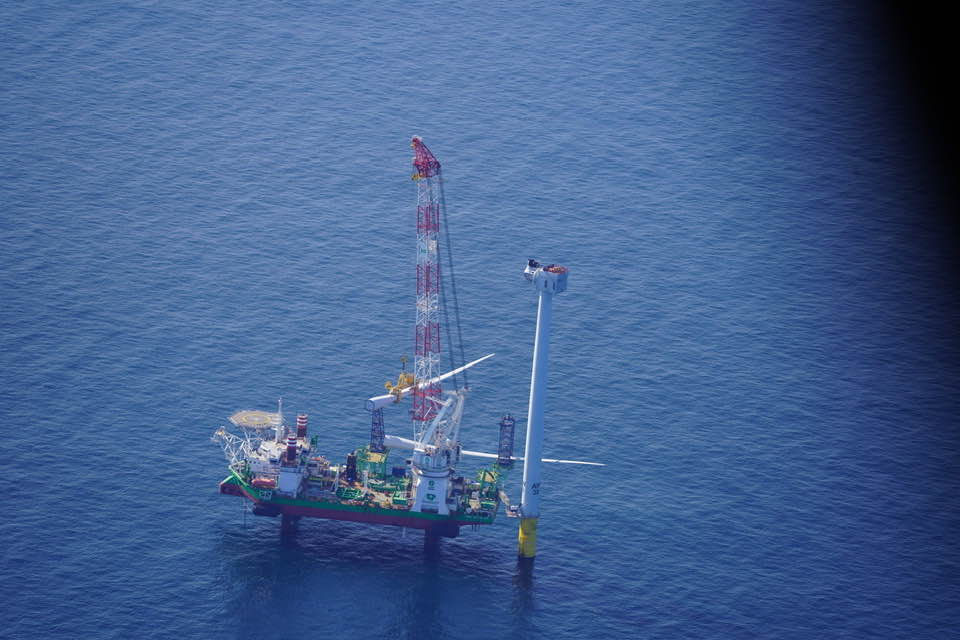
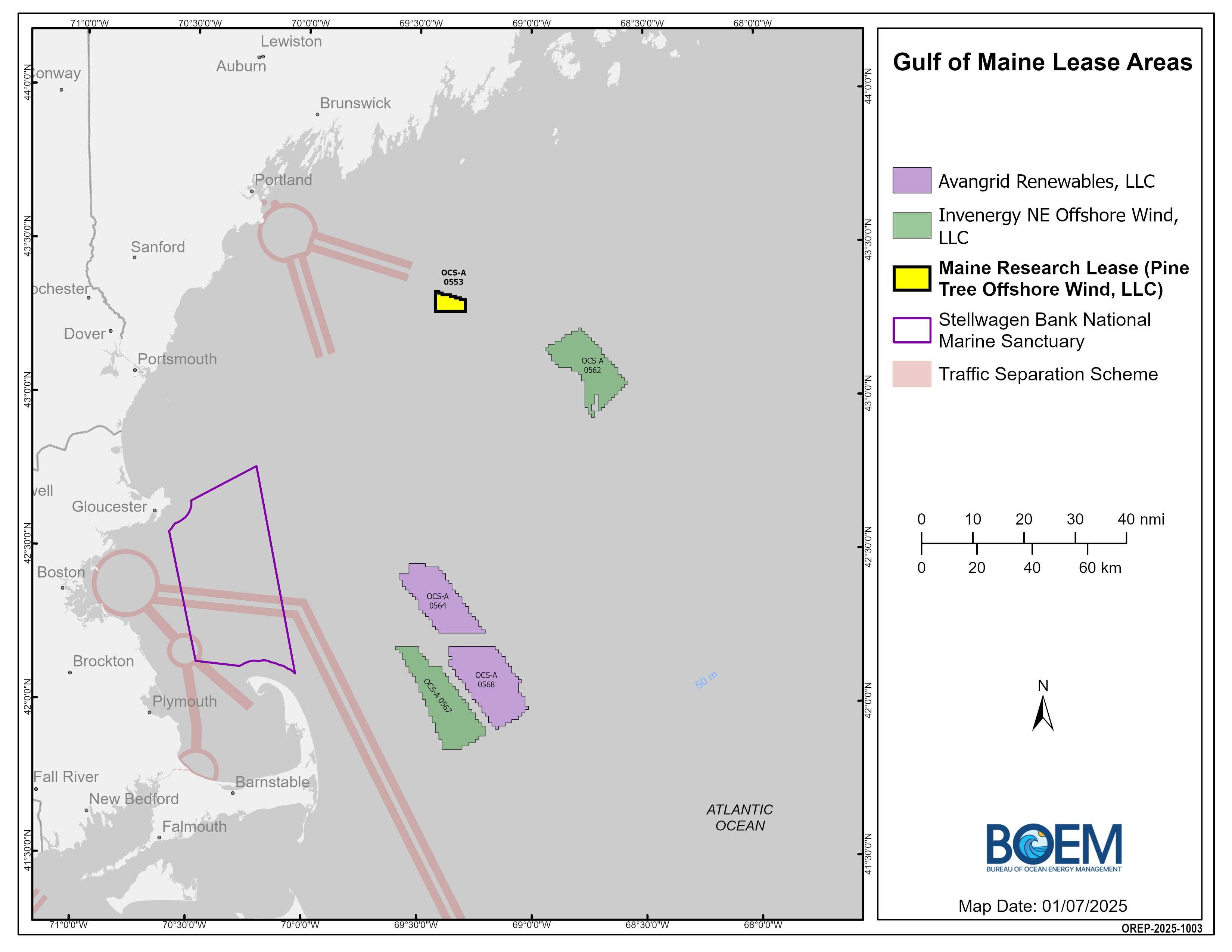
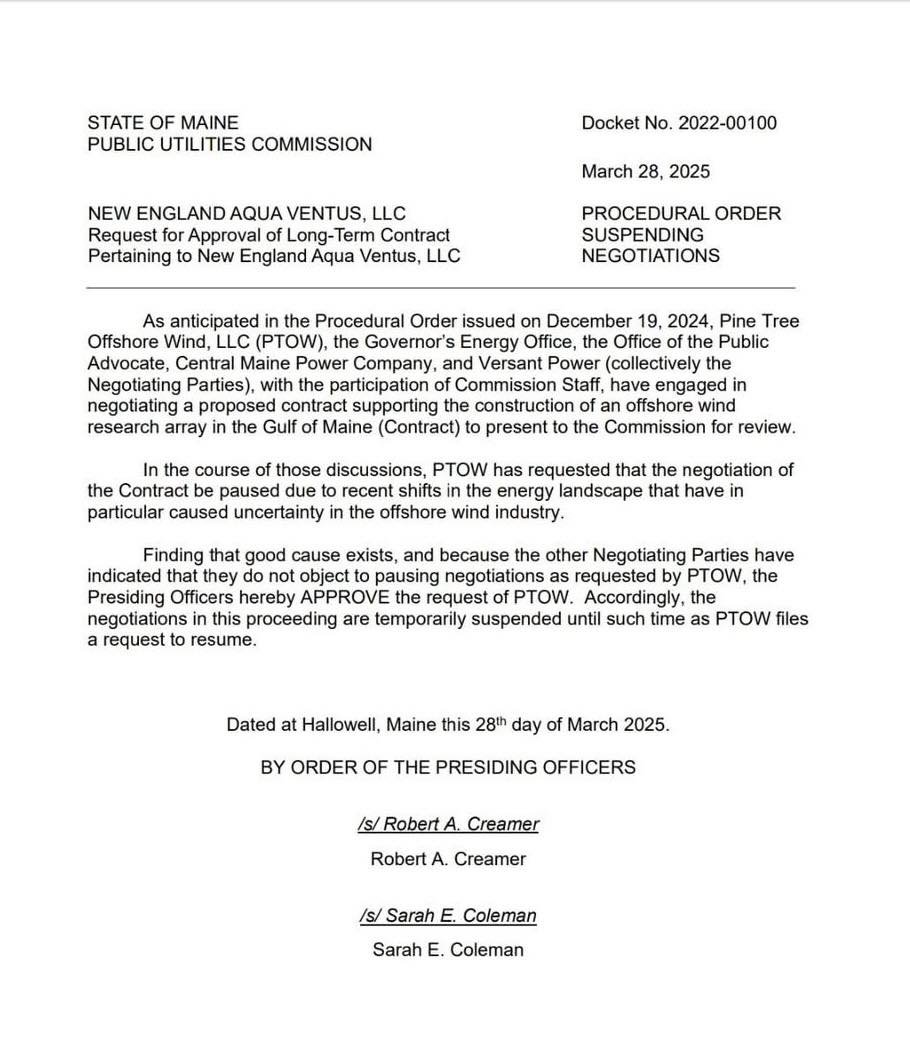
In this case, it’s a State of Maine research project for up to 12 floating turbines. This type of project is not viable without large subsidies which are apparently not forthcoming. See the Notice below.
In February, EPA Region 2 asked the agency’s Environmental Appeals Board to remand Atlantic Shores’ air emissions permit back to the Region for reconsideration. That remand (attached) was granted on 14 March over the objections of Atlantic Shores Offshore Wind.
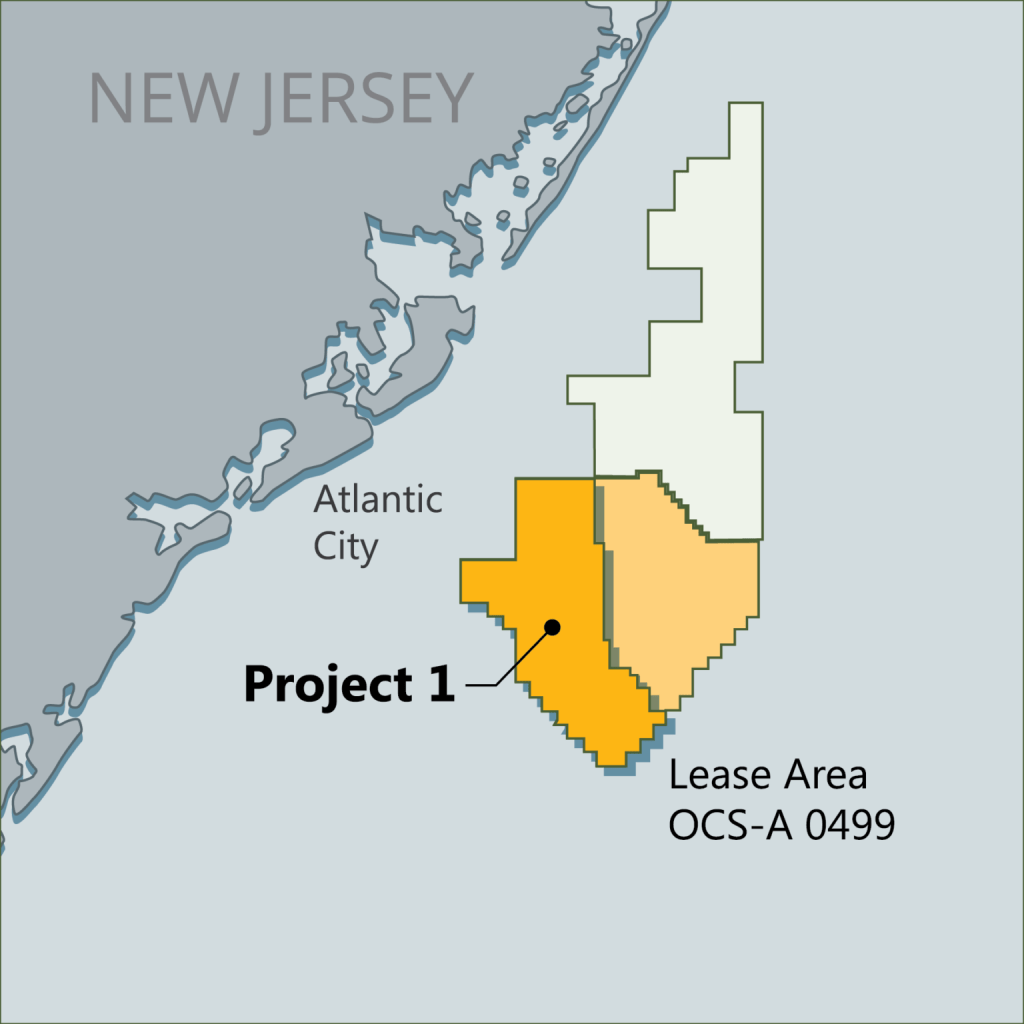
Atlantic Shores Offshore Wind still exists despite the exit of 50% partner Shell and a $940 million write down by the remaining owner EDF. The diagram depicts Atlantic Shores South (0499) and North (0549) lease areas.
EDF intends “to preserve the company and its future development.” Whether or not they can hold the leases indefinitely without pursuing development remains to be seen. BOEM’s diligence regulations for offshore wind projects are vague, and neither the Construction and Operations Plans nor BOEM’s Record of Decision (Atlantic Shores South) include work schedules.
Does EDF have the right to sit on the lease until the financial and regulatory environment is attractive? That is not allowed for oil and gas leases, and rightfully so. (See a related post on Total’s wind lease.)
The analysis does account for emissions related to and resulting from blade failures, which would warrant emergency repairs or replacement activities.
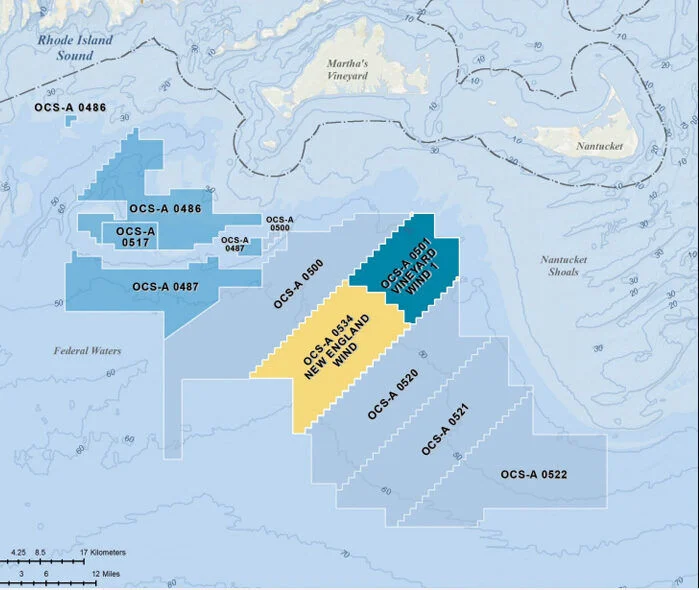
The decision to group Vineyard Wind 1, New England Wind 1 and New England Wind 2, as a single stationary source is both legally questionable and could have the effect of masking localized emission spikes.
Insufficient consideration of cumulative vessel emissions could lead to 1-hour NO₂ exceedances.
The emissions from pile driving are not adequately modeled in isolation or synergistically.
Juergen Maier, chairman of GB Energy, “a planned British government-owned renewable energy investment body,” is promising to revive Aberdeen with “green energy” jobs, and to create “something special for the years ahead.”
Maier: “Floating offshore wind, green hydrogen, and carbon capture should be as synonymous with Aberdeen’s future as oil and gas have been with its past.” This is an interesting comment given that the success of the industries he is promoting is far from assured; nor is the continuation of government edicts and subsidies on which they are dependent.
How many times have we been told that the government driven energy transition would create thousands of jobs? How many workers in economically important industries have been told to transition to politically favored professions? How many Keystone Pipeline workers found the promised “green energy jobs?” Why were coal miners condescendingly told to “learn to code?”
“We need more of it because even the most ardent supporters of renewable energy, the most vocal proponents of net zero, quietly admit oil and, especially, gas will be needed for a couple of decades at least. That obvious truth, that inarguable necessity, is not, apparently, enough for ministers to encourage UK production, however, or temper their rhetoric around renewables.“
“Allowing our rigs and refineries to power down and relying on other countries to keep the lights on still seems a little, well, counter-intuitive. We will import oil and gas but not produce it while happily exporting contracts, skills and jobs overseas? The practical impact of Labour’s refusal to grant new exploration licences in the North Sea might remain unclear but the message it sent was absolutely crystal.“
The oil industry has a long history of dealing with the correlative rights issues associated with oil drainage from competitive reservoirs. Similar issues are arising in the offshore wind industry.
Orsted claims that four nearby wind farms in the Irish Sea could result in a drop in Orsted’s annual energy production of up to 5.34%, and is seeking mitigation or compensation.
This is all rather familiar to the oil industry and its regulators, particularly the call for compensation!
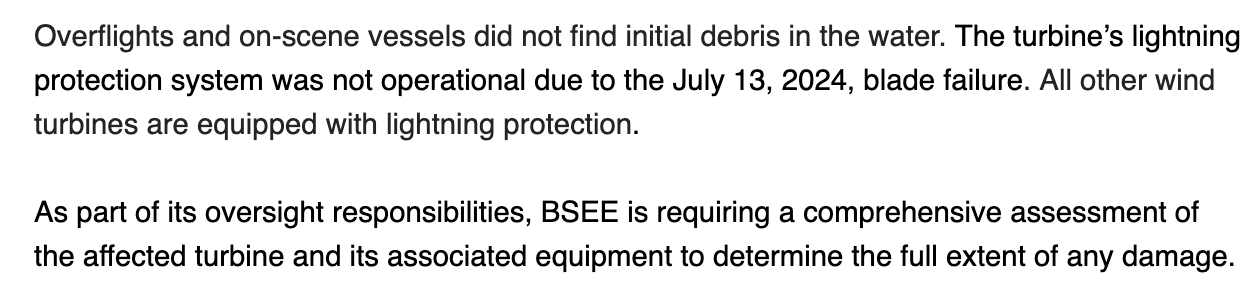
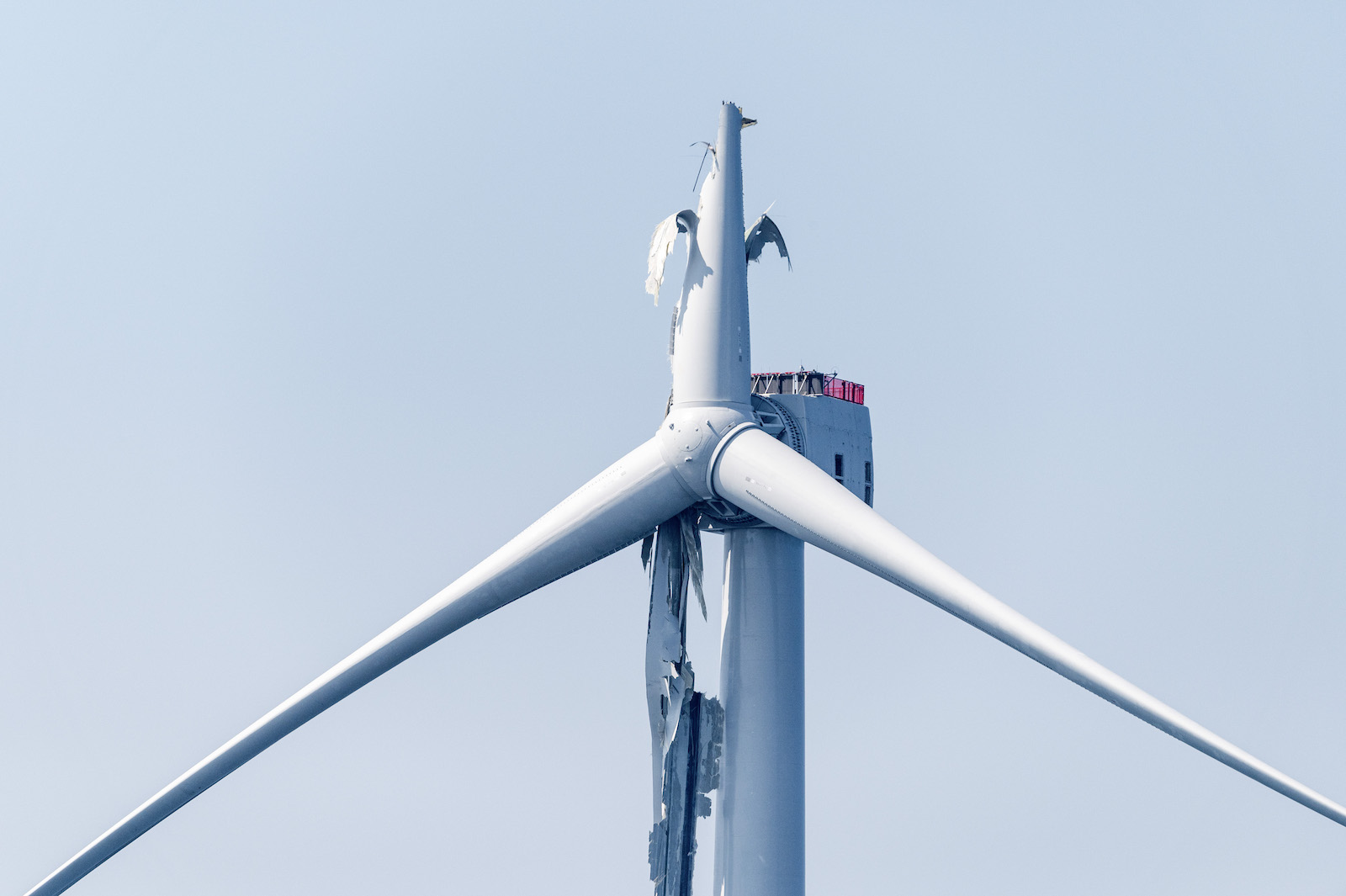
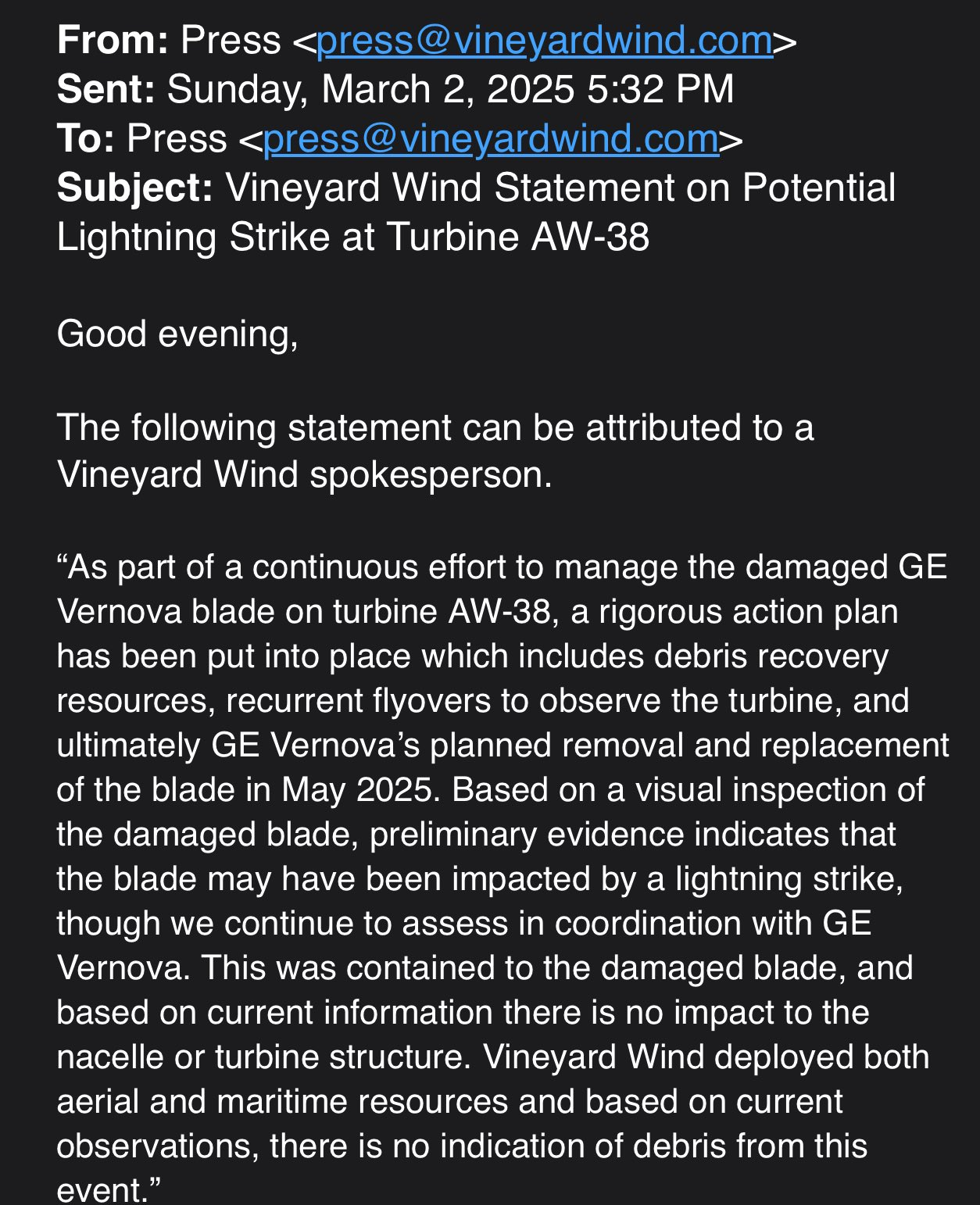
The same Vineyard Wind turbine blade that failed last summer has now been struck by lightning:
“Lightning struck the fractured stub of Vineyard Wind’s broken turbine blade in the early morning hours on Friday (2/27), according to representatives from Vineyard Wind and the Coast Guard. It was the remnants of the broken blade that snapped this July that were still attached to the turbine.”
“It appears the town (Nantucket) was not informed of the lightning strike by Vineyard Wind until it received media inquiries about it, over 48 hours after it happened.”






 Bud's Offshore Energy (BOE)