The same Vineyard Wind turbine blade that failed last summer has now been struck by lightning:
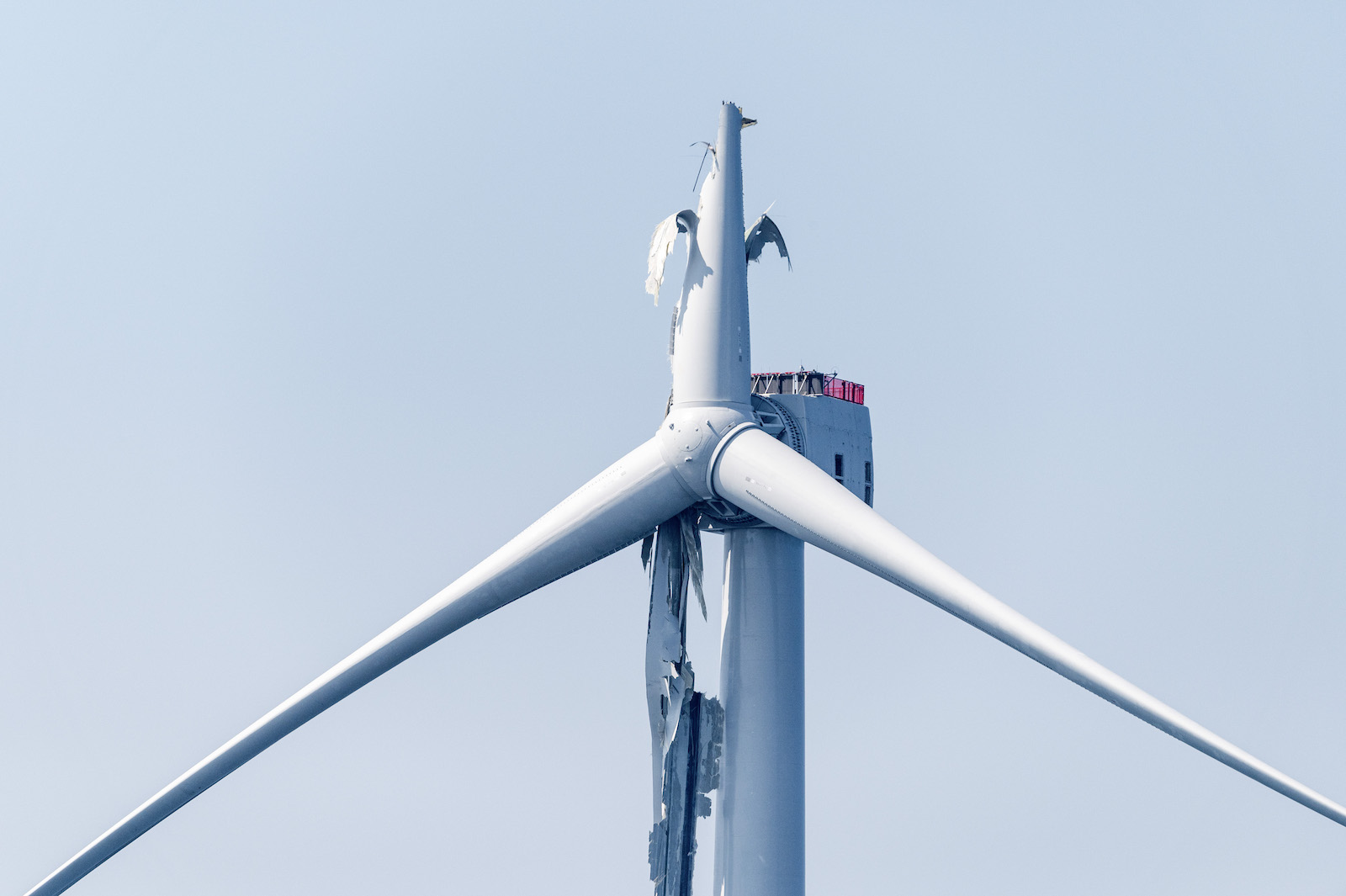
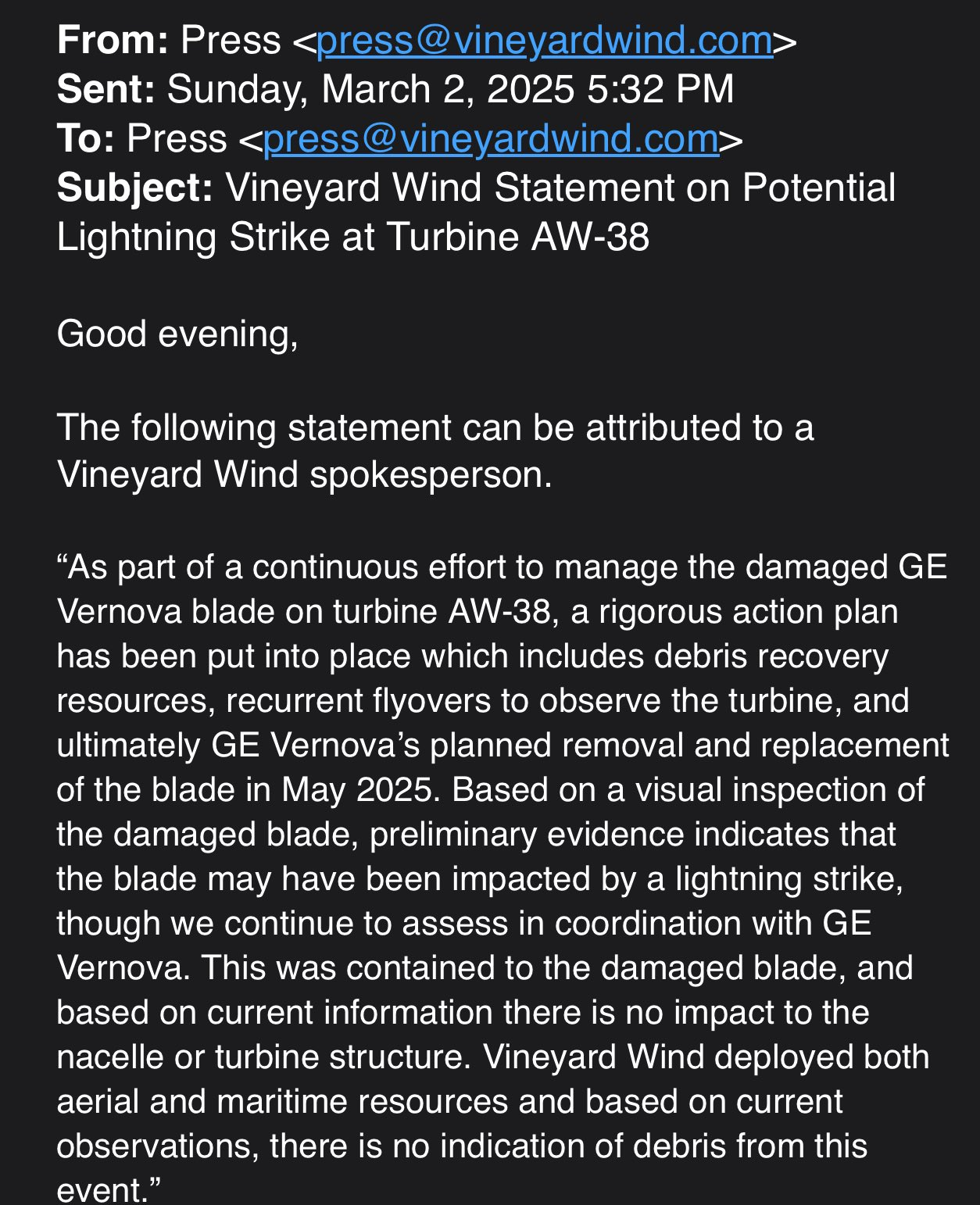
“Lightning struck the fractured stub of Vineyard Wind’s broken turbine blade in the early morning hours on Friday (2/27), according to representatives from Vineyard Wind and the Coast Guard. It was the remnants of the broken blade that snapped this July that were still attached to the turbine.”
“It appears the town (Nantucket) was not informed of the lightning strike by Vineyard Wind until it received media inquiries about it, over 48 hours after it happened.”
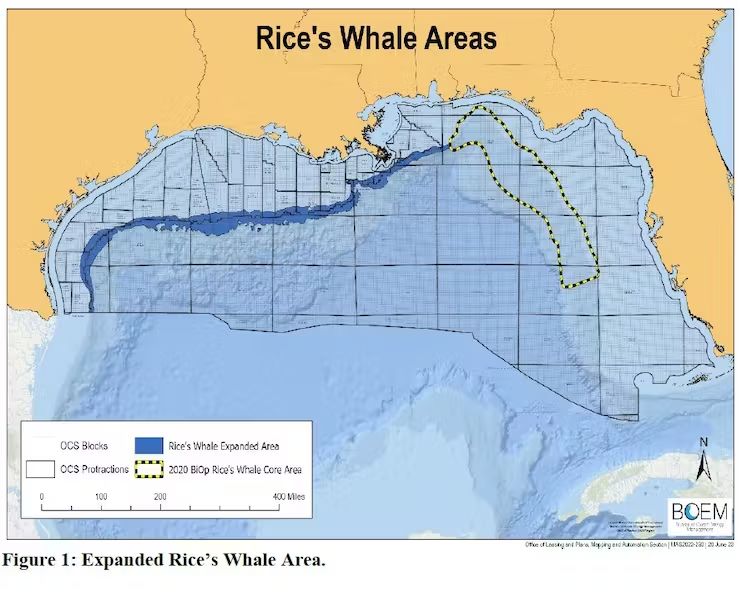
Although Rice’s Whale lease stipulations were deleted from Sale 261 leases by court order, similar NTL restrictions remained in effect for all oil and gas operations in the Gulf of America. Those NTL restrictions, some of which may be excessive and premature, have now been rescinded.
A previous post compared the Rice’s Whale restrictions applicable to Gulf oil and gas operations with the less onerous Right Whale restrictions for the Atlantic wind industry.
Of course, this is not the end of the Rice’s Whale dispute. A Federal judge in Maryland has ordered the National Marine Fisheries Service’s (NMFS) to prepare a new biological opinion that better protects the Rice’s whale. The deadline for the new biological opinion was extended to May 21, 2025. After that date, no new Gulf leases may be issued and no new operating plans may be approved pending a new biological opinionthat is acceptable to the Court.
Posted on Facebook by the Wayne County, Nebraska Sheriff’s Office:
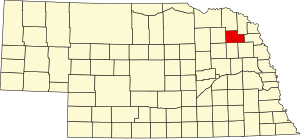
“On 02-22-25, the Wayne County Sheriff’s Office responded to a report of two work-related fatalities.
South of Winside, NE, a wind turbine maintenance crew experienced an equipment failure, which resulted in two men falling from a turbine. Eddy Noriega Sebinet (age 46) and Raidel Justiz Noriega (age 37) were pronounced deceased at the scene.
The Wayne County Sheriff’s Office was assisted at the scene by the Winside Volunteer Fire Department.
Now that the favored wind industry is struggling, the Washington Post is conveniently endorsing an “all of the above” energy policy and urging Interior Secretary Burgum to “stand up for wind energy.” Where was this support for “all of the above” when offshore oil and gas leasing was halted, important pipeline approvals were being denied, States were banning hydraulic fracturing, nuclear plants were stalled, and coal workers were being told to “learn how to code?”
WP: “Opponents of wind power — many of them tied to the fossil fuel industry — have taken note and are furiously lobbying the government to block projects already under construction, as well.”
Comments:
The fossil fuel industry is frequently accused of supporting groups that oppose wind energy, yet names and details are never provided.
Most opponents of offshore wind are members of grass roots groups that have no connection to the oil and gas industry.
Supporting anti-wind groups would be foolish from legal, political, and public relations standpoints.
Wind opposition would also be contrary to the business plans of most oil and gas companies, some of which are/were major wind energy investors.
Lastly, most anti-wind groups are also opposed to offshore drilling. Would “Big Oil” fund groups like this?
WP: “China’s capacity for wind power is already three times that of the United States.”
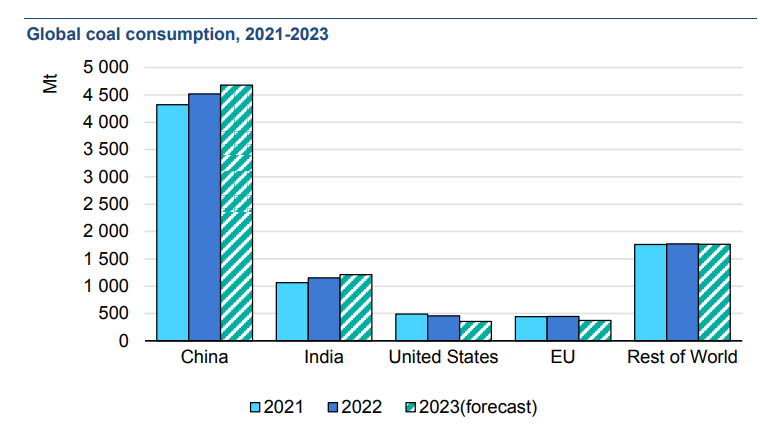
Comment: Does this make China an environmental leader? Does the WP also support China’s world-leading and still growing coal consumption (see below)?
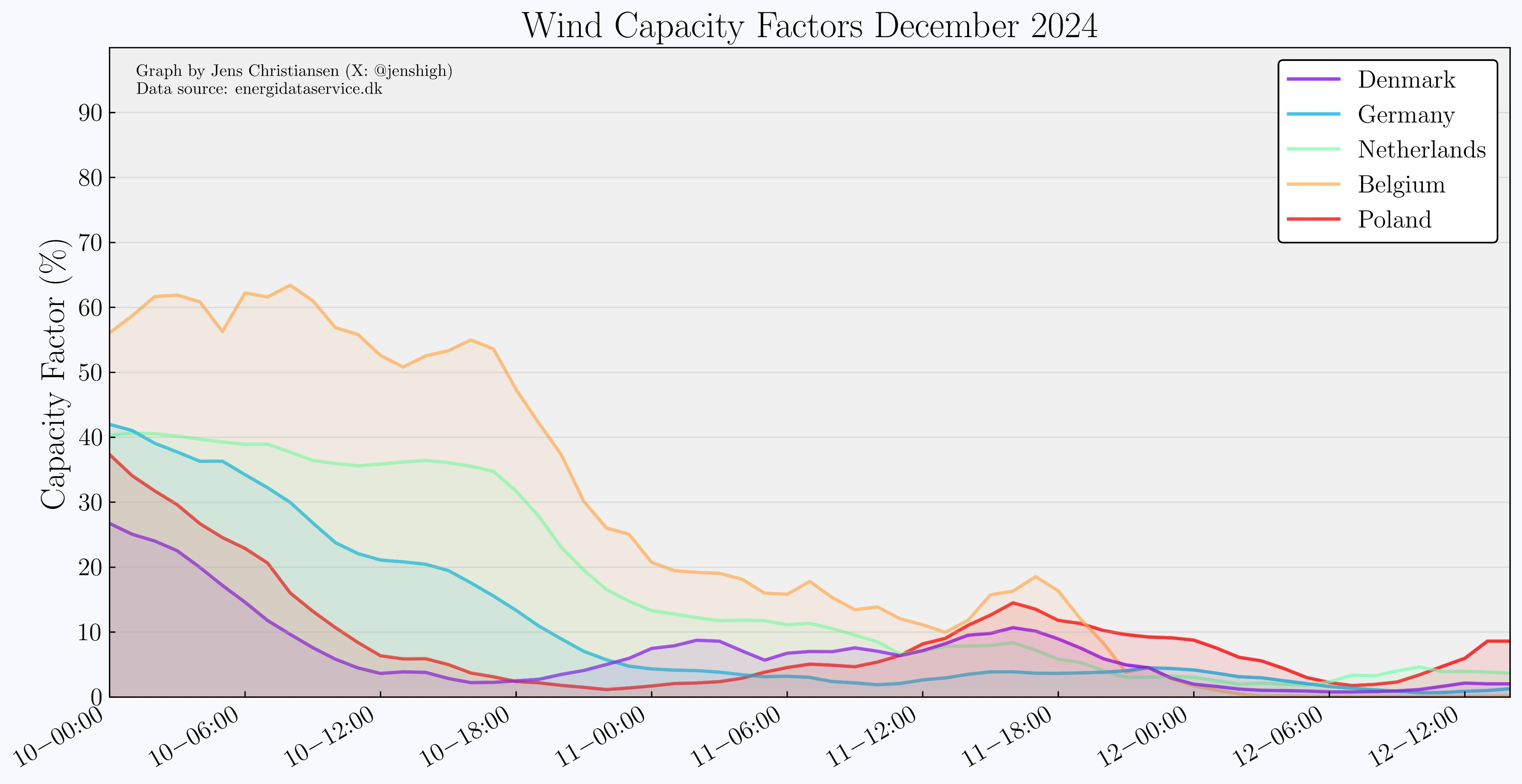
WP: “Denmark derives about 60 percent of its total energy from wind.”
Comment: Is the WP unconcerned about the intermittency of wind power, the dramatic fluctuations in capacity factors, and the need for alternate power sources, typically coal and natural gas? How do these wind capacity factors look (chart below)? Does the WP support other Danish climate policies like the tax on cow emissions?
Groups and individuals opposing Atlantic wind projects sent the attached letter to Interior Secretary Doug Bergum asking for the withdraw of wind permits.
The groups cite serious problems with the National Marine Fisheries Service (NMFS) Letters of Authorization (LOA) for Incidental Take of endangered and threatened species. The LOAs authorized cumulative Takes of 548 individuals from a population of around 338.
The groups’ “no list” (project analysis deficiencies):
No EIS for the NMFS Incidental Take Authorization
No consideration of the impact of harassment in the Biological Opinion including cumulative impacts
No harassment authorization for the turbine installation ship
No consideration of using suction caissons instead of pile driving
No consideration of sediment plumes from ocean currents flowing through wind facilities
No assessment of a project’s contribution to the overall effects of multiple wind projects
No consideration of continuous operating noise
No consideration of physical presence-based harassment
We “feel misled” Nantucket Select Board member Dawn Hill Holdgate gives State Rep Thomas Moakley and State Sen. Julian Cyr an earful on Vineyard Wind.
“We as a board, and the community at large even more vehemently, really feel misled by the representations we were given back in 2020…”
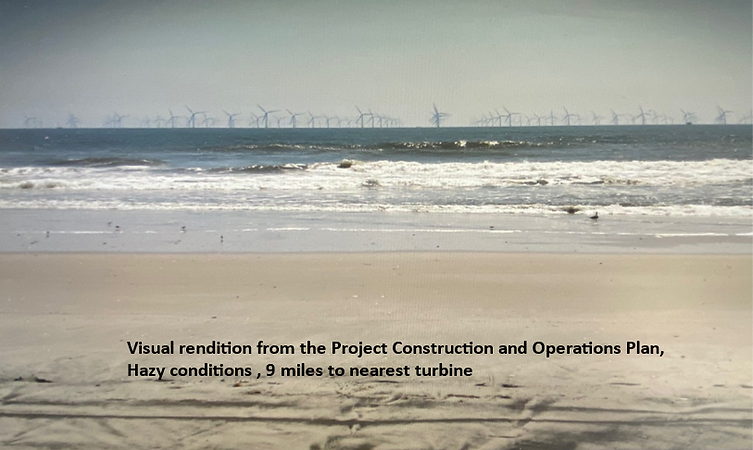
“The visual simulations we were given were not accurate.”
“The promises on the lighting, they have been fully lit for quite a long time now. That never should have happened.”
“The safety and the environmental impacts on the sea life are just far greater than the information we were provided when we were offered a financial settlement based on just the visual impact on our historic landmark, which is far more impactful than the simulations we were shown.”
Blade replacement update: “They’ve removed four complete sets to date,” Nantucket Select Board chair Brooke Mohr said tonight. That would mean 12 of the 66 compromised blades Vineyard Wind is required to remove have been taken down.
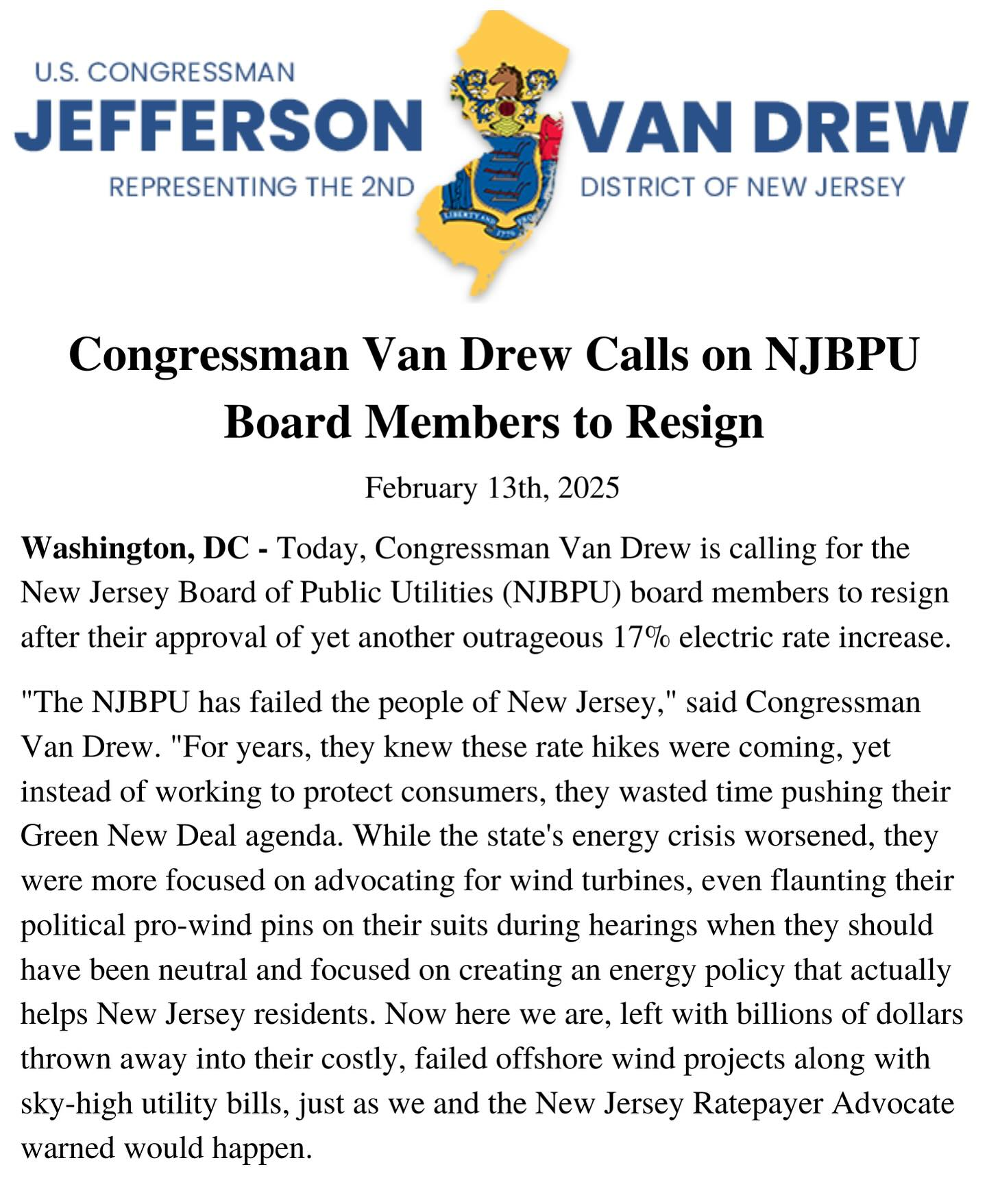
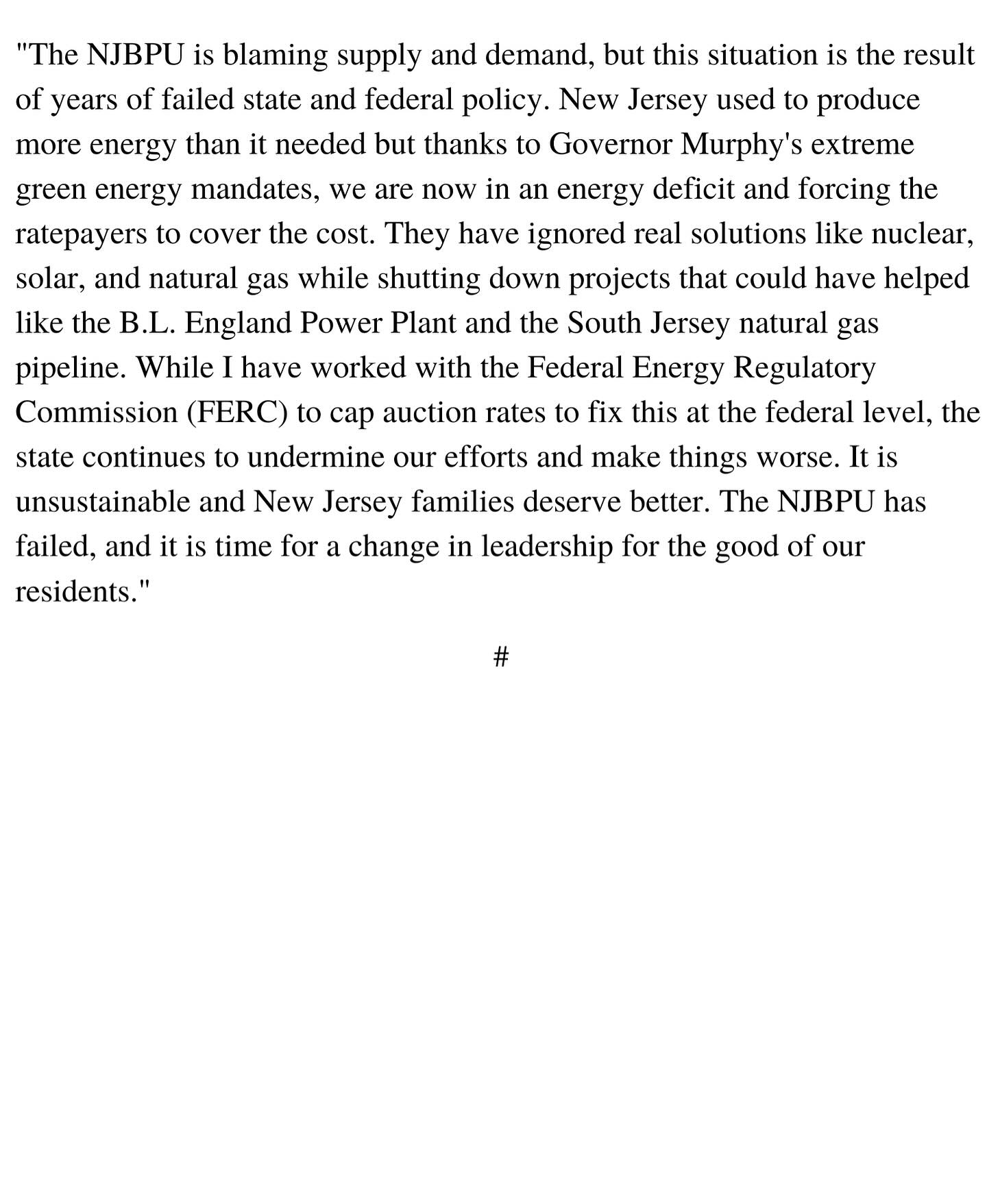
WSJ: “How many multibillion-dollar projects must go bust before a Governor comes to his senses? The answer is blowing in the wind, but New Jersey’s Phil Murphy doesn’t seem to be listening.”
Ouch!:Note how it’s always the developers that give up on these projects and never the state, despite the awful prospects for ratepayers. Gov. Murphy has treated renewable energy as a sacred cause no matter the costs since 2018. That includes a bill he signed to let Ørsted pocket federal credits it had promised to pass on to customers, though he clawed money back when the projects died.”
“The NJ Board of Public Utilities will not proceed with an award in New Jersey’s fourth offshore wind solicitation,” said Christine Guhl-Sadovy, President, New Jersey Board of Public Utilities.
Not a single offshore wind turbine will be installed offshore New Jersey during the reign of Gov. Murphy, a leading proponent of offshore wind. How much did his wind advocacy cost NJ taxpayers?
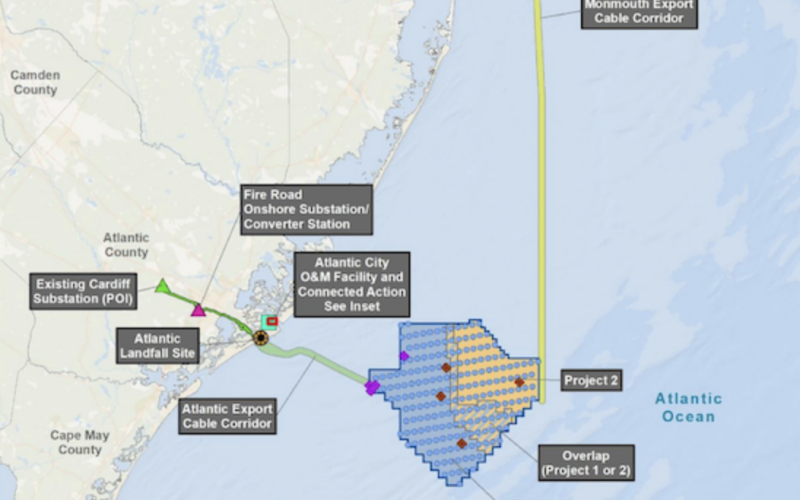
In their quarterly earnings report released on Jan. 30, Shell disclosed a $996 million impairment associated with their withdraw from the controversialAtlantic Shores wind project offshore New Jersey.
Shell is no longer a participant in any US offshore wind projects. This leaves Equinor (2/3 Norwegian govt ownership) as the only major oil company pursuing US offshore wind development.
Those Atlantic states that have linked their economic future to offshore wind better be reassessing their energy strategy.