Feeds:
Posts
Comments

Archive for the ‘Offshore Wind’ Category

(from the BOE archives)

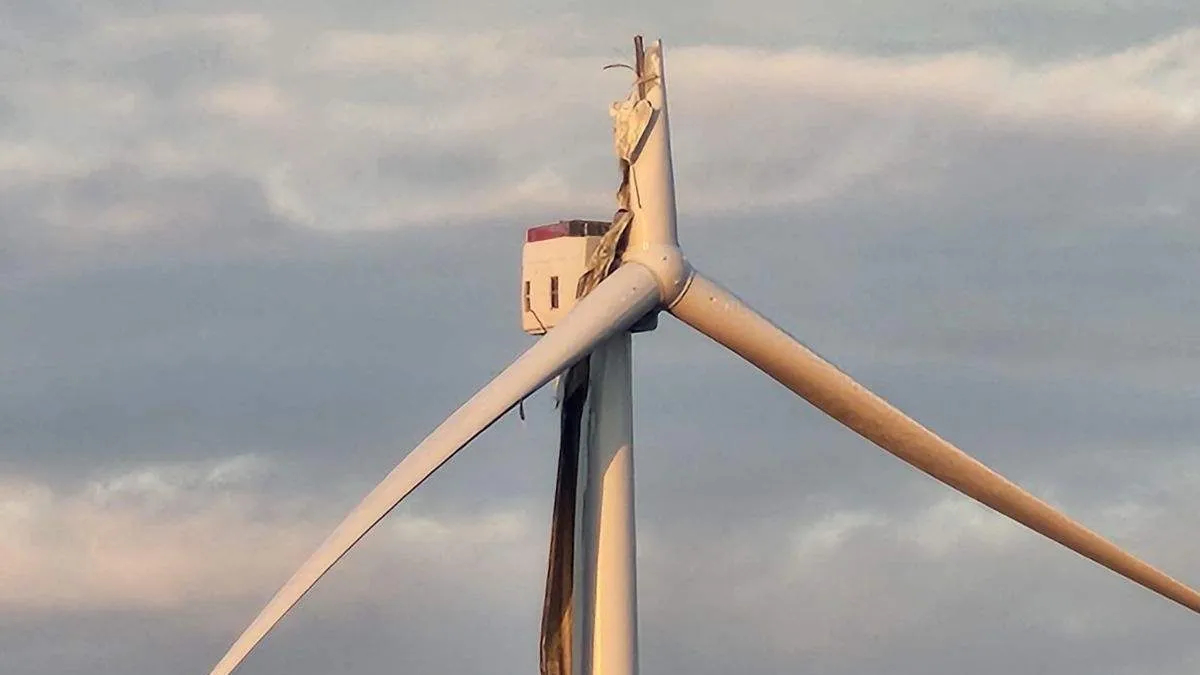
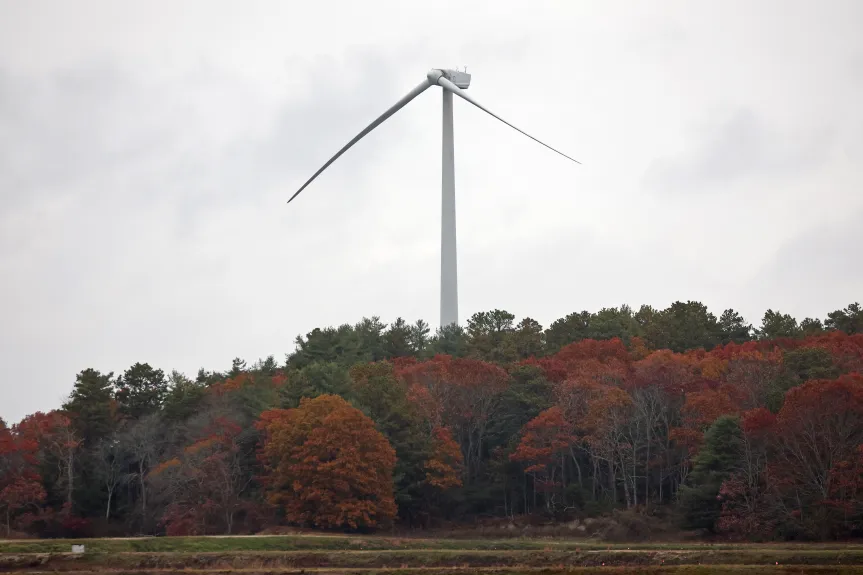
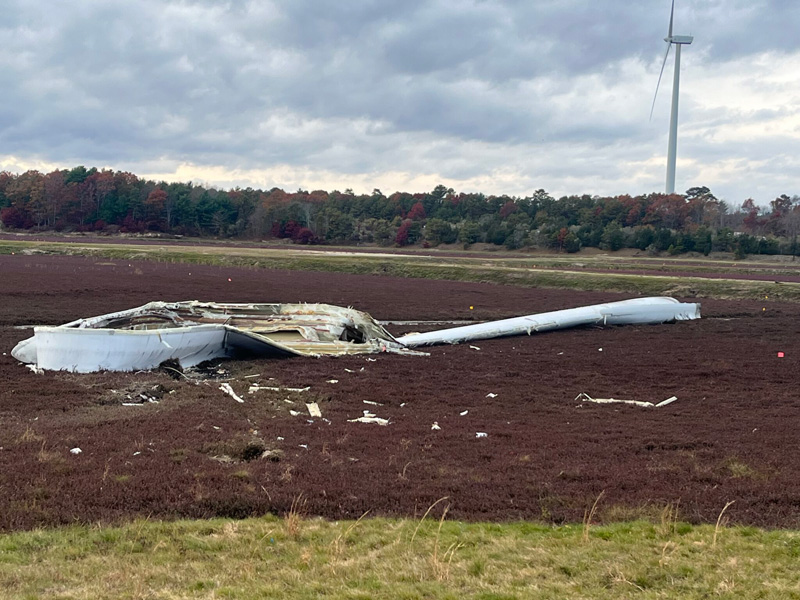
Vineyard Wind’s finest! Note the blade failures!

Wild Well Control!

Our North Atlantic District crew, Hyannis, Halloween 1981 <sigh>

Read Full Post »

The Dept. of the Interior is currently reconsidering approval of the Construction and Operations Plan for the Maryland Offshore Wind Project (US Wind).

Attached is a court filing challenging Delaware’s approval of the Coastal Construction Plan for that project. Some interesting points from the filing:

  • Maryland local governments declined to allow the transmission lines from the Maryland Offshore Wind Project to come ashore in their jurisdictions.
  • The Governor of Delaware agreed to allow the transmission lines to make landfall at the Delaware Seashore State Park.
  • The transmission pipelines would then traverse the adjacent Delaware Bays, to an inland substation, from which the power would be sent to Maryland.
  • US Wind applied for a number of permits from the Delaware Department of Natural Resources (DNREC) specific to horizontal directional drilling, laying cable pipelines, and other coastal construction activity.
  • The approval process, including provisions for public input, was not consistent with State regulations.
  • The Secretary’s decision to issue the beach construction permit is supported virtually exclusively by documents which were submitted by US Wind after the close of public comment.
  • Decommissioning and financial assurance information, a favorite BOE topic for both wind and oil/gas, was submitted after the close of the public record.

Read Full Post »

US offshore wind policy went from this (12/11/2023):

To this (9/16/2025):

US offshore wind update:

  • Govt cheerleading is out. Govt scrutiny is in.
  • Fast tracking is out. Revisiting past approvals is in.
  • Concessions and waivers are out. Financial assurance is in.
  • Wind advocacy is out. Grass roots opposition is in.
  • Intermittency is out. Dispatchable power is in.
  • Subsidies are out. Component tariffs are in.
  • Shell and bp are out. Equinor is still in.
  • Pile driving is out. Whale protection is in.
  • Space preemption is out. Energy density is in.
  • Navigation hazards are out. Commercial fishing is in.
  • Towers and flashing lights are out. Viewshed preservation is in.

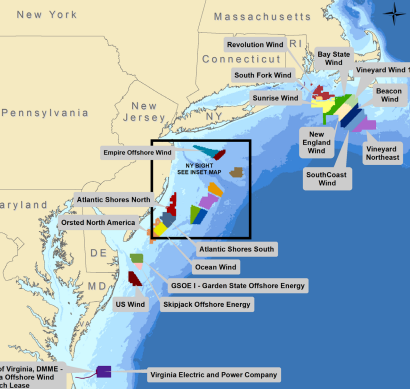
The long list of US offshore wind projects has diminished:

Yale Environment 360 diagram

Read Full Post »

JL Daeschler informs that UK offshore wind energy is 82% foreign-owned. Foreign companies are thus the primary beneficiaries of the UK’s generous renewable energy subsidies (chart below).

David Turner comments as follows in his informative piece on UK wind energy:

We have been warning for some time that it is crazy for a developed economy to try and run its electricity generation system using technologies that are dependent on the weather. Even though there has been only a relatively modest decline in wind output this year, the operators and owners of wind farms are learning the hard way that it is very difficult to run a business that is at the mercy of the vagaries of the weather. Many of these companies are up to their eyeballs in debt. They better hope the wind blows hard this Autumn and Winter so they can collect higher subsidies, or they will be in real trouble.

We have consistently raised concerns about decommissioning financial assurance for offshore wind facilities. Turner echoes those concerns noting that the wind industry’s perilous finances are an even bigger reason to insist that proper funds are set aside to fund decommissioning or the long-suffering taxpayer will be on the hook for another hidden cost of renewables.

Read Full Post »

Kudos to Scotland Against Spin (SAS) for compiling and updating turbine incident data. Their latest summary through Sept. 30, 2025 is attached. Their detailed historical table (334 pages) is linked.

The SAS data indicate that the number of wind turbine incidents has risen sharply in recent years (see chart below). The increased number of turbines worldwide, and perhaps better news coverage of incidents, presumably contributed to the sharp increase. Nonetheless, the growing number of incidents is disconcerting, as is the absence of industry and government summaries and reports.

SAS acknowledges that their list, which is dependent on publicly available reports, is merely the “tip of the iceberg.” For example, the list does not include the June 2, 2025, Empire Wind project fatality.

The SAS list does capture the 2018 collapse of the Russell Peterson liftboat, which was collecting data offshore Delaware for a wind project. One worker died and another was seriously endangered. The Coast Guard never issued a report on this tragic incident. Serious questions remain about the positioning of a liftboat in the Mid-Atlantic for several months beginning in March when major storms are likely, the liftboat’s failure mechanisms, the operator’s authority to be conducting this research, and the actions that were taken in preparation for storm conditions.

Liftboat Russell Peterson, May 12, 2008

Read Full Post »

Read Full Post »

Interesting Univ. of Portsmouth crabs study:

This study provides the first evidence that EMFs typical of SPCs elicit sex-specific behavioral responses in C. maenas. Females exhibited significantly greater attraction to EMF zones and avoidance of low-field zones, suggesting higher exposure risk. These differences could affect migration, mating, and larval release, with consequences for population dynamics. 

Read Full Post »

A long-time colleague is very familiar with Judge Lamberth, a Reagan appointee, and thinks highly of him. Orsted has a lease contract, and no matter where you stand on offshore wind, you have to have a compelling case to halt a project that is in the advanced stages of development. Judge Lamberth ruled that the govt doesn’t have such a case. Per the judge:

  • The govt presented insufficient evidence to support alleged permit noncompliance and national security concerns.
  • The govt acted in an “arbitrary and capricious” manner.
  • “If Revolution Wind cannot meet benchmark deadlines, the entire project could collapse.”
  • “There is no doubt in my mind of irreparable harm to the plaintiffs.”

Projects under development will be difficult to pause or stop. The Administration should focus on requiring sufficient decommissioning financial assurance, monitoring and mitigating project impacts, making incident data publicly available, issuing the report on the Vineyard Wind blade failure (finally!), and improving the availability of dispatchable power (i.e. natural gas and nuclear).

Read Full Post »

Judge Royce Lamberth granted an injunction allowing Orsted to resume work on the Revolution Wind project. BOEM halted work on the project one month ago.

Read Full Post »

See below. BOEM is reconsidering its approval of the Construction and Operations Plan (COP) for New England Wind 1 and 2. The operator, Avangrid (Spain), is also a partner in the troubled Vineyard Wind project.

If you are keeping score, the approval of these COPs is being reconsidered:

Other projects: Work has been stopped on the Revolution Wind project. Work was previously halted on the Vineyard Wind and Empire Wind projects, but has been allowed to resume. BSEE has still not published its report on the Vineyard Wind turbine blade failure that occurred on 7/13/2024. Other projects have been suspended by the owners at their own initiative (e.g. Atlantic Shores South, Gulf of Maine, Starboard Wind, Vineyard Wind 2, Beacon Wind). Meanwhile, litigation abounds!

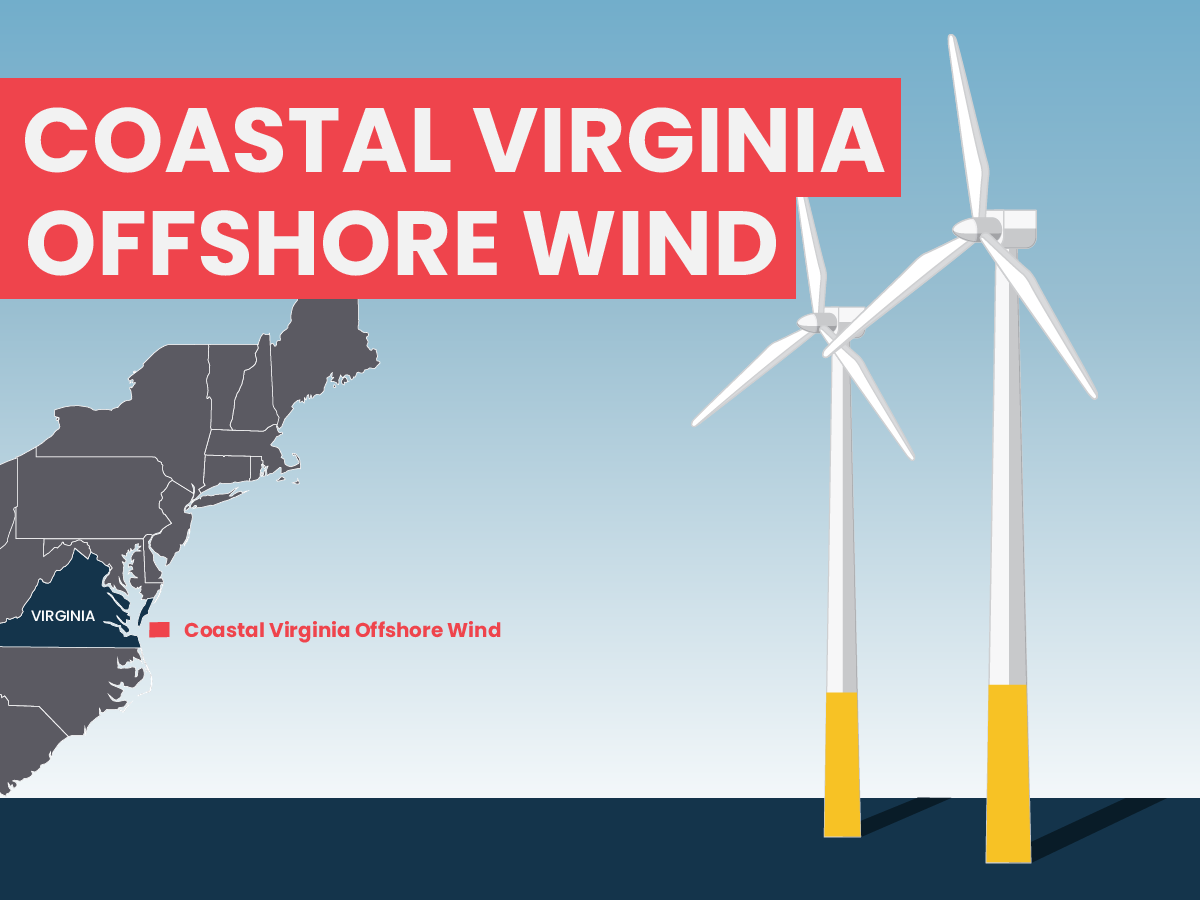
Coastal Virginia Offshore Wind is the project with the most assured long-term future.

Read Full Post »

« Newer Posts - Older Posts »