Photo courtesy of our Mexican correspondent Andrew Konczvald.

Posted in Mexico, Uncategorized, tagged Mexico City, Popocatepetl volcano on May 28, 2023| Leave a Comment »
Posted in Offshore Energy - General, Uncategorized, tagged Mothers Day, Offshore Moms on May 14, 2023| Leave a Comment »
Posted in energy, energy policy, Offshore Energy - General, Regulation, Uncategorized, tagged Chevron Doctrine, offshore energy, Regulation, Supreme Court on May 4, 2023| Leave a Comment »
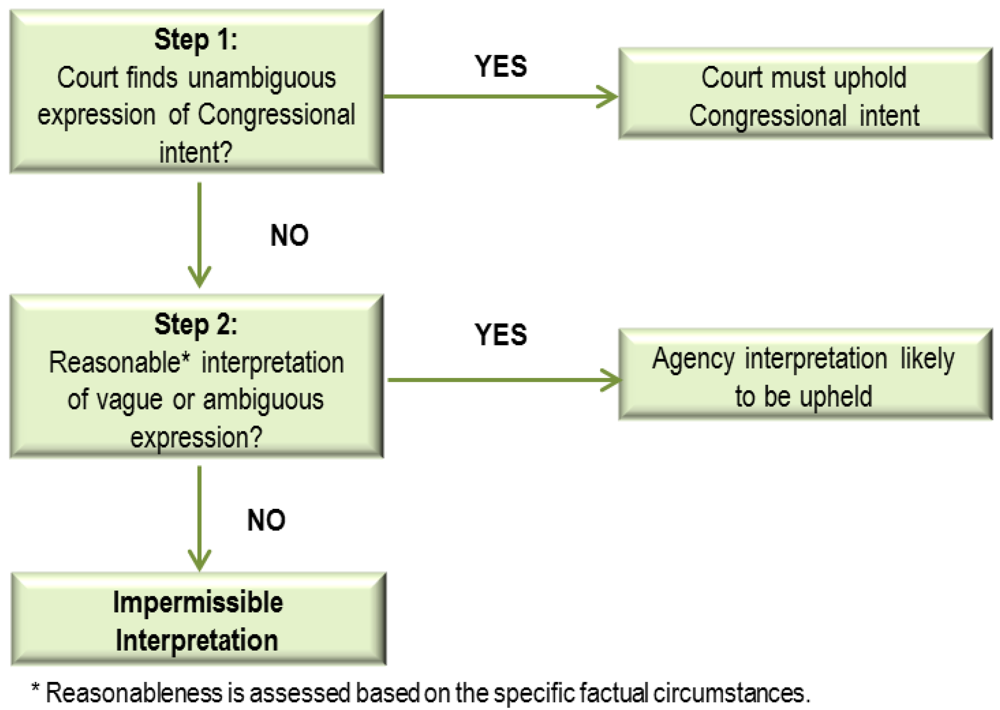
The Supreme Court will hear a case that could significantly scale back federal agencies’ authority, with implications for regulations affecting the US offshore program. The court could overturn a precedent known as the “Chevron doctrine” that instructs judges to defer to federal agencies when interpreting ambiguous federal laws.
Few Supreme Court doctrines have been stretched more by regulators and lower-court judges than Chevron deference, which says judges should defer to regulators’ interpretations when laws are supposedly ambiguous. The High Court agreed Monday to give Chevron a much-needed legal review.
WSJ
One of the most important principles in administrative law, the “Chevron deference” was coined after a landmark case, Chevron U.S.A., Inc. v. Natural Resources Defense Council, Inc., 468 U.S. 837 (1984). The Chevron deference is referring to the doctrine of judicial deference given to administrative actions. In Chevron, the Supreme Court set forth a legal test as to when the court should defer to the agency’s answer or interpretation, holding that such judicial deference is appropriate where the agency’s answer was not unreasonable, so long as Congress had not spoken directly to the precise issue at question.
Cornell Law
Posted in energy, Uncategorized, tagged Mobil, Mobiloils, pegasus, Philadelphia, Socony on April 28, 2023| Leave a Comment »

I saw this old picture and was intrigued by the “Mobiloils” sign. I didn’t think Standard of New York had already evolved into Mobil in 1914. A couple of Wiki excerpts explain:
Following the break-up of Standard Oil in 1911, the “Standard Oil Company of New York” (or ‘Socony’) was founded, along with 33 other successor companies.
Socony merged with Vacuum Oil Company to form Socony-Vacuum. Vacuum Oil had used “Mobiloil” automobile lubricating oil brand since 1904, and by 1918 it became recognizable enough that the company filed it for registration as a trademark (it was registered in 1920)
Note that the Mobil Pegasus was trademarked by Vacuum Oil Company of South Africa.


Posted in Uncategorized, tagged American Pie, Yoon Suk Yeol on April 27, 2023| Leave a Comment »
Posted in climate, Offshore Energy - General, Uncategorized, tagged Science, seamounts, volcanoes on April 24, 2023| Leave a Comment »
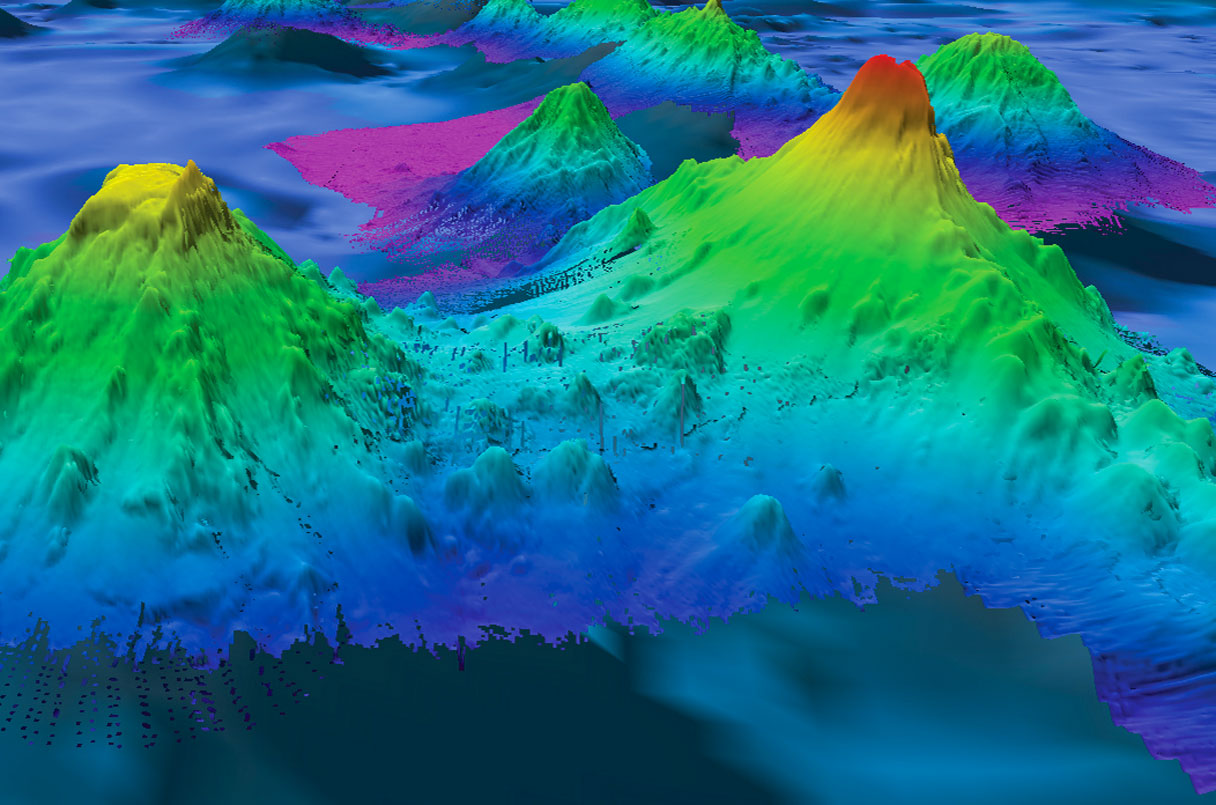
This Science article underscores how little we know about the oceans.
With only one-quarter of the sea floor mapped with sonar, it is impossible to know how many seamounts exist. But radar satellites that measure ocean height can also find them, by looking for subtle signs of seawater mounding above a hidden seamount, tugged by its gravity. A 2011 census using the method found more than 24,000. High-resolution radar data have now added more than 19,000 new ones. The vast majority—more than 27,000—remain uncharted by sonar. “It’s just mind boggling,” says David Sandwell, a marine geophysicist at the Scripps Institution of Oceanography, who helped lead the work.
Besides posing navigational hazards, the mountains harbor rare-earth minerals that make them commercial targets for deep-sea miners. Their size and distribution hold clues to plate tectonics and magmatism. They are crucial oases for marine life. And they are pot-stirrers that help control the large-scale ocean flows responsible for sequestering vast amounts of heat and carbon dioxide, says John Lowell, chief hydrographer of the National Geospatial-Intelligence Agency (NGA), which runs the U.S. military’s satellite mapping efforts.
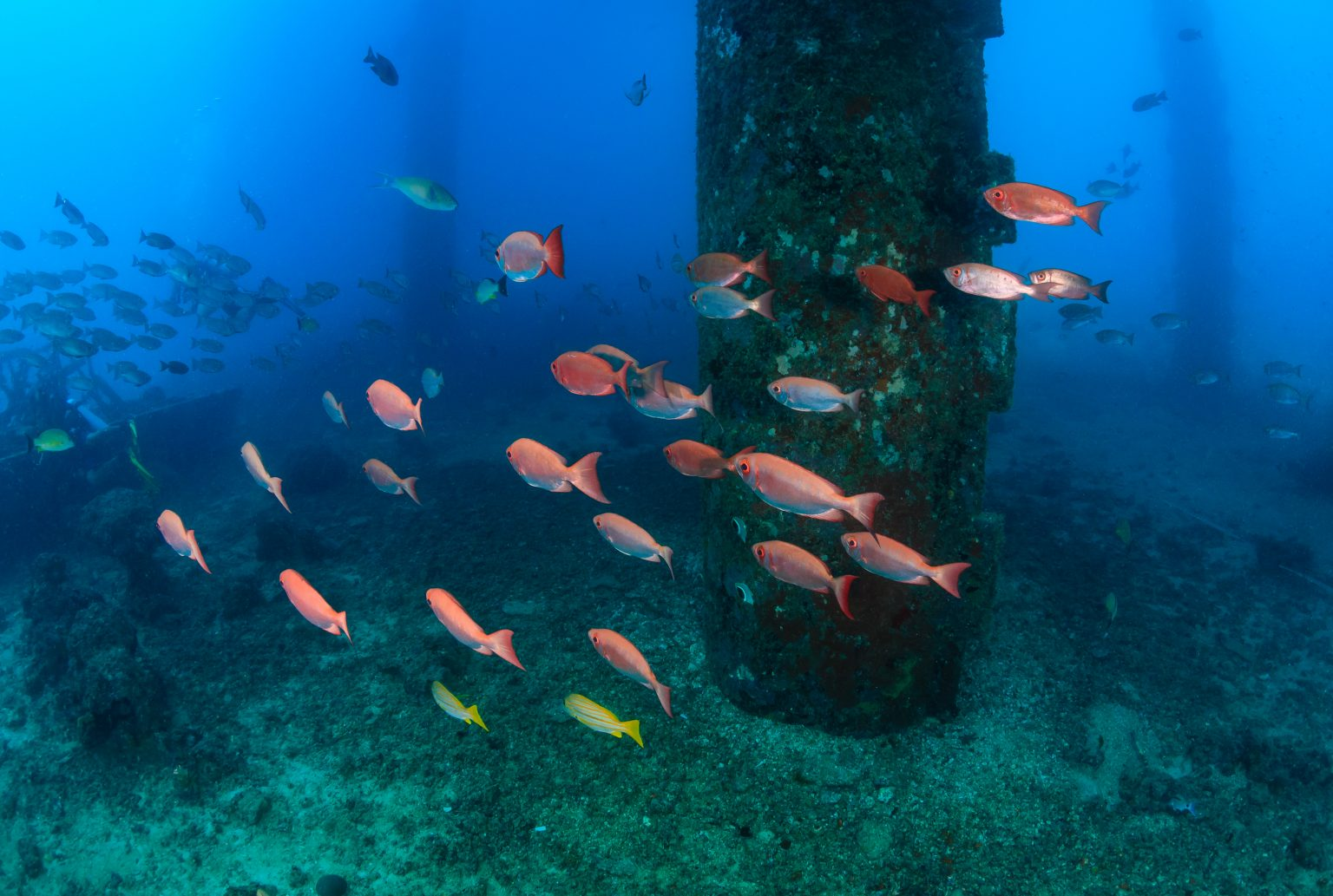
Posted in energy policy, Offshore Energy - General, Uncategorized, tagged Earth Day 2023, energy and the environment, offshore platforms on April 22, 2023| Leave a Comment »

Posted in accidents, Offshore Energy - General, Uncategorized, tagged macondo, Offshore Safety Day, safety leadership on April 19, 2023| Leave a Comment »
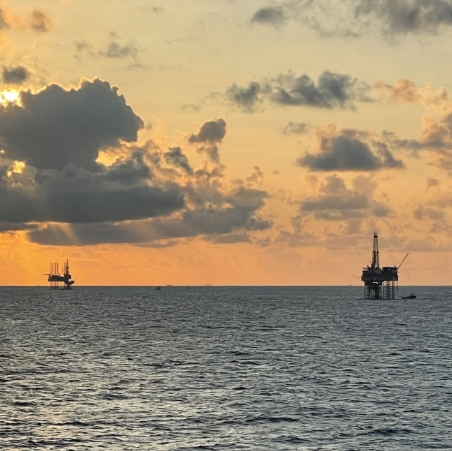
BOE continues to call for an International Offshore Safety Day each year on April 20th.
Proposal: Let’s make April 20th International Offshore Safety Day to honor those who have been killed or injured, to recognize the many workers who provide energy for our economies and way of life, and to encourage safety leadership by all offshore operators, contractors, and service companies.
BOE

Posted in Offshore Energy - General, rigs-to-reefs, Uncategorized, tagged Blue Marlin, MaritimePhoto, Rigs-to-Radar, rigs-to-reefs on April 1, 2023| Leave a Comment »
A new addition to our Rigs-to-Reefs+++ page courtesy of MaritimePhoto.


 Bud's Offshore Energy (BOE)