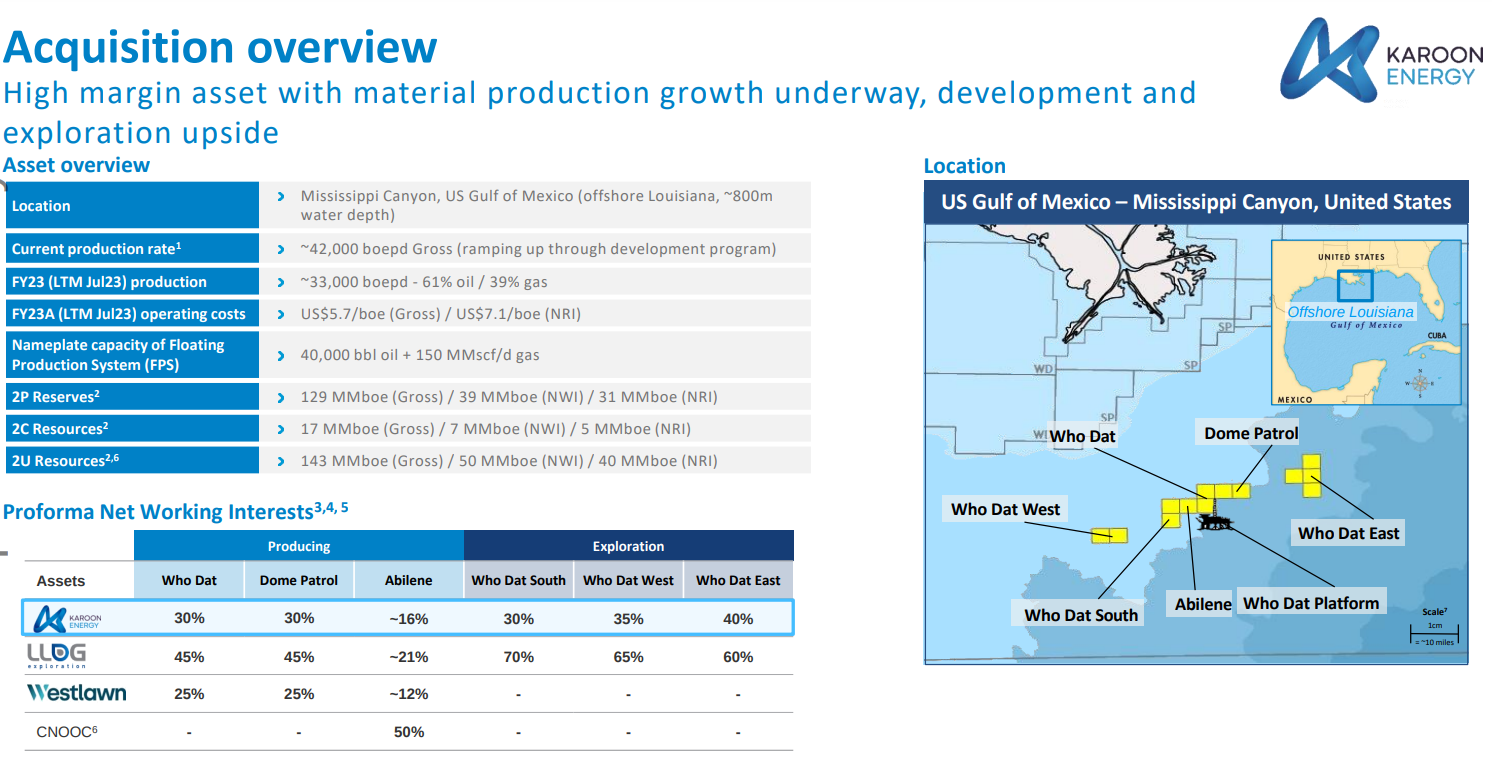
Karoon Energy, an Australian company, has entered the Gulf of Mexico in a big way by acquiring an interest in the Who Dat field (winner of BOE’s best field name award!) from LLOG. For more information on the acquisition, see Karoon’s slide at the end of this post. The full presentation is here.
To learn more about the cultural importance of ‘Who Dat,’ see the youtube clip below, or read this article. For more in-depth ‘Who dat’ history, this wiki page is quite good.
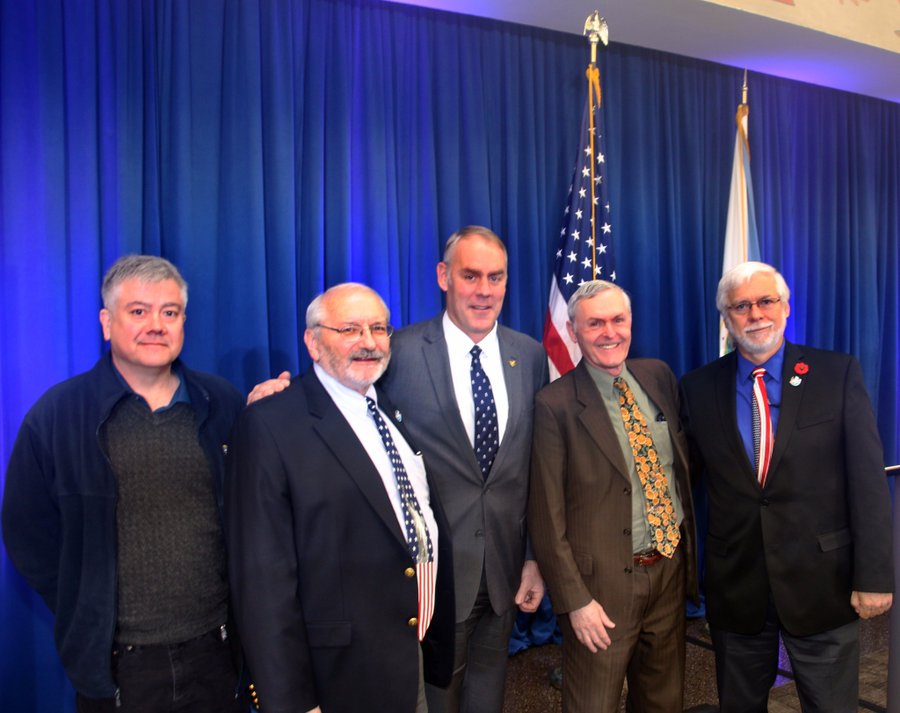
Gig Kocher (second from left) after receiving an honor award from (then) Secretary of the Interior Ryan Zinke (middle)
Gig Kocher recently retired from BSEE after an amazing 57 years of Federal service. Nine of those years were served in the US Air Force, and the remaining 48 were at the US Dept. of the Interior, mostly in the offshore oil and gas program.
Gig is a native New Yorker and a huge Yankees fan (tough year in that regard). However, it’s only fitting that a guy named Gig would eventually become a Texas A&M Aggie (“Gig ’em!”), where he earned a master’s degree in computer science back in the mainframe and punch card era.
Gig was a strategic planning wiz who excelled at concisely outlining the steps and tactics needed to achieve desired objectives. He managed major updates to the documents and information technology systems critical to the success of our offshore energy programs.
Gig will be greatly missed by the troops at BSEE. His retirement event went something like this: 😉
The official announcement provides no reasons for his departure. By all accounts, Beaudreau was highly regarded by career employees in the Department. Was he troubled by his experience in NYC and the absence of a response from DOI? Was it difficult being a lone advocate for a more balanced energy policy?
So we found the person who approved the Willow project. His name is Tommy Beaudreau and he is a climate criminal. We profoundly disrupted him five times in a single day.
We will do this to anyone who stands between us and the world we seek to build.
Andrew Konczvald’s reports from Manzanillo, Mexico about the presence of the Hidden Gem (pictured above), a converted deepwater drillship, have renewed BOE interest in deep sea mining, a topic that is full of political, environmental, legal, and operational intrigue:
Ocean mining has served as cover for a CIA mission! The Glomar Explorer was built by Howard Hughes to recover a Russian submarine beneath 16,500′ of water in the Pacific. Interestingly, some manganese, the material the Glomar Explorer was supposedly researching, was also recovered. (As a young engineer, I read fascinating trade journal articles about the Glomar Explorer and its mining capabilities. Little did I know that it was all a ruse!)
The US is not a party to the UN Law of the Seas (UNCLOS) Convention under which the International Seabed Authority (ISA) was established in 1994 to oversee deep sea mining. Purportedly, the US is reluctant to cede any high seas authority to the UN. Doing so might preclude escapades like the recovery of the Russian submarine 😉
Despite the need for metals to support their electrification goals, some environmental groups are staunchly opposed to deep sea mining. Their concerns range from disturbing the ocean’s natural carbon sink to impacts associated with noise and pollution from mineral recovery and transportation.
TMC contends that the environmental impacts and social costs associated with deep sea mining are far less than for onshore mining.
Meanwhile the Hidden Gem remains parked near Manzanillo. Stay tuned.
WP: “Chevron is acquiring oil driller Hess in a $53 billion all-stock deal announced Monday, bringing the energy giant deeper into the fossil fuel business at a time when policymakers are pressing for a broader transition to renewables.”
Comment: Many who live and work outside of the Post’s policy bubble differ on the urgency and practicality of the transition. Their primary concerns are reliable, secure, and affordable energy. Many elected representatives agree, which is why there is little national support for legislation restricting fossil fuels and imposing rigid transition timelines. Administrative actions, like the 5 year leasing plan, that handicap US offshore production are also being questioned.
And what are we transitioning to? Wind and solar are intermittent energy sources that can complement fossil fuel power generation, but not replace it. Nuclear energy has strong proponents, but faces stiff opposition, much of which is from the same groups that oppose fossil fuels. Other energy alternatives like ultradeep geothermal are very promising but are still years away.
WP: “The investments run counter to U.S. and global climate policies, which aim to rapidly phase out the internal combustion engine and shift power grids to zero emissions energy. The International Energy Agency reported last month that demand for oil, gas and coal will peak by 2030 before going into a steady decline, leading its executive director, Fatih Birol, to warn oil company executives that decisions to double down on fossil fuel infrastructure could prove misguided.“
Comment: Fortunately, IEA does not dictate corporate investment decisions. Perhaps IEA should look more closely at their own forecasts which show essentially no decline in oil or gas demand through 2050. Their assertion that demand for all fossil fuels will peak by 2030 is based on their speculative forecast calling for a sharp decline in coal demand, even though coal consumption is currently at record levels. IEA’s forecasts are also dependent on questionable assumptions such as this: “50% of new US car registrations will be electric in 2030.”
WP: “Still, the massive acquisitions from both Chevron and Exxon indicate their executives believe fossil fuels will continue to drive their business well into the future. Emphasizing affordability, company executives have said they see oil and gas alongside renewables.”
Comment: Spot-on. The WP could have shortened their commentary to these 2 sentences.
WP: Alex Witt, senior adviser for oil and gas at the advocacy group Climate Power, said the Hess acquisition shows the company’s true priorities. “Today’s news proves what we already knew — Chevron executives only care about the short-term, putting potential profits over the lives of families and the future of our planet,” Witt said in a statement Monday.
Comment: Or perhaps both Chevron and the lives of families will benefit, as they have in the past.
“Stampede,” Gulf of Mexico: Hess 25% owner and operator, Chevron 25% owner
Most importantly, both companies have excellent safety and compliance records as evidenced by their Honor Roll achievements.
Hess is an attractive company with impressive assets. Were there other suitors?
Chevron is currently a partner on the Stampede, Esox, and Tubular Bells deepwater projects that are operated by Hess. There is thus an established deepwater development relationship.
The acquisition of Hess means that Exxon and Chevron will now be partners in Guyana. That should be interesting.
Chevron’s CEO Mike Wirth is quoted as saying “We’ve got too many CEOs per BOE, so consolidation is natural.” That comment seems a bit self-serving, but makes sense from the perspective of an acquiring CEO. Employees of the companies being acquired may have a somewhat different view.
In the Gulf of Mexico, will the combined company be greater than the sum of the parts in terms of lease acquisition, exploration, and development?
Will combining the companies limit the diversity of geological assessments and exploration strategies?
Consolidation affects participation in workshops and on committees engaged in assessing technology and developing standards. More limited participation in these activities, which are critical to offshore safety, was a justified concern of my former boss, the late Carolita Kallaur.
Add Hess to the list of important offshore operators that, for all intents and purposes, no longer exist. This list includes (among others): Amoco, Arco, Texaco, Getty, Gulf, Unocal, Sun, Anadarko, BHP, Mobil, Phillips (or Conoco), Noble Energy, Pennzoil, Kerr-McGee, and Newfield.
Costco’s new CEO Ron Vachris started in an entry level warehouse position at Costco 40 years ago. It’s nice to see that such stories, while less common, still exist.
Ron is a Costco veteran, with over forty years of service to the Company, starting as a forklift driver, and subsequently serving in every major role related to Costco’s business operations and merchandising activities.
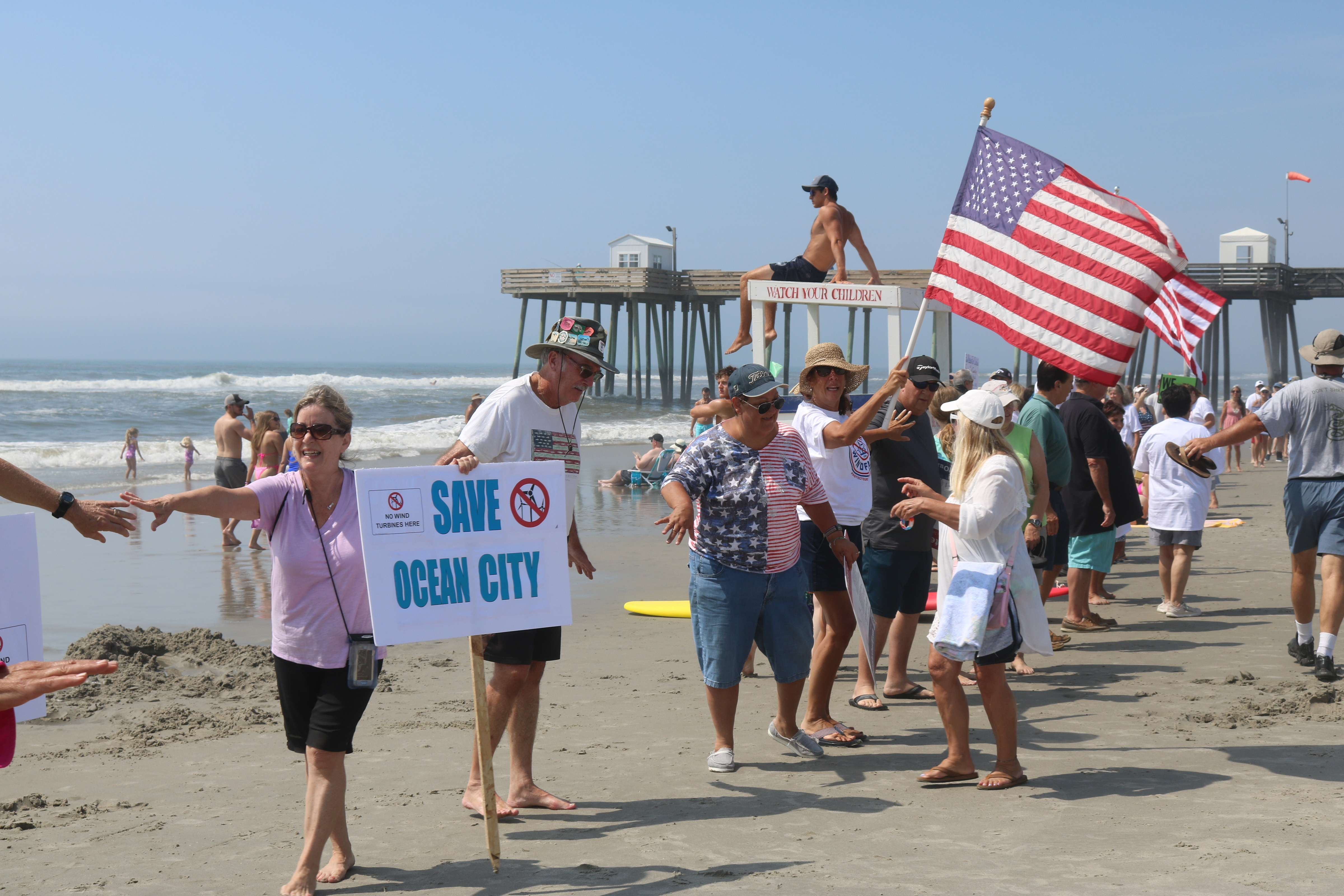
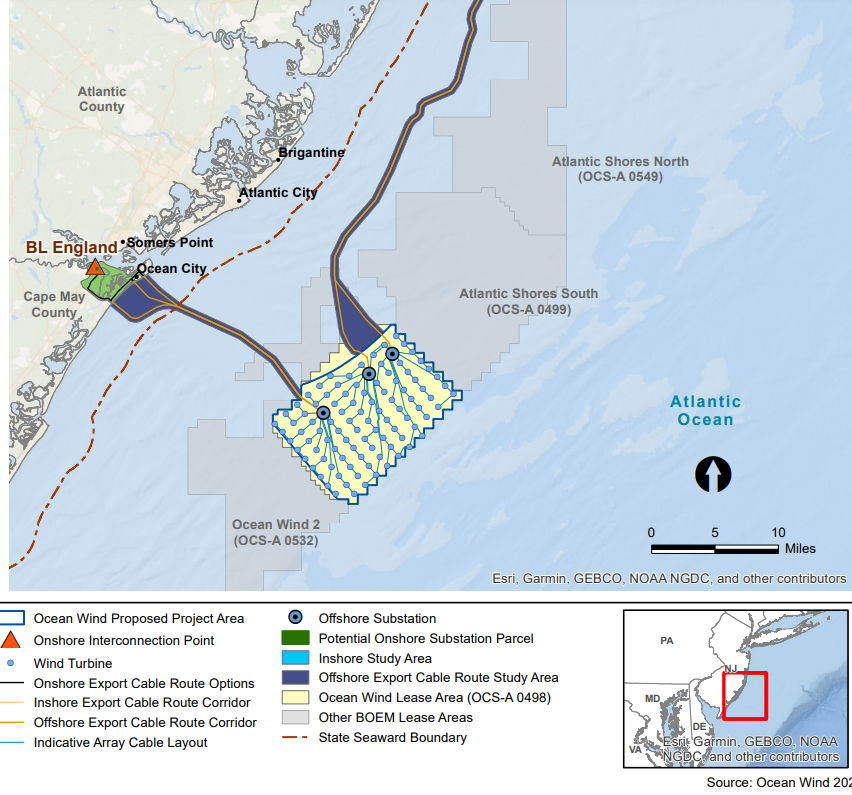
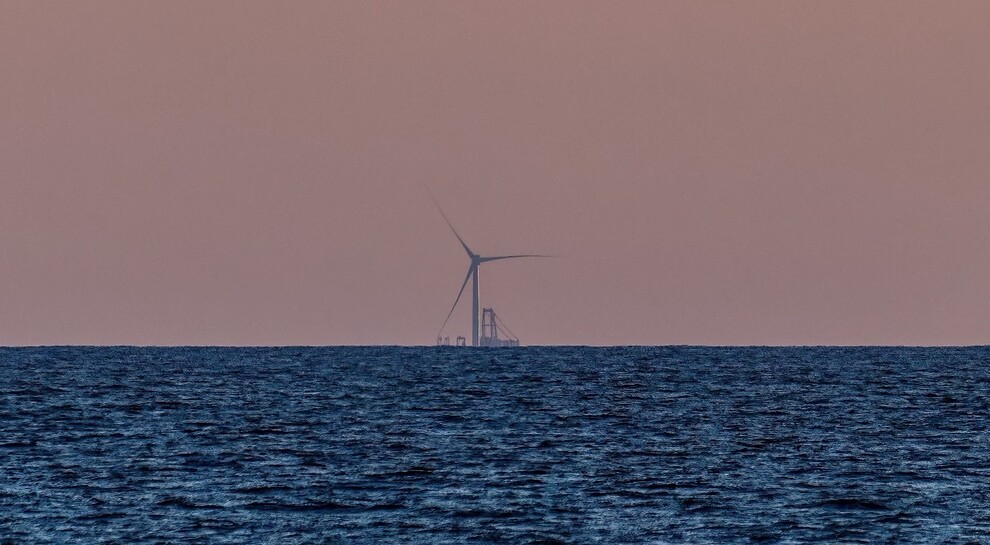
Additionally, the Maria Mitchell Association and the Nantucket Preservation Trust, co-signers on the Good Neighbor Agreement, canceled scheduled interviews despite the fact that the only thing rising quicker than the first visible wind turbine off Nantucket’s south shore is the local level of uneasiness associated with this eyesore.
In my opinion, the long-term sustainability of offshore wind farms simply doesn’t add up. Seaside communities like Nantucket will become the visual victims of the federal government’s desire to have 30 gigawatts of offshore wind production by 2030. Especially from a financial perspective, what sounded so good a few years ago doesn’t appear so rosy today.
The first Vineyard Wind turbine 15 miles off Nantucket. Photo by Charity Grace Mofsen
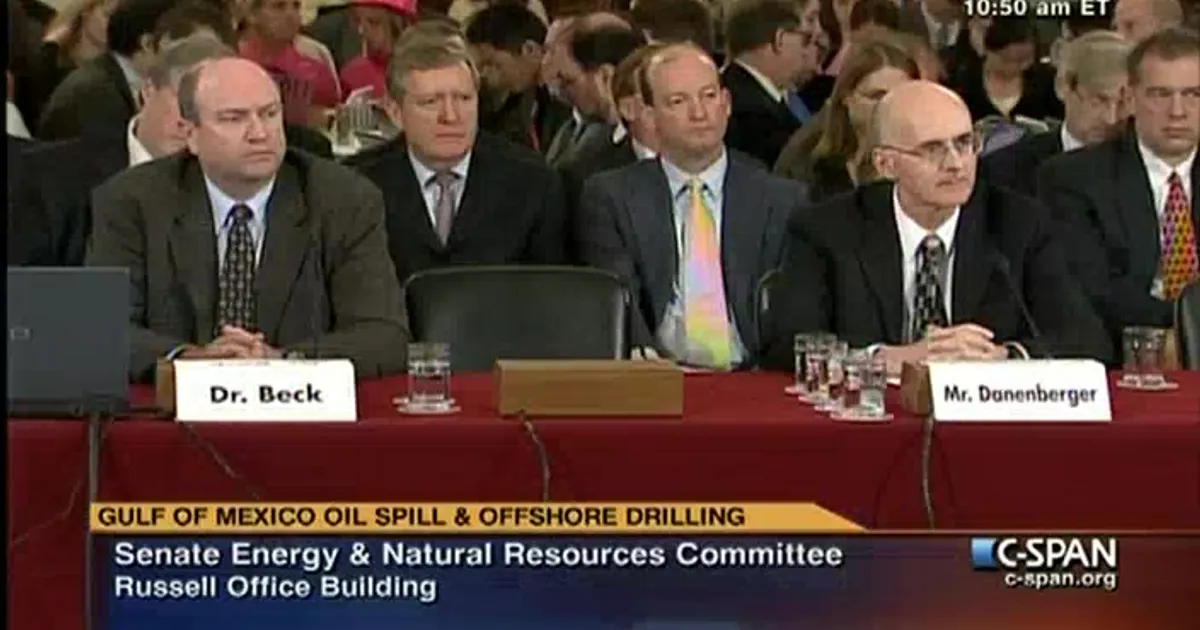
I was on the first panel to appear before a Senate committee during the Macondo blowout. All of the senators were respectful and professional with two exceptions, one of whom was Bob Menendez. Perhaps Senator Menendez’s penchant for political grandstanding was an indication of more significant character flaws.
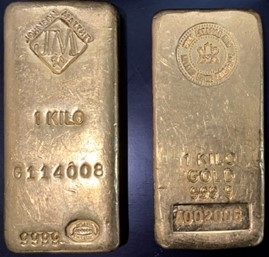
Robert Menendez Allegedly Agreed to Use His Official Position to Benefit Wael Hana, Jose Uribe, Fred Daibes, and the Government of Egypt in Exchange for Hundreds of Thousands of Dollars of Bribes to Menendez and His Wife Nadine Menendez, Which Included Gold Bars, Cash, and a Luxury Convertible
Last week, Sen. Menendez was cited for additional charges accusing him of accepting bribes from a foreign government and conspiring to act as a foreign agent.
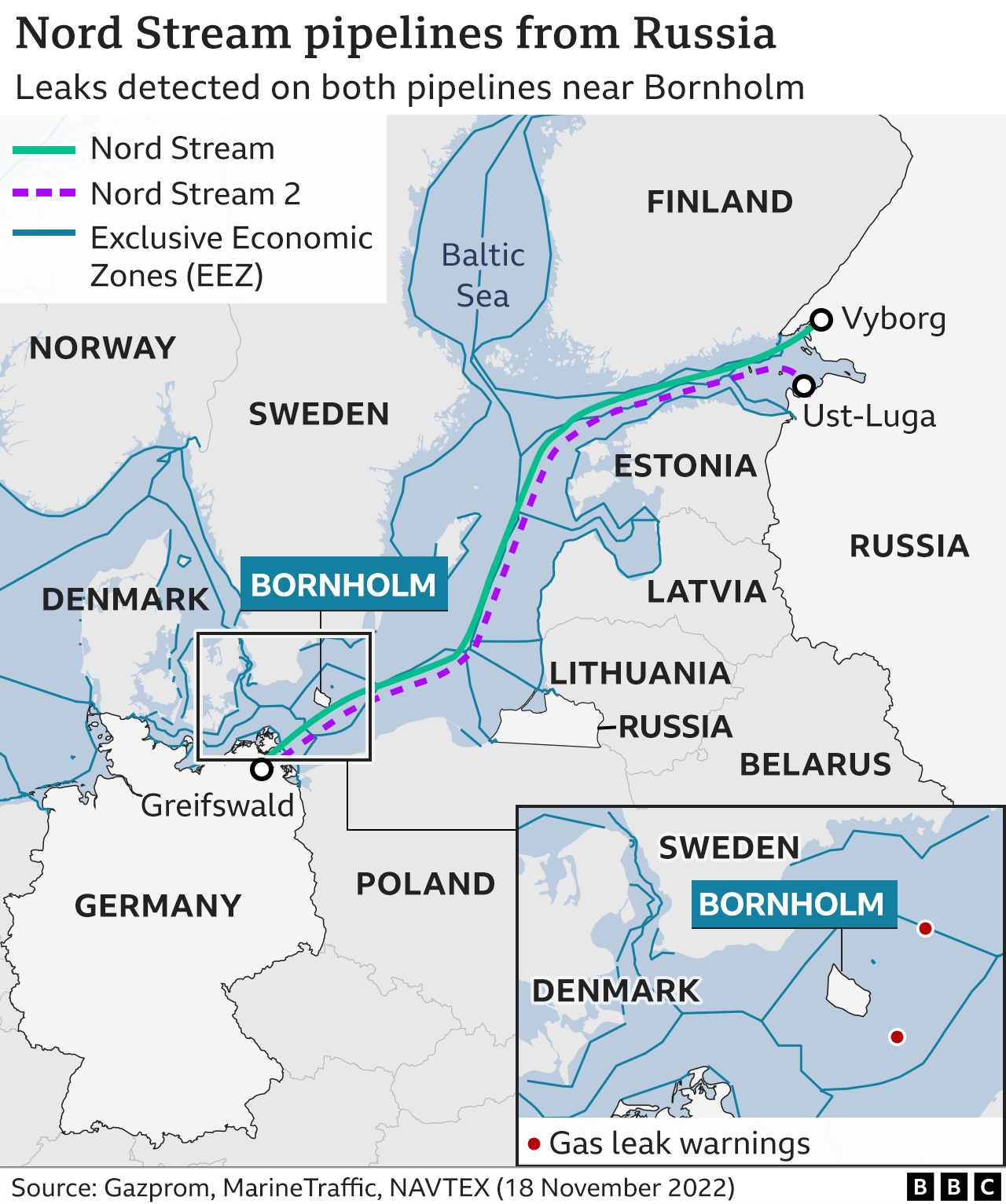
Not only have no official findings been released, but there has been little new speculation since our June 2023 update. Given the political stakes, it is increasingly unlikely that the responsible parties will be identified.












 Bud's Offshore Energy (BOE)