It’s disappointing that this statement was even necessary. Under the circumstances, the need for new UK offshore licenses would seem to be obvious and undeniable.
“The European energy sector right now is cracking at the seams. Without the contribution of UK oil and gas resources, that crack would be a gaping hole.”
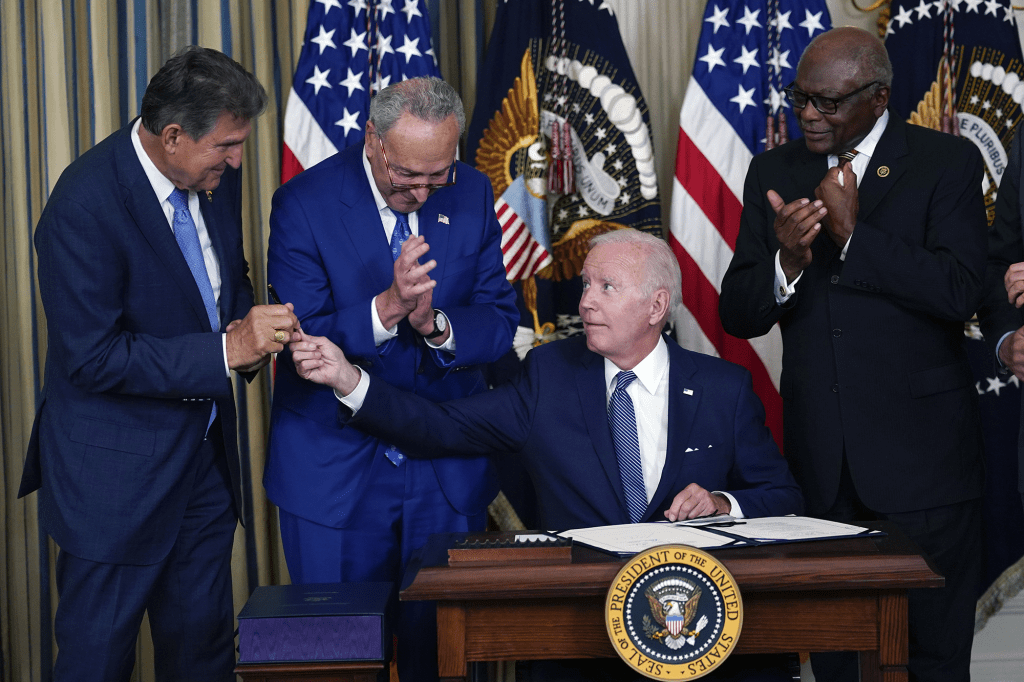
Per legislation signed by the President on Aug. 16, 2022:
(b) LEASE SALE 257 REINSTATEMENT.— (1) ACCEPTANCE OF BIDS.—Not later 30 days after the date of enactment of this Act, the Secretary shall, without modification or delay— (A) accept the highest valid bid for each tract or bidding unit of Lease Sale 257 for which a valid bid was received on November 17, 2021; and (B) provide the appropriate lease form to the winning bidder to execute and return.
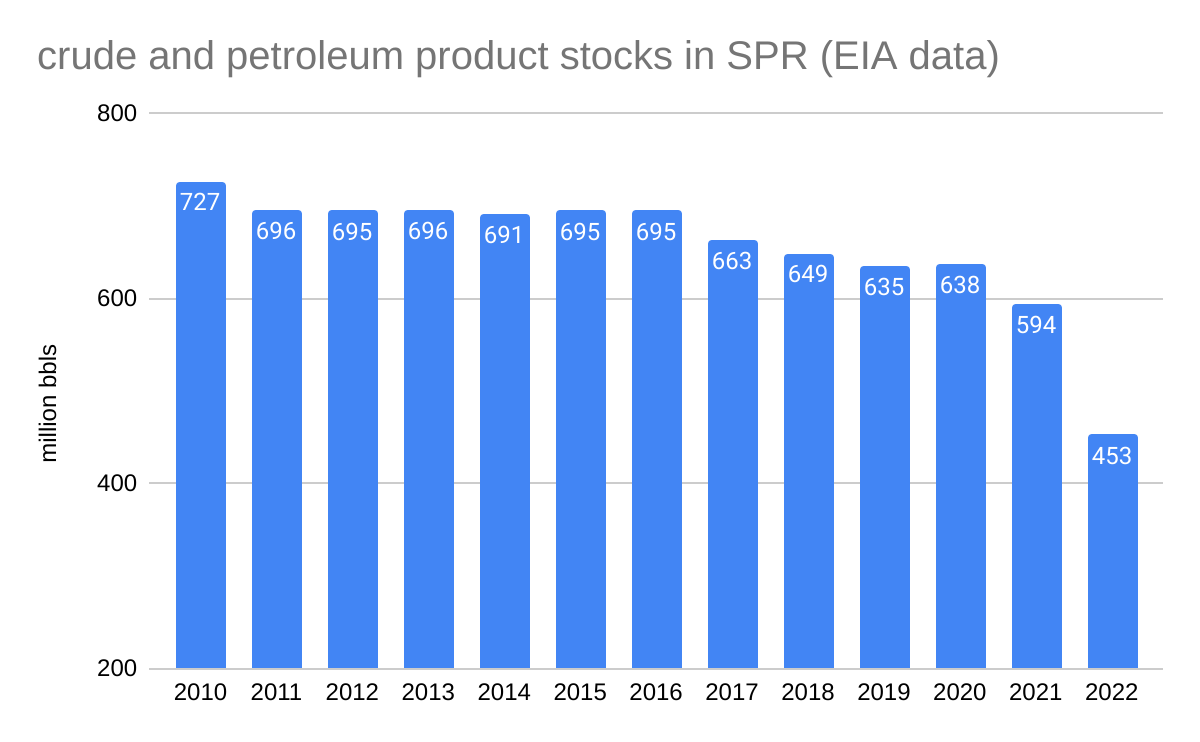
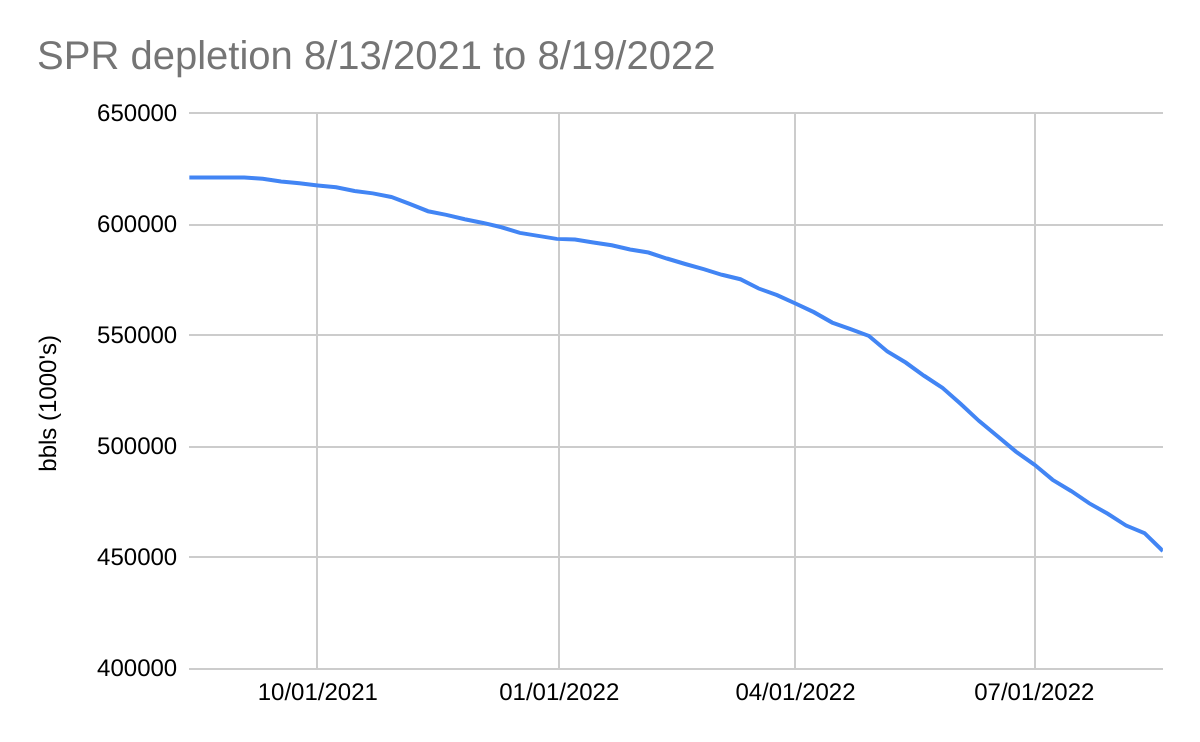
The SPR withdrawals are scheduled to end just prior to the mid-term elections. What happens if oil markets tighten further, perhaps with OPEC assistance?
Energy security will be a featured topic at the conference. Note the lineup for the Zelenskyy session:
President Zelenskyy will be introduced by the Norwegian Prime Minister Jonas Gahr Støre, and will be followed on stage by Elon Musk, Ben Van Beurden (CEO, Shell), Patrick Pouyanné (CEO, TotalEnergies) and Anders Opedal (CEO, Equinor) among others.
China also has boosted annual coal production by 490 million tonnes since last year, enough to meet demand from Germany and Russia combined, the coal mine safety bureau said this month, describing coal as “still our country’s most important source of power”.
The country has continued to develop new coal-fired plants, with construction on the second phase of the Zheneng Liuheng coal-fired power station in eastern China’s Zhejiang province beginning at the start of this month. New coal-fired power construction was at its highest since 2016 last year.
Contrary to some media reports and industry comments, the Inflation Reduction Act does NOT require the Department of the Interior (DOI) to award leases to the high bidder on each Sale 257 tract. The legislation requires DOI to accept the highest valid bid for each tract.
As BOE has previously explained, the 94 carbon sequestration bids were clearly not valid, and leases should not be awarded. These bids accounted for 30.5% of the entire sale in terms of the number of tracts receiving bids. (More on the CCS bids.)
There is also the matter of fair market value. Only 9 of the 214 (non-CCS) tracts received more than one bid and none received more than 2 bids. DOI/BOEM may determine that some of the bids did not pass the fair market value test. Are such bids “valid” under the terms of the IRA legislation? Note that 7 of the 93 high bids submitted at the previous sale (Lease Sale 256, November 2020) were rejected on fair market value grounds. All 7 were single bid tracts.
Lastly, there is the unresolved matter of the decision by Judge Contreras to vacate Sale 257. While the legislation seems to clearly supersede that decision, who knows what might happen next on the litigation front.
The flaring provision complicates compliance and may increase safety risks: (p. 649) Exception 1 exempts “gas vented or flared for not longer than 48 hours in an emergency situation that poses a danger to human health, safety, or the environment.” This is inconsistent with the carefully constructed BSEE regulations which allow limited (48 hours cumulative) flaring for certain operations (e.g. during the unloading or cleaning of a well, drill-stem testing, production testing, and other well-evaluation testing). Such flaring is essential but not normally “an emergency situation.” The bill could thus compromise safety by unnecessarily restricting or complicating well operations and by limiting flaring in circumstances where such flaring reduces safety risks.
Time for BOEM to get to work 😉: (p. 650): Per our previous post, the highlight section of the bill (from an offshore oil and gas standpoint) reinstates Lease Sale 257 (GoM) and requires that the scheduled 2022 lease sales 258 (GoM) and 259 (Cook Inlet) be held by 12/31/2022. Lease Sale 261 (GoM) must be held by 9/30/2023.
Petty but perhaps necessary: p. 655: The provision restricting wind leasing when no oil and gas lease sale has been held in the prior year is in the final bill.
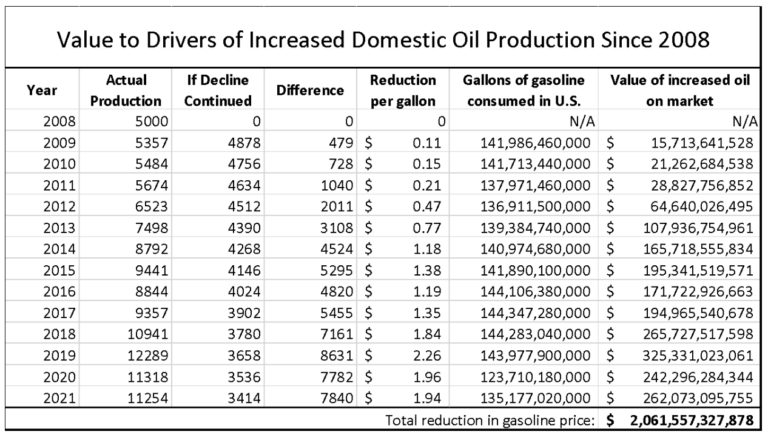
The bottom line is a $2/gallon savings to consumers totaling more than $2 trillion. As is the case with natural gas, most of the production boom is attributable to operations on private lands, without which we would be in deep economic trouble.


 Bud's Offshore Energy (BOE)