As we descend into hotter, deeper tiers, the process shifts from pressure-driven to density-driven stimulation. With larger density contrasts between the injected water and pore fluid in the rocks, density takes the lead. The deeper we go, fracturing becomes easier, not more challenging, and reduces the need for massive pumping fleets.
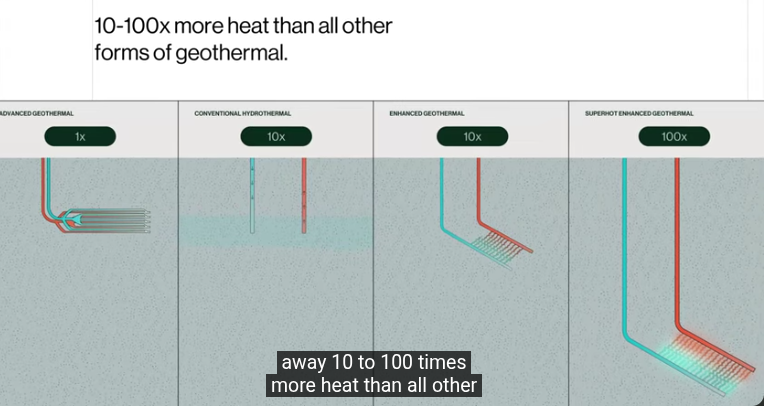
It all results in a superhot subterranean network sweeping away 10-100x more heat than all other forms of geothermal. We are sending water coursing through engineered permeability, harnessing Earth’s most abundant energy and powering the next century of global innovation.
Supercritical fluid dynamics are thus the key to superhot geothermal completions. Water above and 22 mega pascals (3191 psi) enters a supercritical state with liquid-like density and gas-like viscosity. The water that is injected into a hot, supercritical reservoir is thus much denser than the surrounding superhot fluid. The injection of relatively cool water into superhot rock creates and widens fractures increasing permeability without increased pumping pressure.
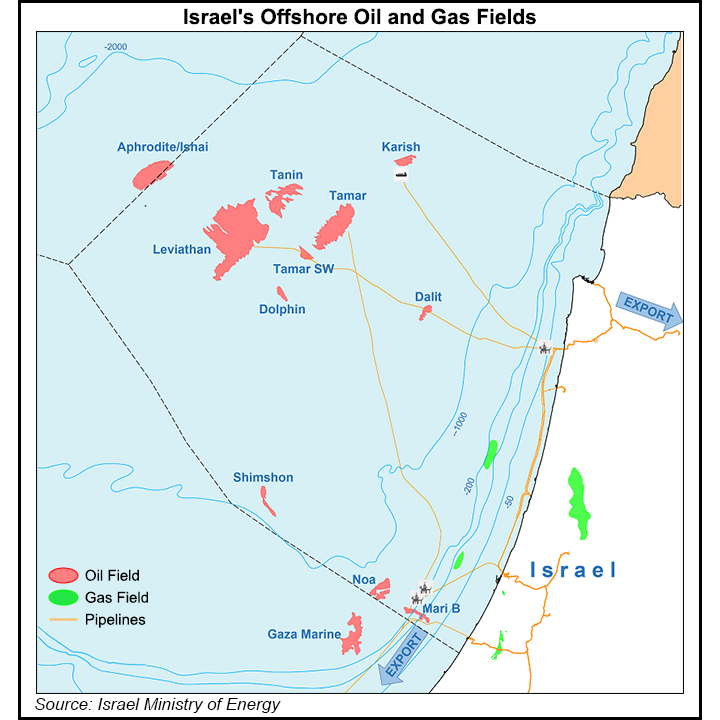
In light of the fantastic Middle East news, planning for the redevelopment of Gaza is underway. The Gaza Marine Gas Field should be a high priority given the power generation and revenue potential.
The field, which was discovered in 1999 by British Gas (now part of Shell), is located approximately 30-36 km off the coast of Gaza in the eastern Mediterranean and has estimated natural gas reserves of ~ 1 Tcf.
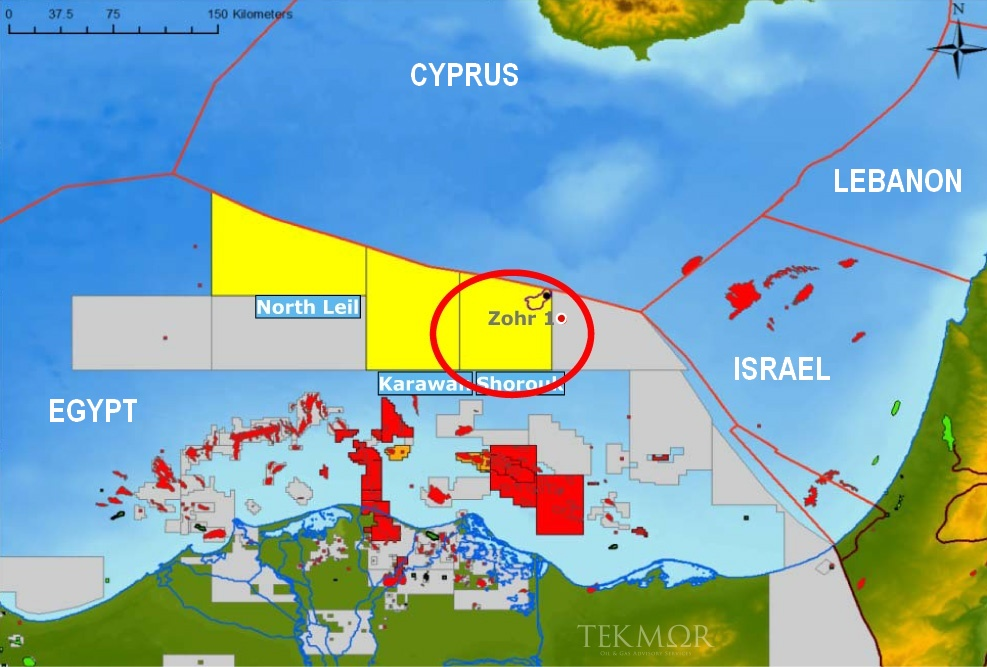
Who should be licensed to develop the field? In June 2023, there was a proposed agreement between the Palestinian Authority and an Egyptian consortium led by state-owned Egyptian Natural Gas Holding Company (EGAS). A resurrection of this arrangement may align with Palestinian interests. EGAS has experience in Mediterranean gas projects including the giant Zohr field (see map below).
Other candidates for developing the Gaza Marine field (pure speculation):
Chevron would be a logical choice given their extensive eastern Mediterranean experience as a result of their acquisition of Noble Energy. However, there might be concerns about undue US and Israeli control of this important resource.
Regional giants like Saudi Aramco, Qatar Energy, and Abu Dhabi National Oil Company (ADNOC) would be good candidates.
Another interesting possibility might be Equinor, which is 2/3 owned by the Norwegian govt. Equinor seems to sometimes make socially desirable investments that are less profitable.
Some combination of the above companies might also be a possibility. In any event, it’s critical to manage this resource in a manner that best benefits the recovery effort.
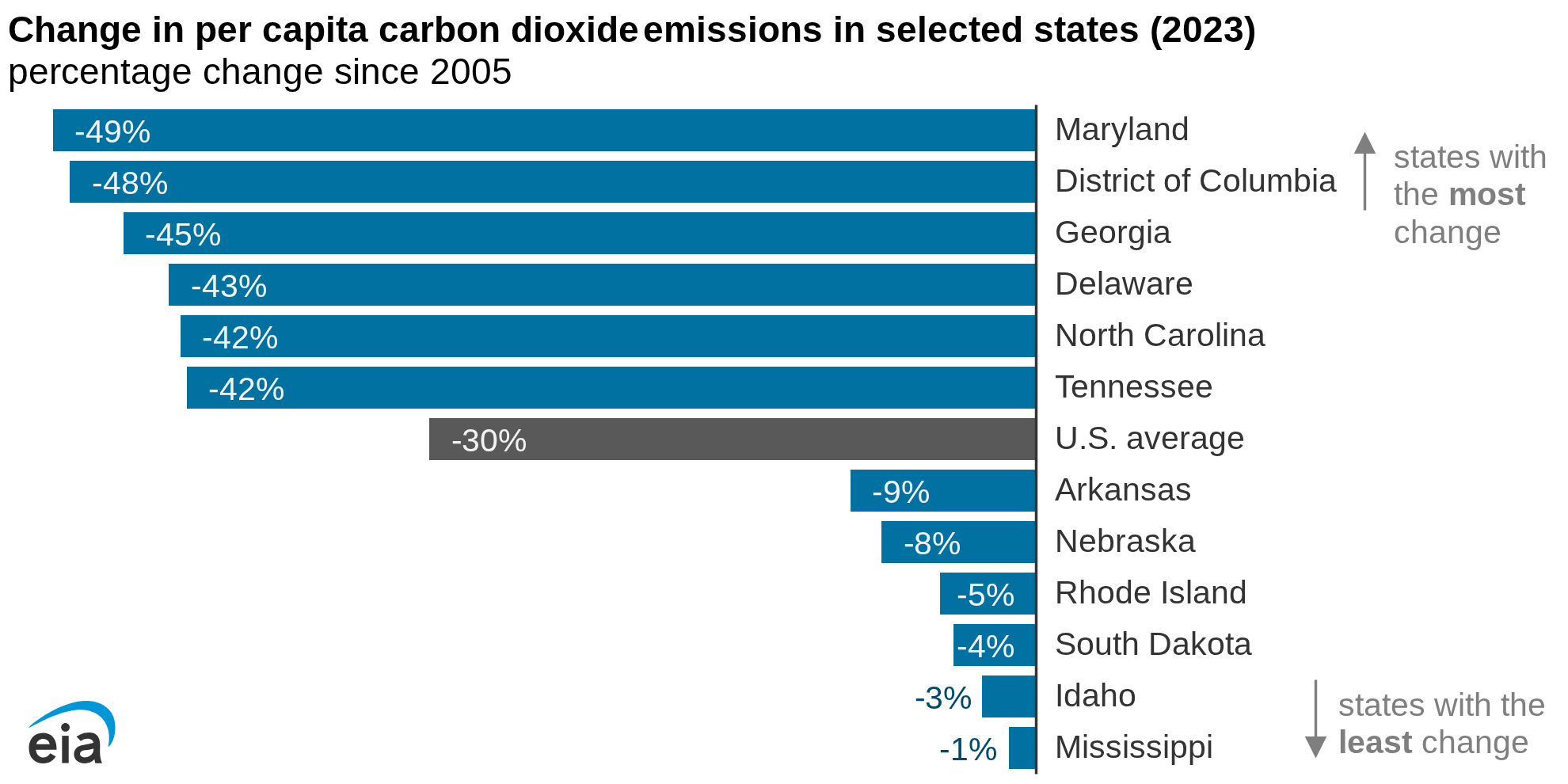
EIA:Per capita CO2 emissions from primary energy consumption decreased in every state from 2005 to 2023, according to recently released data in our State Energy Data System. Total energy-related CO2 emissions in the United States fell 20% over that time, and the population grew by 14%, leading to a 30% decrease in per capita CO2 emissions.
A short Quaise video (below) describes how conventional and millimeter wave drilling can be combined to reach superhot geothermal energy sources.
Keep in mind that superhot (300-500 deg. C) energy can be reached with conventional drilling at sites with high geothermal gradients. These “tier 1” sites will be the first targets (second video below).
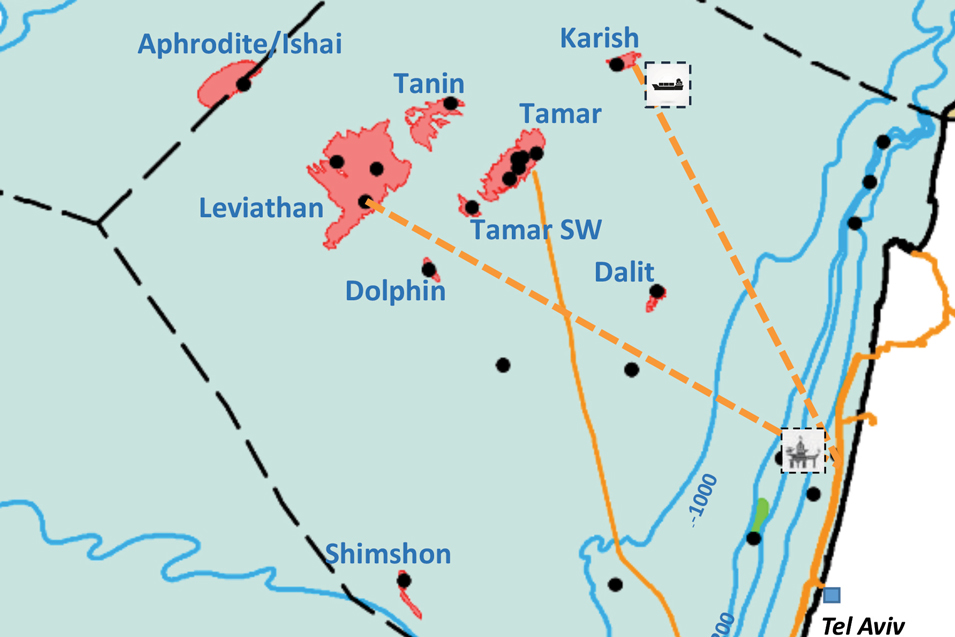
Two of Israel’s three offshore gas fields are shut-in as a precaution. As a result, exports to Egypt and Jordan has been curtailed. The Tamar field continues to supply Israel’s gas needs.
Summary table:
field (operator)
2024 production (billion cubic meters) (% of Israel’s total)
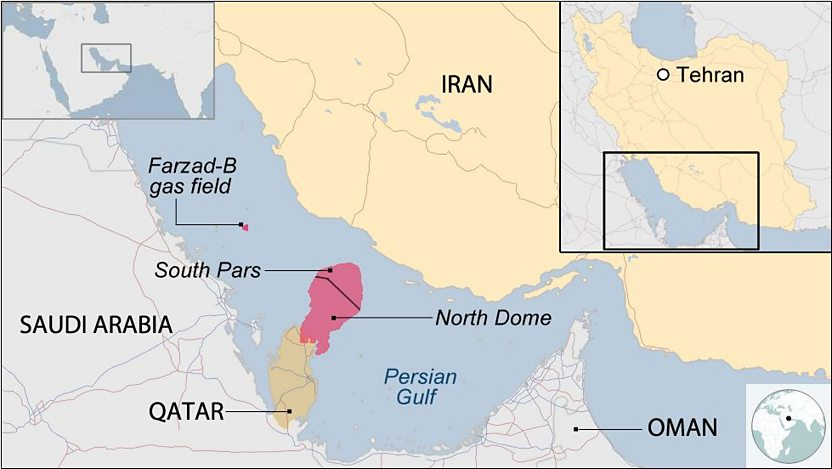
Iranian media reports a “massive explosion” following an Israeli drone strike on the South Pars gas field in the southern port city of Kangan. According to a 2019 report, the field accounts for 74 per cent of the country’s gas production.
Judging by available video (below), it appears that onshore processing facilities were struck and not the offshore infrastructure.
Israeli forces reportedly struck Iran’s South Pars Phase 14 refinery, one of the world’s largest natural gas extraction facilities. pic.twitter.com/d94SdIJC0I
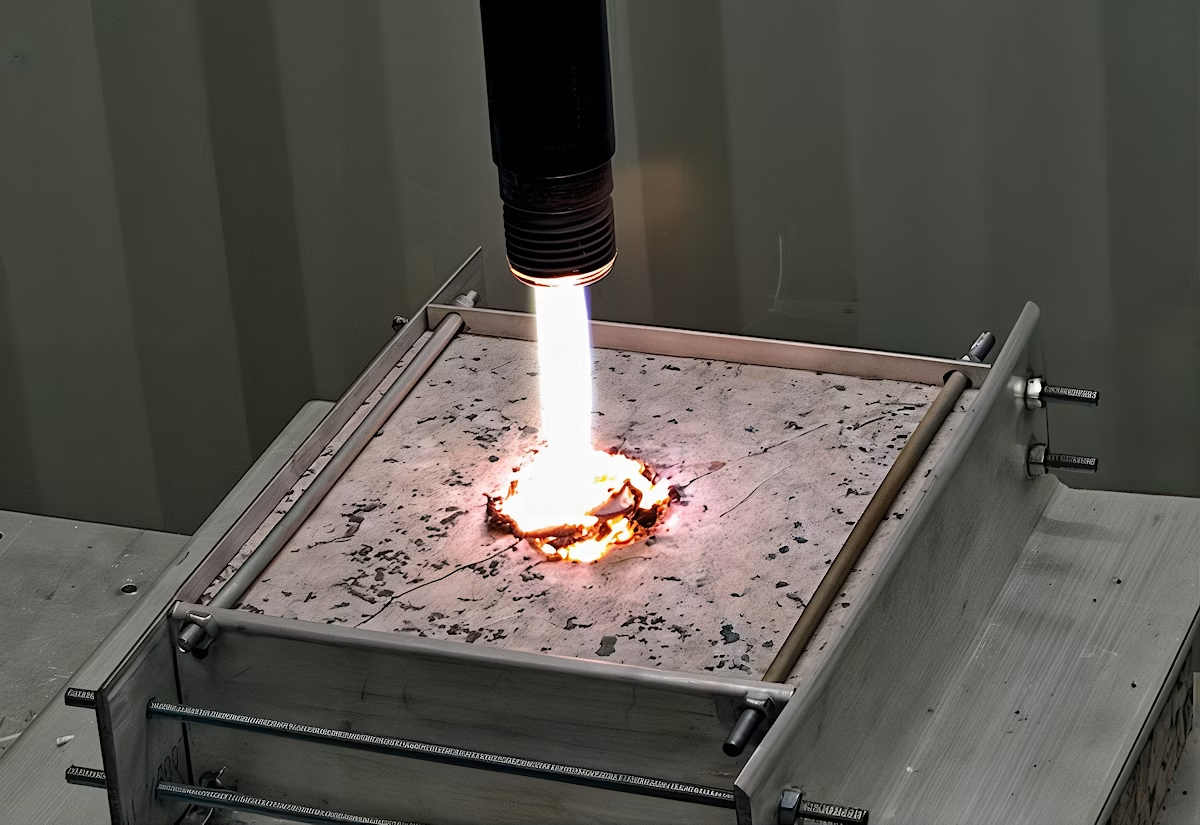
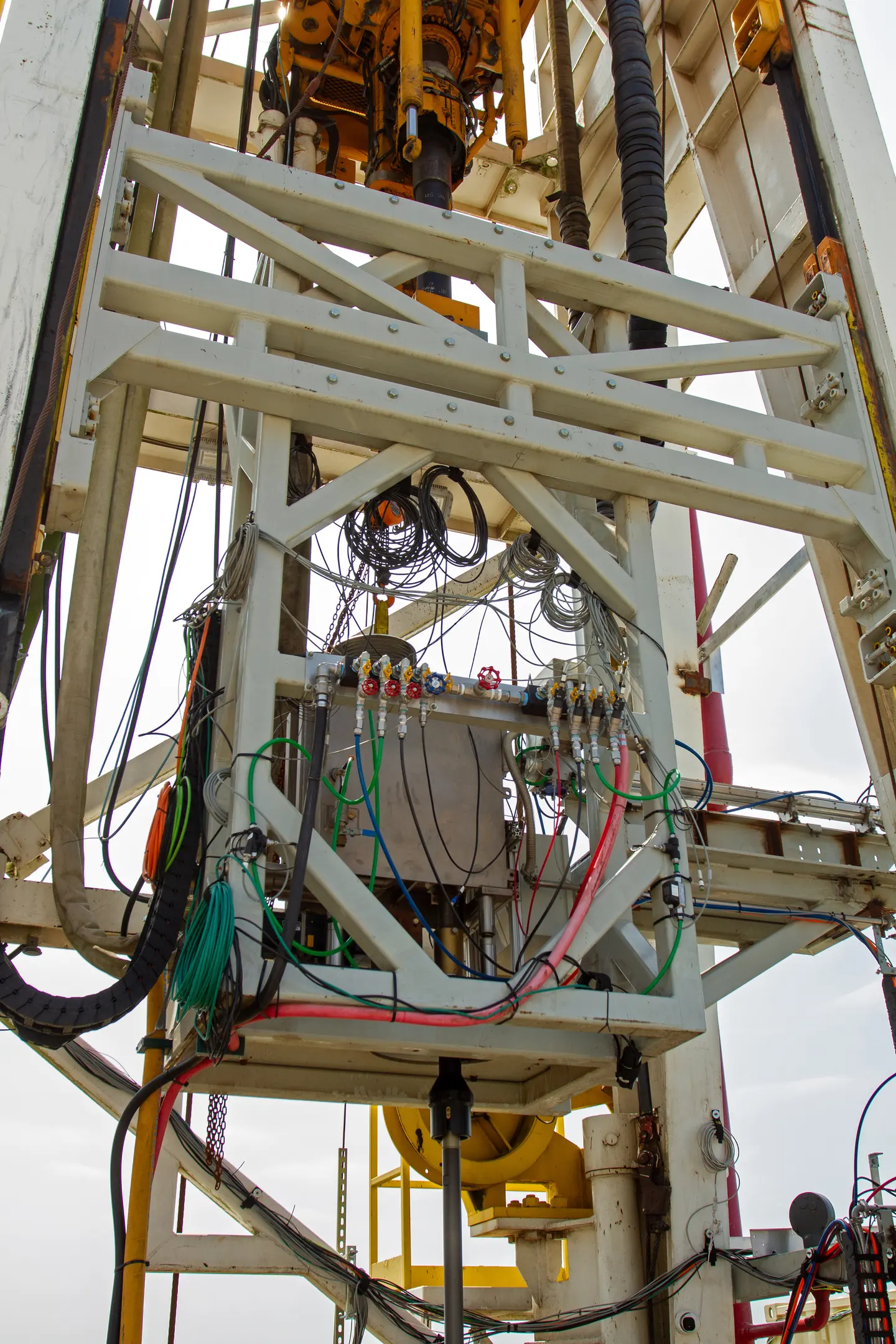
This is the first-ever hybrid drilling rig, combining conventional and millimeter wave capabilities.
Quaise plans to drill superhot geothermal wells that can generate abundant baseload power in record time. They believe there is no other energy solution capable of the same scale and speed.
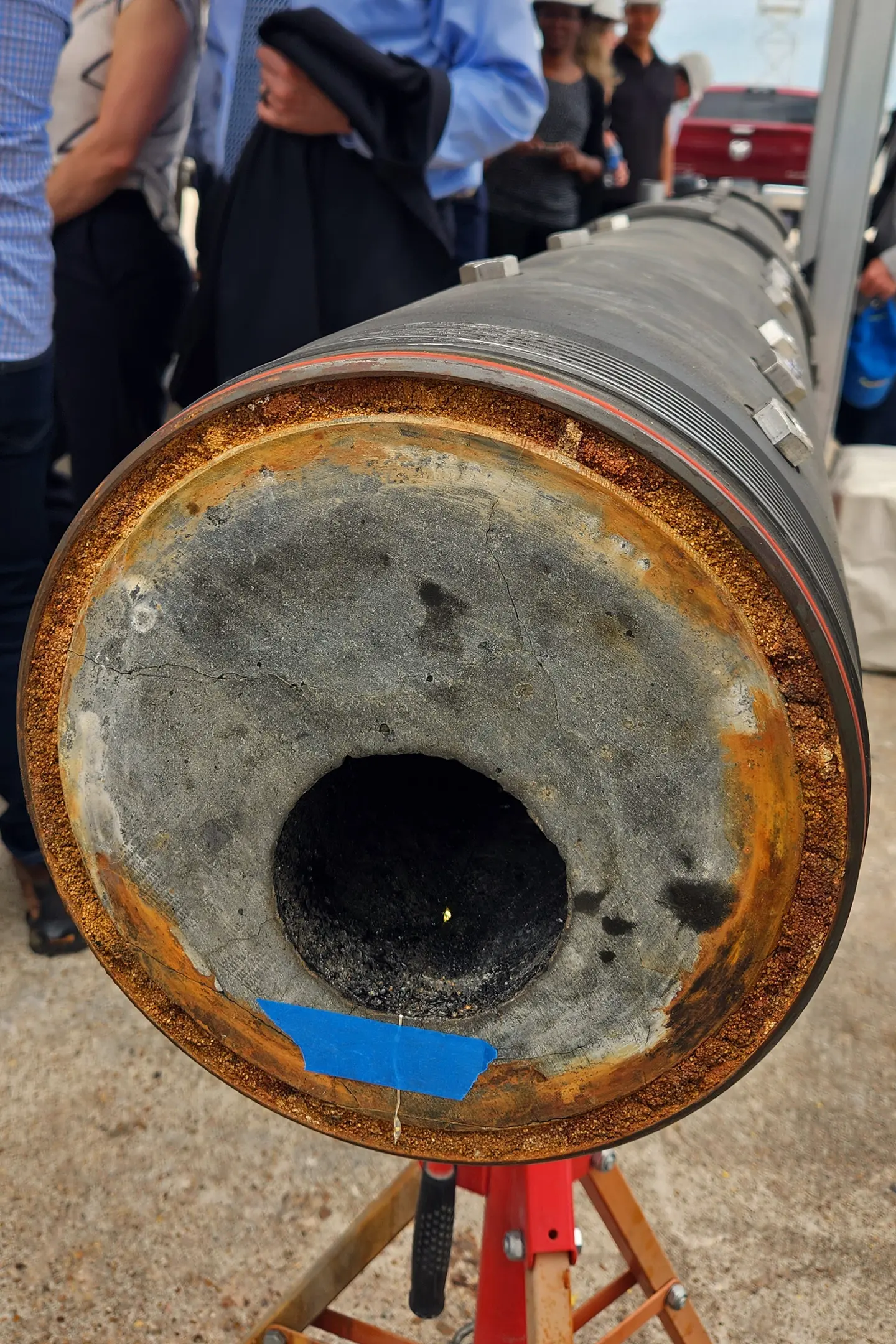
“The cube sends electomagnetic energy to the drill bit to melt rock – New Atlas photoCore showing vitrified granite/basalt walls of the borehole – New Atlas photo
We reached a new milestone with our millimeter wave #drilling system: our first 10 ft hole drilled outside lab conditions
This achievement was accomplished using our compact drilling rig, now scheduled for initial field trials later this quarter targeting a depth of 100 meters pic.twitter.com/pMlhsEvSED
 Bud's Offshore Energy (BOE)