The first step will be the publication of a request for information and Interest in the Federal Register. This notice will seek public input that will help inform BOEM’s assessment of geologic conditions, potential environmental and cultural impacts, and other uses of the area.
Impossible Metals has developed an autonomous underwater vehicle (AUV) for selective mineral harvesting. Their novel AUV uses advanced robotics, AI, and a buoyancy engine to hover above the seabed and minimize disruption to the habitat and native biodiversity. Impossible Metals believes this method will have the lowest environmental impact and cost among land and deep-sea mining approaches.
9 minute interview with the CEO of Impossible Metals:
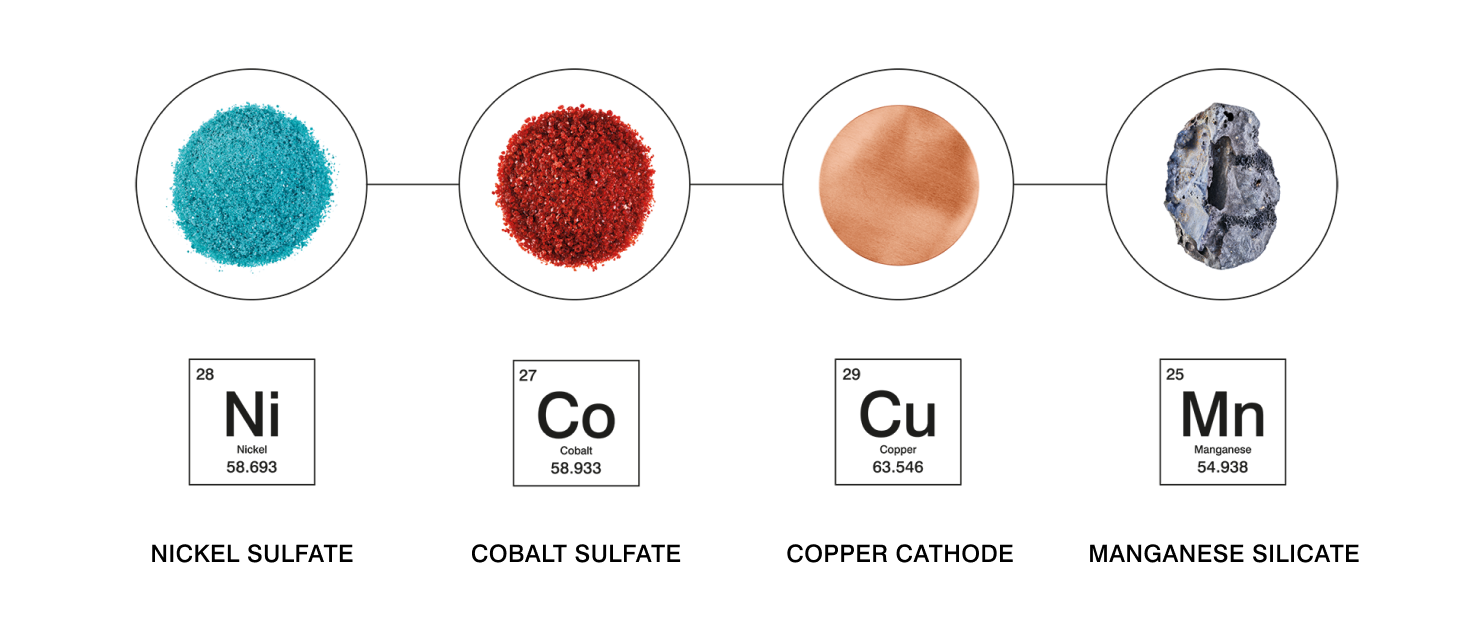
One nodule contains high grades of four key metals, meaning that four times less ore needs to be processed to obtain the same amount of metal. Nodules also contain no toxic levels of heavy elements, and the entirety of a nodule can be used, making near-zero-solid-waste production possible. Because nodules sit unattached on top of the seafloor, they will not require drilling or blasting for retrieval.
🇺🇸🚢 ⛏️ We’re witnessing a wave of glorified pseudoscience and fantasy activism around the ocean floor—this idea that the deep sea is some mystical sanctuary of life and that any attempt to extract resources from it is an unforgivable sin against Gaia. Spare me.
The bottom of the ocean is not the Garden of Eden. It’s a black, silent, high-pressure wasteland—largely lifeless, uninhabitable, and filled with the very minerals we need to break free from Chinese supply chain domination. You want a clean energy future? Then stop whining about the only scalable path to get there.
China has already begun strip-mining the ocean floor without asking for your permission. They don’t care about the blobfish or the bacteria colonies around volcanic vents. They care about winning. And every time we moralize ourselves into inaction, we gift them another geopolitical advantage wrapped in Western guilt.
Let’s cut the delusion. There is no future where America stays on top without securing its own critical minerals. Recycling won’t save us. Wind and solar need metals. Batteries need rare earths. Data centers need semiconductors. And semiconductors need the materials sitting at the bottom of the ocean.
You don’t get to demand green tech, reject land mining, block seabed access, and still pretend you’re “saving the planet.” That’s not leadership. That’s learned helplessness.
So yes, I support Trump’s executive action. Because someone has to make the grown-up decision. Either we lead this resource race with responsibility and strength—or we watch tyrants carve up the planet while we post crying-face emojis and argue about what’s sacred 10,000 feet below sea level.
Let the race for the bottom begin. 🇺🇸🚢
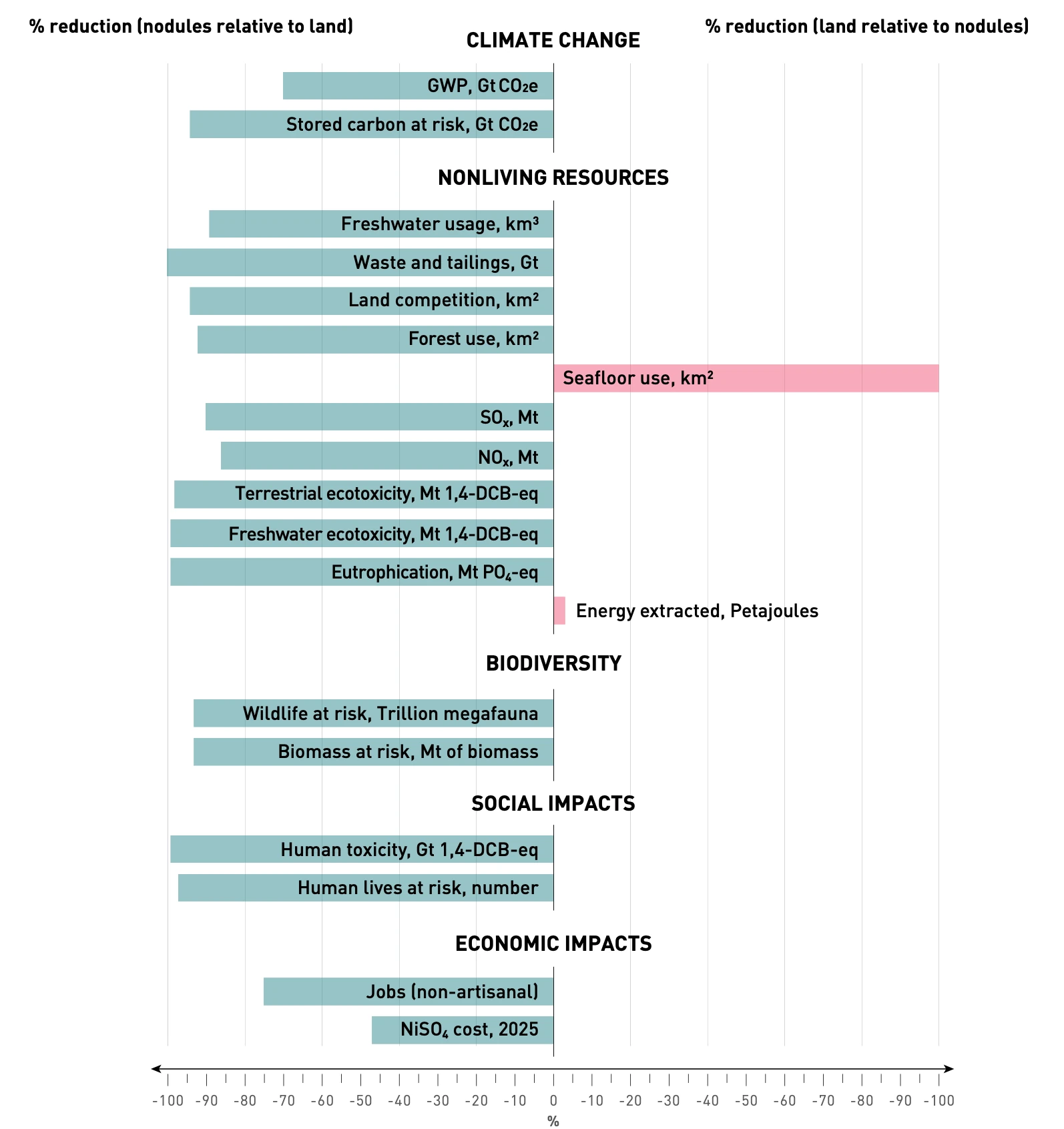
Deep sea vs. land mining:
From a paper by Daina Paulikas and Dr. Steven Katona, with input from Erika Ilves, Dr. Greg Stone, Anthony O’Sullivan, and a review from Todd Cort and Cary Kroninsky at Yale. While the industry-funding introduces the potential for bias, it nonetheless provides a comprehensive and thorough comparison.
… and shared a mineral water toast! 😉 (Weak joke, but at least it’s original and topical!)
NOAA and TMC, a Canadian company, are working together to bypass the stifling UN deep sea minerals bureaucracy.
NOAA raises a glass: Yesterday, President Trump signed an Executive Order establishing a framework for American companies to identify and retrieve offshore critical minerals and resources. The Executive Order prioritizes U.S. leadership in seabed mapping and mineral exploration, ensuring reliable access to critical minerals like manganese, nickel, cobalt and rare earth elements.
In support of the Executive Order, NOAA is committed to an expeditious review of applications for exploration licenses and commercial recovery permits. The agency will provide the necessary resources for license and permit reviews to ensure that those reviews go forward without undue delays.
TMC is positioned to play a central role in supporting an American industrial ecosystem underpinned by deep-seabed minerals, and poised to mobilize tens of billions in private investment in the U.S. across shipbuilding, ports, mineral processing, and advanced manufacturing
The Company through its U.S. subsidiary expects to file license and permit applications under the U.S. Deep Seabed Hard Mineral Resources Act (DSHMRA) in the second quarter of 2025
China boos: “The US authorization… violates international law and harms the overall interests of the international community,” Chinese foreign ministry spokesman Guo Jiakun said on Friday.
TMC and other companies like Impossible Metals (see below) have had enough of the endless delays at the United Nations’ International Seabed Authority, which is still developing regulations. Mining companies and others have spent years gathering data and providing input.
Meanwhile in US waters:
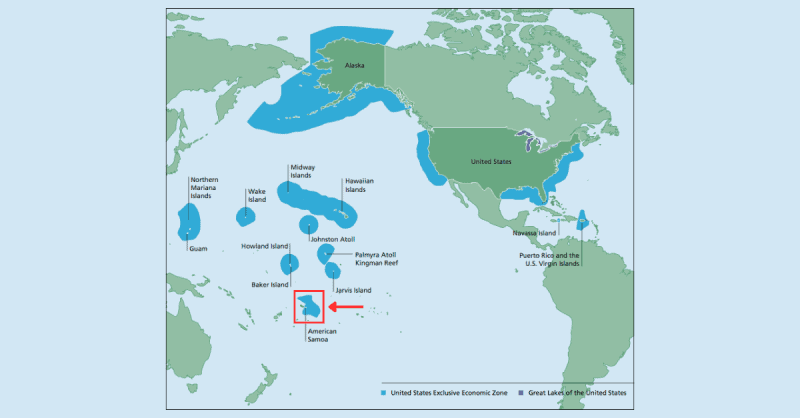
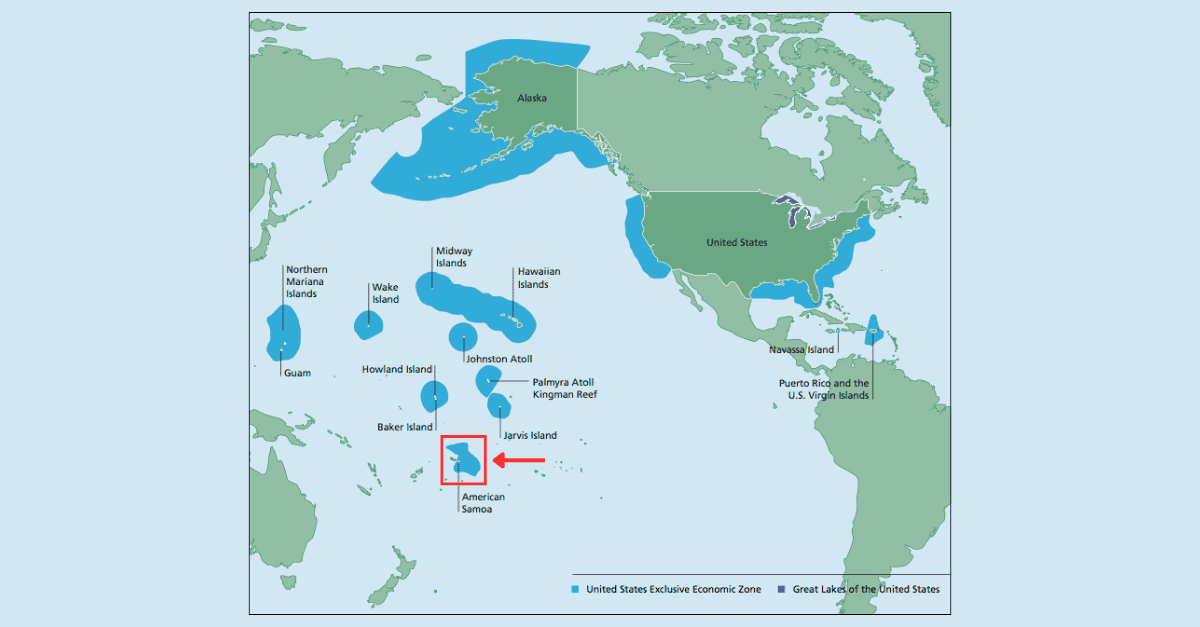
San Jose, CA – Impossible Metals, a pioneering US-based deep-sea mining company, has submitted a request to commence a leasing process for exploration and potential mining of critical minerals in the deep sea off the coast of American Samoa. Impossible Metals is the first company to request a lease of critical minerals under the Outer Continental Shelf Lands Act of 1953, which is regulated by the U.S. Bureau of Ocean Energy Management (BOEM), part of the U.S. Department of the Interior.
Impossible Metals has developed the only autonomous underwater robot (AUV) for selective harvesting. The novel underwater robot uses advanced robotics, AI, and a buoyancy engine to hover above the seabed, accurately identifying and avoiding nodules with visible life while minimizing disruption to the habitat and native biodiversity. This method will have the lowest environmental impact and cost among land and deep-sea mining approaches, setting a new standard for responsible resource collection.
According to a Financial Times report, the White House is drafting an executive order that will facilitate the stockpiling of critical metals found in the Pacific. The Administration is intent on countering China’s rare earth supply chains and battery mineral dominance.
Lars Herbst brought this bold and rather surprising deepsea mining development to my attention. Let the screaming begin!
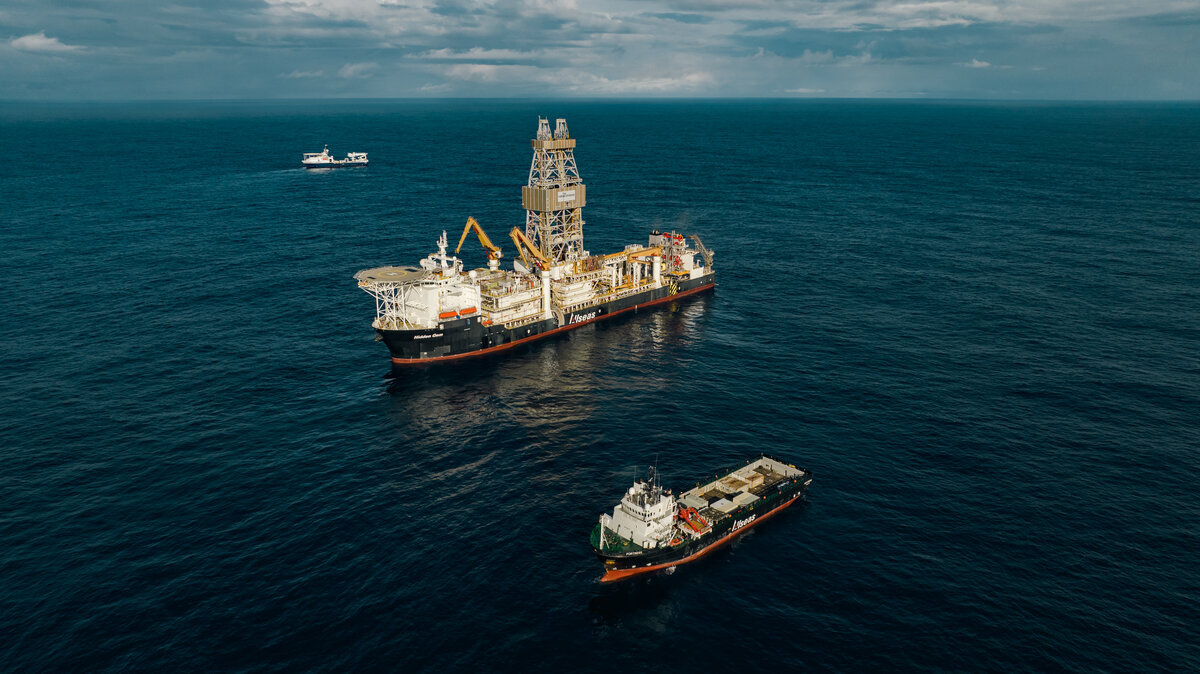
NEW YORK, March 27, 2025 (GLOBE NEWSWIRE) (emphasis added) — TMC the metals company Inc. (Nasdaq: TMC) (“TMC” or the “Company”), an explorer of the world’s largest undeveloped resource of critical metals for building infrastructure, power generation, transmission, and batteries, today announced that its subsidiary The Metals Company USA LLC (“TMC USA”) has formally initiated a process with NOAA under the U.S. Department of Commerce to apply for exploration licenses and commercial recovery permits under existing U.S. legislation, the Deep Seabed Hard Mineral Resources Act of 1980 (DSHMRA).
Following extensive legal diligence on DSHMRA, NOAA’s implementing regulations and other applicable environmental protection legislation, the Company strongly believes that the U.S. seabed mining code offers the greatest probability of securing a permit for commercial recovery of deep-sea mineral resources in a timely manner.
Gerard Barron, Chairman & CEO of The Metals Company, commented: “Over the last decade, we’ve invested over half a billion dollars to understand and responsibly develop the nodule resource in our contract areas. We built the world’s largest environmental dataset on the CCZ, carefully designed and tested an offshore collection system that minimizes the environmental impacts and followed every step required by the International Seabed Authority. But, despite collaborating in good faith with the ISA for over a decade, it has not yet adopted the Regulations on the Exploitation of Mineral Resources in the Area in breach of its express treaty obligations under UNCLOS and the 1994 Agreement.”
“We believe we have sufficient knowledge to get started and prove we can manage environmental risks. What we need is a regulator with a robust regulatory regime, and who is willing to give our application a fair hearing. That’s why we’ve formally initiated the process of applying for licenses and permits under the existing U.S. seabed mining code. After extensive legal review and constructive engagement with NOAA and other officials across the U.S. government, we believe the United States offers a stable, transparent, and enforceable regulatory path. TMC USA expects to submit applications to NOAA in the second quarter of 2025. We’re encouraged by the growing recognition in Washington that nodules represent a strategic opportunity for America—and we’re moving forward with urgency.”
I’m posting Sunday’s 60 Minutes segment that focused on deep sea mining and the failure of the US to ratify the UN Convention on the Law of the Sea (UNCLOS). Supplementary comments:
Most Federal employees involved with ocean energy policy, past and present, have supported US government ratification of UNCLOS.
The offshore industry has long supported UNCLOS. Industry trade associations, including API, IADC, and NOIA, are on the record as favoring ratification.
While concerns about UN management of deep sea mining access are understandable, some coordinated administrative structure is needed.
The Metals Company and other companies pursuing deep sea mining opportunities clearly disagree with the assertion that ocean floor mineral harvesting is not economically viable.
11/21/2023: Nauru Ocean Resources Inc. (NORI) shares data from their 2022 test mining on the impacts of seafloor sediment plumes. See the informative video embedded below.
12/7/2023: 31 members of congress send letter to Secretary Austin (attached) regarding the importance of deep-sea polymetallic nodules from a national security standpoint.
1/3/2024: National Defense Authorization Act (NDAA) is signed into law, and includes provisions directing the Department of Defense to submit a report to the House Armed Services Committee assessing the domestic processing of seafloor polymetallic nodules by March 1, 2024. See text pasted below.
1/11/2024: The Wall Street Journal reports on growing US political support for deep sea mining.
“the committee directs the Assistant Secretary of Defense for Industrial Base Policy shall, by March 1, 2024, submit a report to the House Armed Services Committee assessing the processing of seabed resources of polymetallic nodules domestically. The report shall include, at a minimum, the following: (1) a review of current resources and controlling parties in securing seabed resources of polymetallic nodules; (2) an assessment of current domestic deep-sea mining and material processing capabilities; and (3) a roadmap recommending how the United States can have the ability to source and/or process critical minerals in innovative arenas, such as deep-sea mining, to decrease reliance on sources from foreign adversaries and bolster domestic competencies.




 Bud's Offshore Energy (BOE)