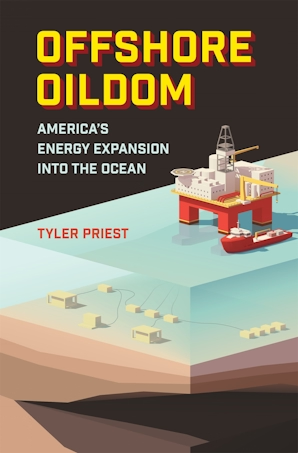
Tyler Priest, the leading historian on US offshore oil and gas operations, has published another gem. His book, Offshore Oildom, is a fascinating account of the history of the technologically innovative and economically important, yet highly controversial, OCS Oil and Gas program. His bookis highly recommended.
Consider this recommendation by Daniel Yergin:
“Tyler Priest, a preeminent historian of energy and the environment, explores how a single well drilled off a pier near Santa Barbara in 1898 gave rise to a major American industry—offshore oil and gas. In spirited prose, Priest demonstrates how this U.S. industry was created not only by innovation, creative engineering, and complex execution; it was also the result of fierce political battles.” ~Daniel Yergin, Pulitzer Prize–winning author of The Prize: The Epic Quest for Oil, Money, and Power and The New Map: Energy, Climate, and the Clash of Nations
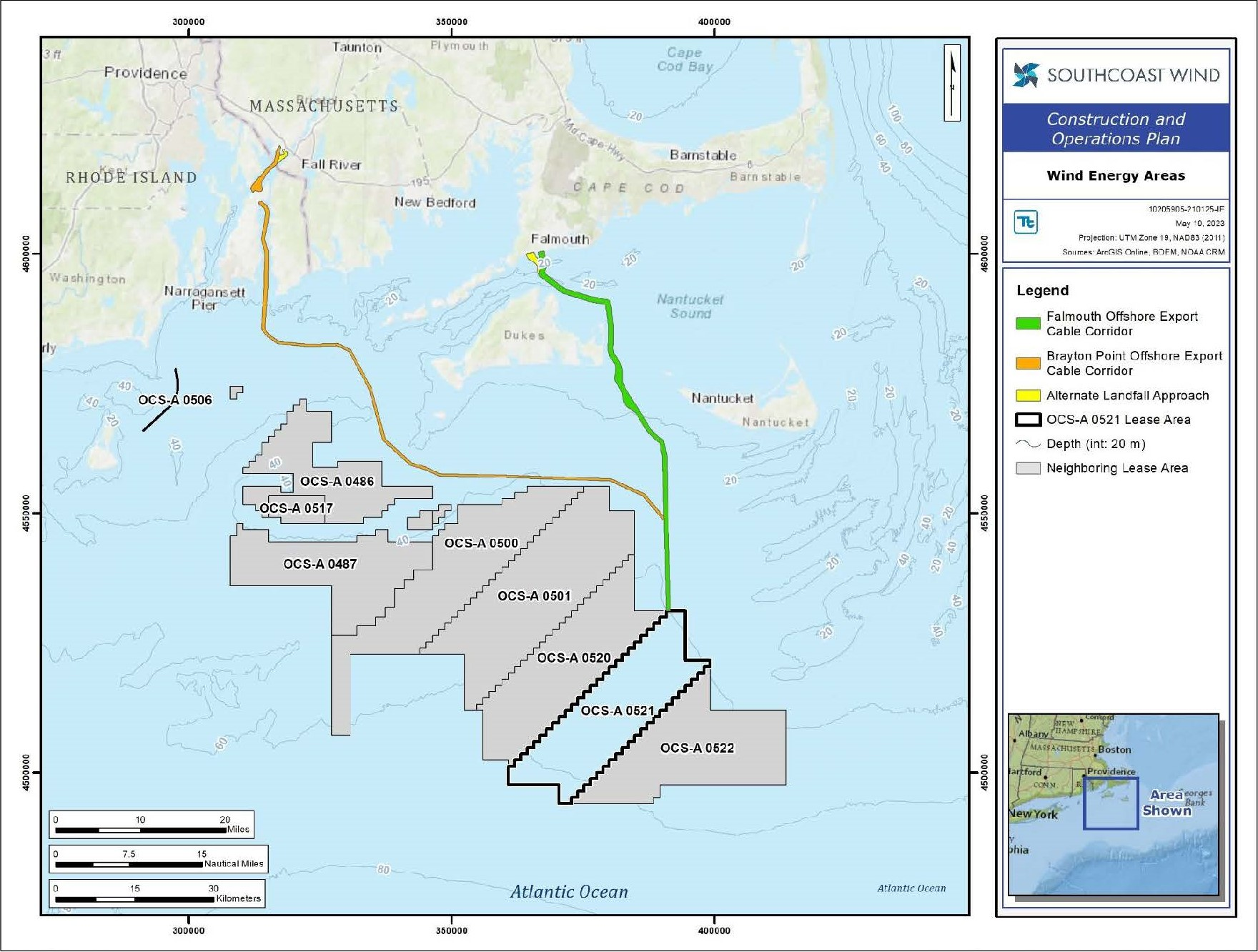
The Construction and Operations Plan (COP) for the SouthCoast Wind project was approved during the last week of the Biden Administration. That approval has been challenged by the Town and County of Nantucket. Ocean Wind, a joint venture of EDP Renewables (Portugal) and ENGIE (France), is the leaseholder.
It is ORDERED that the case be REMANDED to BOEM for reconsideration of its decision and that proceedings in this court are STAYED until further order of the court. It is further ORDERED that, on or before January 3, 2026, and every 60 days thereafter, the parties shall file a joint status report indicating the status of BOEM’s remand proceedings. It is further ORDERED that on or before 30 days following the issuance of a decision by BOEM, the parties shall file a joint status report informing the court if further proceedings are necessary and, if so, providing a proposed schedule for those proceedings.
The UK Met Office told Recharge that the historic trend of wind speeds in Britain was downwards. “The UK annual mean wind speed from 1969 to 2024 shows a downward trend, consistent with that observed globally. There have been fewer occurrences of maximum gust speeds exceeding 40/50/60 knots in the last two decades compared to the 1980s and 1990s.”
Citigroup informs that load factors for both onshore and offshore wind are falling behind capacity growth in Britain’s turbine fleet.
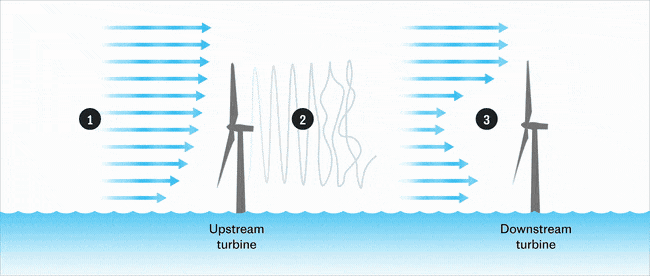
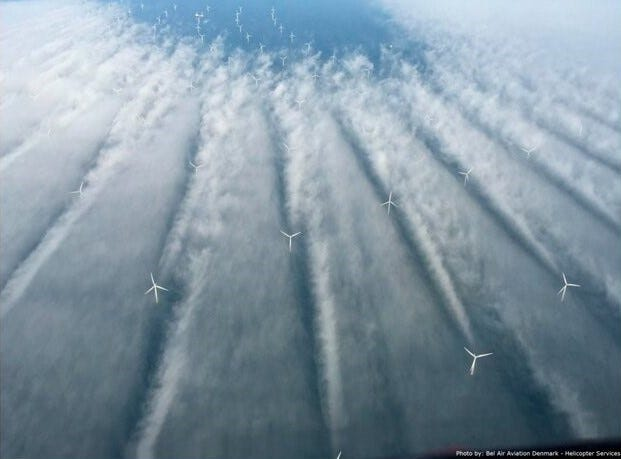
Per the Citigroup analysts, the increasing focus on wind wakes in UK waters has led to a ballooning number of disputes between developers.
In addition to wake losses, local turbulence in the wake regions creates significant unsteady fatigue loads on the downstream turbines, which shorten their working life.
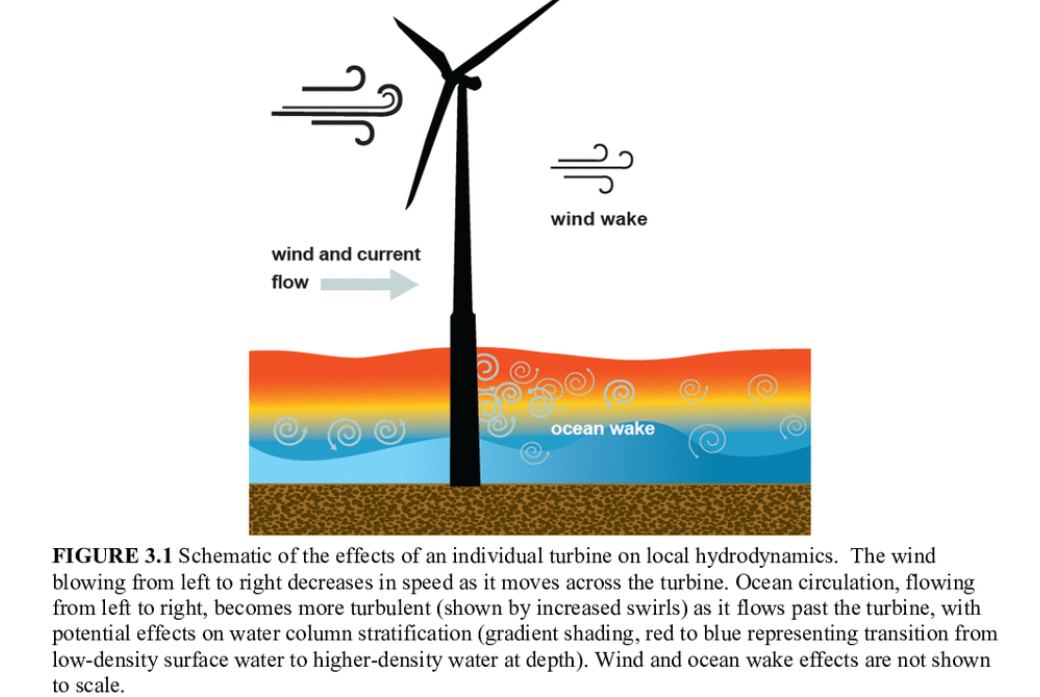
A recent study shows that hydrodynamic conditions in the ocean altered by wind wakes can strongly influence marine primary production (phytoplankton).
The US National Academy of Sciences advised BOEM about the hydrodynamic effects of wind turbines and the potential implications for the endangered North Atlantic right whale (see figure below).
The attached legal petition from Save LBI and Green Oceans, asserts that BOEM improperly amended OCS wind leases at the end of the previous Administration.
The amended language makes it more difficult to cancel leases by stipulating that an OCS wind lease must be suspended for 5 years before it can be cancelled, and that in the event of cancellation, the lessees must be compensated.
The sentence of concern:
Any cancellations are subject to the limitations and protections contained in subsections 5(a)(2)(B) and (C) of the Act (43 U.S.C. § 1334 (a)(2)(B) and (C)). (Those subsections are pasted at the end of this post in their entirety.)
Compensation could be very costly to the Federal govt (taxpayer) given the wild (irrational?) bidding for some leases and subsequent planning and development costs.
See Section 8 of this lease for an example of the amended language. Note that the lease changes are not highlighted or otherwise identified; nor was there any public notice of this change.
The petitioners are requesting that the new lease language be rescinded and that cancellation language in the lease be aligned with the regulations.
(B) that such cancellation shall not occur unless and until operations under such lease or permit shall have been under suspension, or temporary prohibition, by the Secretary, with due extension of any lease or permit term continuously for a period of five years, or for a lesser period upon request of the lessee;
(C)that such cancellation shall entitle the lessee to receive such compensation as he shows to the Secretary as being equal to the lesser of (i) the fair value of the canceled rights as of the date of cancellation, taking account of both anticipated revenues from the lease and anticipated costs, including costs of compliance with all applicable regulations and operating orders, liability for cleanup costs or damages, or both, in the case of an oilspill, and all other costs reasonably anticipated on the lease, or (ii) the excess, if any, over the lessee’s revenues, from the lease (plus interest thereon from the date of receipt to date of reimbursement) of all consideration paid for the lease and all direct expenditures made by the lessee after the date of issuance ofsuch lease and in connection with exploration or development, or both, pursuant to the lease (plus interest on such consideration and such expenditures from date of payment to date of reimbursement), except that (I) with respect to leases issued before September 18, 1978, such compensation shall be equal to the amount specified in clause (i) of this subparagraph; and (II) in the case of joint leases which are canceled due to the failure of one or more partners to exercise due diligence, the innocent parties shall have the right to seek damages for such loss from the responsible party or parties and the right to acquire the interests of the negligent party or parties and be issued the lease in question;
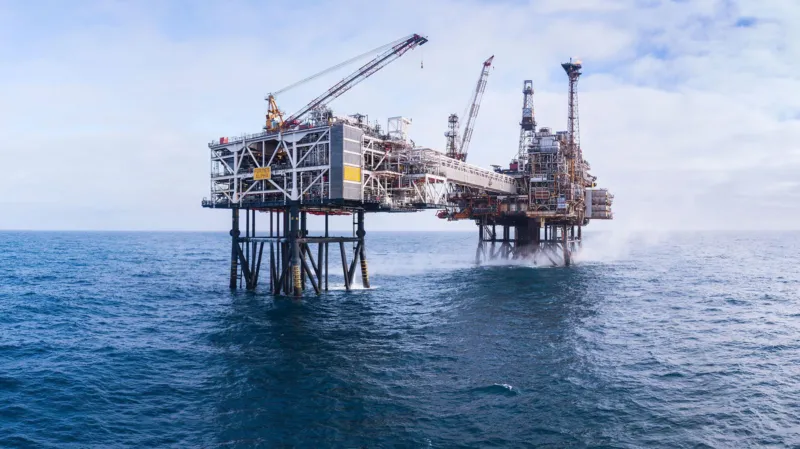
Queen Elizabeth inaugurated Forties field production.
Marking the Forties field’s half-century, the current operator Apache said it stood as a testament to Scottish grit, industrial excellence, and enduring human spirit.
In November 2024 Apache said it had suspended new drilling and would end all its operations in the North Sea by 2029. ☹
Bucks Fizz performed on a Forties field platform in the 1980s
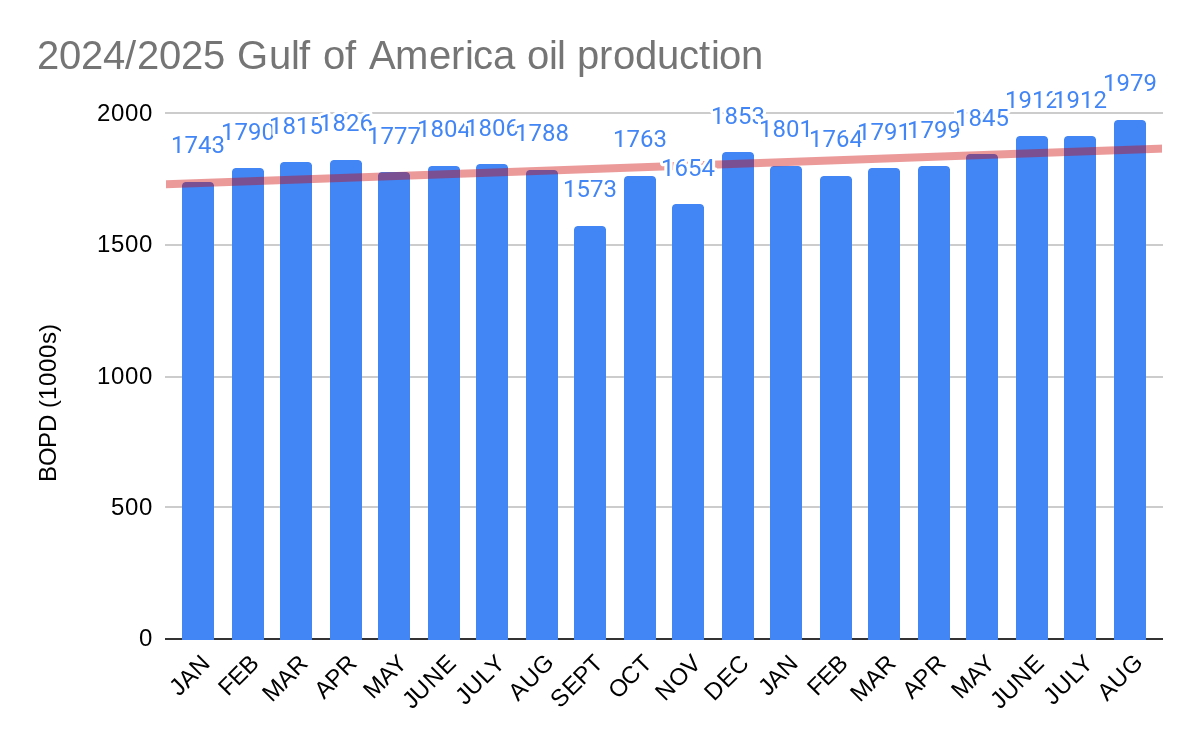
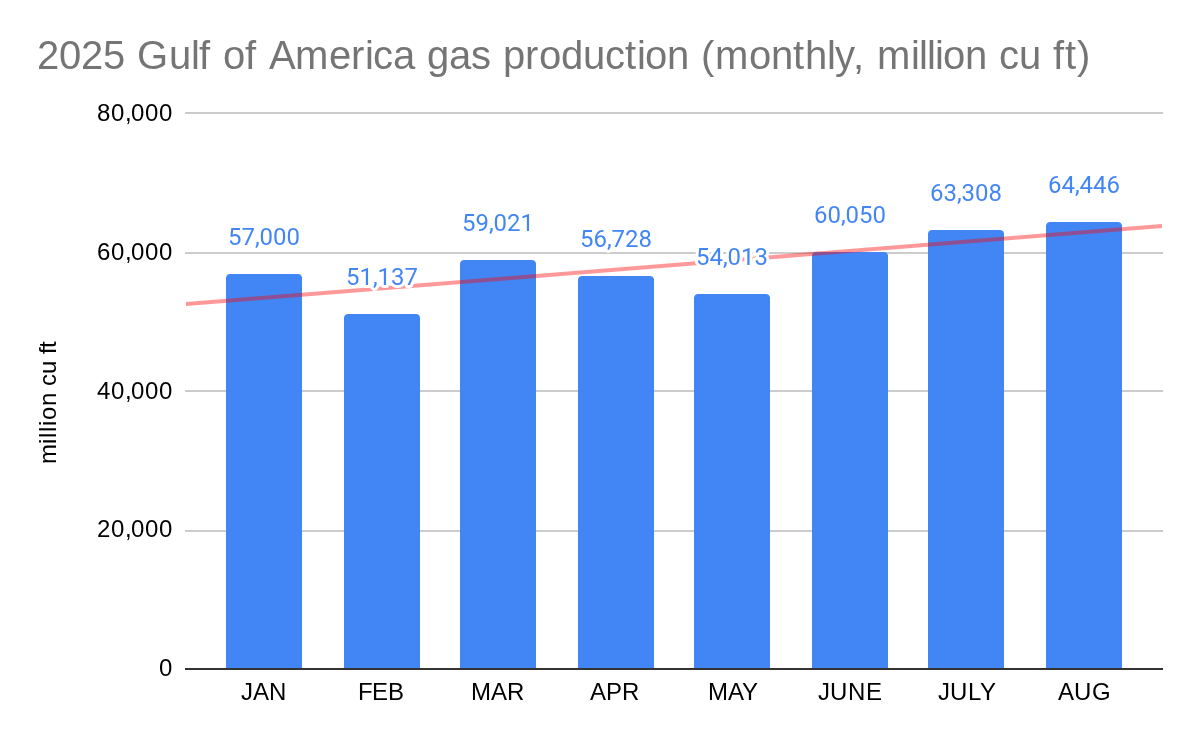
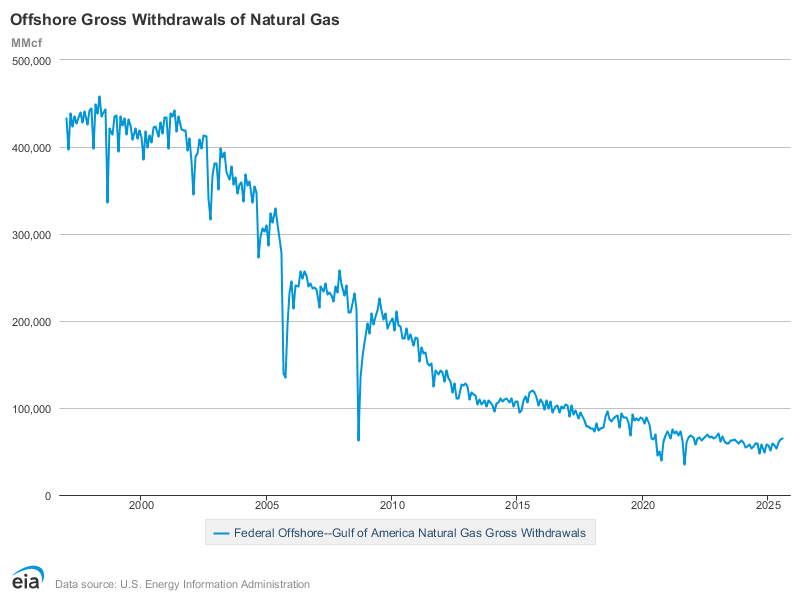
Gas production, which is now overwhelmingly from oil wells, also ticked up. However, gas production remains at historically low levels. (See charts below.)
Time to take another look at ultradeep shelf gas? More on this in a later post.



 Bud's Offshore Energy (BOE)