Feeds:
Posts
Comments

Archive for May, 2022

The Senate Judiciary Committee (with bipartisan support no less) has passed the old, stale, hypocritical, and insulting “No Oil Producing and Exporting Cartels Act” or “NOPEC”. Congress is again engaging in what it does best – blaming others. When oil prices are high, OPEC, nonproducing leases, and price gouging are the targets of choice.

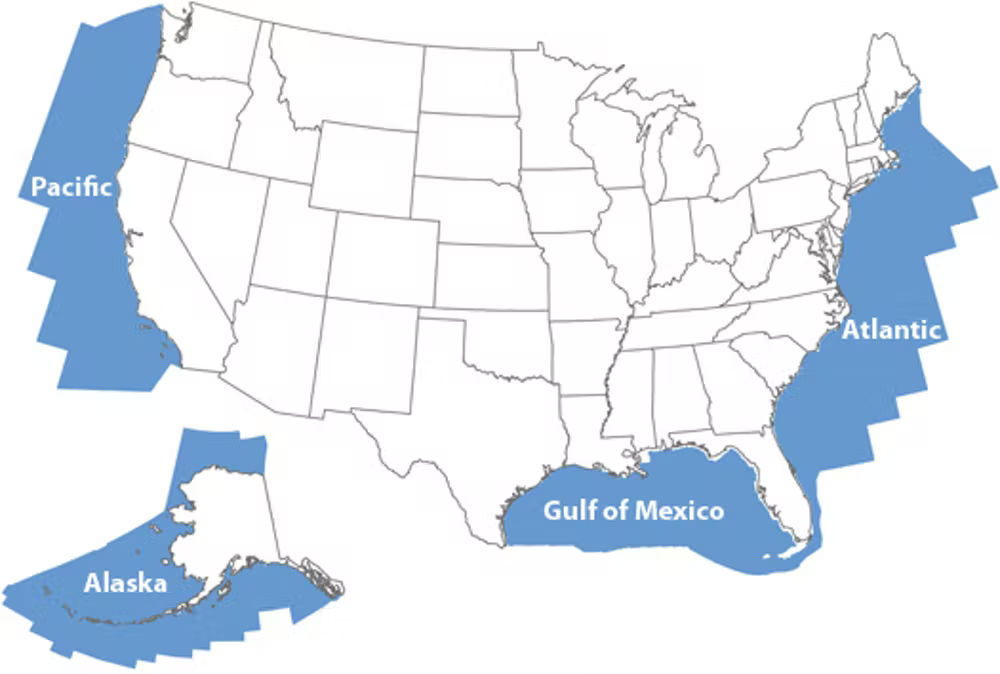
Note the NOPEC language pasted below, particularly the highlighted text. Our government has proven quite capable of limiting production without OPEC’s help. This is especially true for the US offshore sector, which could be responsibly producing at least 1 million more BOPD with fewer access restrictions and timely leasing. Less than 0.5% of the US OCS is currently open to exploration and development.

Other than for grandstanding purposes, how is this bill helpful? Haven’t we been pleading with OPEC to increase production? Even the White House seems to think NOPEC is a bad idea:

White House spokesperson Jen Psaki said the administration has concerns about the “potential implications and unintended consequences” of the legislation, particularly amid the Ukraine crisis. She said the White House is still studying the bill.

Reuters

NOPEC Bill – SEC. 7A. OIL PRODUCING CARTELS.

“(a) In General.—It shall be illegal and a violation of this Act for any foreign state, or any instrumentality or agent of any foreign state, to act collectively or in combination with any other foreign state, any instrumentality or agent of any other foreign state, or any other person, whether by cartel or any other association or form of cooperation or joint action—

(1) to limit the production or distribution of oil, natural gas, or any other petroleum product;

“(2) to set or maintain the price of oil, natural gas, or any petroleum product; or

(3) to otherwise take any action in restraint of trade for oil, natural gas, or any petroleum product,when such action, combination, or collective action has a direct, substantial, and reasonably foreseeable effect on the market, supply, price, or distribution of oil, natural gas, or other petroleum product in the United States.
Read Full Post »

Read Full Post »

Read Full Post »

letter

One important action your administration can take to ensure American energy independence is to publish a new Five-Year Outer Continental Shelf Oil and Gas Leasing Plan (“Five-year Plan”) as required under the Outer Continental Shelf Lands Act of 1953. Finalizing the Five-year Plan, with frequent area-wide leases, would help bring millions of additional barrels of U.S. oil to market. According to a recent analysis by Energy and Industrial Advisory Partners, a further delay of federal offshore leasing could result in 500,000 fewer barrels of domestic oil produced per day, 60,000 lost jobs, and a $900 million per year decrease in federal conservation funding.
.

The four Democrats are Texas Representatives Vicente Gonzalez, Sylvia Garcia, Henry Cuellar and Lizzie Fletcher.

Meanwhile, the Senate approved language supporting the issuance of a new 5 Year Program ASAP. Four Democrats -Joe Manchin (D-WV), Kyrsten Sinema (D-AZ), John Hickenlooper (D-CO), and Mark Kelly (D-AZ) – voted for the measure.

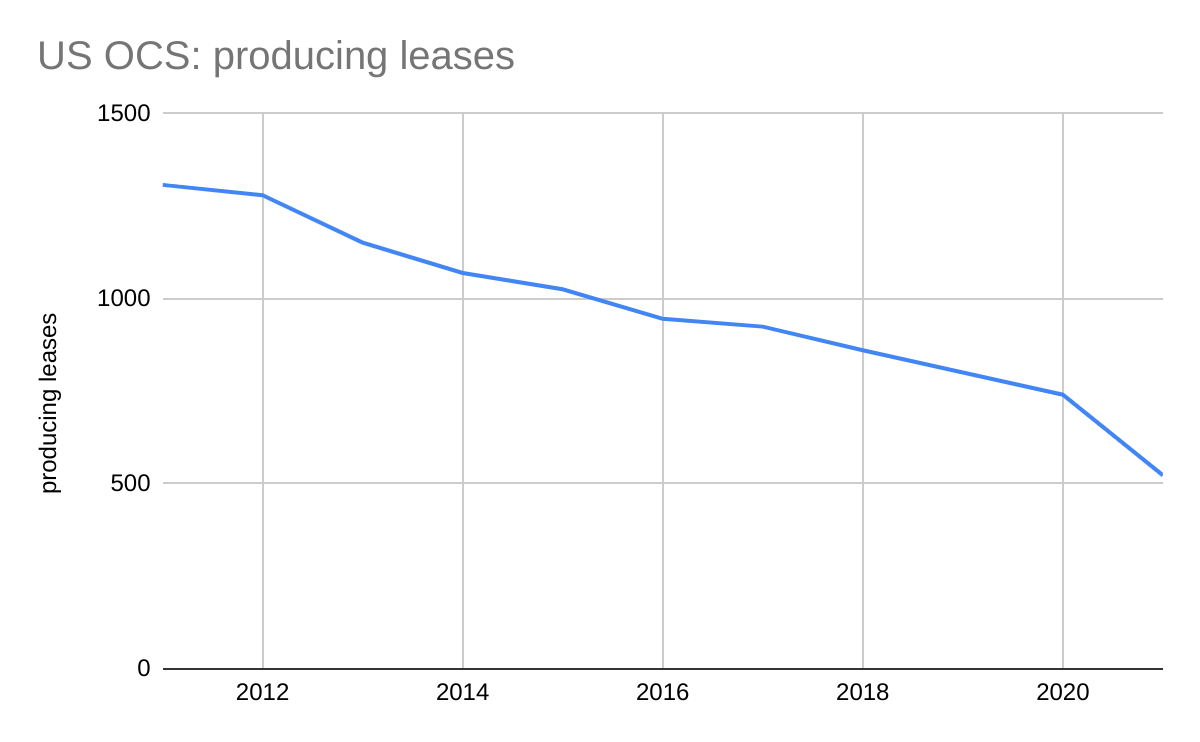
When will we hear from the Department of the Interior on the status of the 5 Year Program? It has now been 532 days since the last US offshore lease sale.

Read Full Post »

When you withdraw oil from the Strategic Petroleum Reserve, eventually you have to replace it. But don’t worry, DOE has got this.

WASHINGTON, D.C. — The U.S. Department of Energy (DOE) today announced it is initiating a long-term replenishment plan for America’s Strategic Petroleum Reserve (SPR) to ensure that it will continue to deliver on its mission as an available resource to alleviate domestic and global crude oil supply disruptions. The buyback process will begin with a call for bids to repurchase a third of the 180 million emergency barrels released as part of a coordinated action with our international partners … 

Feel better now?

Read Full Post »

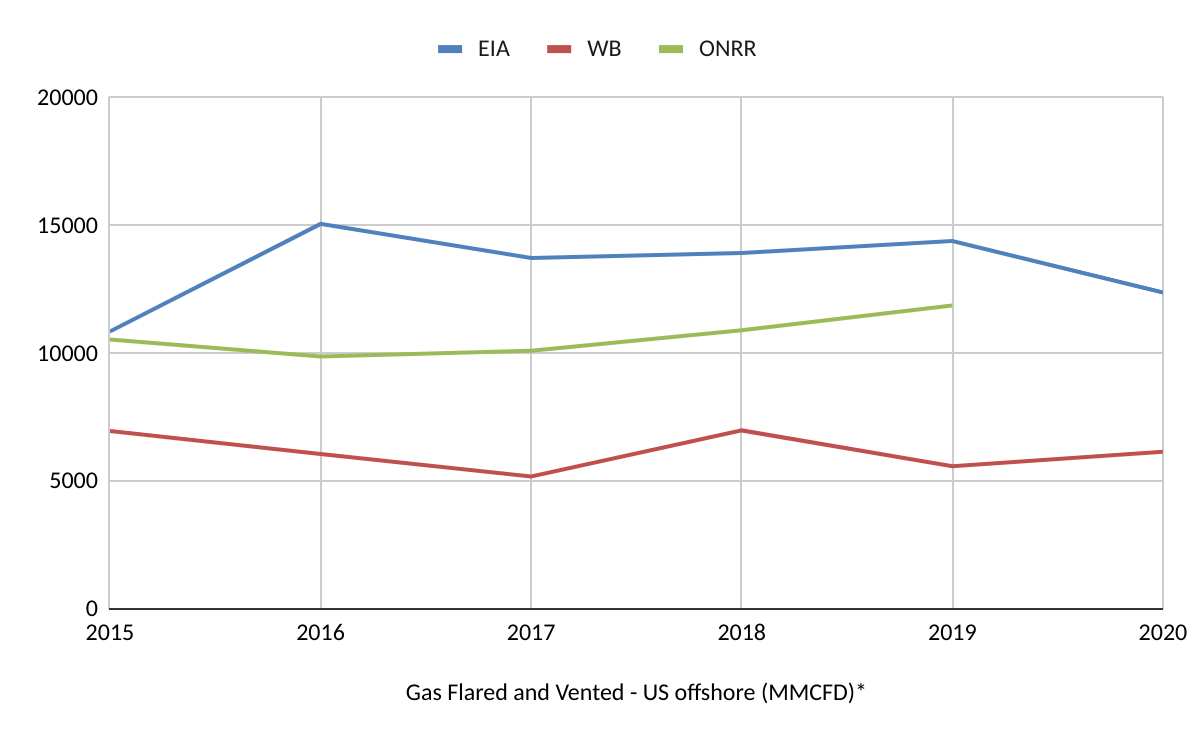
Given the importance of flaring and venting from both environmental and resource conservation standpoints, accurate and reliable data are necessary and should be readily available to the public. ONRR has advised me that they will begin posting flaring and venting data on their website within 2 months. This is a positive step. Currently, data from the 3 primary sources differ considerably.

Data Sources:

Comments:

  • The EIA (from BSEE) and ONRR flaring/venting numbers should be the same given that the ONRR data are reported in accordance with BSEE regulations, and BSEE is presumably providing ONRR data to EIA. This needs to be clarified.
  • The World Bank’s gas flaring estimates are based on observations from satellites. This explains their lower numbers given that vented gas would not be detected and some flares might be missed.
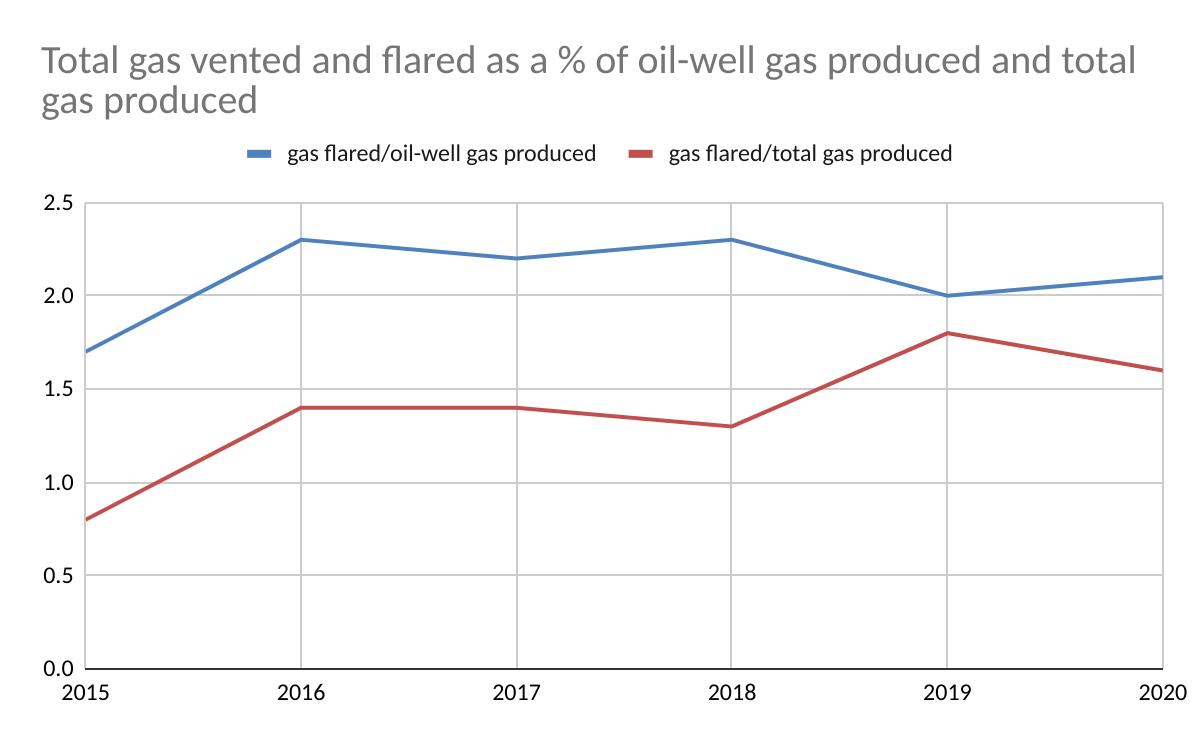
  • In a 1/2021 interview with World Oil, the exiting BSEE Director commented that the “industry has consistently achieved a ratio of less than 1.25% of flared, vented gas to produced gas.” However, based on EIA flaring and venting data (from BSEE per EIA) and EIA gas production data, the volume of gas flared/vented exceeded 1.25% of the gas produced from 2016-2020 and was as high as 1.8% in 2019. (See the chart below.) Even if the lower ONRR flaring/venting totals are used, those volumes exceeded 1.25% in 2019 (1.5%).
  • BSEE/ONRR should make more detailed flaring/venting data available so that the differences between facilities and sectors (e.g. deepwater vs. shelf) could be assessed. Efforts should also be made to post these data in a more timely manner. At this time, 2021 data are still not available.

Reports of interest:

  • Argonne report for BSEE (2017):
    • p. 17 – “The 2015 BSEE/BOEM study on reducing methane emissions observed that “while natural gas production has declined, …vented and flared gas volumes as a percentage of produced natural gas are increasing” and noted that additional investigation is needed to determine why.” This is consistent with my observations and is probably due in large part to the fact that most gas production is now from oil-wells (e.g. associated gas).
    • p. 24 – “Argonne estimates, in 2015, platform startups for deep-water floating structures accounted for roughly 15% of the total annual flaring volume on the OCS and an additional 20% of the annual total resulted from monthly spikes associated with compressor outage, pipeline maintenance, and well-unloading.”
  • Univ. of Michigan study (2020): “Large, older facilities situated in shallow waters tended to produce episodic, disproportionally high spikes of methane emissions. These facilities, which have more than seven platforms apiece, contribute to nearly 40% of emissions, yet consist of less than 1% of total platforms.” 

Read Full Post »

OCS Lands Act, 43 U.S. Code § 1332 – Congressional declaration of policy

(3) the outer Continental Shelf is a vital national resource reserve held by the Federal Government for the public, which should be made available for expeditious and orderly development, subject to environmental safeguards, in a manner which is consistent with the maintenance of competition and other national needs;

Current reality:

  • International energy markets (and consumers) are under stress
  • US is withdrawing 1 million BOPD from the Strategic Petroleum Reserve
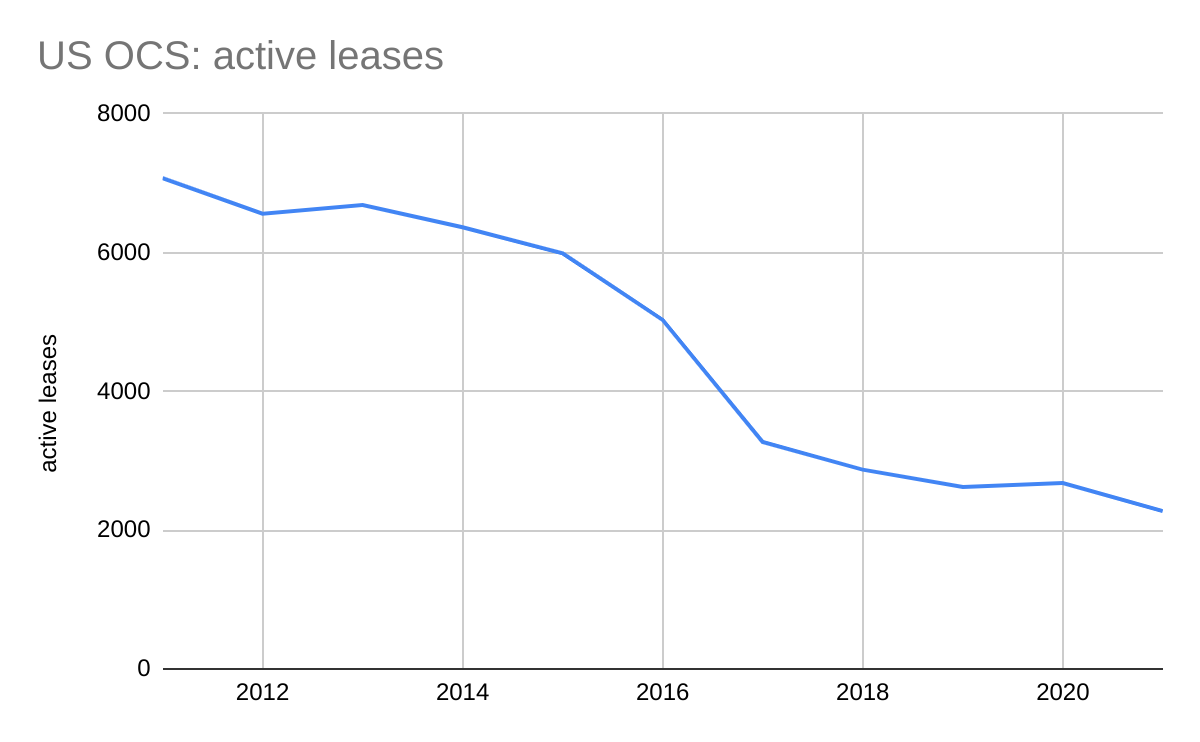
  • Very limited access to offshore land for oil and gas operations
  • 182 lease sales since 1954, but none since 2020
  • Gulf of Mexico operations history
    • 55,000 wells drilled
    • 23 billion bbls of oil produced
    • 192 trillion cu ft of gas produced
  • Gulf of Mexico – current status
    • Oil production remains relatively stable (1.7 million BOPD) owing to past deepwater discoveries
    • Drilling is at historic low levels – only 31 well starts YTD (5/4/2022), only 8 of which were deepwater exploratory wells
    • Current levels of production are not sustainable without new leases and increased exploration

https://budsoffshoreenergy.com/2022/02/28/us-offshore-leasing-time-for-action/

https://budsoffshoreenergy.com/2022/04/04/500-days/

Read Full Post »

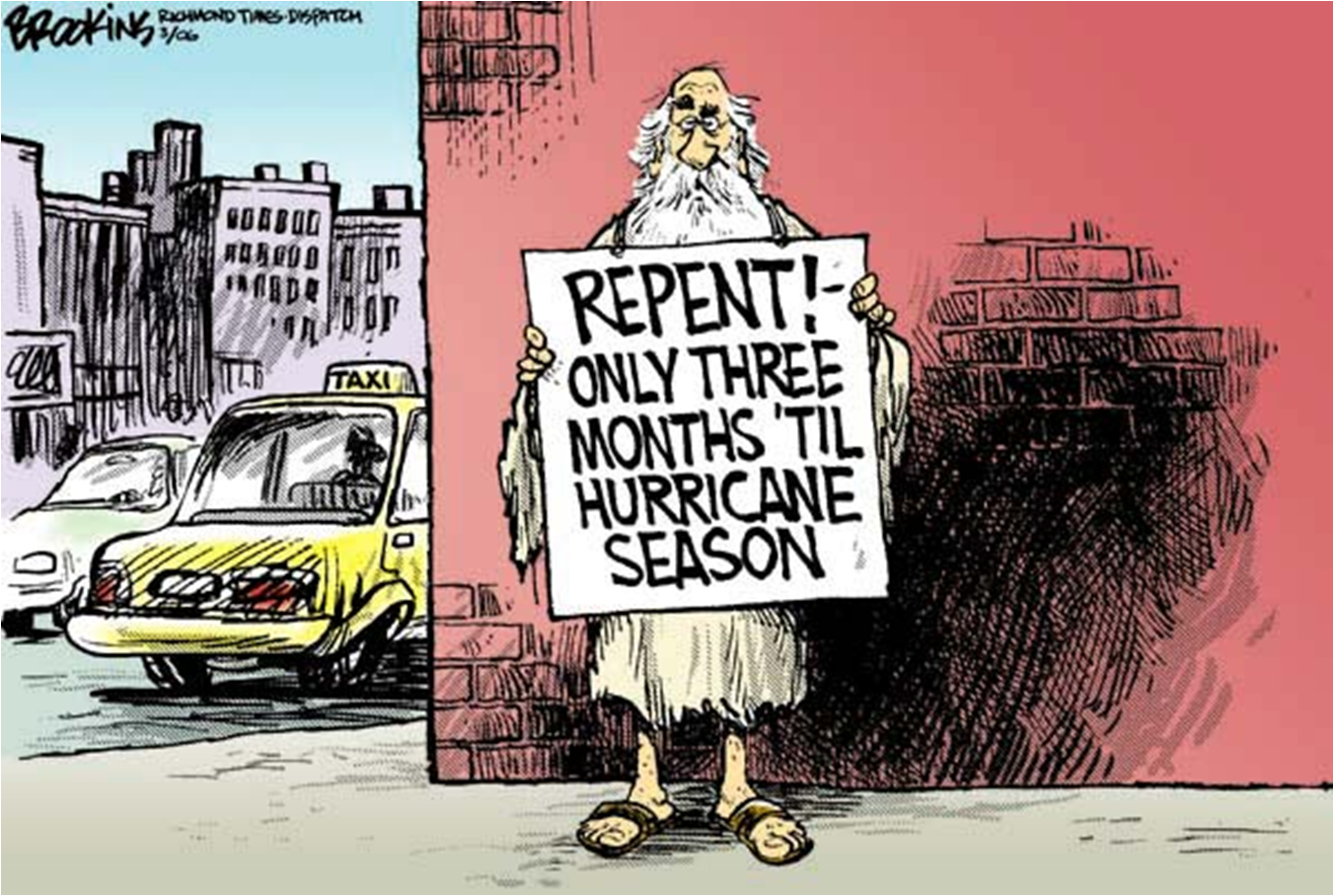
This is a great Gary Brookins cartoon from March 2006 that has been featured in some of my presentations. We now have only one month until the official start of the 2022 Atlantic hurricane season so my post is a bit late! However, the season peaks in mid-September, so you could also argue that I’m posting this too early!

Read Full Post »

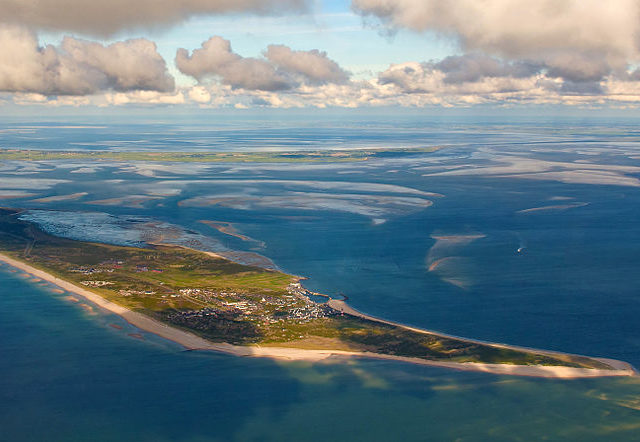
Wadden Sea

Germany will work with the Dutch exploration and production company, ONE-Dyas, to operate a gas field in the North Sea above Schiermonnikoog and the German Wadden island of Borkum, Dutch broadcaster NOS reported on Wednesday.

The announcement was made on Tuesday by Bernd Althusmann, economy minister of the state of Lower Saxony, NOS reported.

“We cannot afford to ask the Netherlands for more gas and continue to refuse to extract our own gas,” Althusmann said.

EURACTIV

Meanwhile, the US offshore program continues to be paralyzed.

Read Full Post »

« Newer Posts