Workers on the doomed Gulf of Mexico oil rig were distracted by multiple activities going on simultaneously and didn’t try to shut the well until 49 minutes after potentially explosive gas particles began flowing in, a BP vice president told a federal investigative panel Wednesday.
Archive for December, 2010
More from the BOEMRE-CG Macondo Hearings
Posted in accidents, well control incidents, tagged accidents, blowouts, BOEMRE, Coast Guard, Deepwater Horizon, Gulf of Mexico, macondo, offshore oil, oil spill, safety, well control on December 8, 2010| Leave a Comment »
Posted in accidents, well control incidents, tagged accidents, blowouts, Canada, CBC, Deepwater Horizon, drilling, Gulf of Mexico, macondo, offshore oil, oil spill, safety, well control on December 8, 2010| Leave a Comment »
 Blowout: Is Canada Next?

Thursday, December 9, 2010 at 9 pm on CBC-TV
If the title and announcement for this CBC documentary are indicators, this won’t be a scholarly review of the risks associated with Canadian offshore exploration and development. Nonetheless, those of you who can view CBC programming may want to tune in and see what they have to say.
National Commission Recommends “Safety Institute”
Posted in accidents, tagged accidents, Deepwater Horizon, Gulf of Mexico, macondo, National Commission, offshore oil, safety, Safety Institute, well control on December 2, 2010| 1 Comment »
As presented this morning:
- Core mission: achieve excellence in system safety across offshore oil and gas industryIndependent auditing function
- Cannot lobby – cannot be the American Petroleum Institute
- Company CEOs and boards of directors provide leadership and ensure engagement of employees with it
- Institute is empowered to use real rewards and sanctions to help all industry players overcome the enemies of safety –ignorance, arrogance, and complacency.
Australian Government accepts 92 Montara Commission recommendations; or did they?
Posted in accidents, well control incidents, tagged Australia, Montara, offshore oil, relief well, safety, well control on December 1, 2010| Leave a Comment »
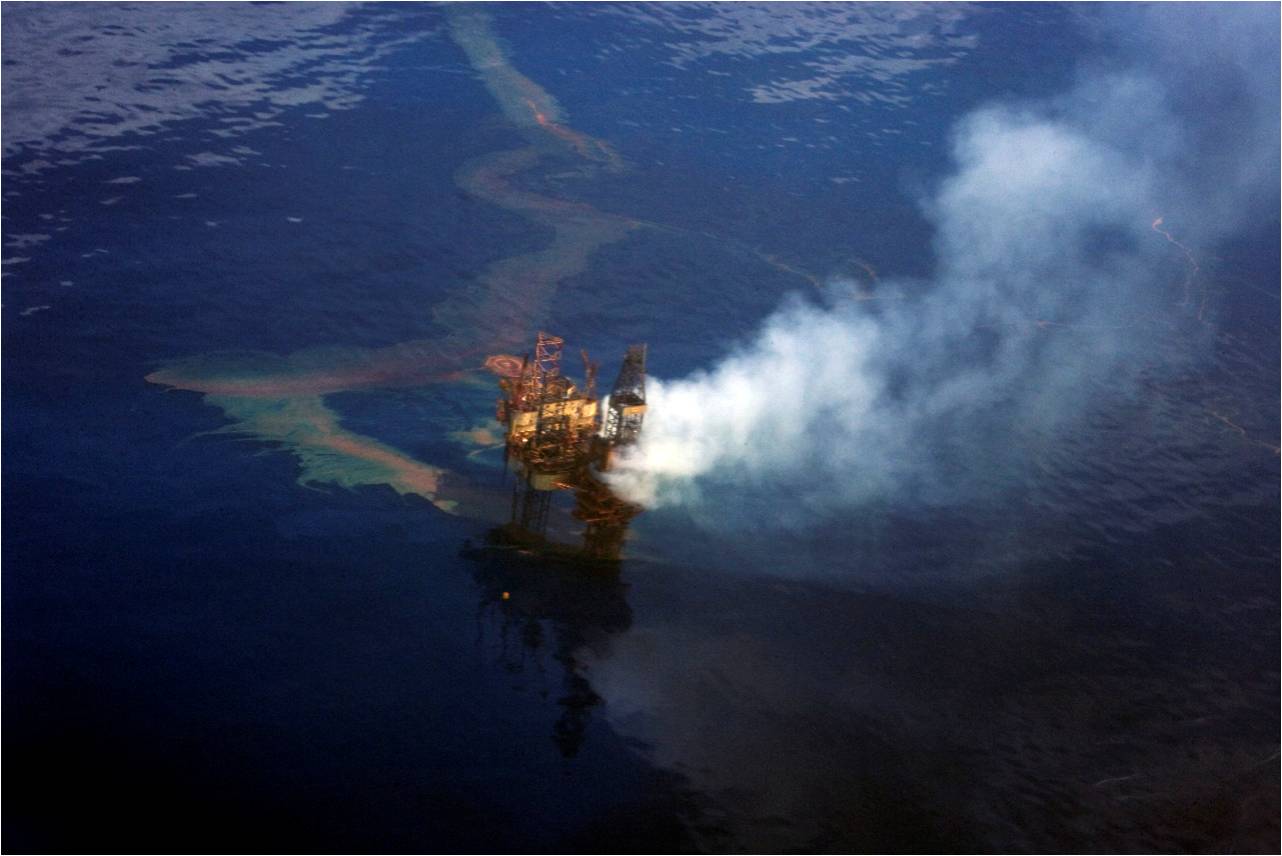
According to the Australian Government’s report:
The draft Government response proposes accepting 92 recommendations, noting 10, and not accepting three. The three recommendations that are proposed not to be accepted relate to actions which are technically inappropriate.
While these numbers imply nearly complete Government concurrence with the Commission’s recommendations, the recommendation and response tables (beginning on page 17) tell a somewhat different story. A few examples follow:
- For some of the recommendations, the Government’s acceptance seems to have little significance. For example, recommendation 11 calls for a Memorandum of Agreement (MOA) among operators to provide emergency assistance in the event of a blowout. The Government “accepts” this recommendation by commenting that such an MOA is an industry matter. Since the Commission recommended that operators enter into a MOA, they clearly understood that this was an industry matter. That’s not the point. The Commission would no doubt like the Government to exercise its influence and authority to ensure that the MOA was prepared and executed in a timely manner. The Government made no such commitment in its response. When the Montara well blew out, every operator and drilling contractor in the region should have been prepared to suspend operations immediately and move their rig to the site. For reasons that remain unclear, that does not appear to have been the case.
- Other recommendations are accepted/dismissed by saying that the recommended action is “accepted industry practice.” While that may be true, the Commission is reminding us that there are problems and inconsistencies in the way industry interprets and applies these practices. How will the Government ensure that these challenges are addressed?
- Recommendation 19 calls for operators “to inform regulators of the proposed removal of a barrier, even if they consider that well integrity is not thereby compromised.” The recommendation specifically states that the “the information should be presented by way of a special report.” The Government’s “acceptance in part” reads like “rejection in full,” since the Government comments that existing rules cover this and that the providing this information in the daily drilling report is sufficient.
- Very good well control recommendations (57-62) are seemingly dismissed (although the text says they are accepted) by saying that “this is primarily an industry operational matter” and “the Government notes that operators already have well control and operating standards in place.” How is that “accepting” the recommendation? Yes, this is an industry matter, but improvements are needed in the standards and training, and it’s the Government’s responsibility to make sure that industry makes these improvements.
- Recommendation 65 pertains to safety culture issues that apply to well control. The Government dismisses the recommendation (“accepted in principle”) as an industry matter. Can the Government can do nothing to promote safety culture? Norway has had a safety culture regulation since 2002 and Dr. Mark Fleming, a leading researcher on the topic, made it quite clear in his Vancouver presentation that the Government can and must influence safety culture.
In accepting the Commission’s recommendations, the Government has an obligation to be make sure they are implemented, regardless of which party has primary responsibility for the action.
 Bud's Offshore Energy (BOE)