GE Vernova retained Arcadis US, Inc., to perform an initial assessment of environmental considerations associated with the presence of the blade debris in the water and along the shoreline. That report is attached. Linked is a Nantucket Current article on the assessment.
Posts Tagged ‘turbine blade failure’
Initial environmental assessment of Vineyard Wind blade debris
Posted in accidents, Offshore Energy - General, Offshore Wind, tagged debris, environmental assessment, turbine blade failure, Vineyard Wind on July 24, 2024| 1 Comment »
Aquinnah (Gay Head, Martha’s Vineyard) tribe calls for moratorium on offshore wind development
Posted in accidents, energy policy, Offshore Wind, tagged Aquinnah, Cheryl Andrews-Maltais, Gay Head, Martha's Vineyard, moratorium, turbine blade failure, Vineyard Wind, Wampanoag Tribe, wind development on July 23, 2024| Leave a Comment »

In the aftermath of a broken turbine blade off their coast, the Wampanoag Tribe of Gay Head (Aquinnah) is calling for a moratorium on all offshore wind development in the United States until further research can be done on the impact of wind farm construction.
In a letter to BSEE Director Kevin Sligh, Aquinnah Wampanoag chairwoman Cheryl Andrews-Maltais:
- expressed “strong concerns and outrage” over the fractured Vineyard Wind turbine blade and the debris that washed ashore on Nantucket.
- said the foam and fiberglass debris have “potential negative and adverse impact[s]” on the environment, marine life, and human health.
- said fragments in the water pose a threat to shellfish, which are a crucial part of both the marine food web and also ingested by humans.
- commented that the potential contamination of shellfish with fiberglass and other materials could have severe consequences for human consumption and public health.
- criticized the lack of communication from federal officials to the tribe.
- called for an “immediate stoppage” of offshore wind construction in U.S. waters until they can be evaluated for microfractures and other damages.
Should wind leasing and development be paused until the Vineyard Wind investigation is completed?
Posted in energy policy, Gulf of Mexico, Offshore Energy - General, Offshore Wind, Regulation, tagged BOEM, BSEE, Nantucket, turbine blade failure, Vineyard Wind, wind leasing on July 23, 2024| 1 Comment »
The Vineyard Wind turbine incident, which littered Nantucket beaches, has also tarnished the US offshore wind program. BSEE has prudently halted Vineyard Wind operations and construction pending an investigation into the blade failure.
Offshore wind development is structure rich, so public confidence in the design of turbines and support platforms is critical. BOEM lists 37 active wind leases on the US OCS. Most of these leases have not yet reached the construction phase. A hold on the approval of any Construction and Operations Plans would seem to be appropriate pending completion of the Vineyard Wind investigations.
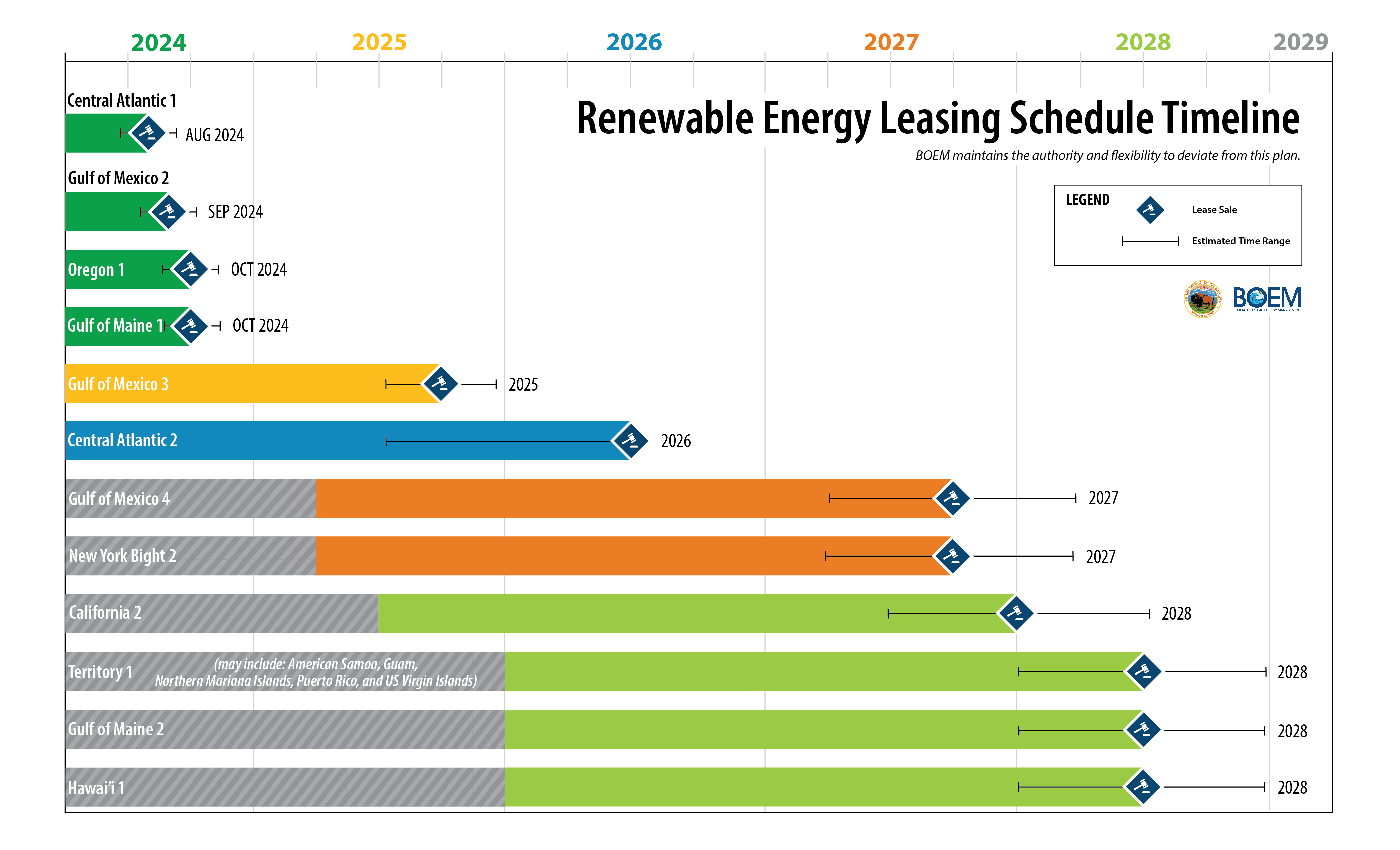
Per the leasing schedule below, BOEM intends to hold 4 wind sales during the remainder of 2024, all within a 3 month period. Only 1 sale is scheduled for each of the following 2 years. Deferring the 2024 sales until the investigations are complete would assist potential lessees by ensuring that the issues of concern were fully understood.
Unfortunately, BOEM’s failure to conduct a 2024 oil and gas lease sale has boxed in the wind program. The Inflation Reduction Act prohibits BOEM from issuing wind leases unless an oil and gas sale has been held within the previous year. Lease Sale 261 was held on 12/20/23 meaning that no wind leases may be issued after 12/20/24. BOEM has compressed the wind leasing schedule, presumably to beat the legislative deadline. It would have been better for both the oil and gas and the wind programs if at least one oil and gas sale had been held in 2024 as has been customary since the 1950s.
Debris poses a significant risk to marine mammals
Posted in accidents, Offshore Wind, tagged mammals, marine debris, RIght Whale, turbine blade failure, Vineyard Wind on July 17, 2024| 1 Comment »
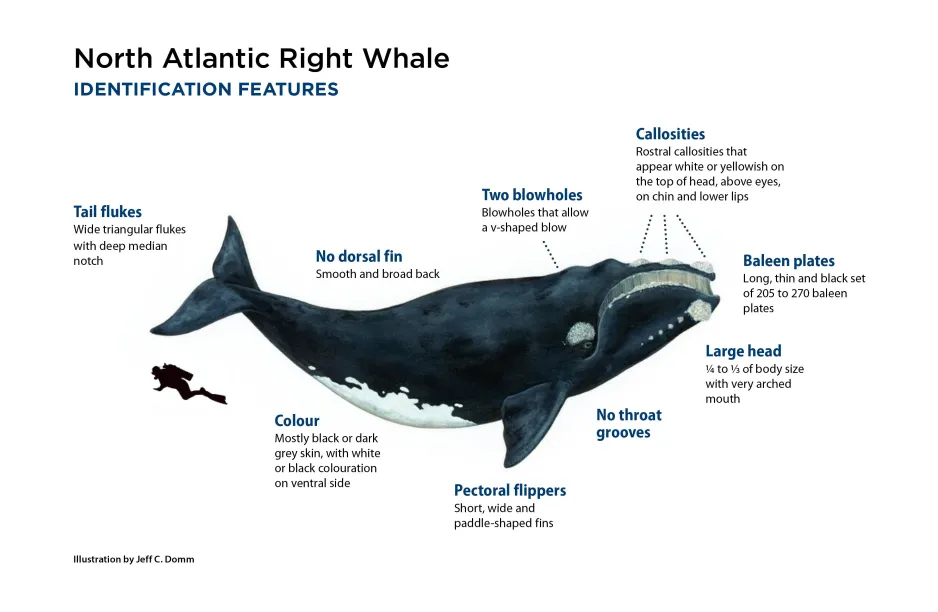
In the wake of the Vineyard Wind turbine blade incident, it’s important to note that marine debris is a significant risk factor for mammals. This is a particular concern for baleen whales, like the endangered right whale, which filter large amounts of water. Per NOAA:
Marine Mammals: Many species of marine mammals have also been confirmed to eat marine debris. A review by Kühn and van Franeker found that 69 species of marine mammals have been found to ingest debris – that’s 56% of all marine mammals! This includes 44 species of odontocetes (toothed whales), manatees, and multiple seal species. Marine mammals are highly protected, which can make it difficult to research them. Most research on marine mammals takes place after an animal dies, making it difficult to understand what marine debris live animals eat. However, we do know that because baleen whales filter extremely large amounts of water while feeding, they may get plastic debris entangled in their baleen plates.
An Argentinian study describes the “finding of plastic litter in the digestive tract of a southern right whale (Eubalaena australis) juvenile male, which was found dead on the shores of Golfo Nuevo, Chubut, Argentina in 2014.”
Vineyard Wind turbine blade incident
Posted in accidents, Offshore Energy - General, Offshore Wind, tagged BSEE, Capt. Carl Bois, Coast Guard, GE, Nantucket, turbine blade failure, Vineyard Wind on July 17, 2024| 2 Comments »
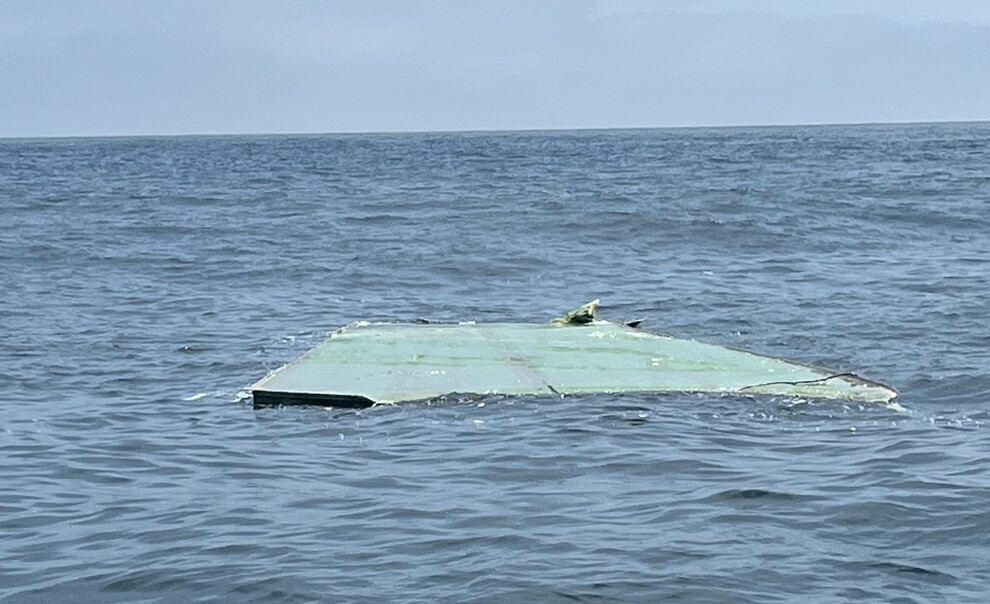

On Sunday (7/14), Capt. Carl Bois, of the fishing charter Topspin out of Nantucket, told the Current he noticed a significant amount of debris in the Vineyard Wind lease area.
“There was so much debris at the wind farm,” Bois said. “We covered many miles and only saw the debris at the wind farm site: big sheets of fiberglass with foam core and lots of loose foam.”
On Saturday night (7/13) the Coast Guard warned Mariners as follows: “Coast Guard received a report of 03 floating debris 10 meters by 2 meters in the vicinity of approximately 26 NM SE of Marthas Vineyard and 22 NM SW of Nantucket in position 40 59.559N 070 25.404W. All marines are requested to use extreme caution while transiting the area.“
On Monday (7/15), Vineyard Wind confirmed that a turbine blade incident occurred on 7/13: “On Saturday evening, Vineyard Wind experienced blade damage on a wind turbine in its offshore development area. No personnel or third parties were in the vicinity of the turbine at the time, and all employees of Vineyard Wind and its contractors are safe and secure.”
On 7/16, Vineyard Wind issued another statement advising that they were deploying teams to Nantucket to clean up debris from the incident.
Comments:
- Not a good look for the first large-scale offshore wind project in the US.
- It’s unclear what the status of operations was at the time of the incident.
- Vineyard Wind seems to be passing the buck a bit when they note that “GE, as the project’s turbine and blade manufacturer and installation contractor, will now be conducting the analysis into the root cause of the incident.” While GE’s findings are critical, Vineyard Wind, as operator, is fully responsible and accountable for the incident and should be leading the analysis.
- Was their a third party review of the turbine design?
- Was the incident reported to BSEE, the safety regulator for offshore wind? State and local government?
- BSEE and the Coast Guard should ensure that Vineyard Wind’s findings and their own independent report are made publicly available in a timely manner. Ditto for Safety Alerts.
- What other incidents have occurred during offshore wind facility construction and operations?
- In 2017, Vineyard Wind requested to defer providing the full amount of the required financial assurance until year 15 of actual operations. That request was denied, but was approved when resubmitted in 2021. The regulations have now been revised to allow such deferrals of financial assurance on all offshore wind projects.
Vineyard Wind is a joint venture between Avangrid, a Spanish company, and Copenhagen Infrastructure Partners. They were
 Bud's Offshore Energy (BOE)