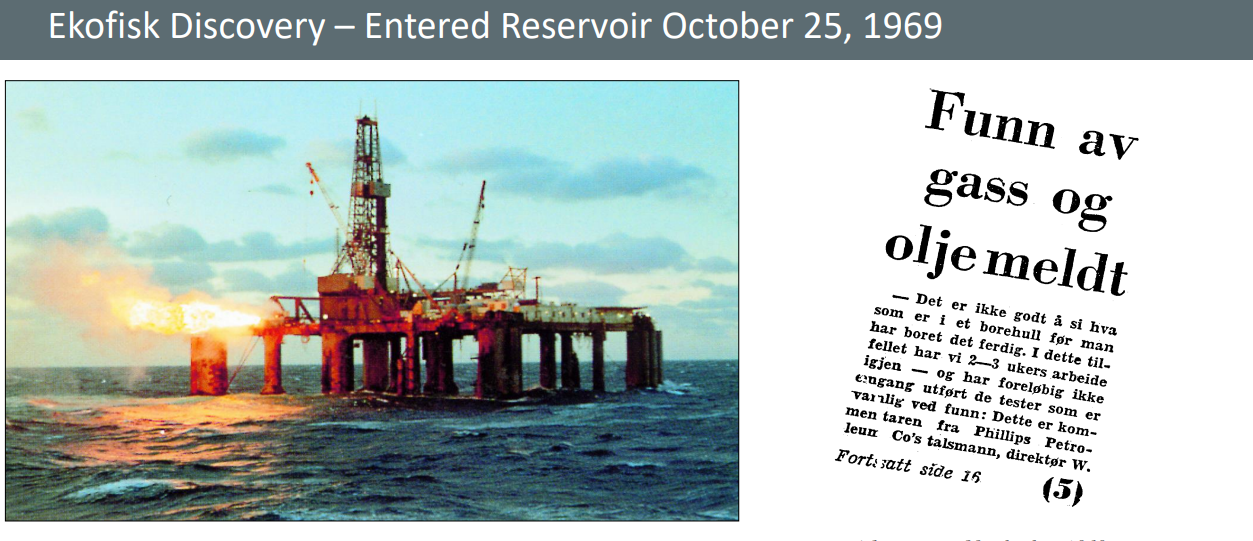

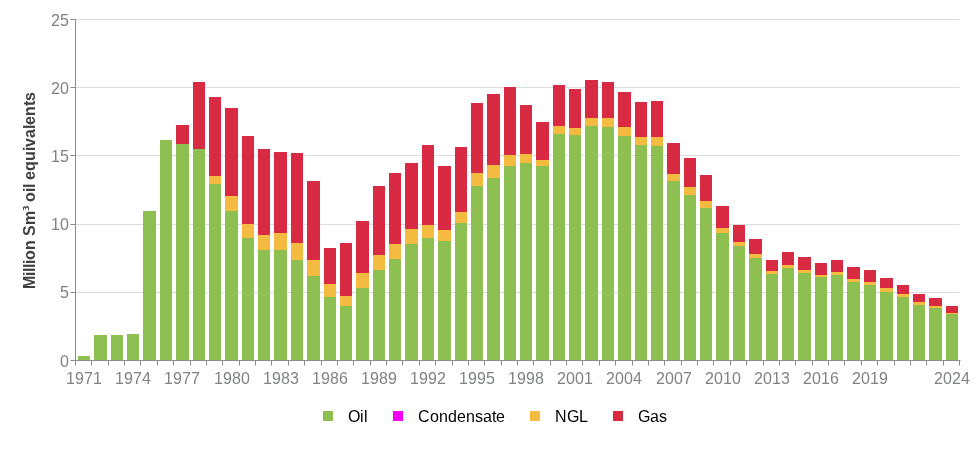
Ekofisk was Norway’s first commercial oil discovery in 1969, with first production in 1971. Another redevelopment phase could extend production to 2050 and beyond. This is a good example of how technology and reservoir management can extend field life indefinitely. Finite resources are not really finite.
ConocoPhillips and partners have approved the redevelopment of three gas and condensate fields depicted below — Albuskjell, Vest Ekofisk, and Tommeliten Gamma. Better well placement and the use of horizontal well technology will increase resource recovery.

The $1.8 billion project consists of four new subsea templates and 11 production wells tied back to the Ekofisk complex. First production is planned towards the end of 2028. Recoverable gas and condensate reserve additions are estimated at between 90 million and 120 million barrels of oil equivalent.
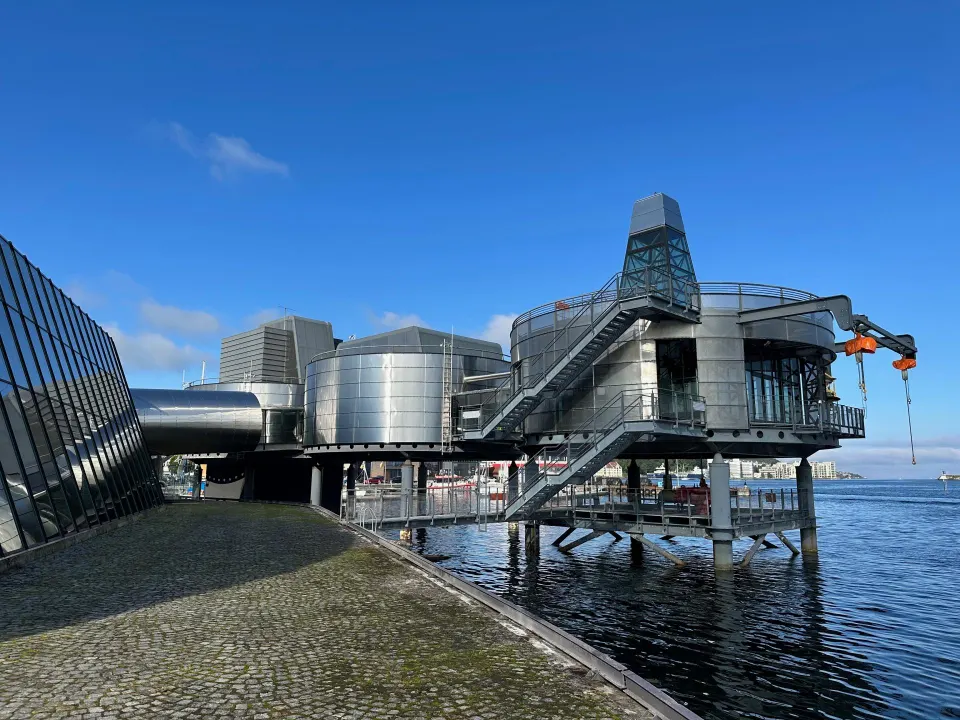
If you ever get to Stavanger, be sure to visit the Petroleum Museum! HIghly recommended!


 Bud's Offshore Energy (BOE)