Feeds:
Posts
Comments

Posts Tagged ‘Siemens Gamesa’

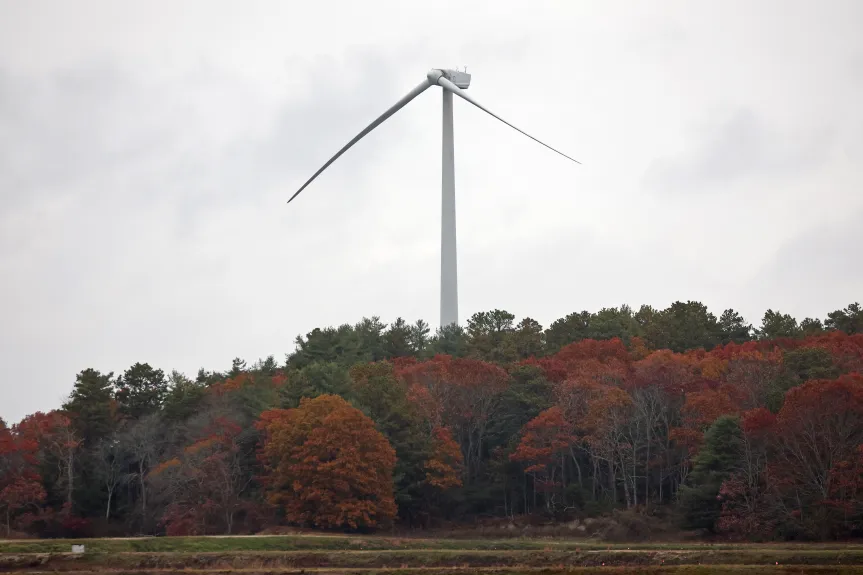
Plymouth MA wind turbine that lost a blade. (Stuart Cahill/Boston Herald)

Friday’s turbine blade failure in Plymouth MA is perhaps getting added attention given its proximity to the 7/13/2024 Vineyard Wind blade failure offshore Nantucket. The Plymouth blade landed in a nearby cranberry bog (video and picture below).
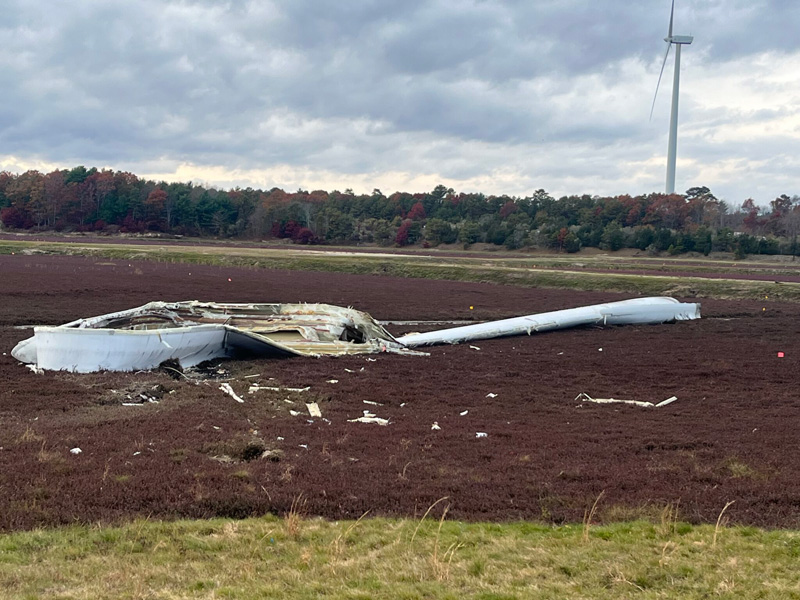
Per the MV Times, the turbines for the Plymouth project were manufactured by Gamesa, which is now part of Siemens Gamesa. Both the South Fork Wind and Revolution Wind projects off the coast of the Martha’s Vineyard are being developed by Ørsted using turbines from Siemens Gamesa. Coastal Virginia Offshore Wind, the largest offshore wind project in the United States, is also being developed with Siemens Gamesa turbines. This is not to imply a higher degree of risk for those turbines. Vineyard Wind, where the only US offshore failure has occurred to date, is using GE Vernova turbines.

Unfortunately, turbine blade failures are much too common. Last October, Lars Herbst reported, based on a Wind Power article, that “with an estimated 700,000 blades in operation globally, there are, on average, 3,800 incidents of blade failure each year.” Lars noted that the annual blade failure rate of about 0.5% translates to 1.5% of all operating wind turbines experiencing a blade failure every year, a remarkably high failure frequency.

Scotland Against Spin data indicate that blade failure is the second most common accident type in the wind industry, and the most common cause of accidents at operational wind turbine sites. SAS reports further that pieces of blade are documented as travelling up to one mile, and have gone through the roofs and walls of nearby buildings.

Lastly, we are still awaiting BSEE’s report on the Vineyard Wind failures so we can better understand what happened and why.
Read Full Post »

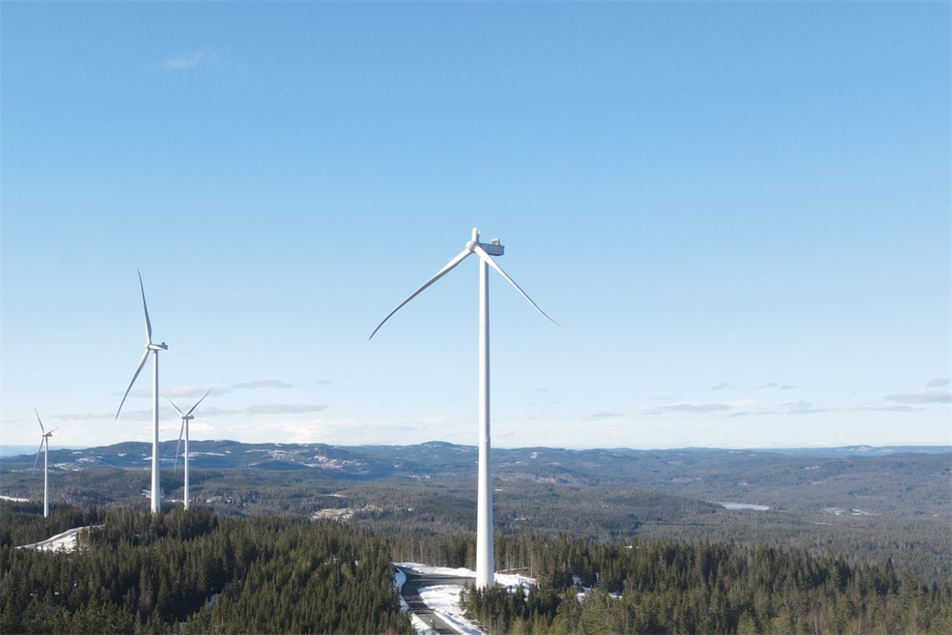
In April 2024, a 72 meter, 22 ton blade from a turbine at the Odal onshore wind farm in Norway fell to the ground. 15 of the wind turbines at the facility were already out of operation, 13 due to blade defects. In 2023, Siemens Gamesa warned of quality problems at its onshore unit.
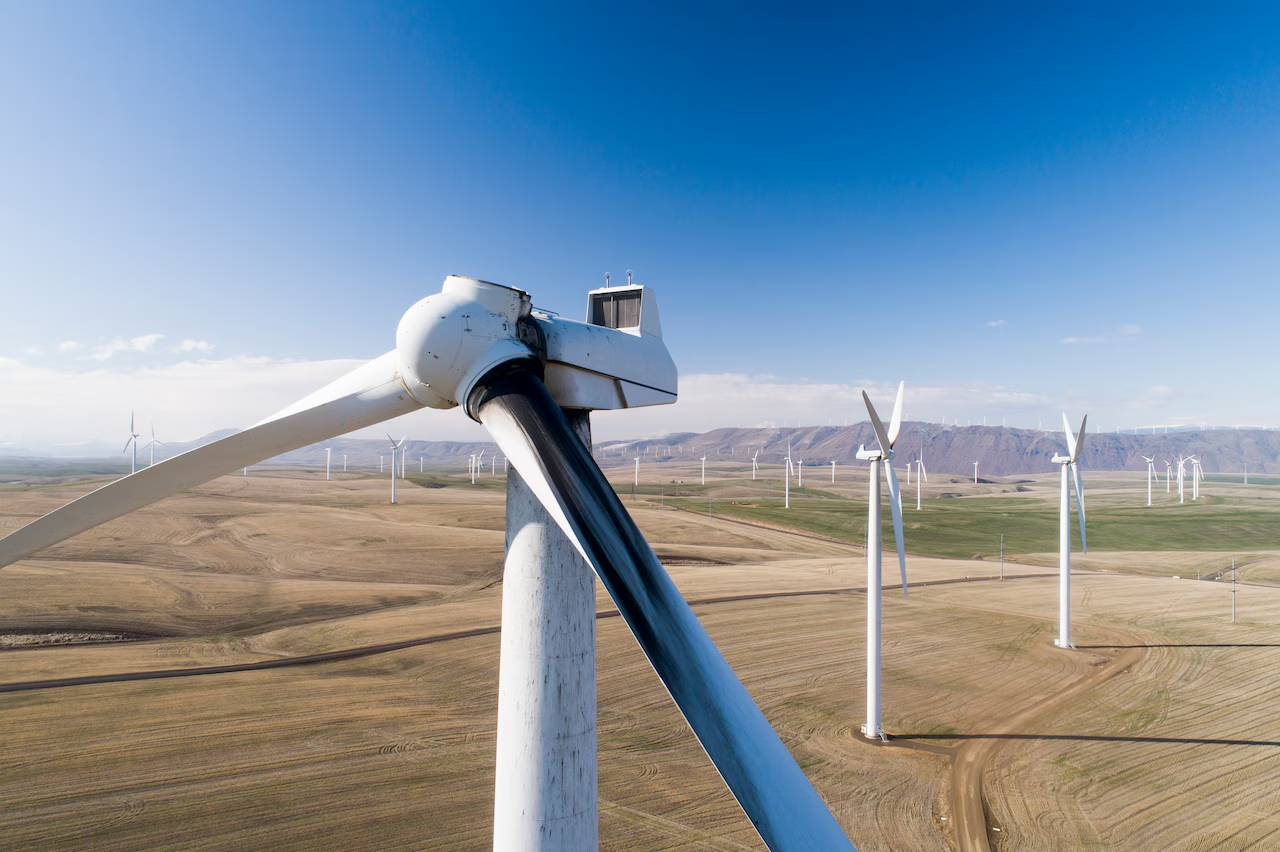
A Vestas turbine launched a a 7 ton blade and a shower of bolts amidst agricultural farmland at Portland General Electric’s Biglow Canyon wind farm.

As the above examples illustrate, turbine blade failures, like the Vineyard Wind incident near Nantucket, are not unique to GE Vernova. GE’s rivals, Siemens Gamesa and Vestas, have also experienced serious quality control issues.

Per ReviewEconomy (2023), “Unexpected and increasing wind turbine failure rates, largely in newer and bigger models, are savaging the profits of some of the world’s biggest manufacturers, as Siemens Gamesa, GE and Vestas report heavy repair and maintenance losses.”

All 3 manufacturers will be providing turbines for US Atlantic wind development. The table below lists the manufacturers for active projects with approved Records of Decision (RODs).

In light of the manufacturing challenges, all 3 companies report increased emphasis on quality control. Why has quality control to date been inadequate and how will the past problems be corrected?

Has the wind industry’s sense of entitlement, as evidenced in their tax credit, rate increase, and departure expectations, affected their safety and quality culture? Has industry and governmental wind energy promotion rushed development and compromised design and fabrication decisions? It’s time for wind developers, manufacturers, and regulators to make sure their priorities are in order.

projectturbine towersmanufacturer
Coastal VA Offshore Wind202Siemens Gamesa
Revolution Wind100Siemens Gamesa
Sunrise Wind94Siemens Gamesa
Atlantic Shores South200Vestas
Ocean Wind 198GE Vernova
Vineyard Wind 1100GE Vernova
Empire Wind 1 & 2147Vestas
New England Wind (phases 1&2)150Vestas

Read Full Post »