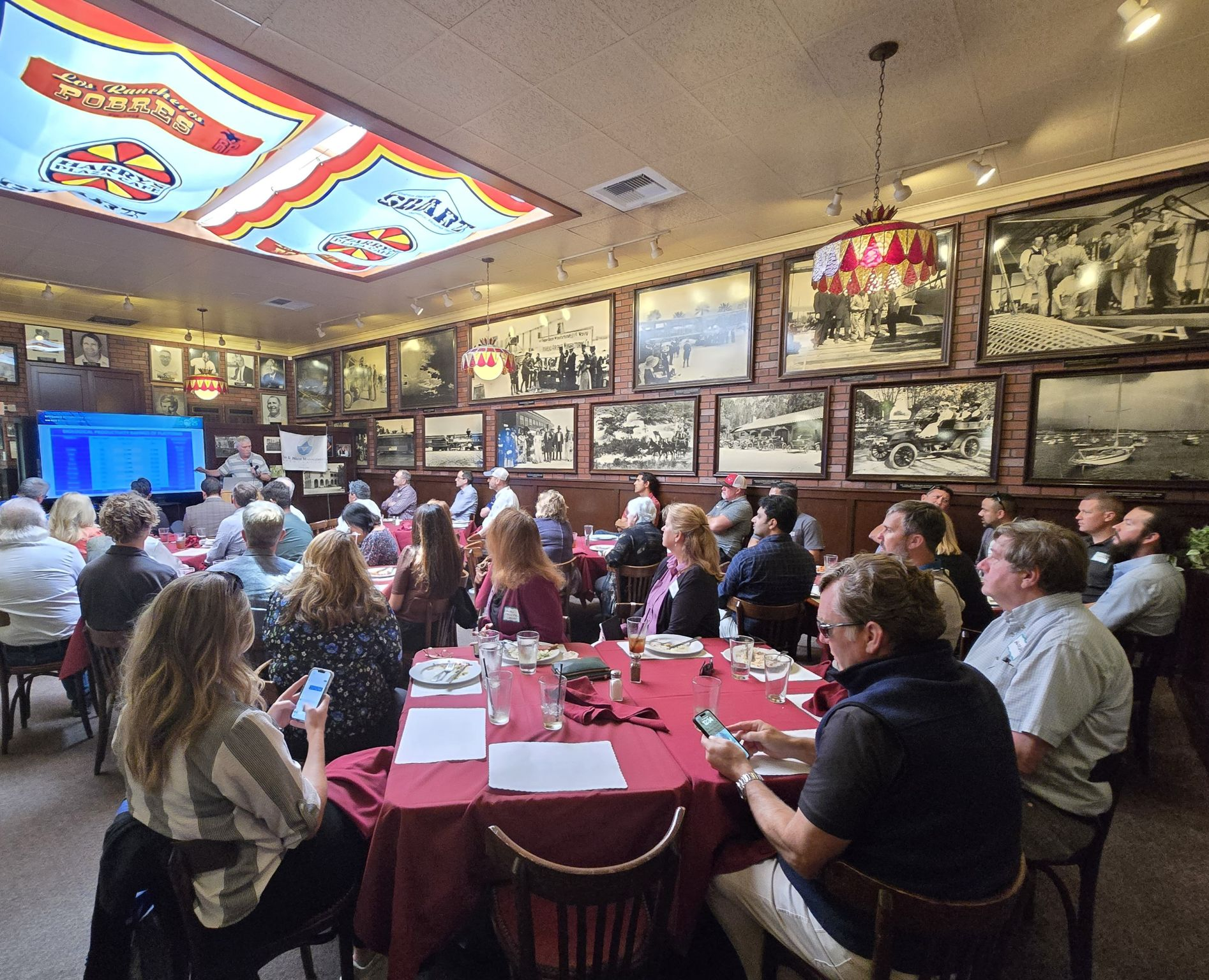
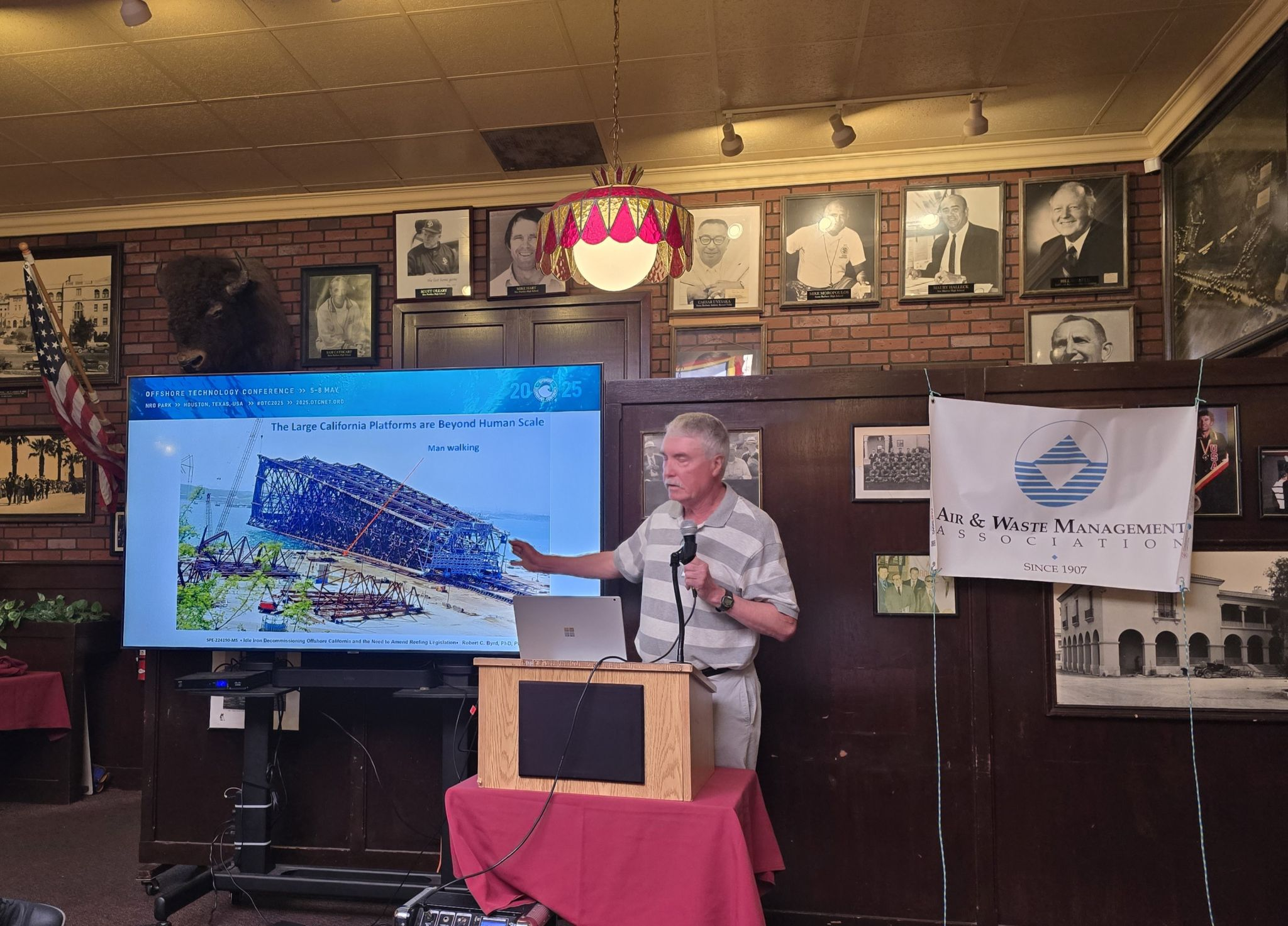
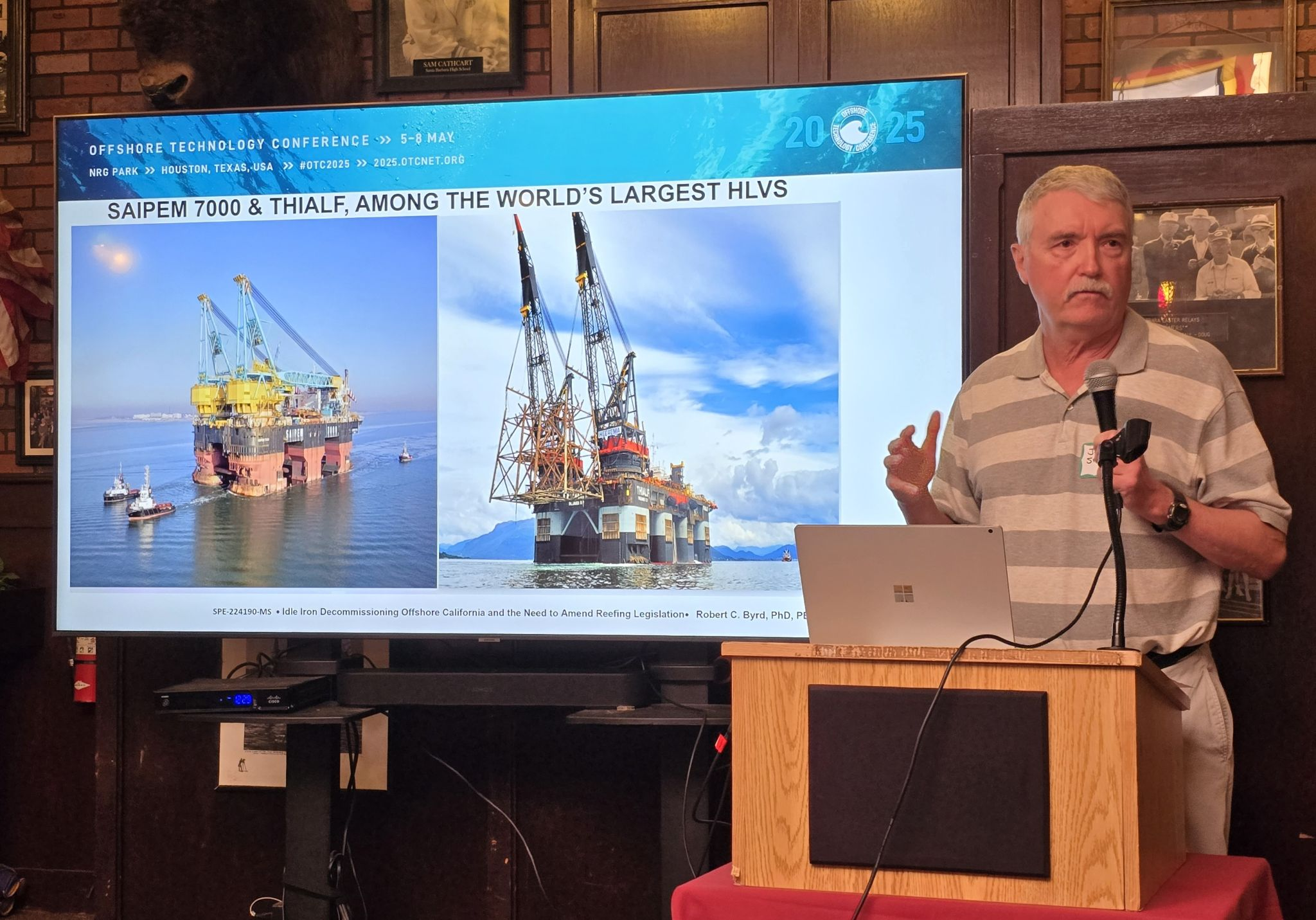
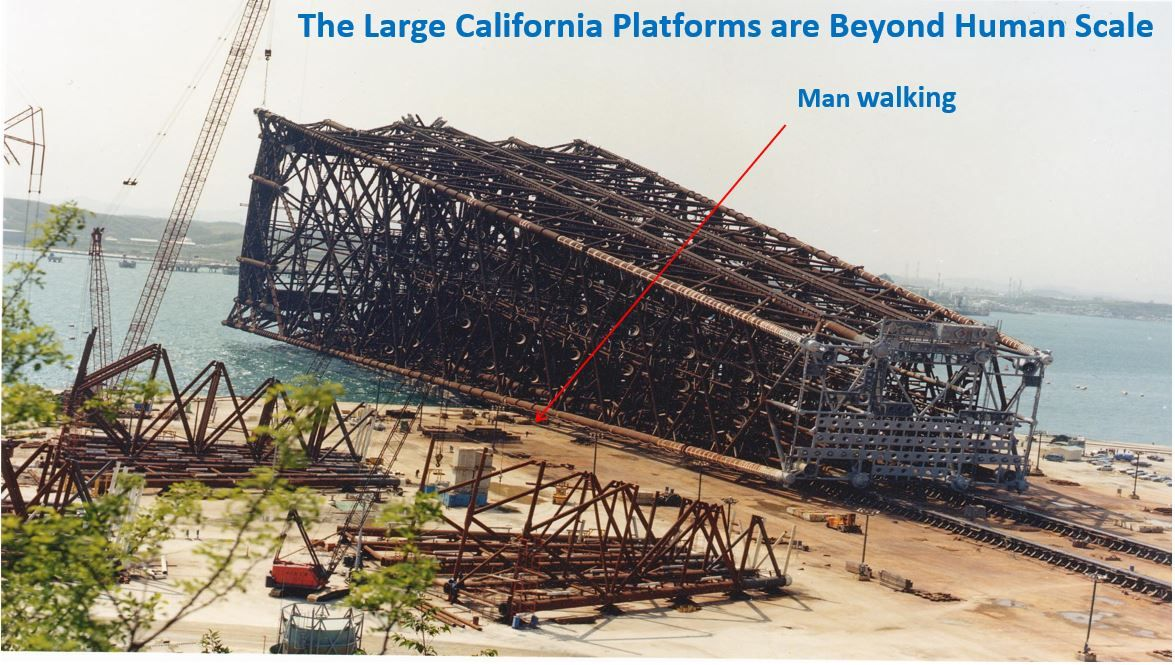
Sharing pictures from John Smith’s excellent decommissioning presentation at the Western States Petroleum Assoc. luncheon in Santa Barbara in May. You can view or download the presentation here.
Posted in California, decommissioning, Offshore Energy - General, rigs-to-reefs, tagged decommissioning, John Smith, reefing, rigs to reefs, Santa Barbara blowout on June 27, 2025| Leave a Comment »
Sharing pictures from John Smith’s excellent decommissioning presentation at the Western States Petroleum Assoc. luncheon in Santa Barbara in May. You can view or download the presentation here.
Posted in accidents, Offshore Energy - General, Regulation, well control incidents, tagged learning from failures, Macondo blowout, Montana, Piper Alpha, Santa Barbara blowout on January 28, 2025| Leave a Comment »
… Union Oil Company’s reckless well plan forever scarred the U.S. offshore program. Learn more about the details.
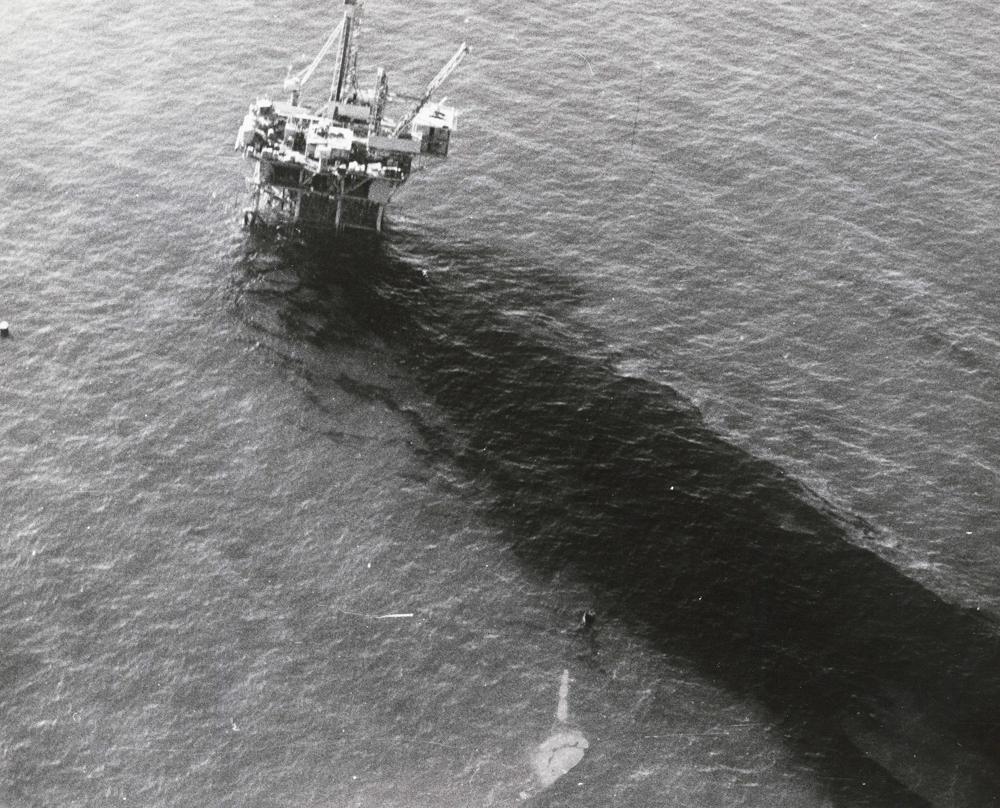
Examinations of the Santa Barbara, Montara, and Macondo blowouts, the Piper Alpha fire, and other major incidents should be a part of every petroleum engineering curriculum, and should be mandatory for those who conduct and regulate offshore oil and gas operations.
There is no better learning experience than studying the failures that had such enormous human and economic consequences.
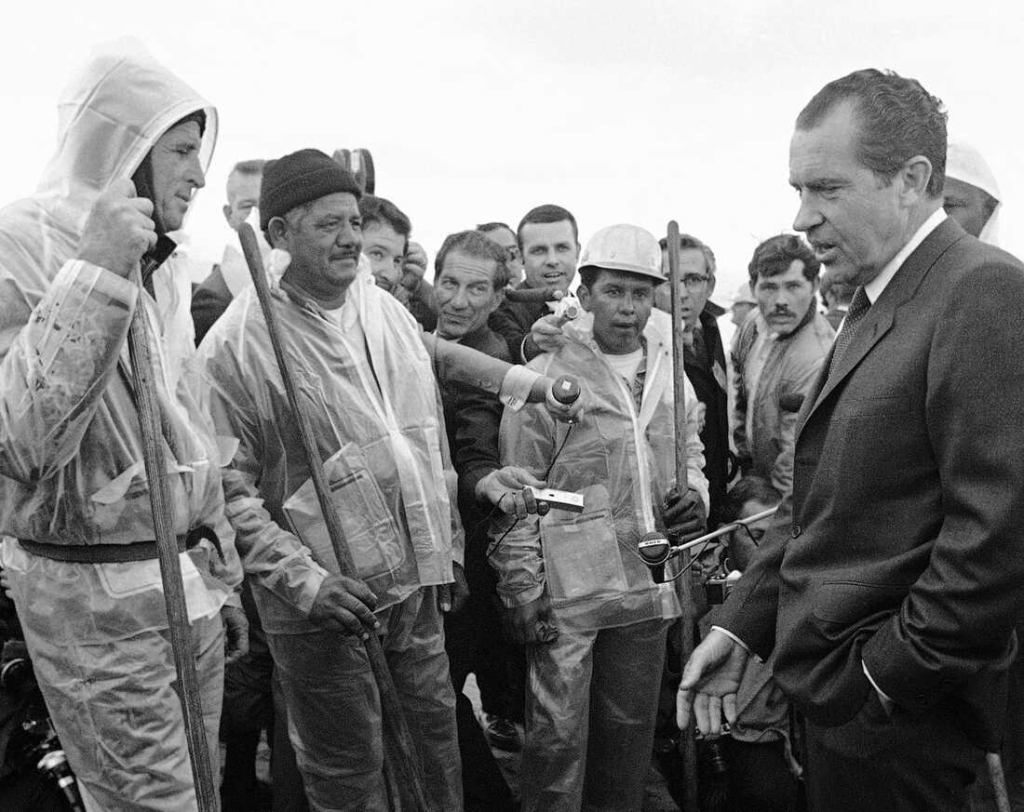
Posted in accidents, Uncategorized, well control incidents, tagged common error, Elon Musk, engineers, Gaza pier, macondo, Montara, Santa Barbara blowout on July 15, 2024| Leave a Comment »
This is very true, but engineers may not have a choice when directed to optimize a flawed decision.
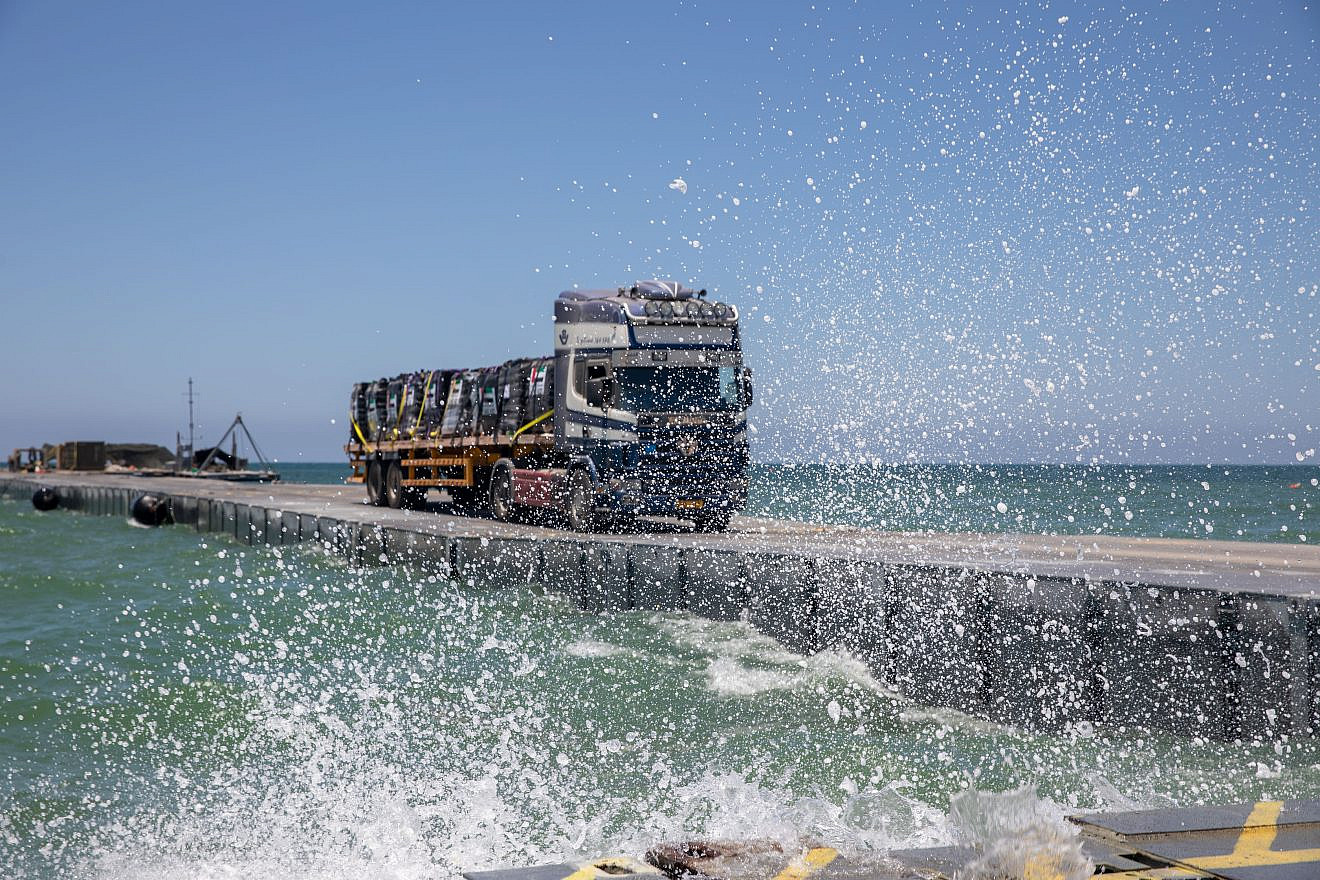
For example, the installation of the Gaza pier was a political decision imposed on military engineers without assessing the operational risks. The $230 million pier was in operation for only 20 days, long enough for several serious injuries to result from the reckless decision.
Some of the worst offshore drilling incidents were largely the result of culture or management driven attempts to save time and money. Modest cost savings were prioritized over verifying well integrity during both the Montara and Macondo well suspensions. The Santa Barbara blowout was the result of eliminating a casing string during development drilling, which virtually assured an uncontrolled flow in the event of a well kick.
Posted in accidents, California, Offshore Energy - General, oil spill response, seeps, well control incidents, tagged 1969, Dos Cuadras field, Platform A, Santa Barbara blowout, Union Oil Company on January 28, 2024| Leave a Comment »
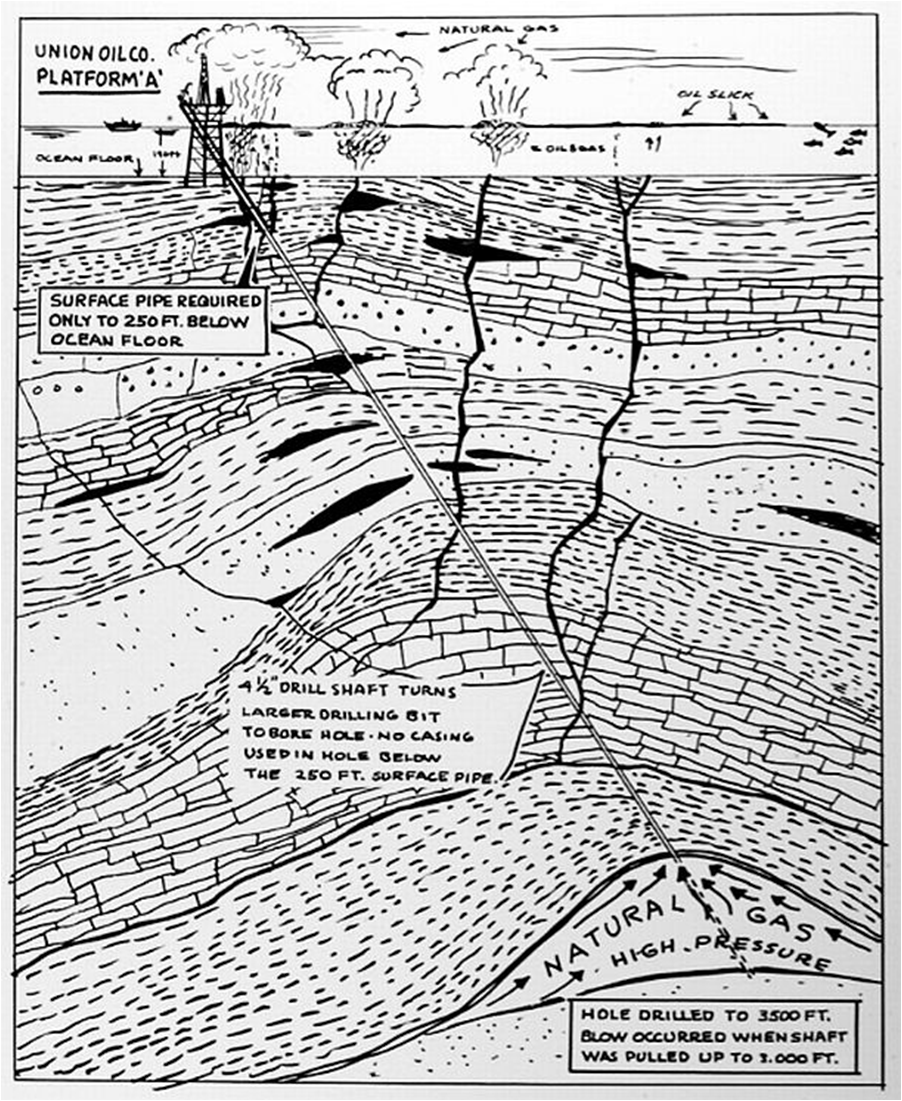
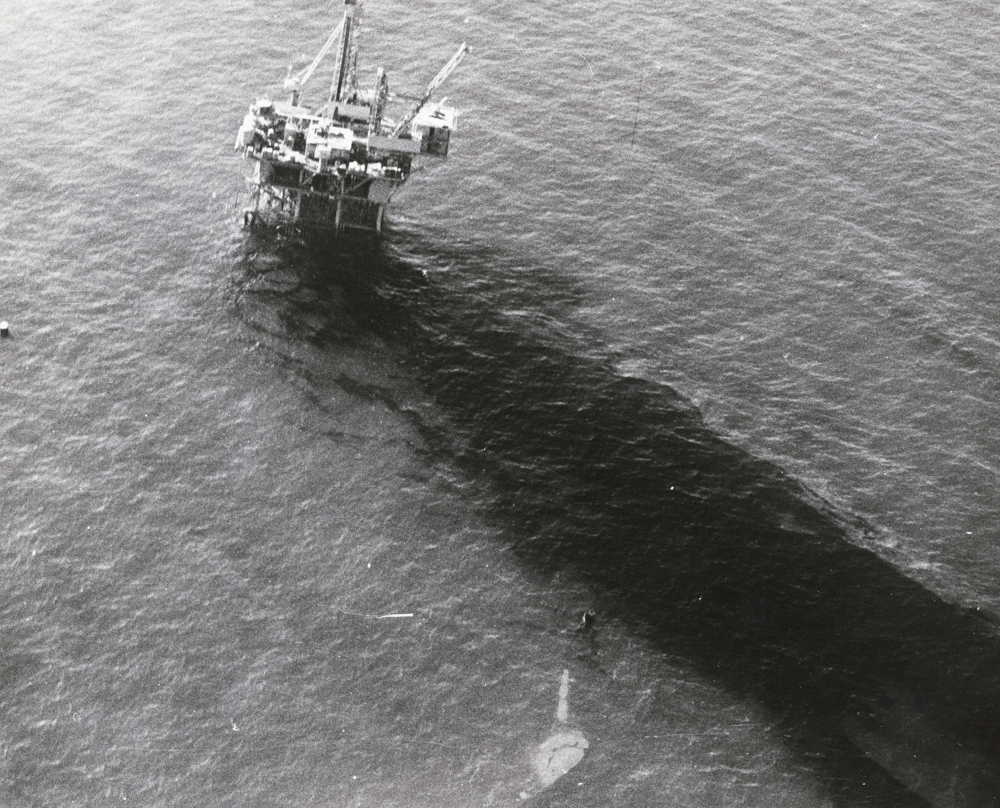
On January 28, 1969, well A-21, the 5th well to be drilled from Union Oil Company’s “A” platform began flowing uncontrollably through fractures into the Santa Barbara Channel.
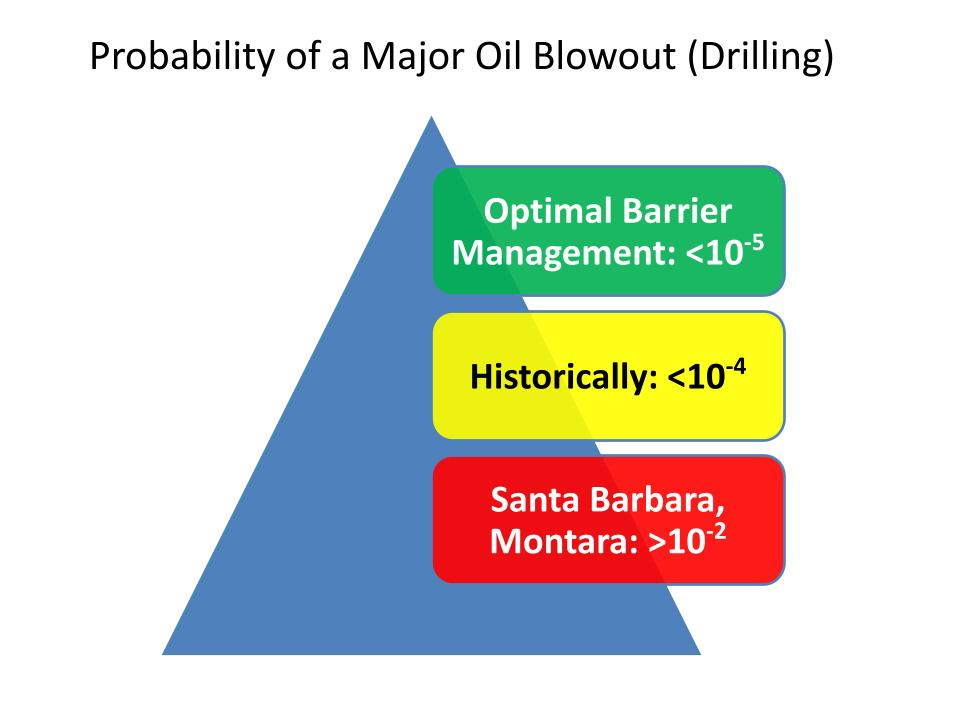
The absence of any well casing to protect the permeable, fractured cap rock meant that the operator couldn’t safely shut-in a sudden influx of hydrocarbons into the well bore (i.e. a “kick”). Shutting-in the well at the surface would create well bore fractures through which oil and gas could migrate to shallow strata and the sea floor. The probability of an oil blowout was thus essentially the same as the probability of a kick (>10-2). Compare this with the historical US offshore oil blowout probability (<10-4) and the probability of <10-5 for wells with optimal barrier management.
Here, in brief, is the well A-21 story:
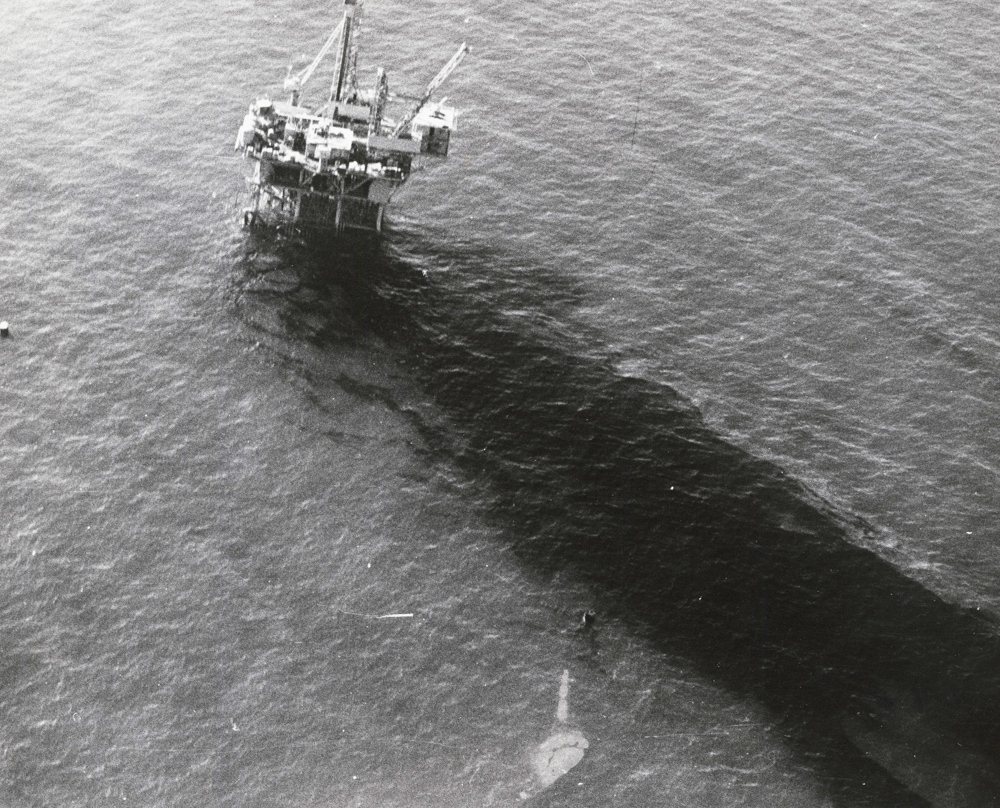
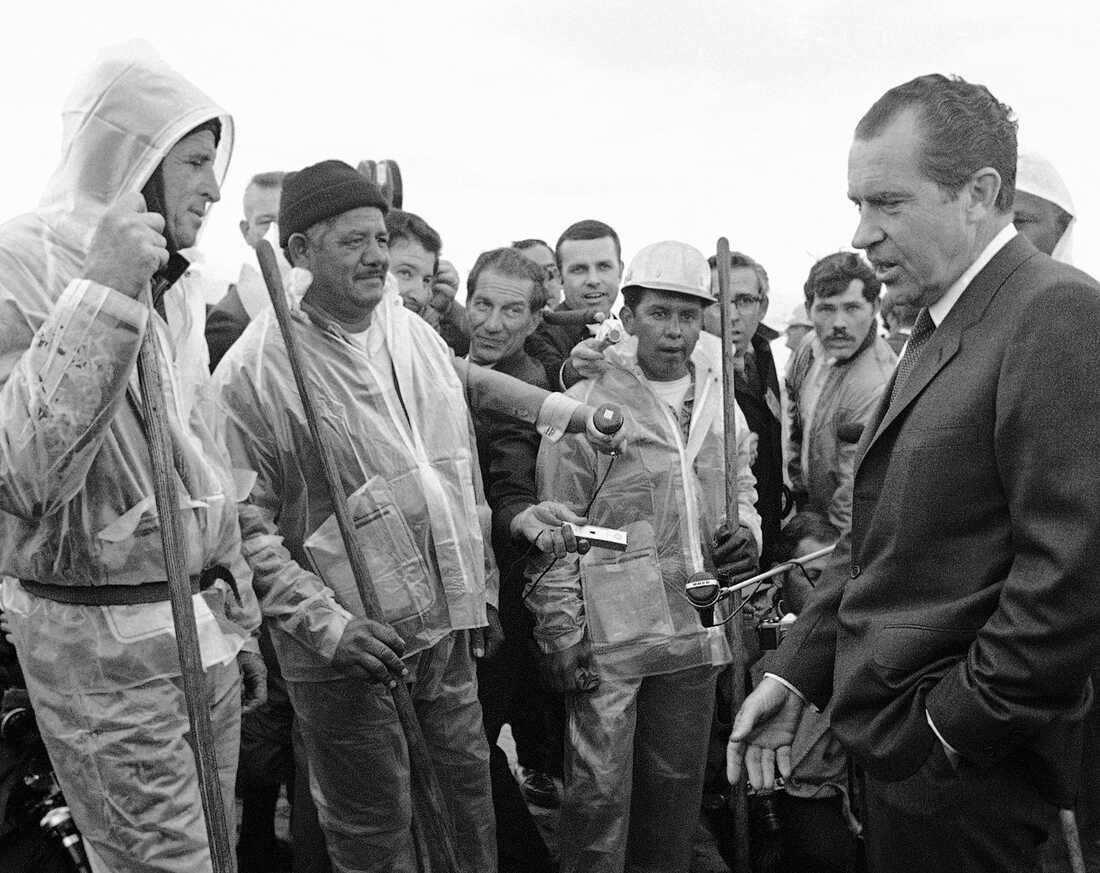
Here is the link to an excellent US Geological Survey report from 1969 that describes the geologic setting, well activities, and remedial measures after the blowout.
We need to continue studying these historically important incidents, not just the technical details but also the human and organizational factors that allowed such safety and environmental disasters to occur. The idea is not to shame, but to remember and better understand.
Posted in California, Offshore Energy - General, oil spill response, seeps, well control incidents, tagged 1969, Dos Cuadras field, Platform A, Santa Barbara blowout, Union Oil Company on January 28, 2023| Leave a Comment »
Posted in accidents, California, well control incidents, tagged Platform A, Santa Barbara blowout, Union Oil Company on January 28, 2022| Leave a Comment »

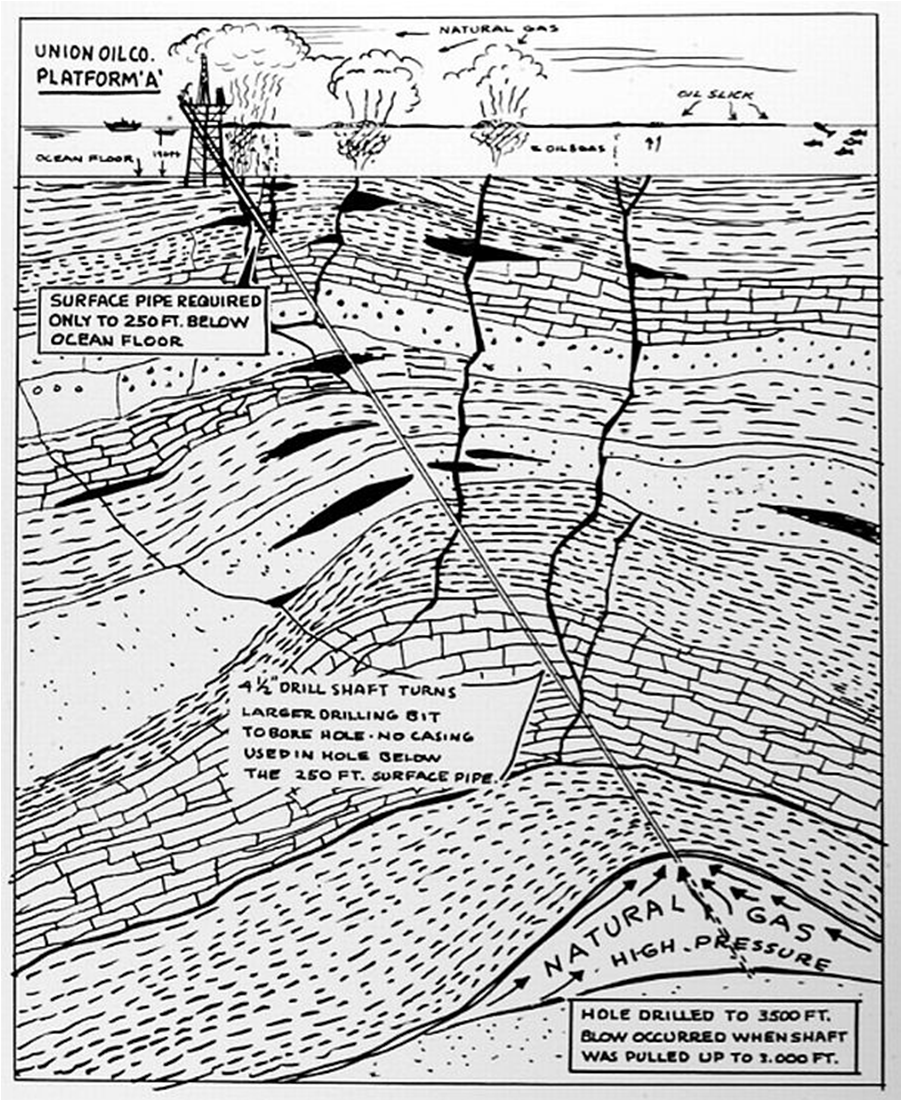
On January 28, 1969, well A-21, the 5th well to be drilled from Union Oil Company’s “A” platform began flowing uncontrollably through fractures into the Santa Barbara Channel.
The absence of any well casing to protect the permeable, fractured cap rock meant that the operator couldn’t safely shut-in a sudden influx of hydrocarbons into the well bore (i.e. a “kick”). Shutting-in the well at the surface would create well bore fractures through which oil and gas could migrate to shallow strata and the sea floor. The probability of an oil blowout was thus essentially the same as the probability of a kick (>10-2). Compare this with the historical US offshore oil blowout probability (<10-4) and the probability of <10-5 for wells with optimal barrier management.
Here, in brief, is the well A-21 story:
Here is the link to an excellent US Geological Survey report from 1969 that describes the geologic setting, well activities, and remedial measures after the blowout.
We need to continue studying these historically important incidents, not just the technical details but also the human and organizational factors that allowed such safety and environmental disasters to occur. The idea is not to shame, but to remember and better understand.

 Bud's Offshore Energy (BOE)