Feeds:
Posts
Comments

Posts Tagged ‘renewable energy’

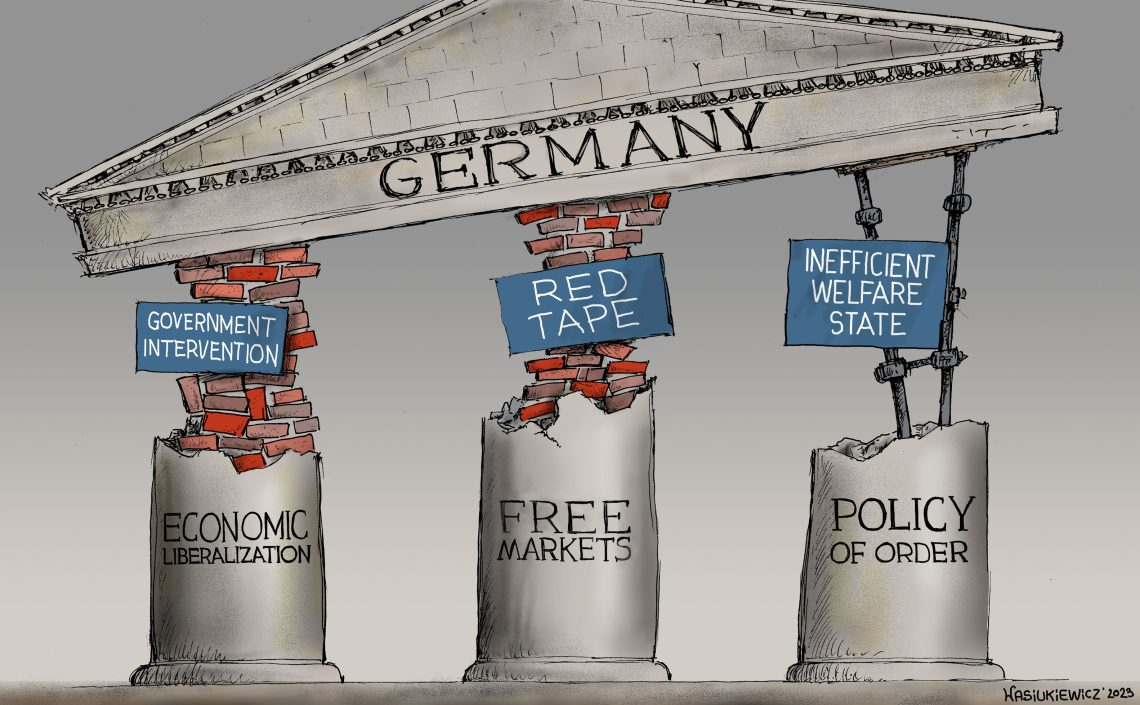
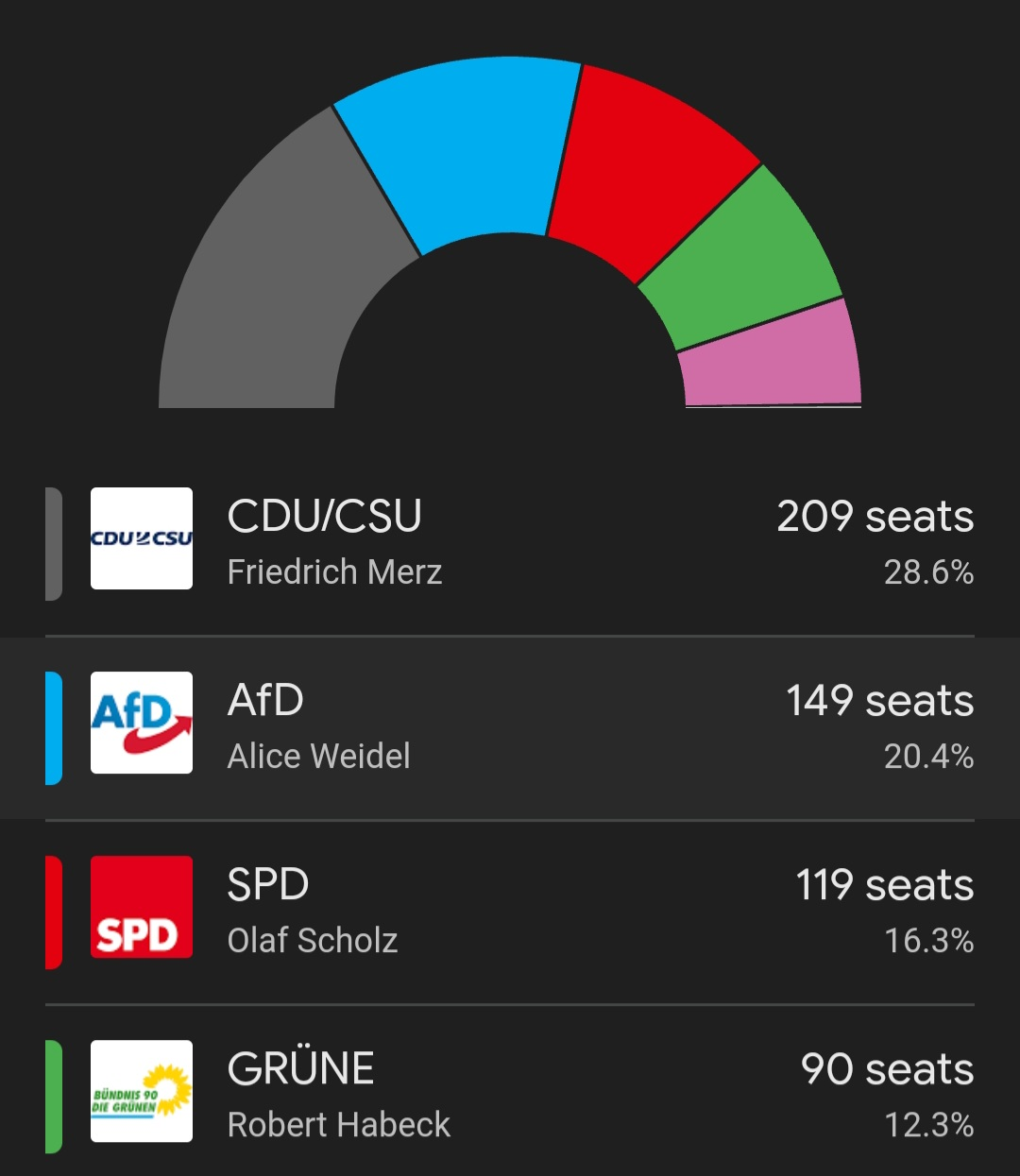
The nominally conservative CDU has vowed not to form a coalition with the “far-right” (actually conservative libertarian) AfD, and will thus have to join hands with the left-leaning SPD and Greens. This doesn’t bode well for the significant changes many believe are needed.

On the plus side for AfD supporters, the party’s growth in just 8 years has been most impressive:

  • 2017: AfD – 0 seats (4%)
  • 2021: AfD – 94 seats (12%)
  • 2025: AfD – 150+ seats (20%)

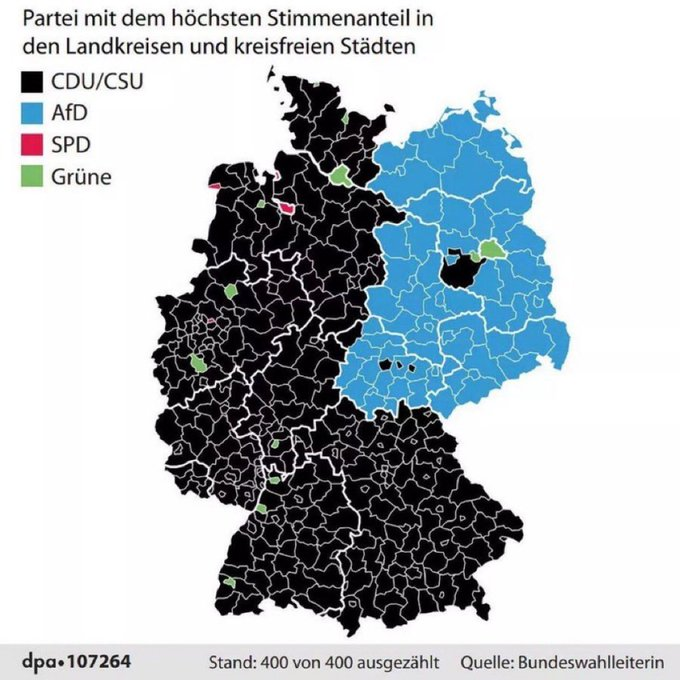
AfD was dominant in the East which fears a return of the Marxism they experienced prior to the “Wende.”
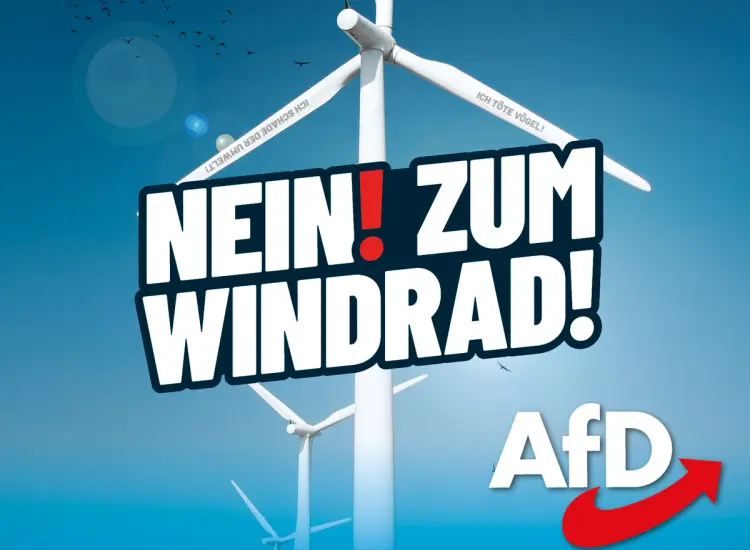
AfD’s energy policy (p.77) seems pretty sensible given the supply and cost challenges facing Germany. A few highlights:

  • The AfD supports “Protection of the Environment”, but not the “German Climate Protection Policy” and plans for “decarbonization” and the “Transformation of Society”. They want to end the perception of CO² as an exclusively harmful substance and stop Germany’s maverick policy in the reduction of CO² emissions.
  • Because the average output is so variable, renewable energy generators are not viable replacements for conventional large power stations.
  • Renewable sources necessitate a massive expansion of the electric grid systems and jeopardize grid stability.
  • Fracking: Explore Opportunities and Risks, Involve Citizens
  • Nuclear Energy: Explore Alternatives, Grant Lifetime Extensions in the Interim

Read Full Post »

link

Title: Temporary Withdrawal of All Areas on the Outer Continental Shelf from Offshore Wind Leasing and Review of the Federal Government’s Leasing and Permitting Practices for Wind Projects

Main points:

  • New leases: Immediately withdraws all OCS areas from wind leasing
  • Existing leases: Secretary of the Interior shall conduct a comprehensive review of the ecological, economic, and environmental necessity of terminating or amending any existing wind energy leases, identifying any legal bases for such removal, and submit a report with recommendations to the President
  • Review of Leasing and Permitting Practices:  The Secretary of the Interior, the Secretary of Agriculture, the Secretary of Energy, the Administrator of the Environmental Protection Agency, and the heads of all other relevant agencies, shall not issue new or renewed approvals, rights of way, permits, leases, or loans for onshore or offshore wind projects pending the completion of a comprehensive assessment and review of Federal wind leasing and permitting practices. 

Read Full Post »

The quote and graphic are from Jens Christiansen, a Danish physicist and nuclear power advocate.

Energy reality on display (vs. COP theater):

Read Full Post »

New York’s looming, self-imposed electric power crisis:

Something here does not remotely add up.  If New York state succeeds by 2030 in closing its natural gas plants — the plants that account for 60% of the State’s generation capacity — that would bring our total installed capacity down from 37.5 GW to as little as 15 GW. But we need almost 60 GW to meet projected demand.  And that’s 60 GW that can be called on any time as needed to meet peak usage.  The 9 GW of projected offshore wind turbines wouldn’t make much of a dent even if they operated all the time and could be dispatched to meet peak demand, which they can’t.  Instead, they will operate only about a third of the time, and at their own whim.  At best they will provide about 3 GW on average, when what we need for this full electrification project is more like 45 GW of dispatchable power to add to our existing hydro and nuclear.   

Manhattan Contrarian

Power generation realities:

  • Assuming sufficient capacity, gas power plants respond to variable demand.
  • Wind and solar power are intermittent, such that demand must respond to variable supply (not a prescription for economic growth).
  • Power grids can function effectively with only natural gas, but not with only wind/solar.
  • Integrated wind, solar, and gas systems can reduce, but not eliminate, demand for gas-generated power.
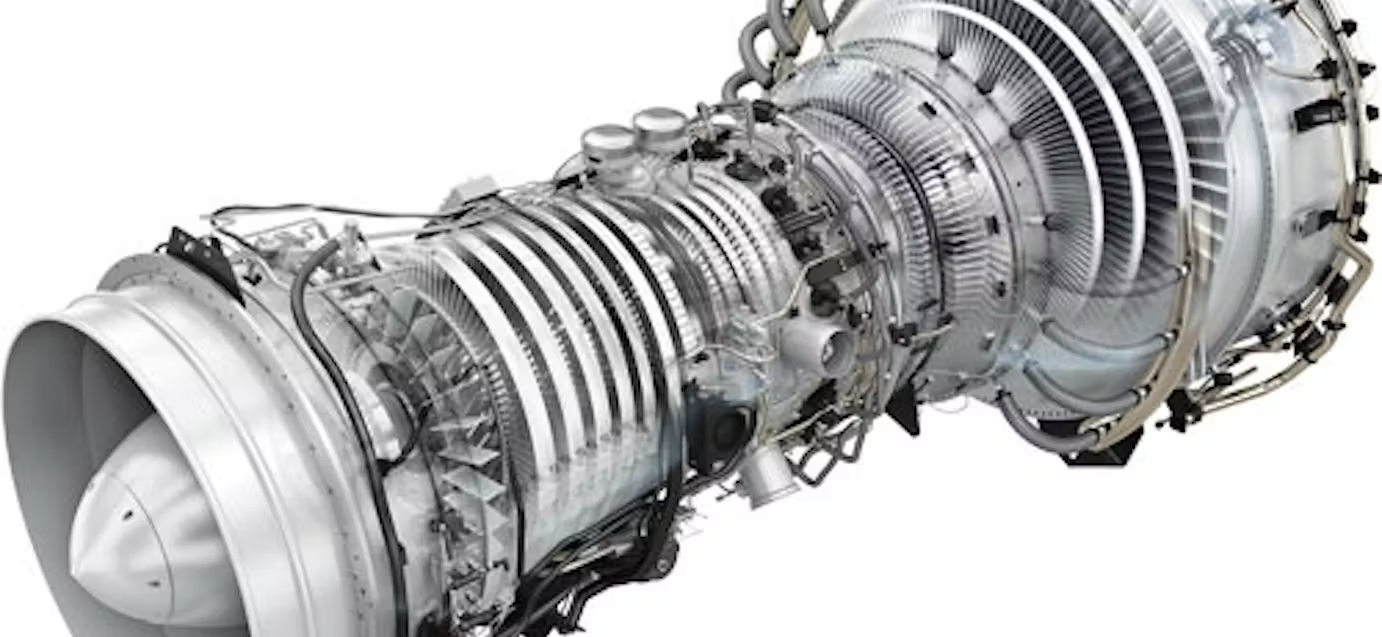
Siemens gas turbine for the offshore industry

Offshore platforms: In some regions, there is a push to power platforms with renewable energy transported by electric cable. Currently, most platforms are efficiently powered by gas turbines which satisfy energy needs even when demand spikes during well operations like tripping out of the hole. The extent to which renewables can reliably support platform operations during these and other operations, when power interruptions are unacceptable from a safety standpoint, is a risk that must be assessed prior to committing to alternative energy sources.

The environmental benefits of powering platforms with renewable energy also have not been clearly documented. In most cases, offshore platforms produce sufficient gas to support their power demands. Should platforms be powered by imported electricity, gas that is not used for platform operations would presumably be marketed for consumption elsewhere or reinjected.

If the gas is marketed and consumed elsewhere, there is essentially no net (global) CO2 emissions reduction benefit. Gas that is reinjected is wasted unless there is an enhanced oil recovery benefit. So, the net environmental benefit from importing electric power seems questionable, and the operational risks could be significant.

Read Full Post »

Linking an excellent article on a renewable energy alternative that BOE has been following closely.

Good assessment:

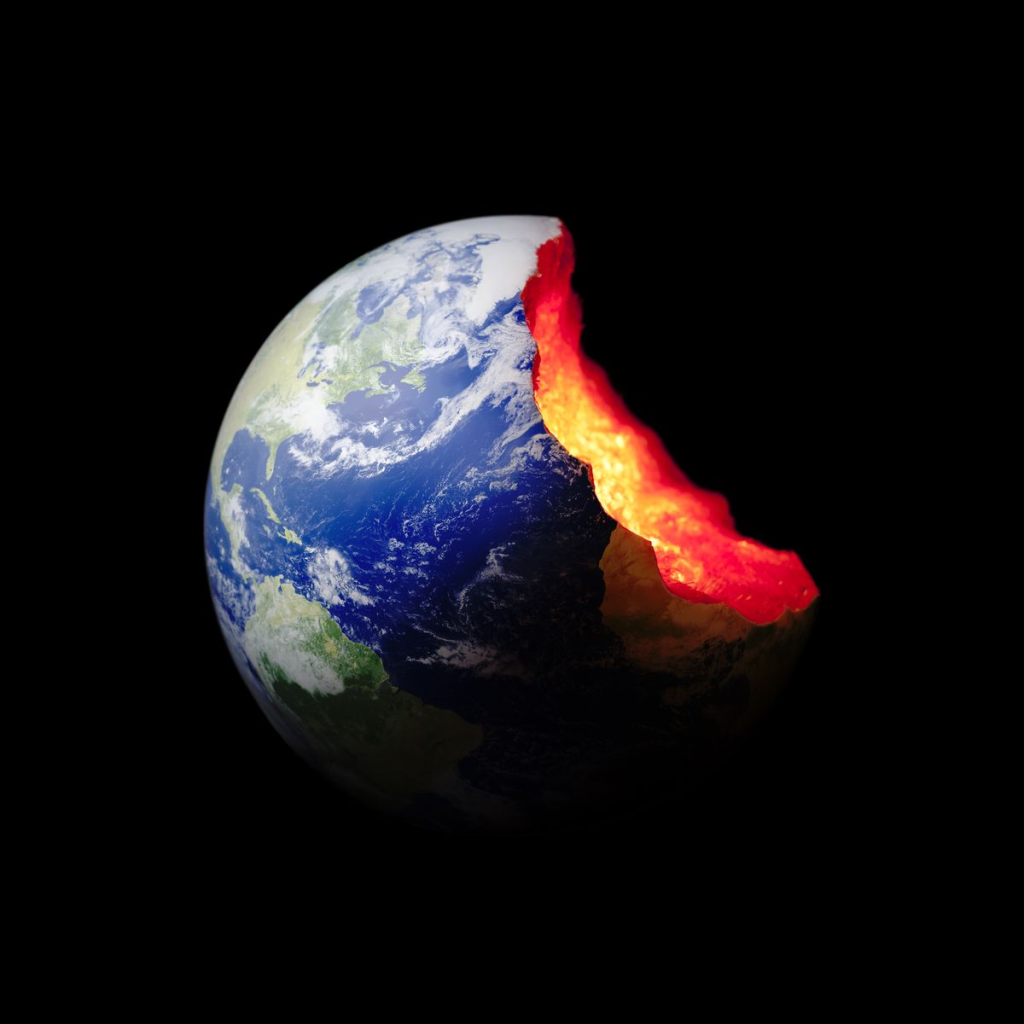
I’m confident because the externalities that come with wind, solar and batteries, which are the other top candidates, are too large to bear at multi-terawatt scale: too much land, too many minerals, too much labour per unit of energy. Geothermal is very different: it is more like fossil fuels without the carbon. It’s more like nuclear – except fusion doesn’t work yet and fission is controversial.

Carlos Araque

Challenges:

A lot of the challenges are the same as for oil and gas. The subsurface is an uncertain environment. The deeper you go, the more extremes you have, but we’ve come a long way with the oil and gas industry to develop a whole suite of technologies, techniques and measurement systems to minimise that risk. The main challenge is maintaining wellbores from closing in on themselves as you go deeper. There’s a lot of pressure in the rock and these holes eventually will collapse. The way we answer that is by creating a glass wall in the rock as we burn it. When our technology vaporises the rock, it creates a glass wall and that remains on the walls and prevents the hole from collapsing.

Related posts:

Read Full Post »

Update on the most promising renewable energy alternative:

Quaise has received a grant from the Department of Energy to scale up Woskov’s experiments using a larger gyrotron. With the larger machine, the team hopes to vaporize a hole 10 times the depth of Woskov’s lab experiments by the end of this year. After that, the team will vaporize a hole 10 times the depth of the previous one — what co-founder Matt Houde calls a 100-to-1 hole.

“That’s something [the DOE] is particularly interested in, because they want to address the challenges posed by material removal over those greater lengths — in other words, can we show we’re fully flushing out the rock vapors?” Houde explains. “We believe the 100-to-1 test also gives us the confidence to go out and mobilize a prototype gyrotron drilling rig in the field for the first field demonstrations.”

Rather than getting deep in the weeds of carbon capture, imagine powering those existing facilities with steam generated without carbon emissions at all.

The key is that ultradeep geothermal has the power density and scalability of fossil fuels.

Read Full Post »

…. not every project makes sense.

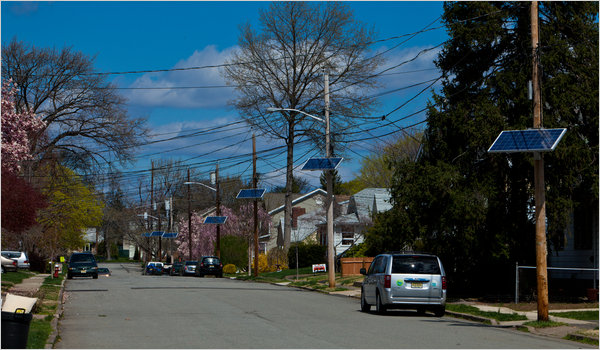
NY Times photo

Like a massive Christo project but without the advance publicity, installations have been popping up across New Jersey for about a year now, courtesy of New Jersey’s largest utility, the Public Service Electric and Gas Company. Unlike other solar projects tucked away on roofs or in industrial areas, the utility is mounting 200,000 individual panels in neighborhoods throughout its service area, covering nearly three-quarters of the state. NY Times

So what’s next, mini-turbines on every utility pole, or worse yet, geeks like this guy hooked up to the electric grid? 🙂

Read Full Post »