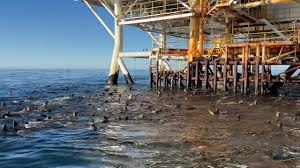
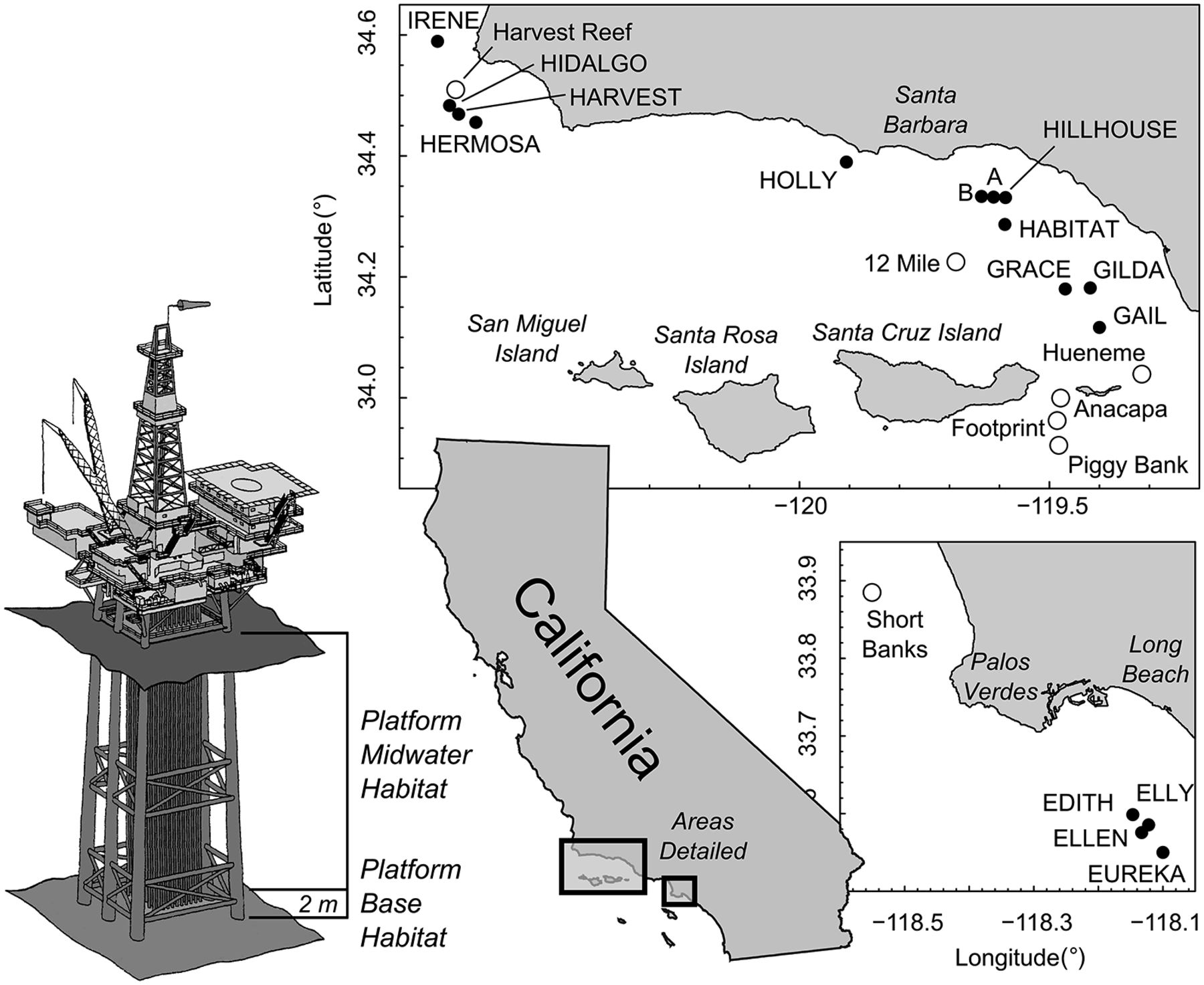
During a recent dive survey at Platform Holly off California’s coast, scientists from the University of California, Santa Barbara (UCSB) had to pause fieldwork because dozens of sea lions took shelter around the structure.
The reason? A pod of killer whales had been spotted hunting near another offshore platform in federal waters.
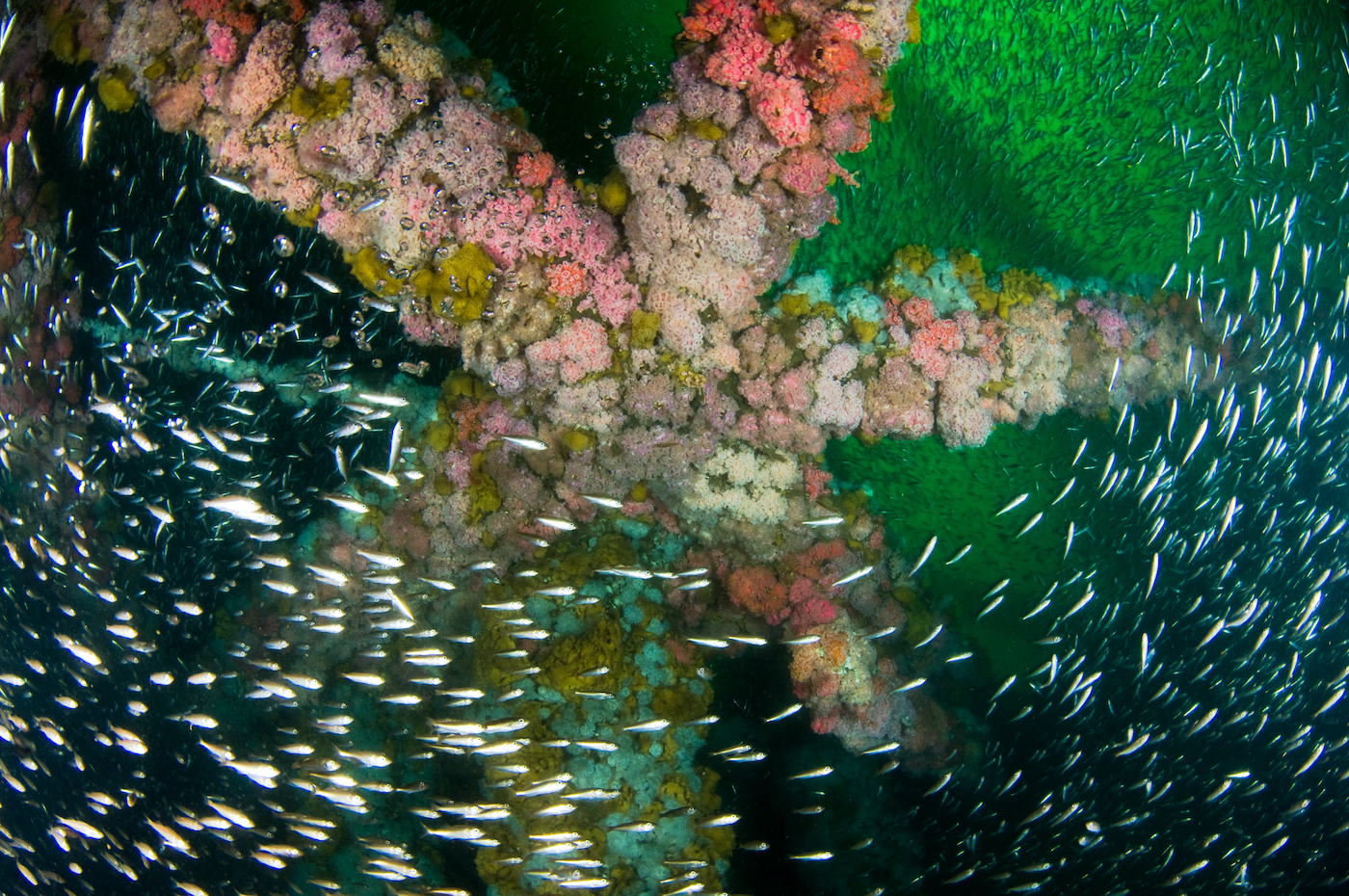
These real-time encounters reveal more than marine drama. They highlight the ecological role that offshore platforms can play as part of the seascape. UCSB’s work is part of our ongoing study, Understanding Biological Connectivity Among Offshore Structures and Natural Reefs, which explores how marine life moves among natural and manmade habitats.
Inexplicably, BSEE’s ROD designates the most environmentally harmful, unsafe, and costly alternative as the “preferred alternative.” The decision is contrary to the opinions expressed by the leading experts on the ecology of California offshore platforms, most notablyDr. Milton Love of the University of California at Santa Barbara.
Why did BSEE select alternative 1 (complete removal) when their $1.6 million EIS acknowledges that alternative 2 (partial removal) is environmentally preferable? Was their decision influenced by activists who support the alternative that is most punitive to the industry they despise?
“On December 7, 2023, the Bureau of Safety and Environmental Enforcement (BSEE) issued a Record of Decision (ROD) recommending the full removal of California’s 23 offshore oil platforms in federal waters, following a Programmatic Environmental Impact Statement (PEIS) conducted to assess decommissioning options for platforms, pipelines, and other related infrastructure. However, upon close review, the PEIS and ROD appear to have reached misguided and detrimental conclusions due to critical oversights in their analyses.” Asher Radziner, Montecito Journal
 Bud's Offshore Energy (BOE)