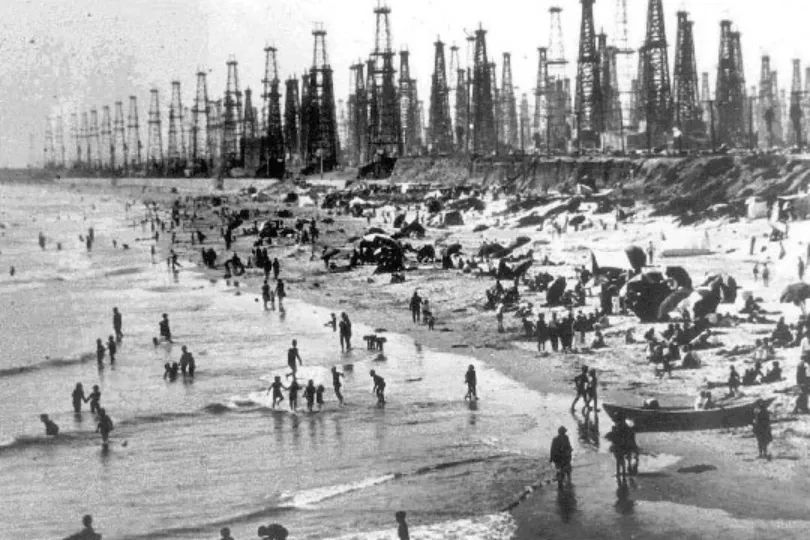
Exploration and development have improved dramatically over the past 100 years, and have become much more efficient. Only 57 platforms are producing about 1.7 million barrels/day in the deepwater Gulf of Mexico. Still work to do and continuous improvement must always be the objective.
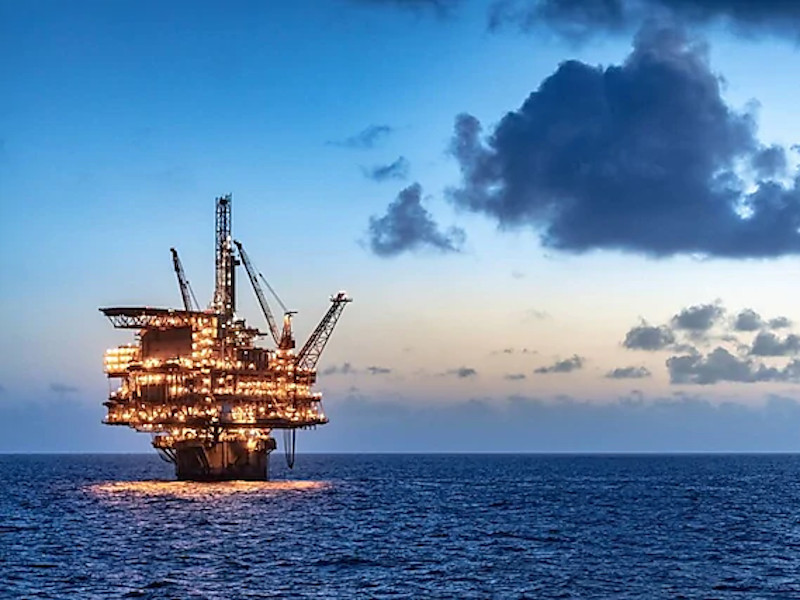
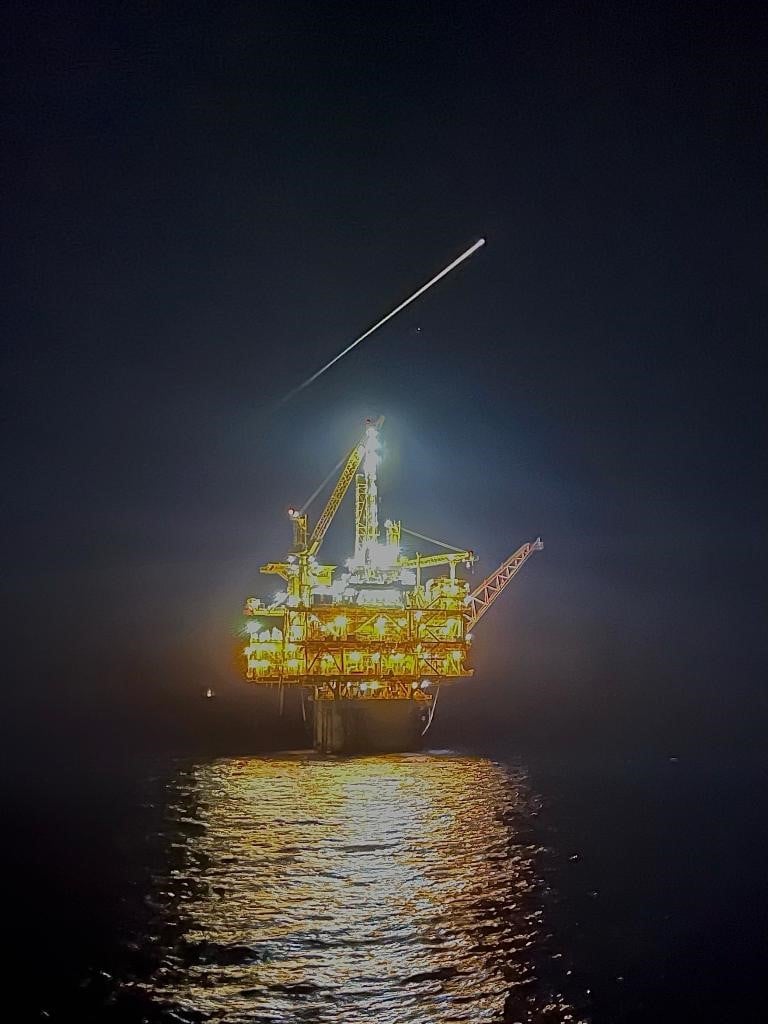
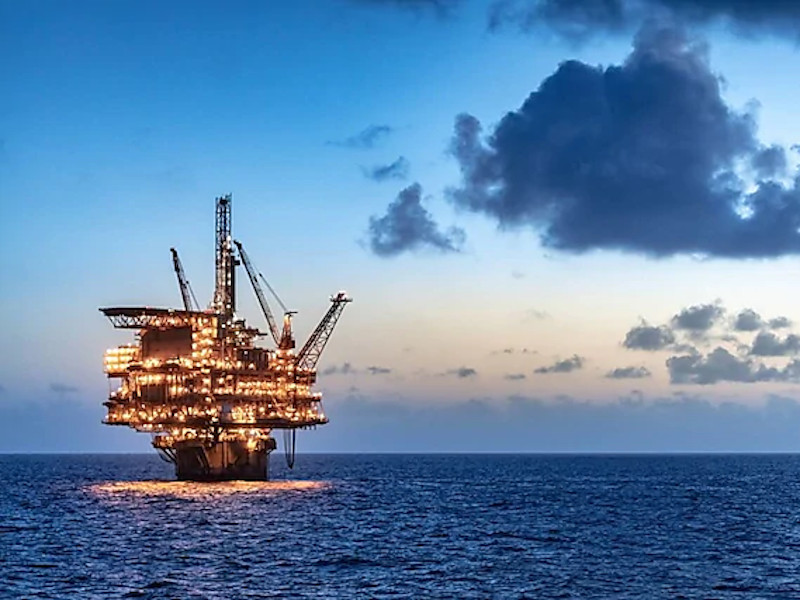
Perdido Platform, Gulf of Mexico, 7835′ water depth, 320km south of Freeport, Texas
A rare photo of a Big-Fin Squid, caught on camera on November 11th 2007 by a Shell Oil company ROV, at a depth of 2,386 meters (1.5 miles). This species of Squid dwell at extreme depths, and are characterised by their long, thin tentacles. They can reach almost 20ft long when fully grown.
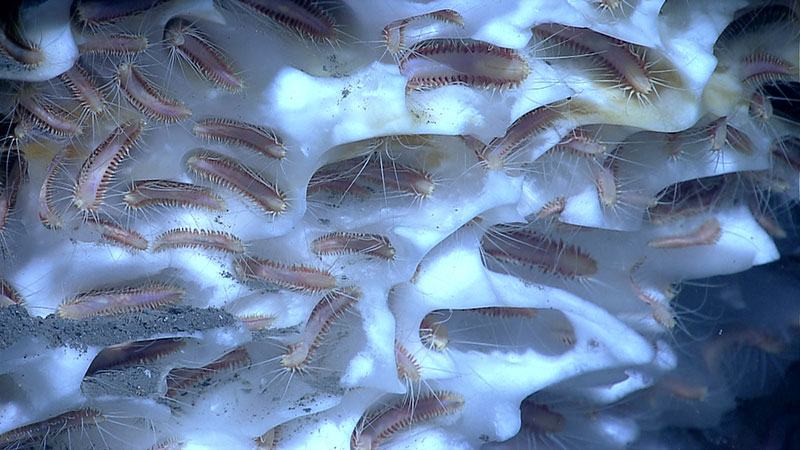
Of course, much of our knowledge about deepwater biology is attributable to oil and gas exploration and the associated environmental studies. This includes the discovery and study of chemosynthetic communities in the Gulf of Mexico:
Some of the same conditions responsible for petroleum deposits also provide the basis for biological communities that receive energy from chemicals through a process called chemosynthesis (in contrast to photosynthesis that provides energy to terrestrial and shallow-water communities through processes in which sunlight is the basic energy source).
Which platform is pictured in the International Space Station photo (re-posted below)? It is clearly a spar (basically a large vertically floating cylinder), and like most GoM spars appears to be the truss type (see diagram below depicting spar types). There are currently 18 GoM spars (list in table below). Looking at photos of these spars, my guess is that the SpaceX Dragon is pictured above Perdido (bottom photo).


 Bud's Offshore Energy (BOE)