“It’s great that the federal government finally has a loose game plan for getting oil companies to clean up their rusty messes,” said Miyoko Sakashita, oceans program director at the Center for Biological Diversity.
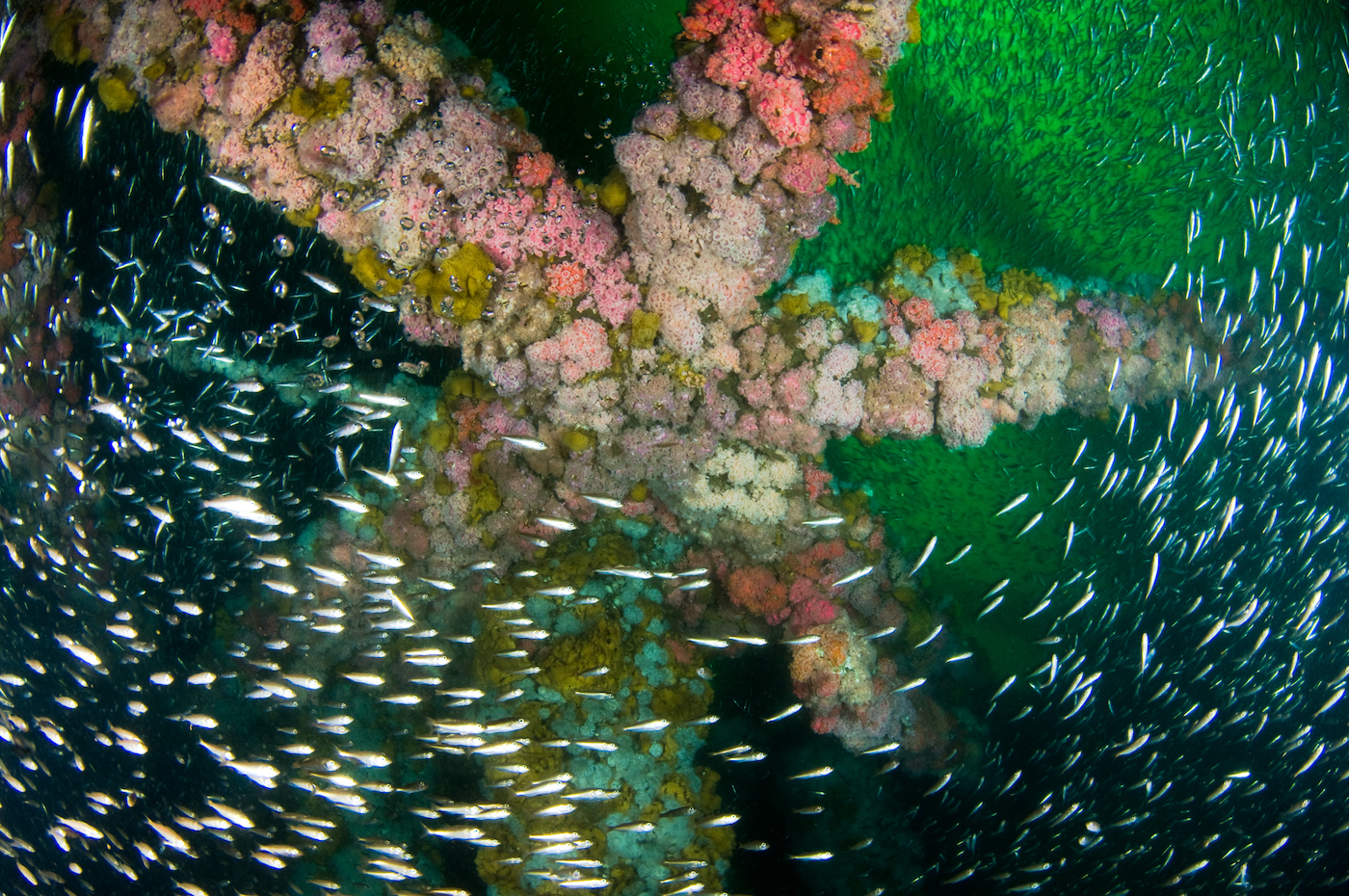
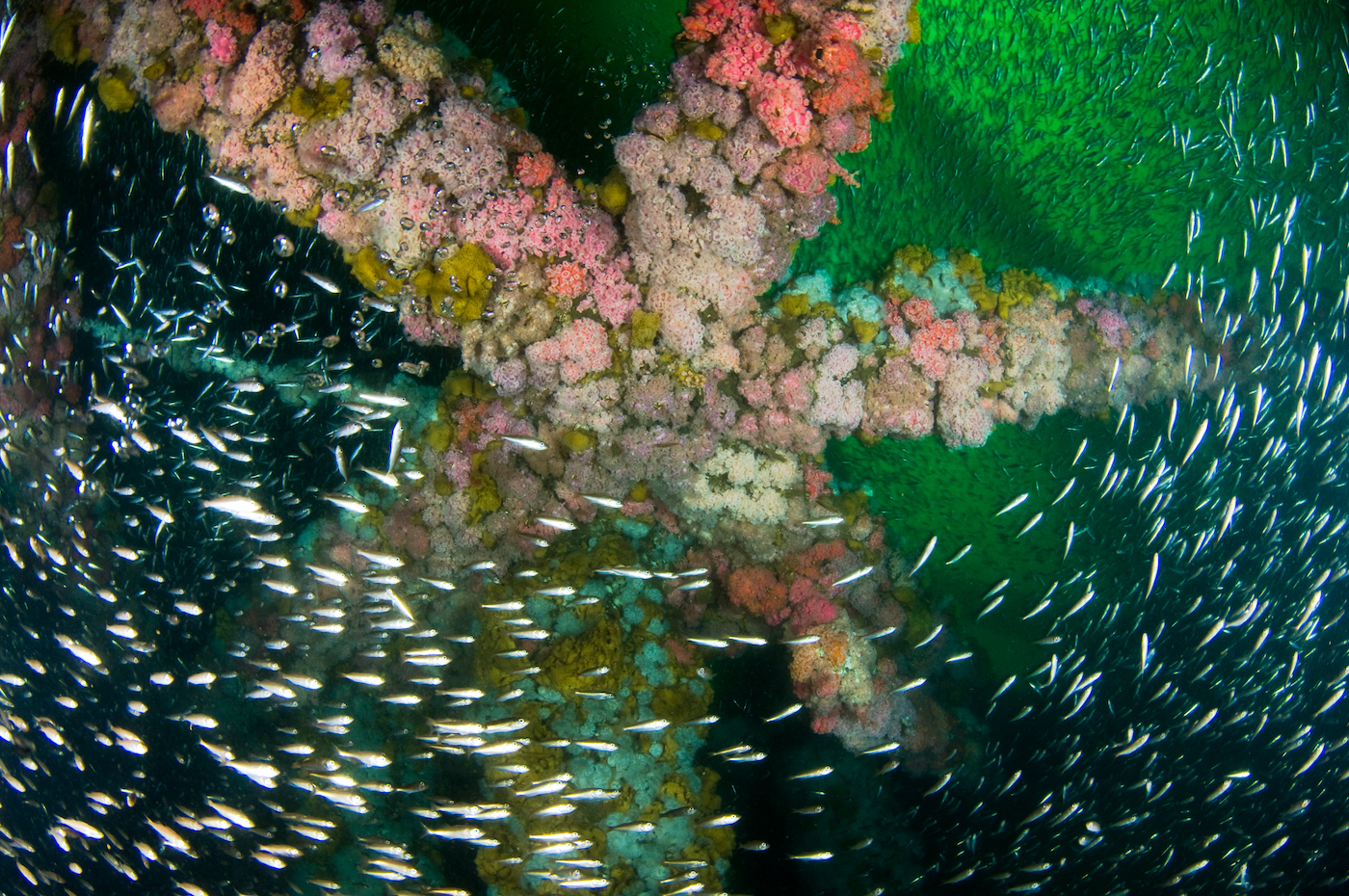
Complete removal may be the most politically expedient alternative in California, but it is by far the most environmentally damaging and poses the greatest safety risks. Old disputes about offshore oil and gas production should not be driving decommissioning policy.
Alternative 1 (the preferred alternative) calls for “the complete removal of platforms, topside, conductors, the platform jackets to at least 4.6 m (15 ft) below the mud line, and the complete removal of pipelines, power cables, and other subsea infrastructure (i.e., wells, obstructions, and facilities).”
Ironically, the ROD correctly acknowledges that alternative 2 (partial removal) is environmentally preferable. So what drove the decision to select the alternative that destroys “the most productive marine habitats per unit area in the world?” Was there pressure to choose the alternative that is most punitive to an industry that is despised by California activists? If so, their schadenfreude is certain to be delayed by administrative and legal challenges that draw further attention to the social costs and environmental damage associated with “complete removal.”
The 23 platforms in Federal waters offshore California are from 33 to 55 years old. Most are no longer producing and 8 are on terminated leases. Some of the platforms are massive structures in water depths up to 1200′ (list of platforms and map below).
BOEM’s draft programmatic EIS evaluates 4 decommissioning alternatives, none of which appear to be workable for a combination of economic, environmental, and legal reasons:
Alternatives 2 and 3 evaluate prudent and environmentally responsible partial removal options. Unfortunately, partial removal and reefing are not feasible under the California Resources Legacy Act (AB 2503). This legislation holds the donating company perpetually liable for any damages associated with the reef structure. While not assuming any liability, the State nonetheless collects 80% of the savings (reefing vs. complete removal). As a result, it’s no surprise that no company has applied to participate in the State’s program.
Alternative 4 calls for leaving platforms and pipelines in place after emptying tanks and flushing pipelines. This “no action” baseline alternative violates the lease agreement and 30 CFR 250.1725, and would only be permissible if an alternate use was approved for the platforms per 30 CFR Part 585.
The EIS, with minimal discussion and no supporting data, rules out alternate uses at any of the 23 platforms. This exclusion would seem to be premature given the win-win-win opportunities for industry, government (Federal, State, and local), and academia. These include deferred decommissioning liabilities, a wide range of research opportunities, security and defense applications, weather observation and climate studies, maritime communications support, education programs, marine seismicity studies, and hydrokinetic energy projects. With proper maintenance, platforms can continue to provide social benefits long after all wells are plugged and production equipment is removed. However, once removed, replacement costs would be prohibitive.
Lastly, the EIS avoids the thorny financial responsibility issues that will complicate decommissioning decisions. Note the questions raised in the “troubling case of platforms Hogan and Houchin.”
Those wishing to comment on the draft EIS should follow the posted instructions.



 Bud's Offshore Energy (BOE)