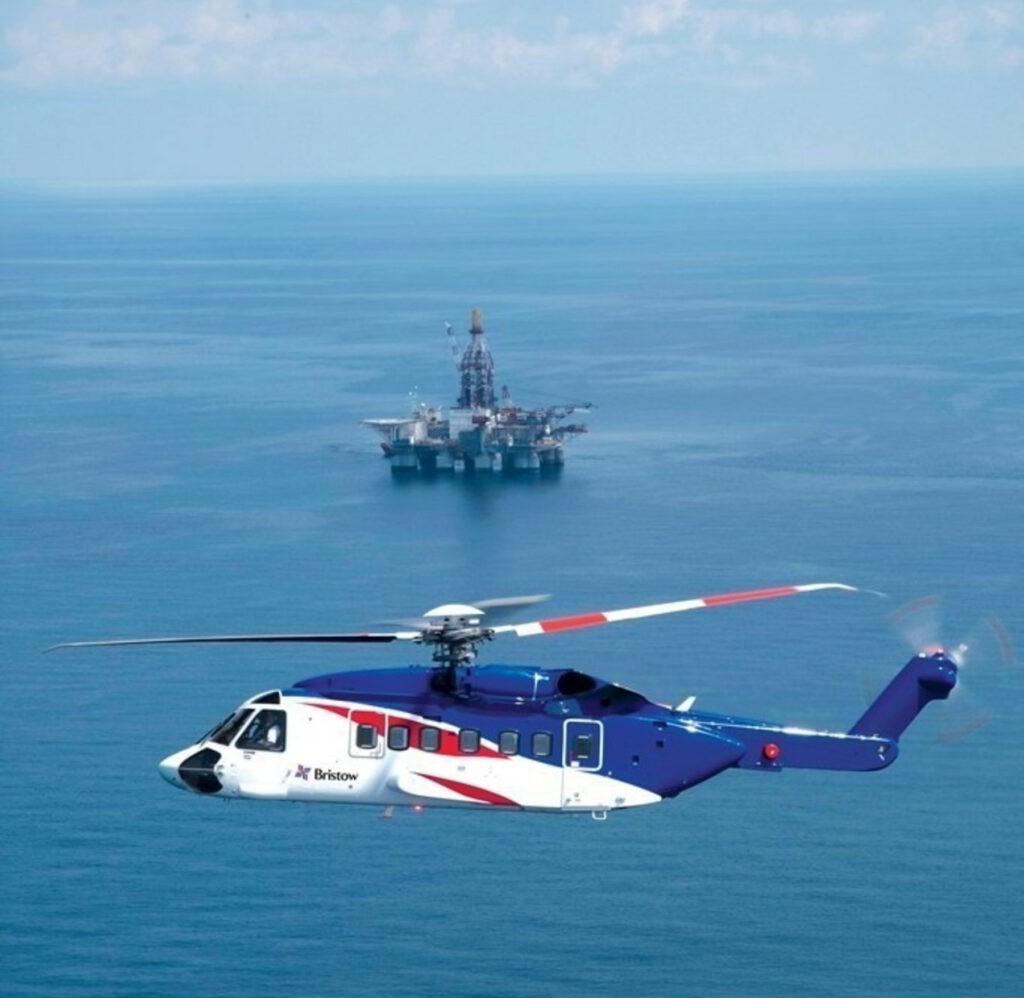
One person has died following the helicopter crash outside Bergen in Norway on the night of Wednesday 28th February. The helicopter was on a training assignment for Equinor ’s SAR service for the Oseberg area in the North Sea.
Search and rescue service is critical to offshore safety, and North Sea operators have excellent SAR capabilities. Sadly, one person died and five were injured (two seriously) when a Sikorsky S-92 helicopter, owned by Bristow and under contract to Equinor, crashed offshore Bergen last night. The crew was training to serve offshore workers in need.
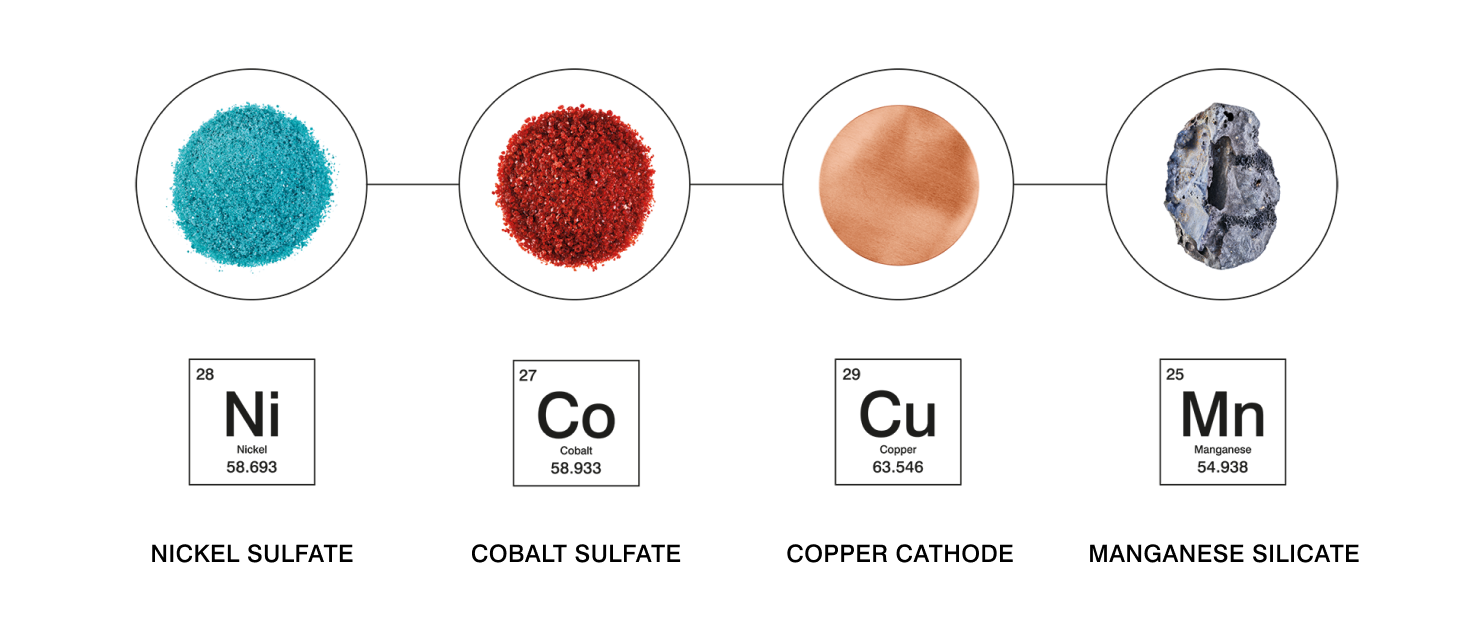
11/21/2023: Nauru Ocean Resources Inc. (NORI) shares data from their 2022 test mining on the impacts of seafloor sediment plumes. See the informative video embedded below.
12/7/2023: 31 members of congress send letter to Secretary Austin (attached) regarding the importance of deep-sea polymetallic nodules from a national security standpoint.
1/3/2024: National Defense Authorization Act (NDAA) is signed into law, and includes provisions directing the Department of Defense to submit a report to the House Armed Services Committee assessing the domestic processing of seafloor polymetallic nodules by March 1, 2024. See text pasted below.
1/11/2024: The Wall Street Journal reports on growing US political support for deep sea mining.
“the committee directs the Assistant Secretary of Defense for Industrial Base Policy shall, by March 1, 2024, submit a report to the House Armed Services Committee assessing the processing of seabed resources of polymetallic nodules domestically. The report shall include, at a minimum, the following: (1) a review of current resources and controlling parties in securing seabed resources of polymetallic nodules; (2) an assessment of current domestic deep-sea mining and material processing capabilities; and (3) a roadmap recommending how the United States can have the ability to source and/or process critical minerals in innovative arenas, such as deep-sea mining, to decrease reliance on sources from foreign adversaries and bolster domestic competencies.
The Gulf of Mexico and Norwegian branches of the offshore family have a long record of technological innovation and production leadership.
As a followup to our last GoM-Norway update, the respective oil production rates are presented below. The Gulf of Mexico now has a small edge as a result of new production from deepwater facilities.
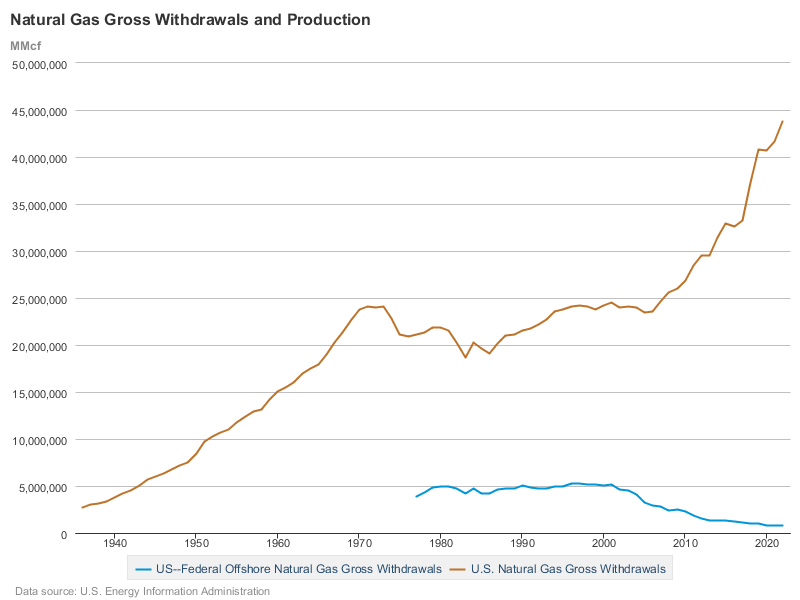
Natural gas is a different story, and Norway’s offshore gas production is much higher. US gas production (second chart below) has been dominated by the onshore sector since advances in horizontal drilling and well stimulation procedures triggered the shale gas revolution twenty years ago.
If you get a chance to visit Stavanger, the Norwegian Oil Museum is highly recommended. See the short video below.
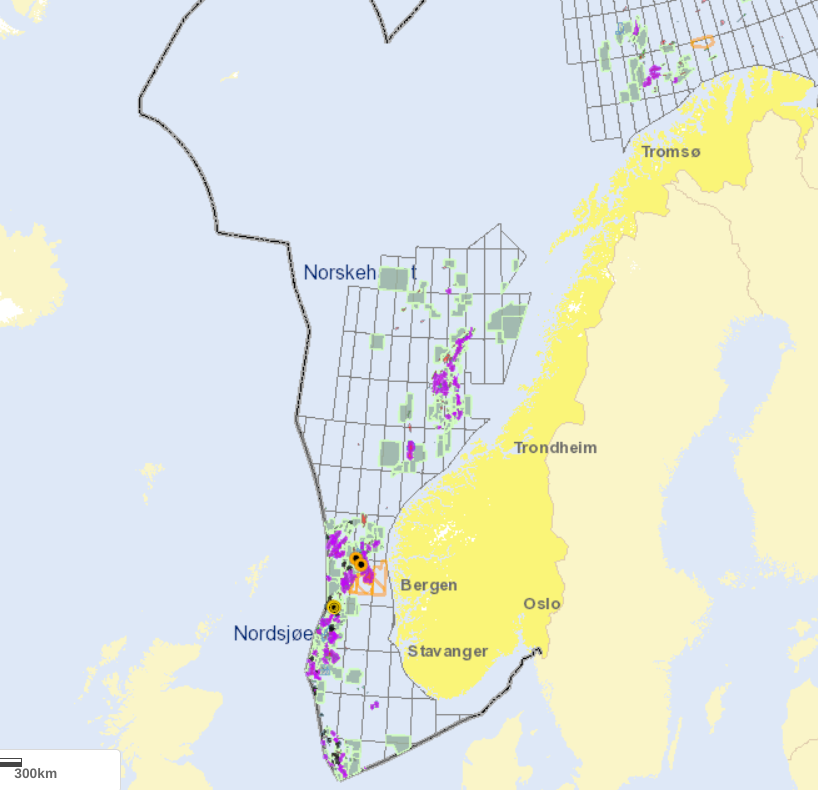
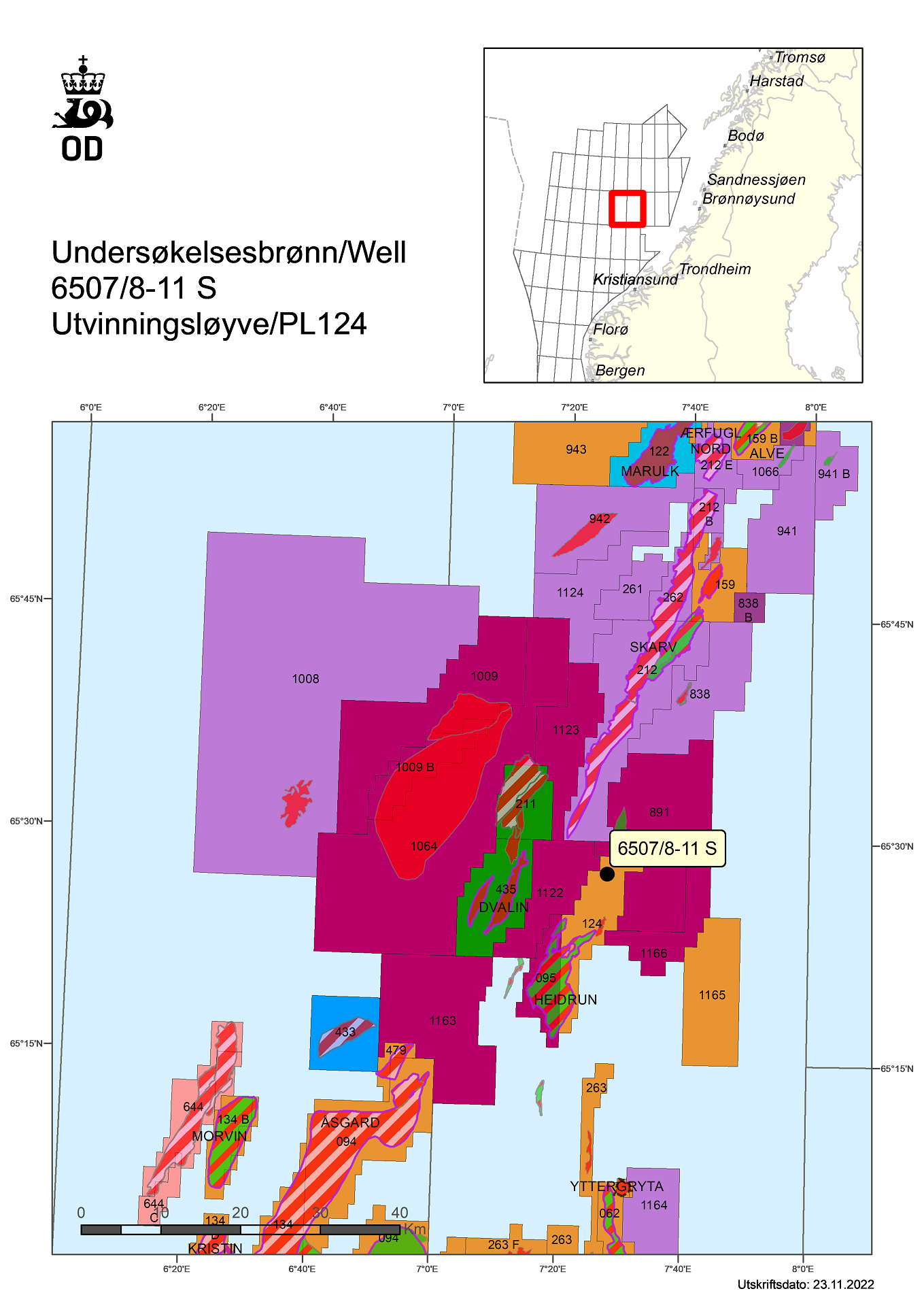
OSLO, June 28 (Reuters) – Norway’s government said on Wednesday it has given approval for oil companies to develop 19 oil and gas fields with investments exceeding 200 billion Norwegian crowns ($18.51 billion), part of the country’s strategy to extend production for decades to come.
“These are projects that will contribute to a continued high and stable output from Norway’s continental shelf as well as employment and value creation,” Minister of Petroleum and Energy Terje Aasland told a news conference.
Oil and Energy Minister Terje Aasland takes over the constitutional responsibility for the Petroleum Safety Authority with effect from 11 May 2023. Labor and Inclusion Minister Marte Mjøs Persen previously held responsibility. With this, the government wishes to strengthen comprehensive and good management of HSE, safety and preparedness on the Norwegian continental shelf.
The transfer of responsibility to the Ministry of Oil and Energy (OED) is in line with the main principle in Norwegian administration that one ministry and one cabinet minister have the constitutional responsibility for the sector as a whole.
The Petroleum Safety Authority and the Norwegian Petroleum Directorate, the resource management agency, now report to the same ministry. Prior to a December 2003 decree that established the PSA, both the safety and resource functions were administered by the NPD.
Could this be the start of a trend toward better coordination of regulatory and resource management functions? If so, that would be a positive development. Fragmented oversight is neither in the best interest of safety nor resource management. (More on this in an upcoming post.)
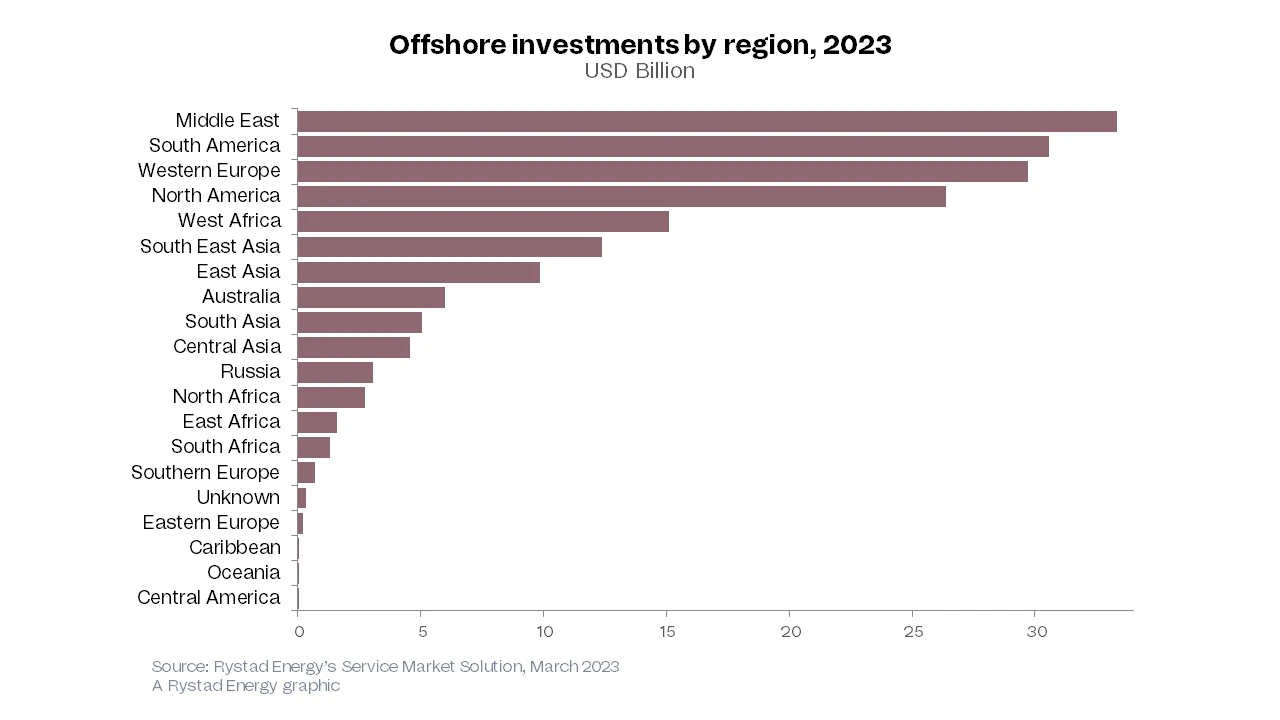
The offshore oil and gas (O&G) sector is set for the highest growth in a decade in the next two years, with $214 billion of new project investments lined up. Rystad Energy research shows that annual greenfield capital expenditure (capex) broke the $100 billion threshold in 2022 and will break it again in 2023 – the first breach for two straight years since 2012 and 2013.
Offshore activity is expected to account for 68% of all sanctioned conventional hydrocarbons in 2023 and 2024, up from 40% between 2015-2018.
OSLO, Nov 29 (Reuters) – Norway will not issue licences for energy companies to explore for oil and gas in frontier areas during the life of the current parliament, which ends in 2025, its oil and energy minister told Reuters on Tuesday.
“SV (Socialist Left Party) has had this as a demand for this year and we went along with that. And have accepted that this can be held off for this parliamentary period,” (per Minister of Petroleum and Energy Minister Terje Aasland).
Aasland said there was “no drama” in the decision as authorities still issue licences to oil companies in a parallel licensing around called the APA round, in so-called mature areas that are already open to oil companies.
The quote below is encouraging. Hopefully, the technical team will be able to function independently, and will have strong leadership. I would like to see participation by the Petroleum Safety Authority of Norway.
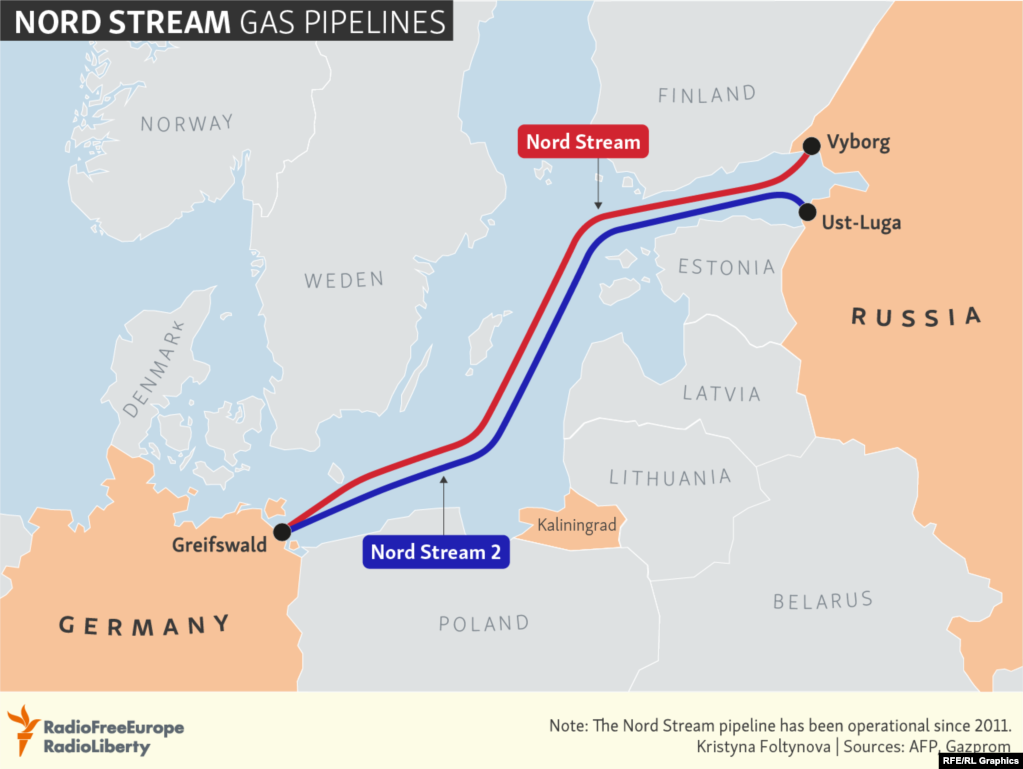
“There are good teams in place to handle pipeline accidents, there are emergency pipe inventories and experts for onshore and offshore,” Jens Schumann, managing director of gas pipeline grid company Gasunie Deutschland, said.
Nord Stream AG has started mobilization of all necessary resources for a survey campaign to assess the damages in cooperation exchange with relevant local authorities. Currently, it is not possible to estimate a timeframe for restoring the gas transport infrastructure. The causes of the incident will be clarified as a result of the investigation.







 Bud's Offshore Energy (BOE)