Feeds:
Posts
Comments

Posts Tagged ‘Newfoundland’

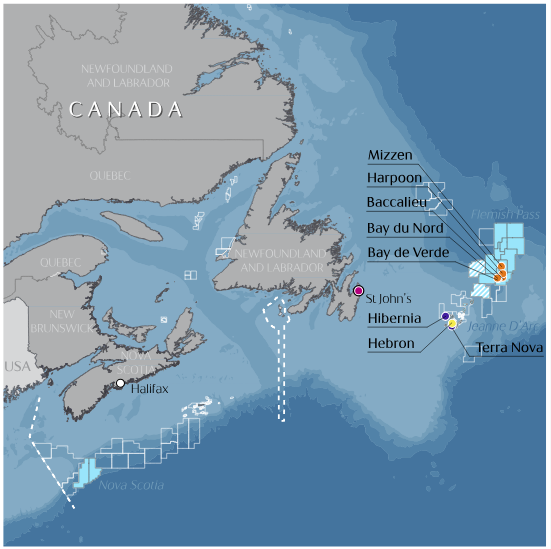
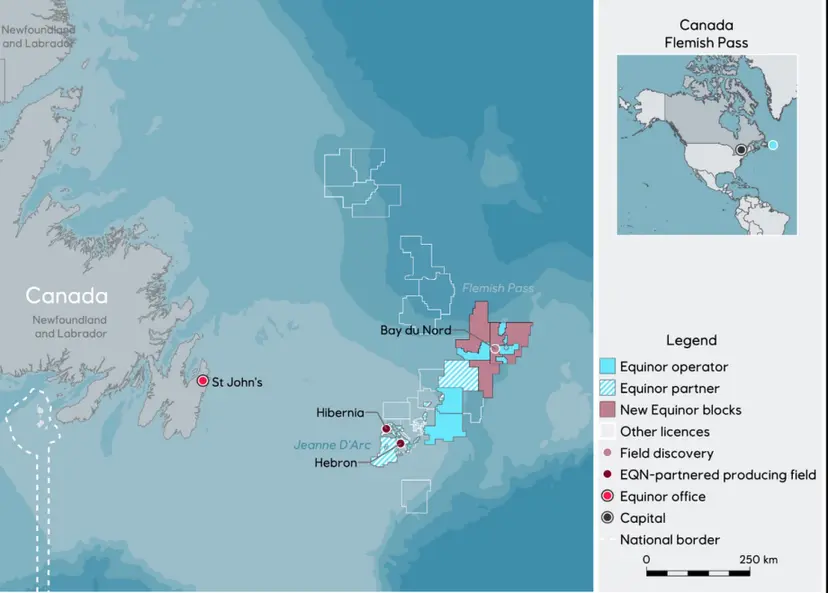
The CNLOPB has announced contingent resources of 340 million bbls for the Cambriol discovery which would be co-developed with 2 nearby discoveries as part of Equinor’s Bay du Nord project. Per CNLOPB estimates, this brings the Bay du Nord resource total to 1.132 billion bbls. Equinor has announced that 2 exploratory wells will be spudded this summer. Positive results would further strengthen the case for Bay du Nord development.

contingent resources per CNLOPB (million bbls)
Bay du Nord407
Cappahayden385
Cambriol340
project area total1132
“Contingent Resources” are volumes of hydrocarbons, expressed at 50% probability, assessed to be technically recoverable that have not been delineated and have unknown economic viability.

Meanwhile, Terra Nova production is ramping up after a long hiatus for FPSO refurbishment, remarkable Hibernia has produced more than double the original resource estimate of 520 million bbls and is still producing about 60,000-70,000 bopd, and Hebron is impressively producing about 120,000 bopd on average.

There is indeed reason for optimism about North America’s only Atlantic production in what is arguably the continent’s (world’s?) most challenging operating environment.

Read Full Post »

Short answer: Yes!

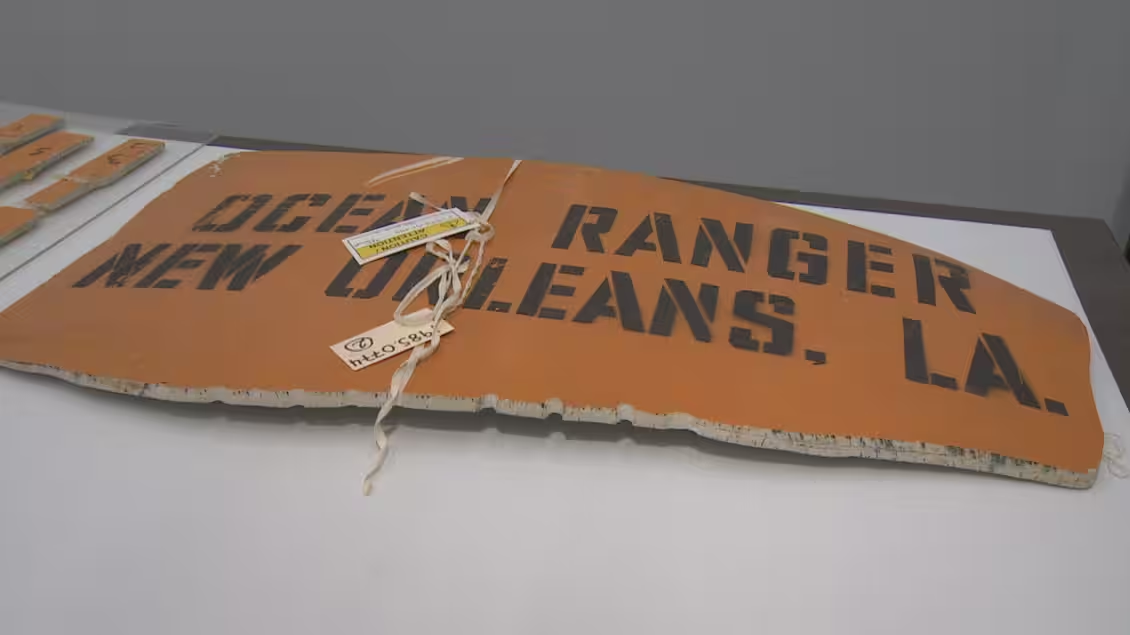
Ocean Ranger sign
recovered Ocean Ranger sign

A good article and video on the topic are linked. During my last visit to St. John’s, the late Charles Smith gave me an excellent tour of the Marine Institute that is featured in the video. The Institute is an outstanding training facility that has reduced operating risks offshore Newfoundland and elsewhere.

Posts about the Ocean Ranger tragedy.

Read Full Post »

Ed Tennyson

Edward J. Tennyson passed away last Friday at his Smith Mountain Lake, Virginia home. Ed worked in the Department of the Interior’s offshore program for more than 20 years, and arguably has done more than any single individual to advance oil spill response capabilities. A few of Ed’s many achievements:

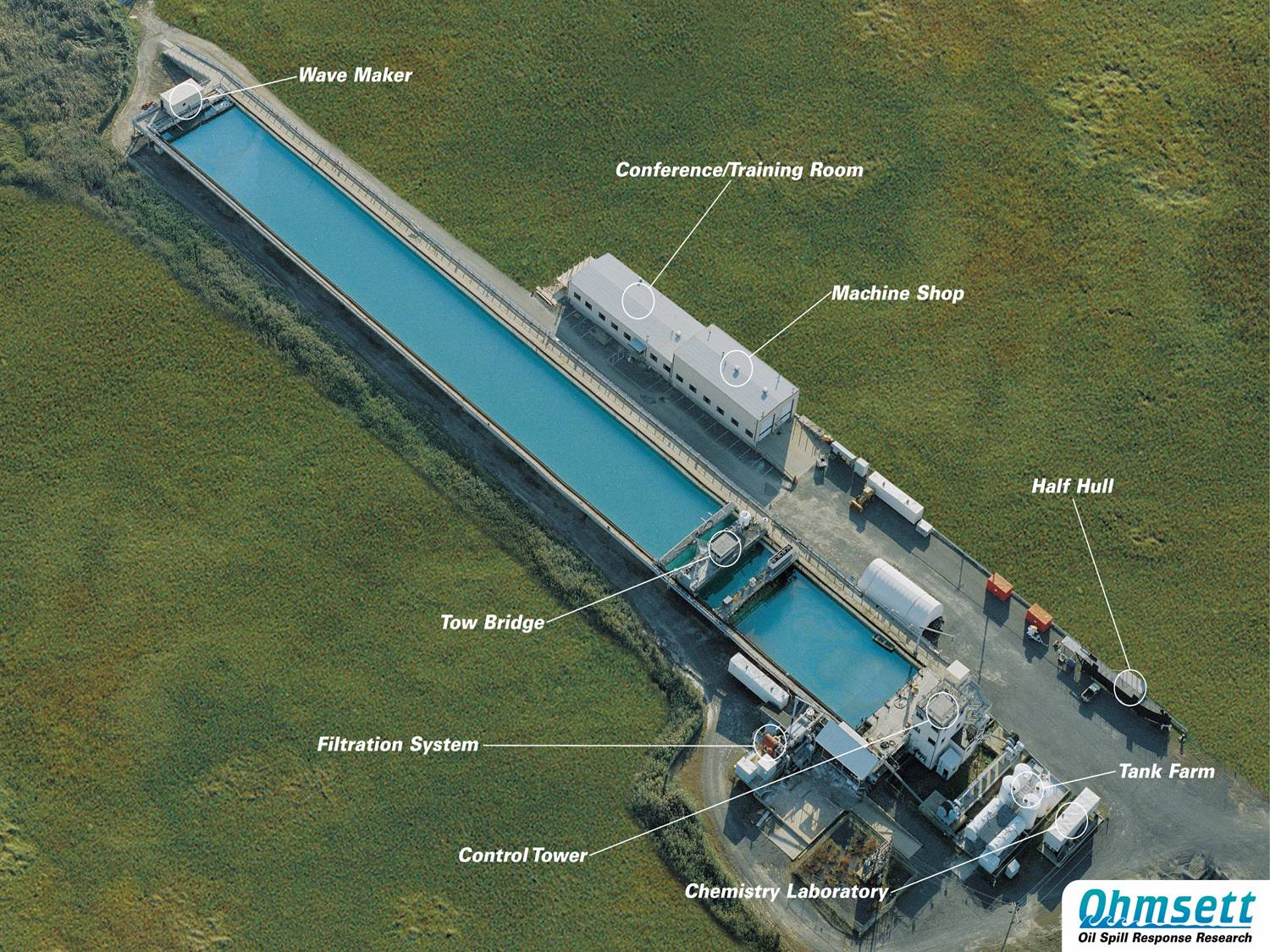
  • Ohmsett: EPA operated the Ohmsett spill response test tank in Leonardo, New Jersey, beginning in the early 1970s, but the facility fell into disrepair in the 1980s. Thanks to Ed’s vision and persistence, and the enactment of the Oil Pollution Act of 1990, the Minerals Management Service (MMS) began restoring the facility. Ed led the effort and did everything from operating forklifts to designing upgrades. Senator Frank Lautenberg (NJ) and a host of dignitaries participated in the grand reopening event in 1992. It was an amazing day, and Ohmsett, MMS’s only industrial facility, has exceeded even Ed’s lofty expectations. 
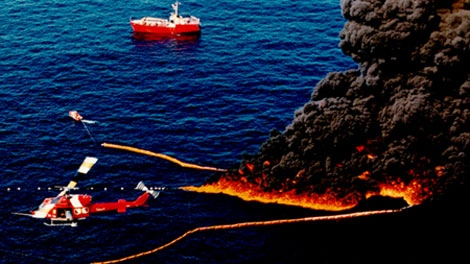
  • Burning oil slicks: Ed and a few of his US and international partners were the first to consider in situ burning as an oil spill response method. After some lab work, Ed proposed larger scale testing at Ohmsett in the presence of ice. The testing was amazingly successful, removing almost all of the oil. When Ed told a leading skeptic about the impressive results, his response was “you didn’t do it right.” 😀 
  • Newfoundland burn: Because research spills were prohibited in US waters, Ed worked with his Canadian partners to conduct an in situ burning test offshore Newfoundland in 1993. Ed was an amazing leader during any kind of field trials, and was always the first person on the dock directing team members to their stations!
  • Remote sensing: Ed’s research led to a patent on the use of shipborne radar for locating oil slicks. Ed greatly advanced this capability by developing tools for airborne mapping and thickness determinations. As Ed frequently said, “90% of the oil is in 10% of the area.” By identifying where the oil was thickest, you could optimize spill response. (Ed was also an expert at identifying slicks with what he called his mach 20 eyeball 😀).
  • Chemical treatment: Ed was a leader in researching dispersants, herding agents, and other chemical methods for preventing spills from impacting shorelines or other sensitive areas.

Ed was an entertaining and informative speaker and was often called upon to brief congressional panels, and discuss his research at public meetings and professional conferences. He was rightfully a media darling and was often contacted for comments on oil spill response matters. Perhaps his most famous quote was in the Wall Street Journal during the Valdez spill in Prince William Sound. Ed described the spill response as follows: “Like mowing a 40 acre field with a 1/4 inch lawn mower.” 😉

RIP Ed, you made a difference!

Newfoundland Offshore Burn Experiment, 1993

Read Full Post »

Newfoundlander Howard Pike shared this interesting video.

BP’s Ephesus well – why was it a failure?

Read Full Post »

An international regulatory colleague brought this puzzling RigZone article to my attention. Quotes:

“From one perspective, one can look at the overall absence of risk – from this perspective, we can easily say that either the United Kingdom’s North Sea or Canada’s Nova Scotian continental shelf is the safest region for offshore oil and gas operations right now,” Robak told Rigzone.

“Canada’s offshore industry accounts for approximately one million barrels per day, and its geographic location along the Nova Scotian continental shelf has been a benefit in that there is little to no risk to its continued operation on a day-to-day basis,” Robak said.

Comments:

Scotian shelf

Read Full Post »

41 years ago today, 84 men lost their lives on the Ocean Ranger. BOE’s 40th anniversary posts can be viewed here and here. The excellent 40th anniversary tribute video is embedded below. Remember these heroes.

Read Full Post »

Newfoundlander Howard Pike’s excellent tribute to my former colleague Charles Smith can be viewed from minutes 26 to 36 of this video.

Read Full Post »

The offshore world lost an important figure over the weekend with the passing of John Gregory Fitzgerald. As Chairman and CEO of the Canada Newfoundland Offshore Petroleum Board in the late 1990’s, John presided over the first production from the massive Hibernia field. He also approved the pioneering Terra Nova project, the first FPSO development in a harsh, iceberg laden environment.

John worked closely with his international counterparts and hosted an important offshore safety meeting in St. John’s in 1996. It was an honor to be associated with such an outstanding individual and dedicated safety leader.

RIP John, your contributions will not be forgotten.

Read Full Post »

… especially those in Newfoundland where the only offshore oil and gas operations in the N. American Atlantic are being conducted.

Read Full Post »

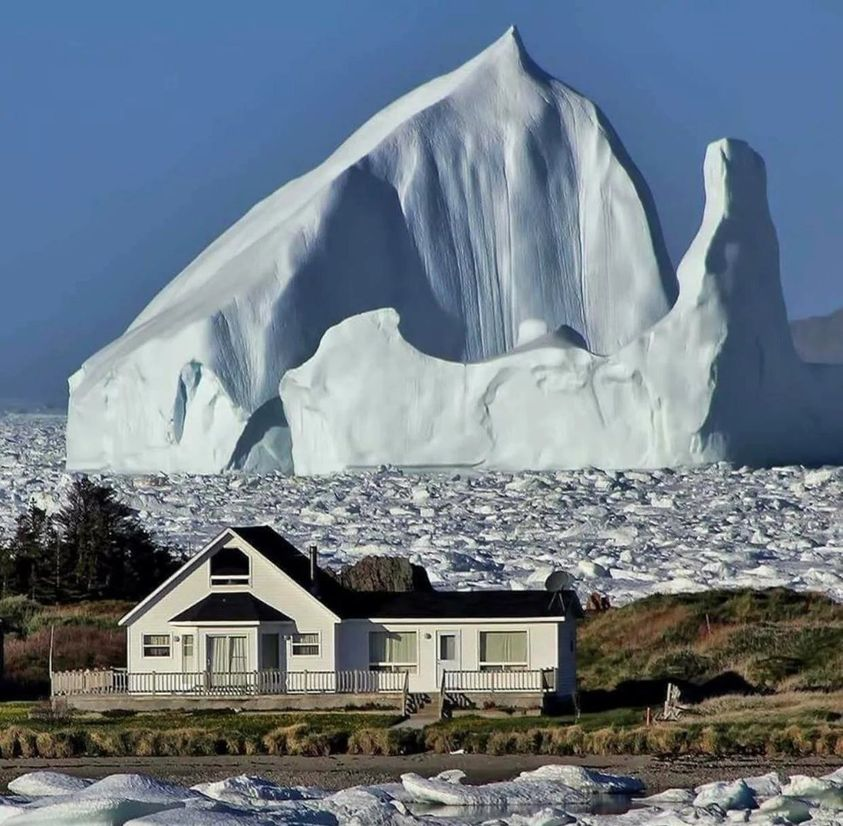
Home overlooking Iceberg Alley near Ferryland, Newfoundland (from Earthly Mission)

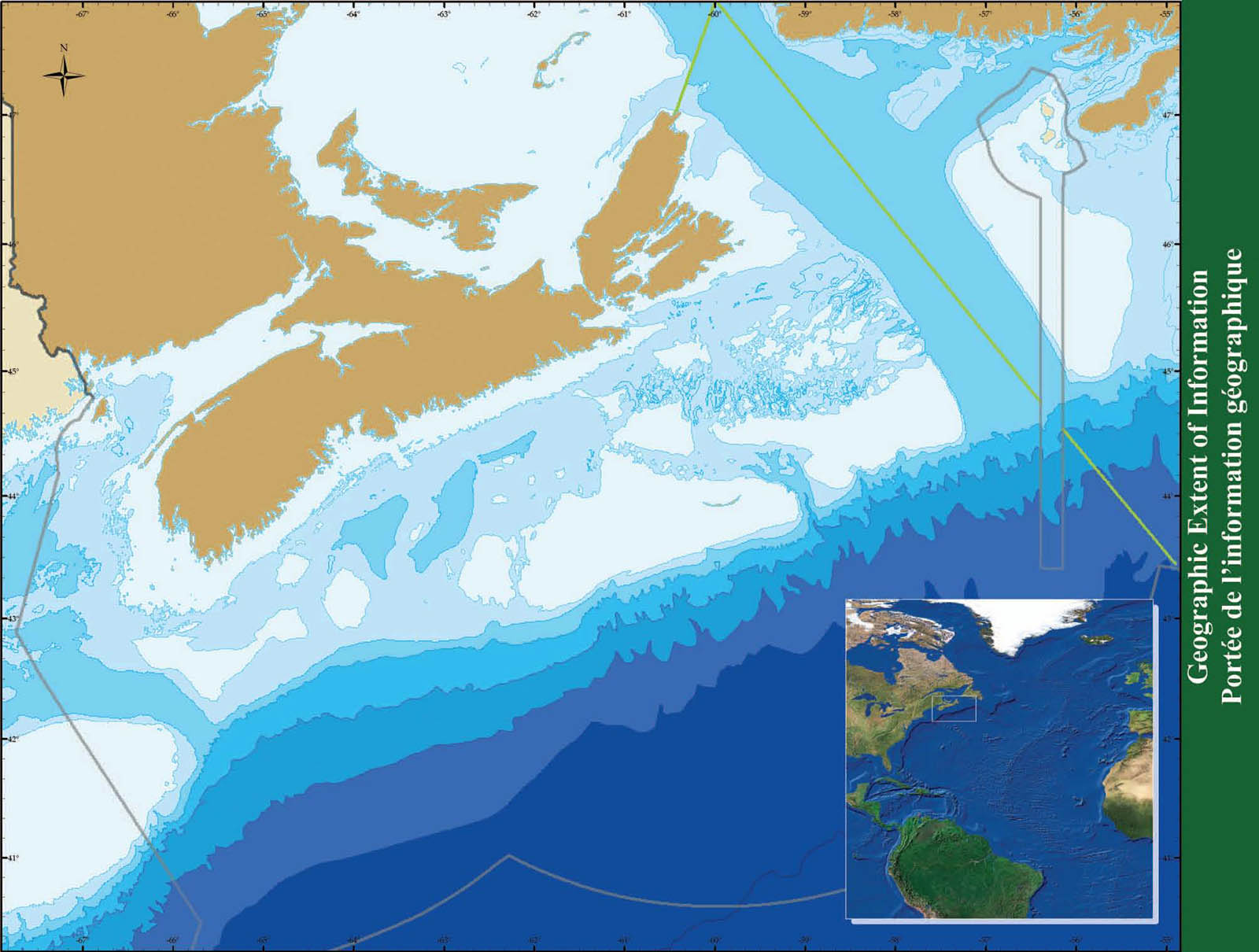
Far offshore from Ferryland (see map below), oil and gas operations are conducted in what are arguably the world’s most challenging conditions. The Grand Banks has been called the “North Sea plus icebergs,” and that may be an understatement.

Read Full Post »

« Newer Posts - Older Posts »