Feeds:
Posts
Comments

Posts Tagged ‘MOU’

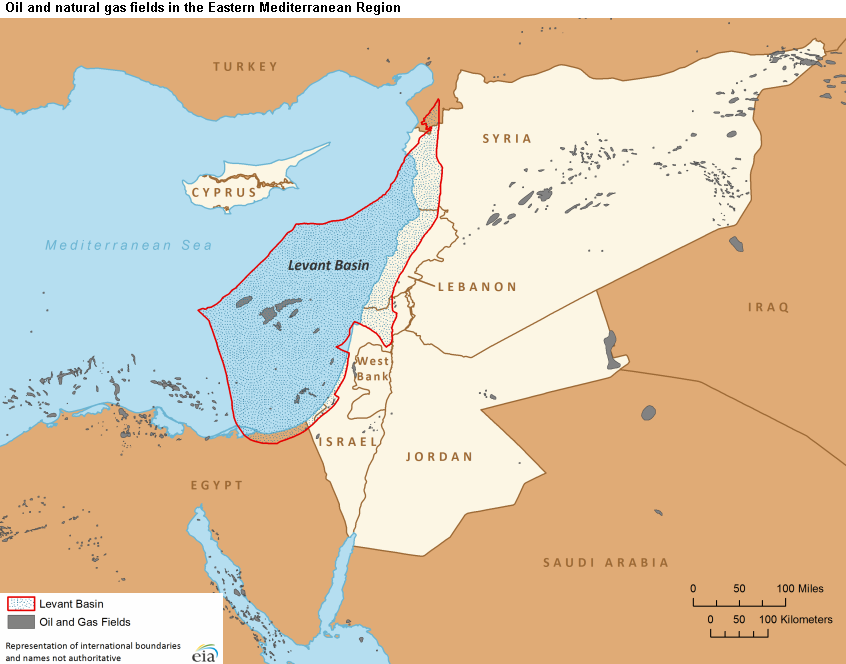
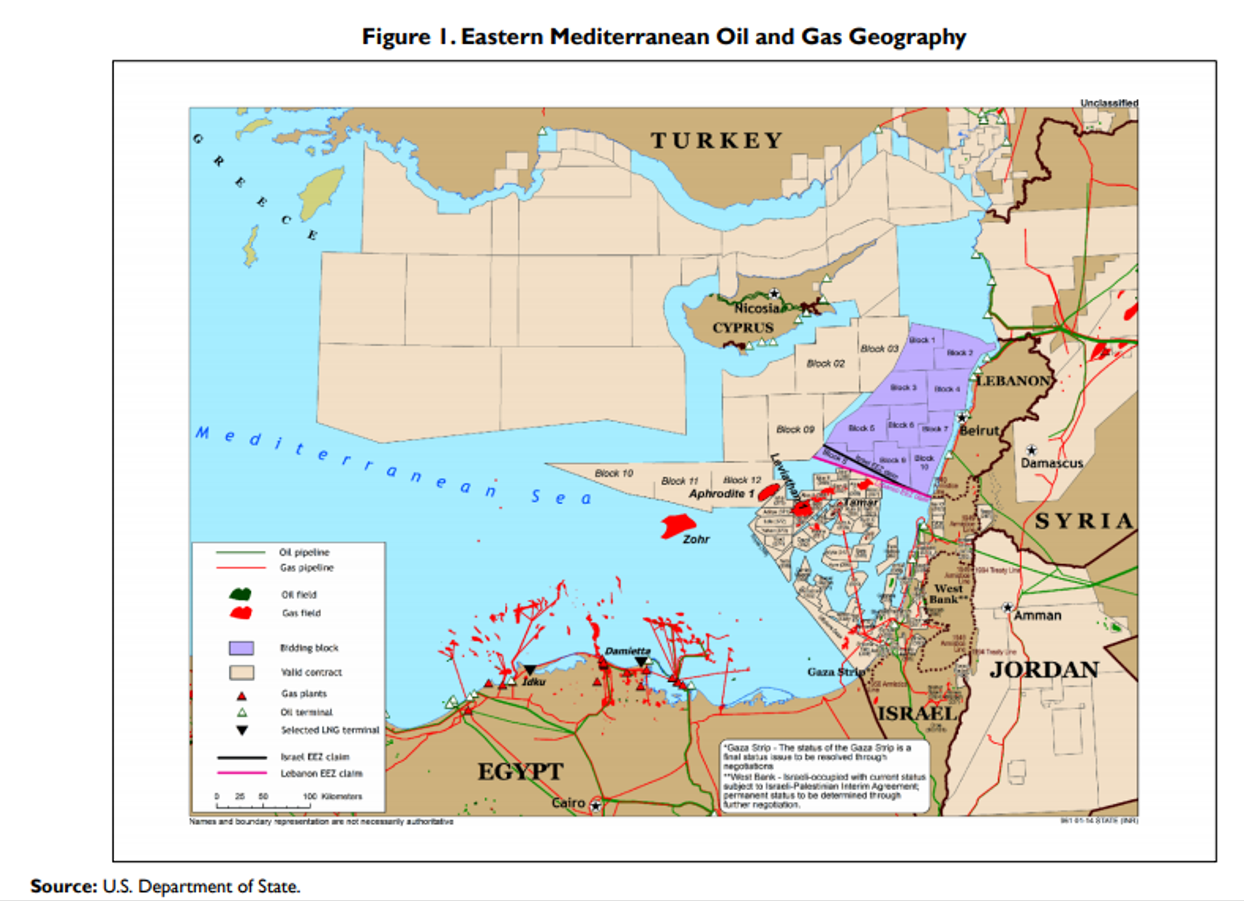
Thirty years ago, when industry majors shied away from exploration offshore Israel, Noble Energy (then Samedan) boldly stepped forward and partnered with the Delek Group to explore the Eastern Mediterranean.

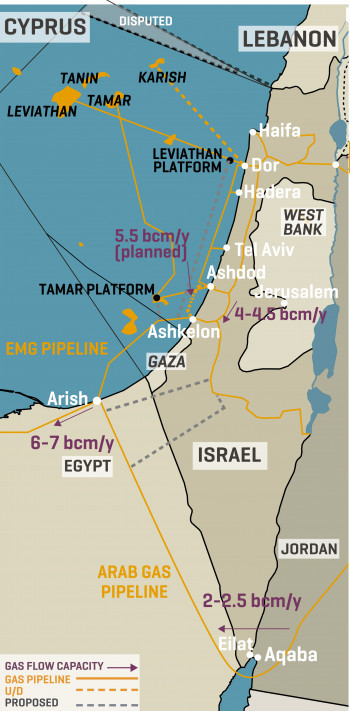
Exploration success was accompanied by national security, legal, and regulatory challenges. Nonetheless, Israel’s gas production has grown rapidly and is expected to exceed 3 bcf/day in 2026, which is > current gas production in the Gulf of America.

Chevron is now the main operator in Israel, having purchased Noble’s assets in 2020. The company has taken another major step by signing an MOU with Syrian Petroleum Co. and Qatar-based Power International Holding. The document is not currently accessible online, but appears to be substantive based on press reports.

The agreement focuses on preliminary cooperation for exploring and developing offshore oil and gas resources offshore Syria. It’s noteworthy that the MOU will only remain in effect for two months, after which “formal contracts and operational work are expected to follow.”

Having done some work for Noble Energy in the 2010s, I’m very impressed by the progress that has been made given the geopolitical challenges.

Production at Chevron’s Leviathan, a giant gas field offshore Israel

The EIA’s Eastern Mediterranean overview is attached.
Read Full Post »

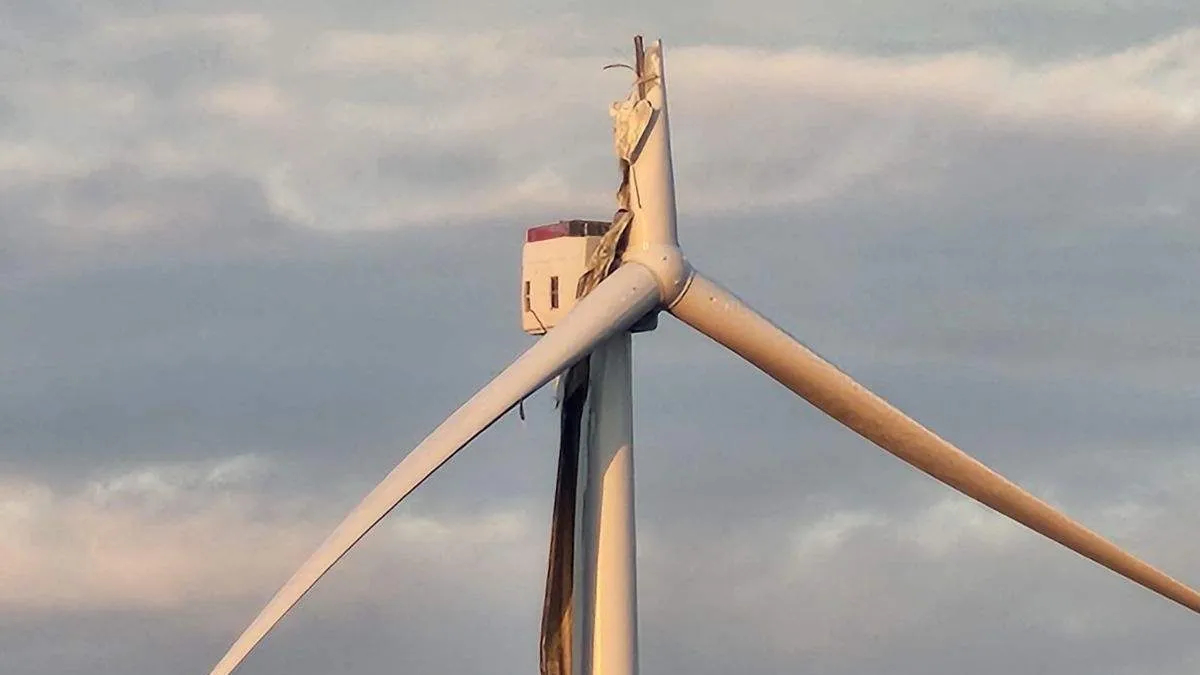
7/13/2024 Vineyard Wind turbine blade failure offshore Nantucket

The attached Memorandum of Understanding between Vineyard Wind (VW) and the Town of Nantucket is long on bureaucratic procedures and short on risk mitigation and penalties.

The agreement details requirements for monthly reports, liaisons, written correspondence, plan reviews, and participation on incident management teams, but excludes any monetary penalties for past or future incidents. (With regard to penalties, should BSEE have assessed civil penalties for the 2024 turbine incident in accordance with 30 CFR § 285.400 (f)? This was a major pollution event.)

This MOU provision gives the impression that the Town is subordinate to VW:

“The Town will provide Vineyard Wind 1 up to 4 business days, if required, to identify and correct errors in the Town’s intended public communications about the Project.”

The responsible party should not be exercising oversight over the communications of an affected local government. Can you imagine Santa Barbara County reaching such an agreement with Sable Offshore?

Finally, the MOU further establishes the Town as a de facto partner in the project. VW, not the Town, is the responsible party and must be held fully accountable for project performance.

Read Full Post »

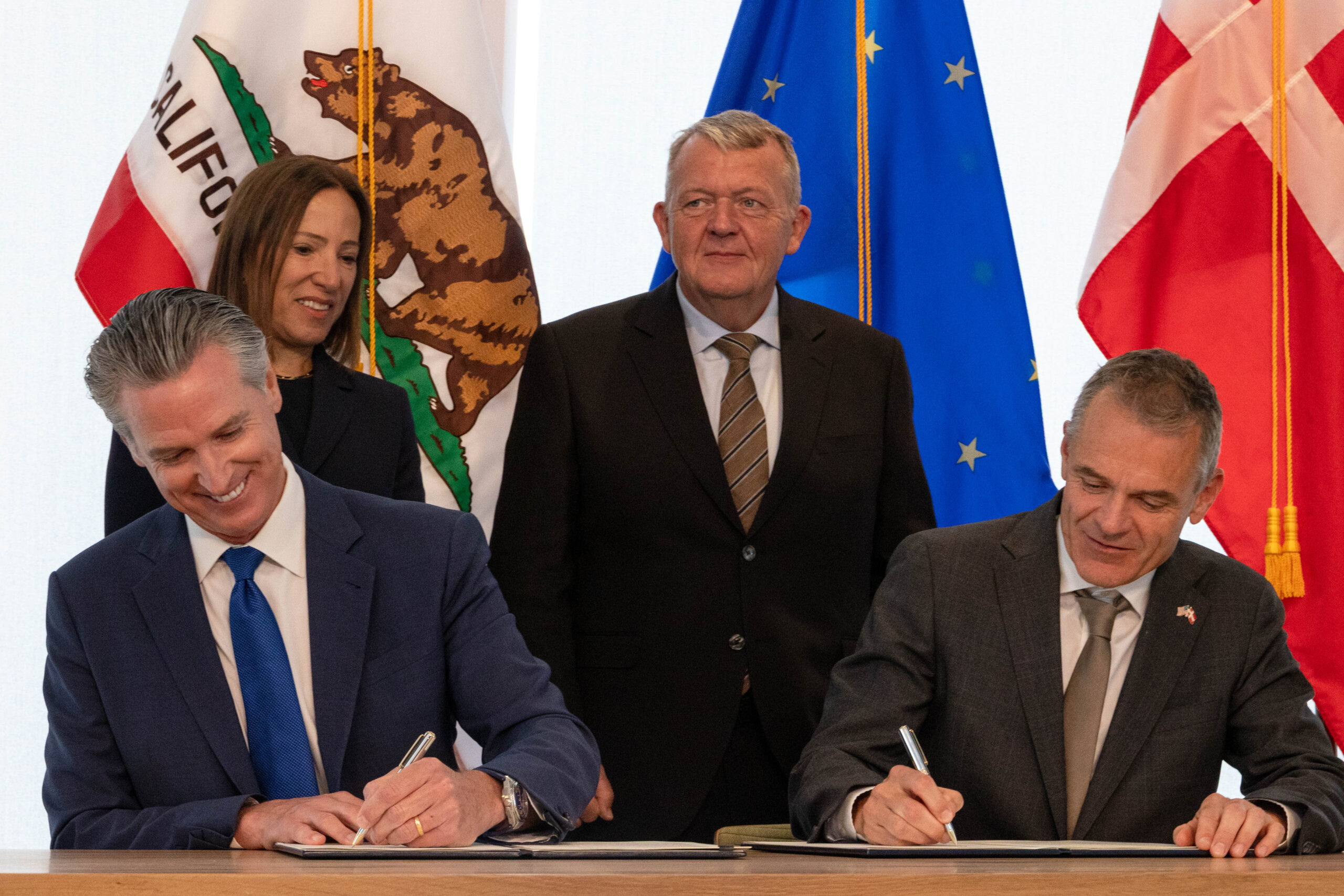
Gov. Newsom and Danish Foreign Minister Lars Løkke Rasmussen

As is the case for most MOUs, the attached 8/22/2025 agreement between California and Denmark is long on promotion and short on substance. No funds are obligated and there are no work commitments.

The MOU made sense for Gov. Newsom in that he strengthened his green credentials by aligning with the country that is the spiritual leader for climate activists.

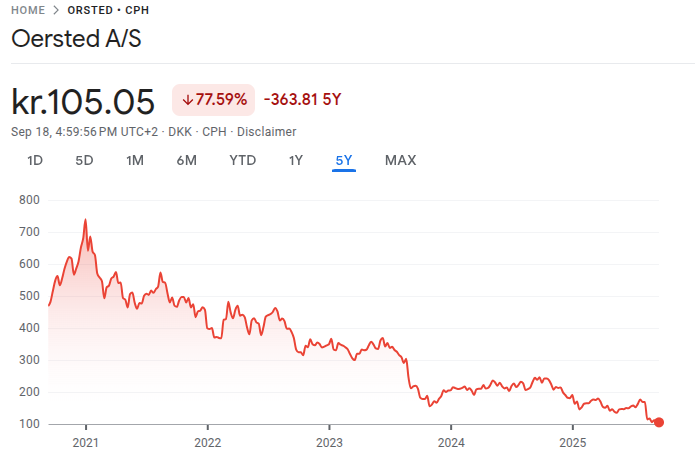
The benefits for Denmark were unclear, but the risks should have been apparent. The White House is fundamentally opposed to the climate and energy objectives identified in the MOU. Ørsted (50.1% govt owned) and other Danish business interests are very much dependent on decisions made by the US Federal govt.

Work on Ørsted’s Revolution Wind project has been halted by Interior Secretary Burgum. His decision is being challenged in court, but no matter what the outcome, offshore wind development will be difficult for Ørsted and other foreign companies going forward. The Secretary has broad regulatory authority under the OCS Lands Act, under which there is no such thing as “a fully permitted project.”

Meanwhile, California’s green status has taken a hit with the passage of S 237, which pragmatically authorizes new onshore drilling.

Lastly, as the chart below illustrates, Orsted’s problems didn’t begin in 2025.

Read Full Post »