Feeds:
Posts
Comments

Posts Tagged ‘IRF’

In less than 10 days, we kick off the International Regulators’ Offshore Safety Conference in Vancouver.  The venue is top-notch, the list of delegates is long and impressive, and the speakers are world leaders in offshore operations, safety, and regulatory practices.  Everything is in place for a productive conference; now it is up to us.  We must challenge the speakers, each other, and conventional wisdom if we want to make a difference.  We need to understand where we have been, and then focus on where we are going.  In that regard, the “Roundtable Discussions” will be an important part of the conference.  If you plan to attend the conference and would like to assist with the Roundtable Sessions, send a note to edanenberger@gmail.com.

Here are ten issues that I look forward to discussing with other delegates:

  1. How do we develop a comprehensive and verified international incident data base?   The IRF data and some of the industry efforts are good starts, but where do we go from there?
  2. What other performance data should be routinely collected?
  3. How do we assess emerging and hidden risks?  In that regard, I am looking forward to Torleif Husebø’s presentation: PSA’s Risk Level Measuring Scheme and how available data are collected and used.
  4. Looking beyond centralizers, long-strings, and corrosion caps, what are the management lessons from Macondo and Montara?
  5. Is there such a thing as a hybrid regulatory regime?  While a certain amount of prescription is necessary in any regulatory system, how can a regime have both  “command and control” and “safety case” elements?  Aren’t they contradictory?
  6. How do we develop and encourage safety leaders?  How do we measure their progress.  In that regard, I am really looking forward to Mark Fleming’s presentation: Know where you are going rather than where you have been! A Leaders’ guide to continuous safety performance measurement
  7. Can regulators inhibit industry safety achievement?  How do we encourage innovation and leadership?  How do we deal with those who have no interest in either?
  8. Should standards participation and safety research be a part of every operator’s safety management programs?
  9. Can the international community help provide stability and perspective during crises like Macondo?
  10. What are the next steps in international cooperation on offshore safety?
 

Read Full Post »

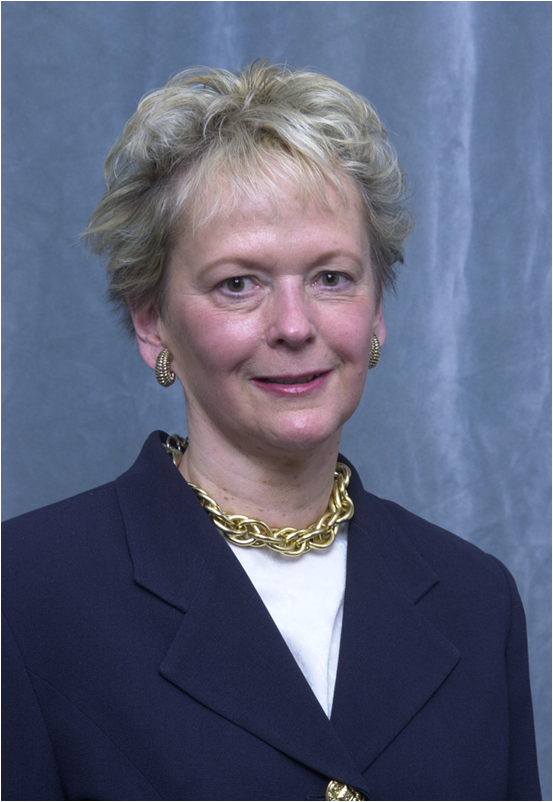
There is tremendous benefit from collaboration between governments and between industry and governments working together on a global scale. Half of the remaining oil and gas resources are located offshore, and the demand for energy continues to grow. While each country may have unique societal demands that must be addressed, we also share many common technical and environmental challenges as we continue to explore the deep water. Carolita Kallaur, 2001, London

Carolita Kallaur

Carolita Kallaur’s words ring stronger today than ever, and the need for international cooperation on offshore safety issues has never been clearer. Carolita, who directed the US offshore oil and gas program at the end of her outstanding career with the Department of the Interior, was the spirit of offshore safety.  Her highest priorities were improving international standards and working together on safety and pollution prevention matters, and she worked tirelessly to promote these objectives.

Carolita also believed in recognizing outstanding organizations and individuals who demonstrated exceptional commitment to safety achievement.  She was instrumental in establishing an awards program in Houston that honored these outstanding leaders.

Shortly after she retired in 2002, Carolita contracted amyotrophic lateral sclerosis, an incurable nervous system disorder that is commonly known as ALS or Lou Gehrig’s disease.  She died just before Christmas in 2003. Carolita’s indomitable spirit lives on with an awards program that honors outstanding offshore safety leaders. These awards were first presented at the International Regulators’ Offshore Safety Conference in London in 2005, and were again presented at the second conference in Miami in 2007.  The International Regulators’ Forum has completed its latest round of deliberations, and will again be presenting Carolita Kallaur Awards at the Vancouver conference on 18 October.

I look forward to joining international leaders in honoring Carolita’s legacy and recognizing the deserving winners of these prestigious safety awards.  See you in Vancouver!

Read Full Post »

On 8-9 September, the International Regulators’ Forum (IRF) met in Herndon, Virginia, to address offshore safety issues in the wake of the Macondo and Montara blowouts.  This was the first extraordinary meeting in the IRF’s 17-year history.  In a statement released after the meeting, the IRF resolved to:

  • Provide leadership on safety and safety related regulatory matters for offshore oil and gas activities.  A strategic agenda will be discussed and adopted at the next IRF meeting in October in Vancouver.
  • Develop an audit protocol looking at BOP integrity and operational issues, for use by all IRF members to provide a consistent approach.
  • Continue to strengthen sharing of regulatory practice and experience and provide a sounding board for key initiatives of members.

These and other offshore safety issues will be discussed at the upcoming (18-20 October) IRF conference in Vancouver.  This conference is open to all interested parties.

Read Full Post »


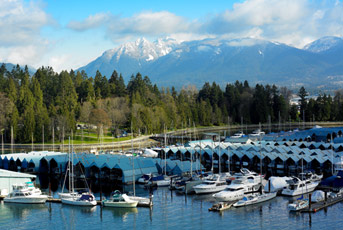
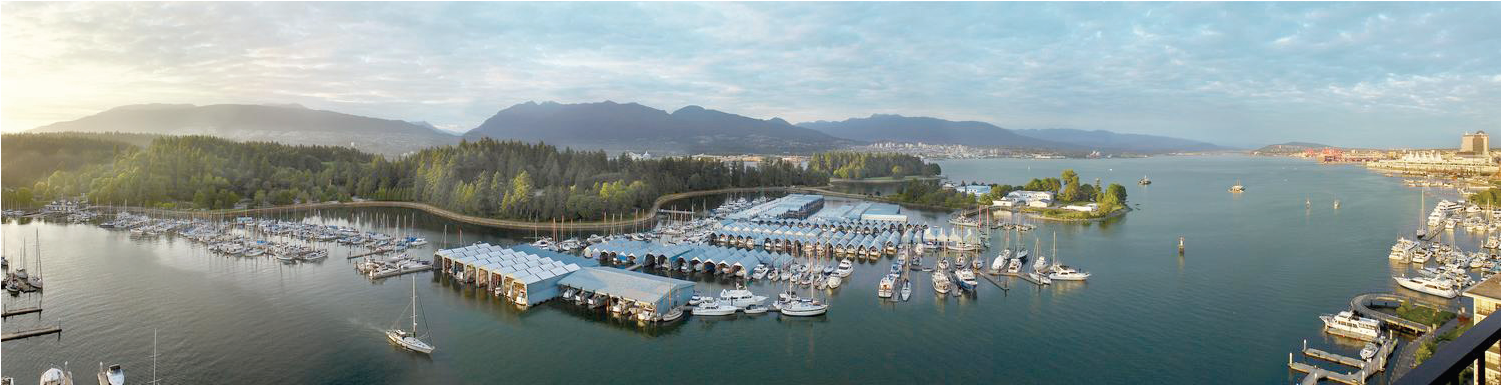
Vancouver, BC, Canada


The program for the International Regulators’ Offshore Safety Conference has been updated to include keynote presentations on the Montara and Macondo blowouts, and roundtable sessions that will address the lessons learned and how they should be applied by operators, contractors, and regulators.  The presentations, discussions, and debates are sure to be thought provoking and informative.  If you would like to participate, visit the conference website for more information.

Read Full Post »

Measuring and comparing international safety performance is not possible without consistent, verifiable data.  Most existing data sets suffer from one or more of the following shortcomings:

  • Some workers (e.g. contractors) are excluded
  • Dependent on voluntary submissions
  • No verification process
  • Inconsistent definitions and classification procedures

The International Regulators’ Forum has taken a major step forward in measuring and comparing safety performance.  Detailed definitions and guidelines have been established for classifying offshore safety incidents and compiling the data.  These criteria are now being used to compile incident data for IRF countries. The IRF definitions and classification procedures could be broadly applied by industry and regulators to better assess safety performance and identify operational concerns.  Learn more.

Read Full Post »

« Newer Posts