Feeds:
Posts
Comments

Posts Tagged ‘incident reporting’

The Center for Offshore Safety (COS) was established in response to a recommendation by the National Commission on the BP Deepwater Horizon Oil Spill and Offshore Drilling for improved self-regulation by the offshore industry. The Commission supported the creation of a non-profit, industry-funded organization similar to the Institute of Nuclear Power Operations, to promote the highest levels of safety and operational excellence. 

The COS has been effective in strengthening corporate Safety and Environmental Management Systems, influencing the industry’s safety culture, and sharing best practices and lessons learned. These are important accomplishments.

The COS has fallen short in gathering the data needed to assess the offshore industry’s safety performance. As is the case with most voluntary reporting programs, data completeness and accuracy issues limit the significance of COS performance reviews.

Observations regarding the most recent COS Offshore Safety Performance Report follow:

  • The COS uses accepted performance indicators and a logical classification scheme.
  • COS reports that their members accounted for 78% of OCS oil and gas activity in 2024. This is accurate when cross-checked with BSEE hours worked data. However, the % of hours worked is not a good measure of the % of incidents reported in any category.
  • Companies not participating included important operators like LLOG, Cantium, Walter, and W&T, a host of smaller Gulf independents, the 2024 violations leader (by a wide margin) Cox, and troubled Fieldwood. (See Fieldwood’s 2021 and 2022 performance.)
  • Only two drilling contractors – Helmerich & Payne and Valaris – are members. Major contractors like Noble, Transocean, and Seadrill are not members. Their incidents will thus not be reported if they are not working for a COS member.
  • No production contractors are COS members. These companies conduct most of the platform operations on the shelf, where many of the lease operators are not COS members.
  • Pacific and Alaska Region operators do not participate.
  • Looking only at fatalities (table below), the most important and easily verified incident category, there are troubling omissions:
    • COS reports no 2024 fatalities when in fact there was a fatality during an operation for a COS member.
    • COS reports no 2022 fatalities when there were actually five. A workover incident took the life of one worker, and four died in a helideck crash on an OCS platform. In both cases, the facility operator was a non-member company.
    • COS records one 2021 fatality, but fails to include a 2021 Fieldwood fatality. There were also 6 “non-occupational” fatalities on OCS facilities in 2021, as classified by BSEE. Given the importance of worker health (the H in HSE), such a high number of non-occupational fatalities should be of interest industry-wide.
    • The COS report includes only two of the six 2020 fatalities, 2 of which were classified by BSEE as non-occupational.
    • The bottom line is that COS accounted for only 3 of 12 (25%) occupational fatalities during the 2020-24 period. There were at least 20 fatalities if you include the non-occupational incidents.
fatalities per COSoccupational
fatalities (from BSEE data)
non-occupational
fatalities (from BSEE data)
202401?
202300?
202205?
2021126
2020242

The offshore industry is only as good as its worst performer, so complete participation is essential. Voluntary reporting is seldom complete reporting, because some companies are more concerned about confidentiality than completeness and information sharing.

For industry reporting programs to be comprehensive and credible:

  • The entity receiving the reports and managing the data must be independent and not affiliated with an industry advocacy organization.
  • All operating companies must participate and complete reporting must be required. This can be accomplished contractually. If necessary, the regulator can require participation (either as a separate regulation or as a SEMS element).
  • Company incident submittals should be audited by the independent entity.
  • Fees should be solely for the purpose of supporting the independent reporting system.
  • For SP1 and SP2 incidents (per the COS classification scheme), the names of the responsible companies should be included in the performance reports. The current COS system prioritizes confidentiality over accountabiity and information sharing.
Read Full Post »

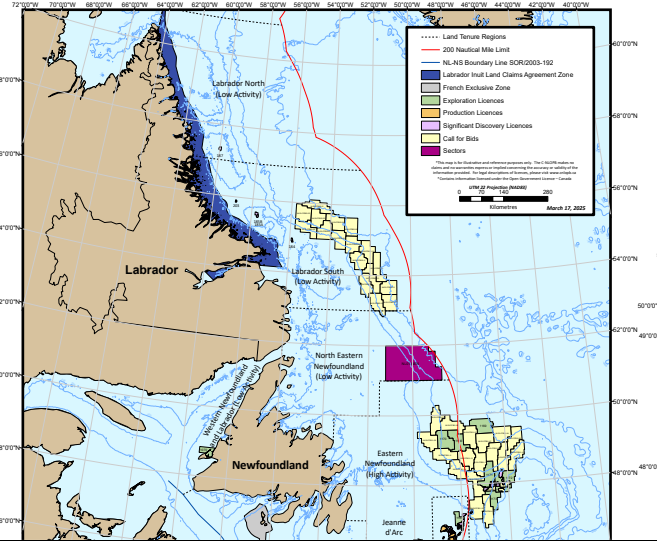
The Canada-Newfoundland Labrador Offshore Energy Regulator (C-NLOER) informs that once again no bids were received for tracts in the Eastern Newfoundland or Labrador South regions. According to this article, the outcome (no bids)was the same from 2021-2024.

Difficult operating conditions, high costs, and relatively modest oil price projections are no doubt factors contributing to the absence of bids. Energy NL has also pointed to the “complex, inconsistent and burdensome regulatory system” as a contributing factor.

Newfoundland’s newly elected Premier, Tony Wakeham, has said his Progressive Conservative Government will advocate for the cancellation of the emissions cap as it is a cap on production. He also supports incentives for offshore oil and gas projects such as an investment tax credit or the former Petroleum Incentive Program and indicated he would work with Energy NL to review incentives that could be implemented provincially.

The C-NLOER is committed to “review its land tenure system in collaboration with governments and others, to identify opportunities to enhance competitiveness in the Canada-Newfoundland and Labrador Offshore Area.”

On a separate policy matter, C-NLOER is applauded for announcing offshore safety/environmental incidents, including significant near misses, without delay. In the US, you have to scour BSEE investigation reports to find out about significant incidents or wait a year or more until the incident table is updated. This is inexcusable!

Read Full Post »

Scotland Against Spin (SAS) continues to provide an important public service by compiling wind turbine incident data from press reports and official releases. Their updated table includes 327 pages of incidents.

Oregon Live found out about the state of industry and government data on wind turbine incidents while investigating a turbine blade failure in Biglow Canyon, Oregon:

Accident and safety data is hard to come by for the wind industry.

There is no national database of incidents. Owners don’t publicize them. Vendors are reluctant to discuss it. And reporting rules vary by state, or even by county.”

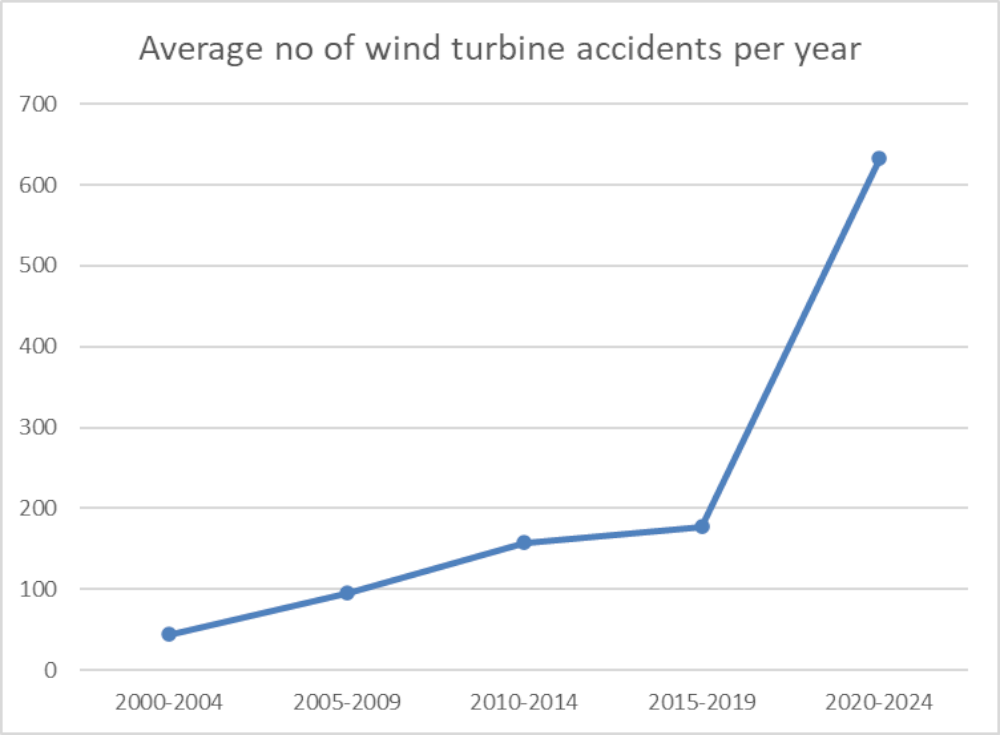
Thankfully, SAS diligently gathers publicly available reports and updates their tables in a timely manner. Their data indicate that the number of wind turbine incidents has risen sharply in recent years (see chart below). So, of course, has the number of turbines.

The World Wind Energy Assoc. reports an increase of ~60% in wind turbine capacity between 2019 and 2023. This capacity increase would only partially account for the recent tripling in annual incidents reported by SAS, and SAS believes their list is merely the “tip of the iceberg.”

A high priority for wind industry regulators in the US and internationally should be establishing a consistent wind energy incident reporting regime and making the data available to the public in a timely and organized manner.

complete SAS wind turbine incident table (327 pages)

Read Full Post »

… for their coverage of the Vineyard Wind turbine blade incident and their investigative reporting. From a recent Current article (emphasis added):

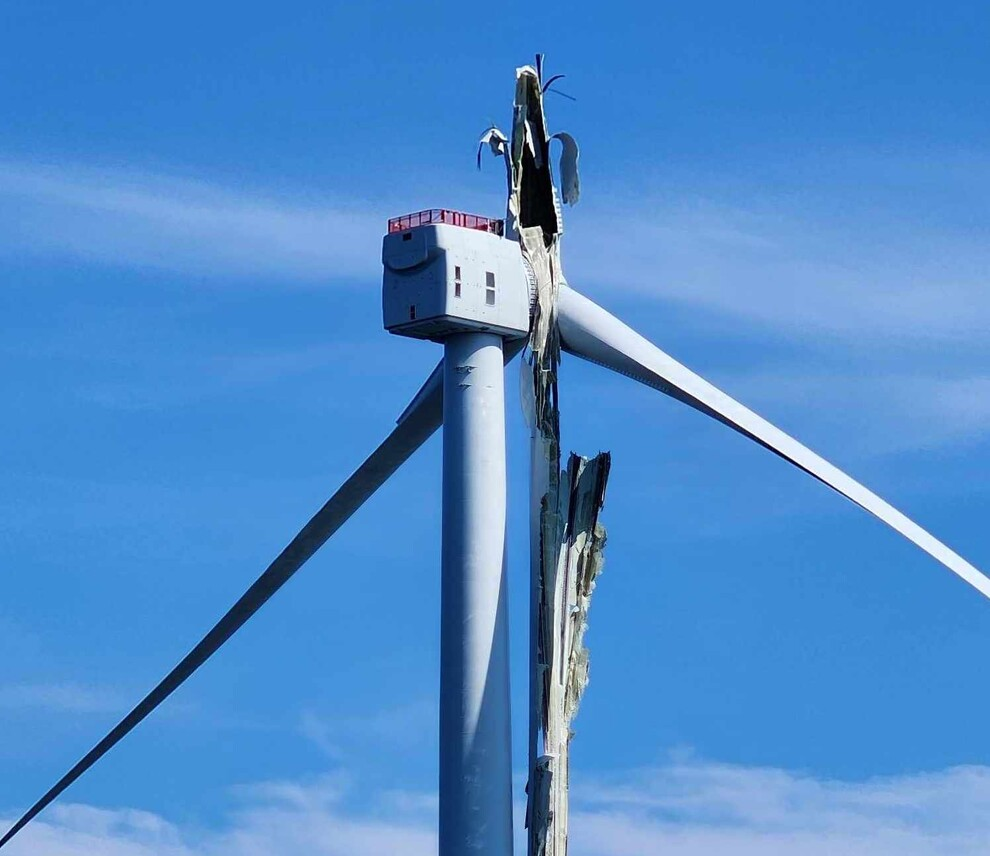
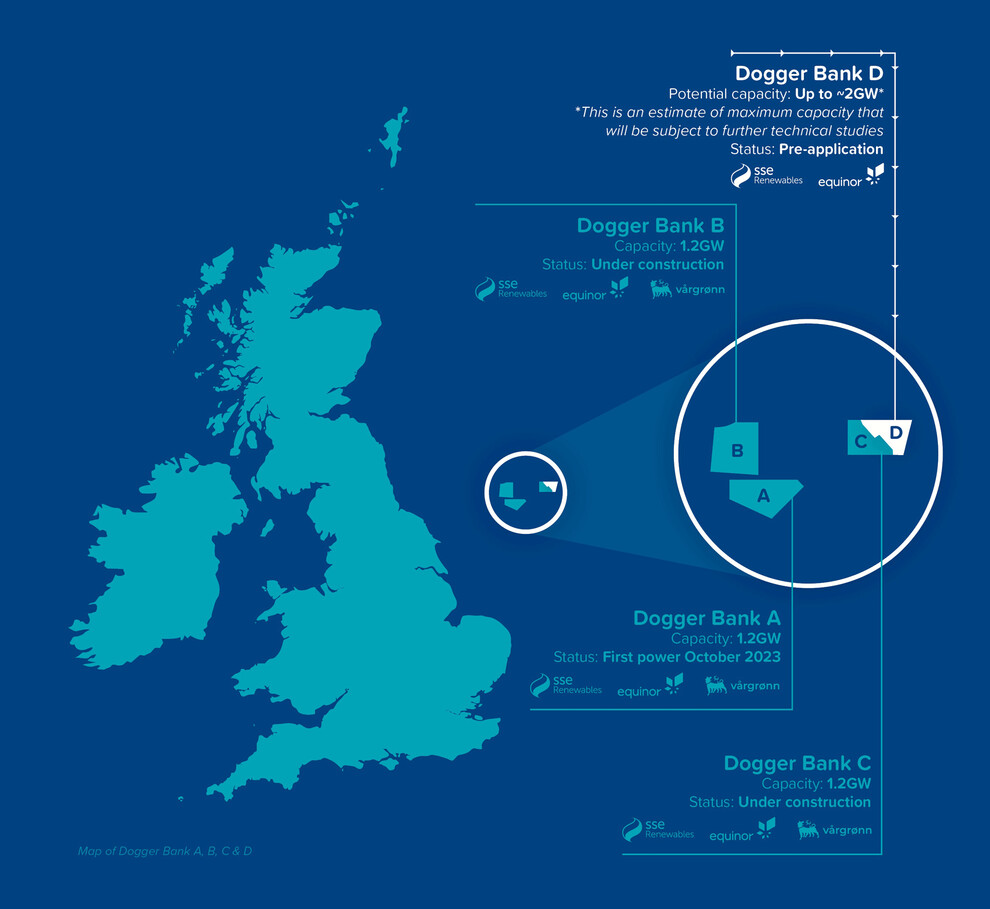
The technology may not be new, but the size and scale of the Haliade-X turbine is novel for the offshore wind industry. And these jumbo-sized turbines have only recently been installed in just two locations in the world within the last year – at Vineyard Wind off Nantucket, and the Dogger Bank Wind Farm off the northeast coast of England. The Haliade-X turbine blades – which are supposed to have at least a 25-year lifespan – have suffered failures in both locations.

At the Dogger Bank Wind Farm – which is being completed in three sections which combined will make up the largest offshore wind farm in the world – the first GE Vernova Haliade-X turbine was installed in the fall of 2023 and began producing power on Oct. 10. But little is known about the blade failure that occurred just months later during the first week of May 2024. The damaged blade was disclosed by Dogger Bank’s owners – SSE Renewables, Equinor, and Vårgrønn – a week after the incident. In a statement, the companies said only that “damage was sustained to a single blade on an installed turbine at Dogger Bank A offshore wind farm.”

One reason the turbine blade incident at the Dogger Bank may not have generated more attention at the time is that the wind farm is located 100 miles off the coast of England, rather than just the 15 miles in the case of Vineyard Wind and Nantucket. If any debris was generated, it would have a far wider area to disperse in before nearing land – if it made it that far at all.

Interestingly per the Current:

  • The Haliade-X turbine is the same one Orsted – a partner in Vineyard Wind – is planning to use for offshore wind farms slated for the waters off New Jersey and Maryland.
  • GE Vernova has allegedly refused to acknowledge responsibility for repairing the damaged turbines and generators in Oklahoma.
  • Land-based turbines have come apart in Sweden, Germany, Lithuania, Cypress, Brazil, and the US (and presumably elsewhere).

Greater transparency regarding turbine incidents, both in the US and internationally, is clearly needed. As we have learned from decades of experience with the oil and gas industry, most companies prefer reporting systems (if any) that protect details and information about the responsible parties from public disclosure. It’s the responsibility of the regulators to make sure that incident data and investigation reports are timely, complete, and publicly available. This is made more difficult by the promotional role that government agencies have assumed for offshore wind.

Read Full Post »

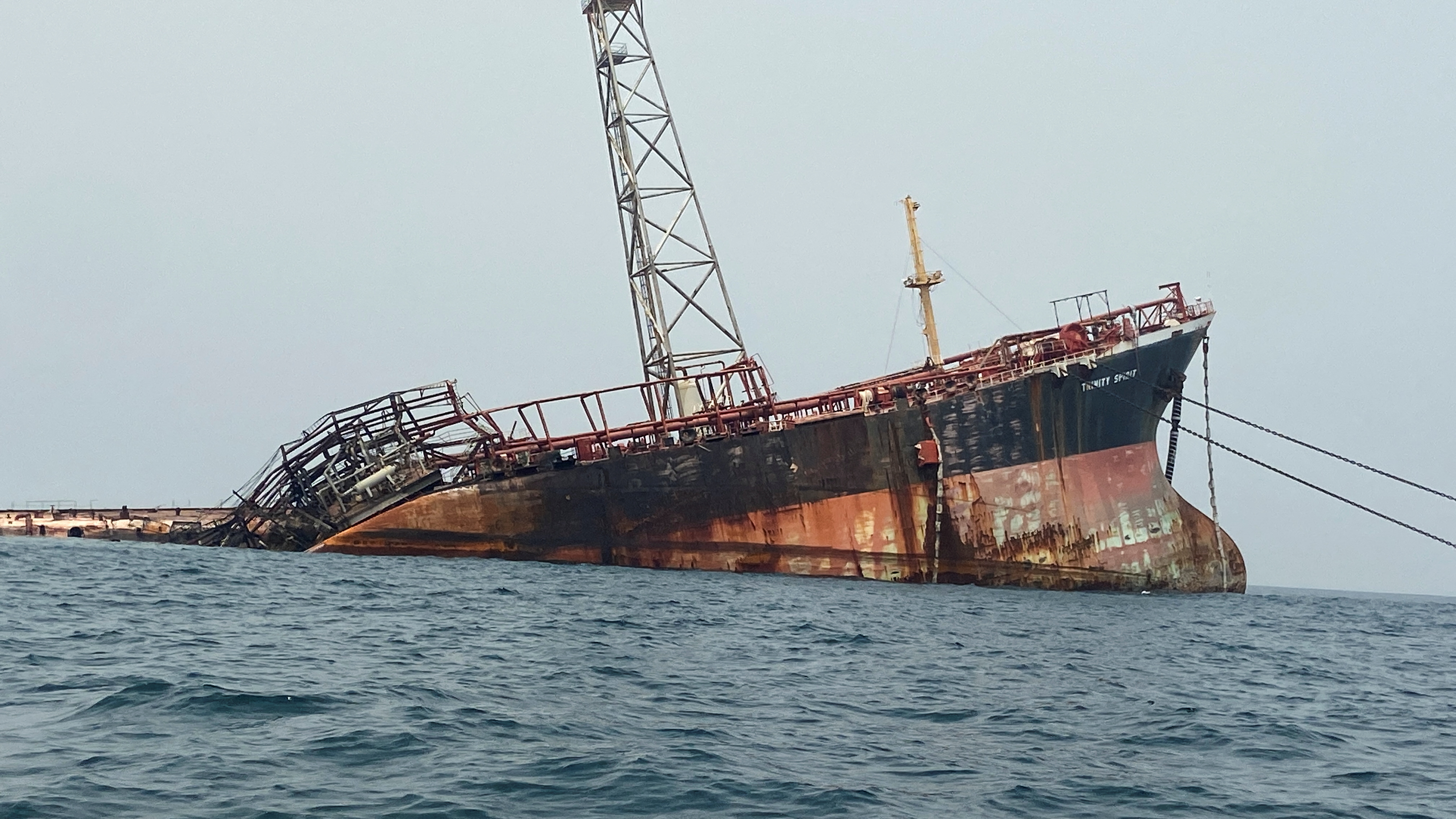
Wreckage of theTrinity Spirit floating production, storage and offloading (FPSO) vessel is seen after an explosion and fire broke out at Shebah Exploration & Production Company Ltd (SEPCOL) offshore production site on Wednesday, in Warri, Nigeria February 4, 2022. REUTERS/Tife Owolabi
Trinity Spirit FPSO

Two weeks after the Trinity Spirit FPSO fire offshore Nigeria we still don’t know the fate of the crew. Neither the operator nor the regulator websites include any mention of the fire. The last operator statement (more than a week ago) advised that 3 workers were confirmed dead and others were still missing. There has been no subsequent update and the media have moved on, as is usually the case when there is no ongoing oil spill.

The absence of transparency in reporting major incidents and subsequent findings is not unique to Nigeria. BOE has commented on US shortcomings in that regard and the failure to release important information about past incidents worldwide.

We need an international standard that identifies incident information to be publicly disclosed and specifies the timeframes and methods for releasing this information. An API or ISO committee would seem to be the best means of developing such a standard. If these organizations are unwilling to take the lead, perhaps the International Regulators’ Forum can do so. The credibility of the offshore industry is at stake.

Read Full Post »