Posts Tagged ‘germany’
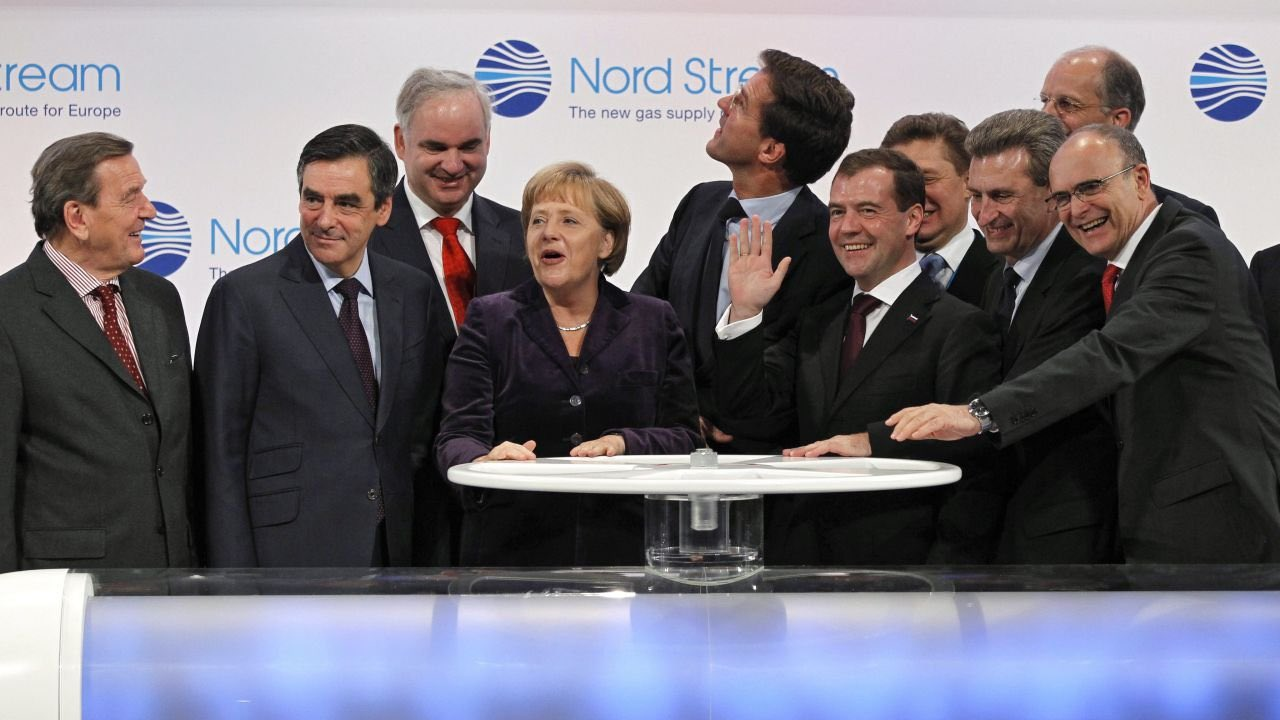
Worse than embarrassing
Posted in accidents, pipelines, Russia, tagged Angela Merkel, germany, NordStream on September 28, 2022| Leave a Comment »
Nord Stream pipeline investigation
Posted in accidents, natural gas, Norway, pipelines, Uncategorized, tagged germany, leaks, NordStream, Norway, pipelines, Sweden on September 28, 2022| Leave a Comment »
The quote below is encouraging. Hopefully, the technical team will be able to function independently, and will have strong leadership. I would like to see participation by the Petroleum Safety Authority of Norway.
“There are good teams in place to handle pipeline accidents, there are emergency pipe inventories and experts for onshore and offshore,” Jens Schumann, managing director of gas pipeline grid company Gasunie Deutschland, said.
Reuters

Meanwhile the seemingly straightforward Huntington Beach pipeline spill investigation drags on one year after the incident.
Germans and Dutch agree to gas development in the sensitive Wadden Sea, but the US govt can’t hold an oil and gas lease sale anywhere on our massive continental shelf
Posted in energy policy, natural gas, Offshore Energy - General, tagged germany, Netherlands, Wadden Sea on May 2, 2022| Leave a Comment »
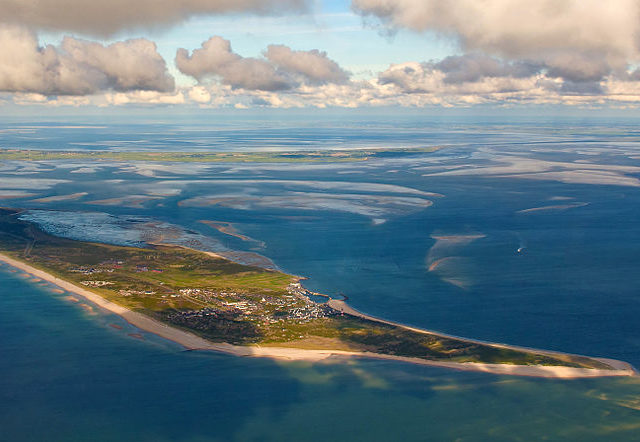
Germany will work with the Dutch exploration and production company, ONE-Dyas, to operate a gas field in the North Sea above Schiermonnikoog and the German Wadden island of Borkum, Dutch broadcaster NOS reported on Wednesday.
The announcement was made on Tuesday by Bernd Althusmann, economy minister of the state of Lower Saxony, NOS reported.
“We cannot afford to ask the Netherlands for more gas and continue to refuse to extract our own gas,” Althusmann said.
EURACTIV
Meanwhile, the US offshore program continues to be paralyzed.
Germany’s high risk energy strategy
Posted in climate, energy policy, natural gas, UK, tagged Aissatou Sophie Gladima, energy policy, energy transition, germany, UK, Yergin on January 17, 2022| Leave a Comment »
By the end of 2022, Germany will have switched off its last 8.1 GW of nuclear power. Another 6.4 GW of coal capacity are scheduled for shuttering by 2023. Recent events and publications have given ammunition to those who fear a collapse of the system.
In 2018, Germany’s influential energy industry association BDEW said that Germany would run into a “shortfall in secured capacity by 2023 at the latest”, and that the country shouldn’t rely on its neighbors to make up the difference. Three years later and a lot closer to the nuclear phase-out, BDEW head Kerstin Andreae says: “For a secure energy supply, we also need new gas-fired power plants, as this is the only way to obtain the required controllable power.”
Clean Energy Wire
Germany will need back-up and supplemental power from gas plants, but the EU has excluded gas-fired energy generation from the list of sustainable investments and the associated incentives. Per Kerstin Andreae of the BDEW:
“We need to build these new power plant capacities now. Although they will initially run on natural gas, they are already capable of using hydrogen as an energy source in the future and will thus ultimately become climate neutral,” she said. But without a clear decision from the Commission „ important energy transition investments are at risk”
Clean Energy Wire
Meanwhile, oilprice.com reports that “UK peak-hour power prices for Monday evening through 6 p.m. surged to the highest level in a month due to low wind power generation during the weekend.” In what is becoming a familiar story:
Coal closures and no immediate replacements for nuclear power have exposed the UK’s vulnerabilities to the whims of the weather, with cold winters stoking natural gas demand and still weather lowering wind power generation.
oilprice.com
Daniel Yergin reminded us that energy transitions take time. Countries that ignore those realities are likely to suffer the consequences, both economically and environmentally. Per Aissatou Sophie Gladima, the energy minister of Senegal:
Restricting lending for oil and gas development, she said, “is like removing the ladder and asking us to jump or fly.”
Germany proposes deepwater drilling ban for NW Europe; how thoughtful!
Posted in accidents, tagged accidents, blowouts, Deepwater Horizon, Denmark, drilling, germany, Gulf of Mexico, Norway, offshore oil, ospar, safety, UK on September 26, 2010| Leave a Comment »

Oil-producing countries on Thursday rejected a German proposal for a moratorium on deep-water drilling in the Northeast Atlantic that reflected environmental concerns after the BP Gulf of Mexico oil spill.
So Germany, which has essentially no offshore oil and gas production in its sliver of the North Sea, proposed a ban on deepwater drilling at an OSPAR meeting in Bergen, Norway? Does the word chutzpah come to mind? The equivalent might be a Norwegian proposal to ban the manufacturer of luxury cars at a meeting in Stuttgart!
The German proposal also called for making sure that offshore operations meet the highest safety standards and demanded an analysis of whether the circumstances that led to the Deepwater Horizon accident could also occur in the Northeast Atlantic.
Now there is some original thinking. No one has ever suggested that before! (sarcasm intended) Don’t you think Norway, the UK, Denmark, the Netherlands, and other countries that actually produce oil and gas might be looking into these issues? I can assure you that they are, but that they are doing so quietly and professionally without the type of “grandstanding” demonstrated by Germany at the OSPAR meeting in Bergen.
Representatives from Germany and other nations with concerns about the safety of offshore oil and gas operations are encouraged to join us in Vancouver next month for serious discussions about the regulatory practices, technology, and management systems that minimize safety risks.
 Bud's Offshore Energy (BOE)