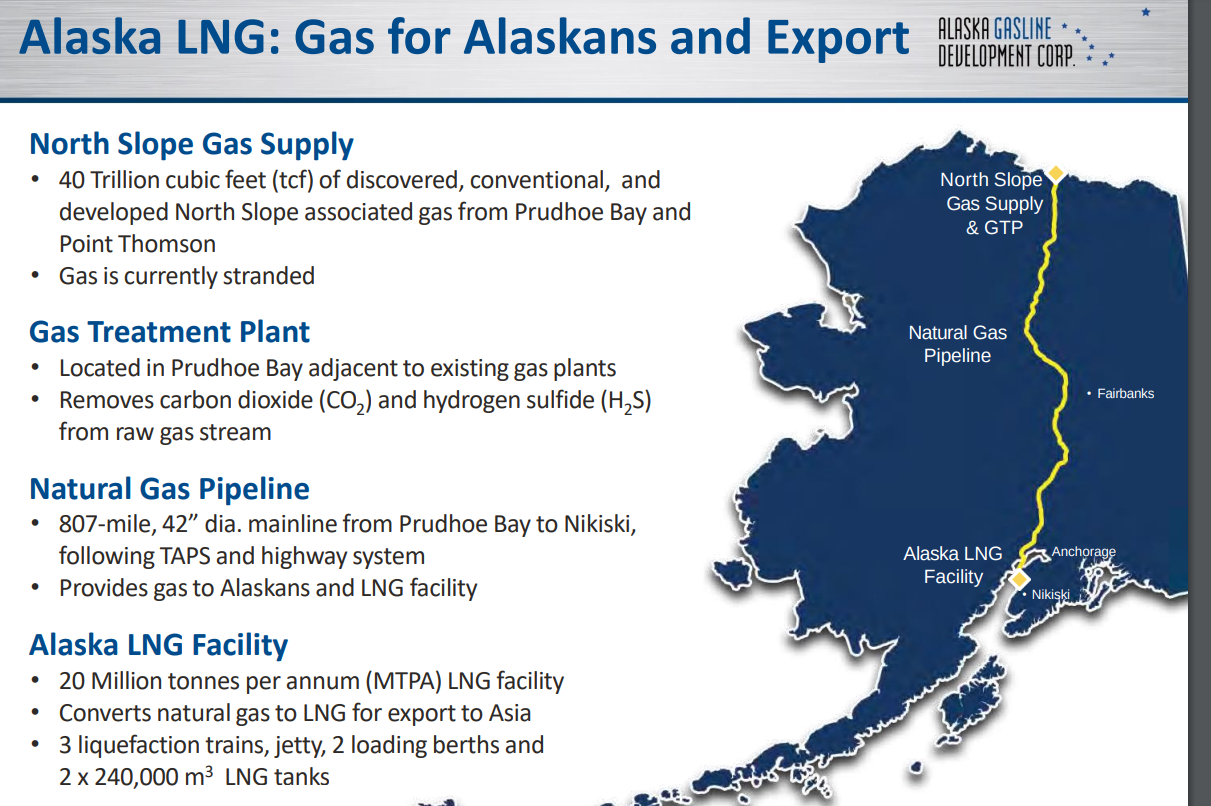
The Department of Energy approved Alaska Gasline Development Corp’s (AGDC) exports of LNG from the project to countries with which the United States does not have a free trade agreement.
Backers of the roughly $39 billion project hope it will be operational by 2030 if it gets investments and all required permits. The LNG would be exported mainly to countries in Asia.
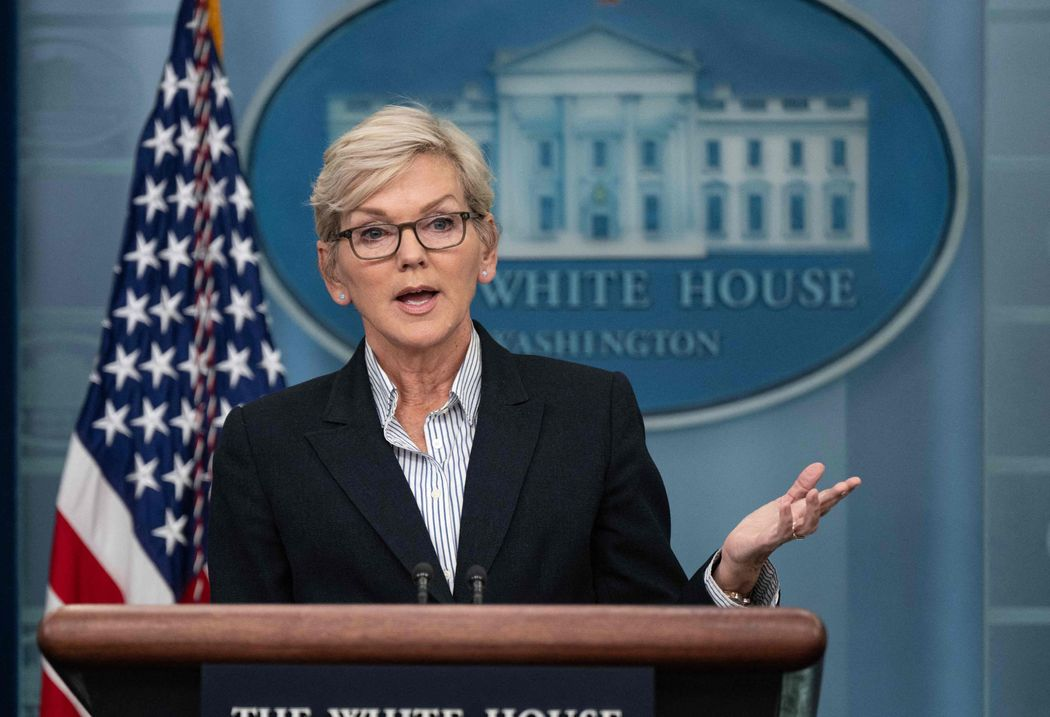
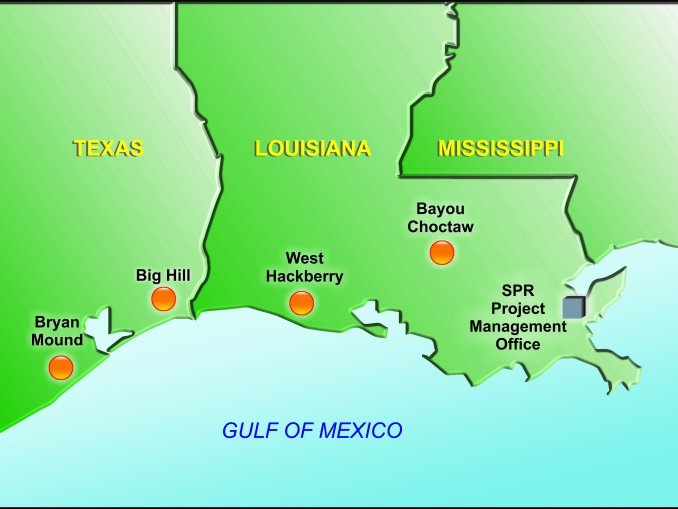
Energy Secretary Jennifer Granholm last month said it would be difficult for the U.S. to take advantage of low oil prices to replenish the Strategic Petroleum Reserve because of maintenance at two of the four sites.
The Financial Times reported, citing people familiar with Saudi Arabia’s thinking, that Riyadh was “irritated” by that comment. In any case, it came on top of stress in the financial sector that had dragged oil prices as low as $64 in March.
Carbon-Zero US LLC of Dallas (a Cox Oil affiliate) has applied for up to $12 million in U.S. Department of Energy funds to develop a pilot sequestration hub in offshore storage fields about 20 miles from Grand Isle, according to officials from Cox Operating LLC, the Dallas operator that owns some of the storage fields.
Cox Operating LLC will “repurpose facilities and equipment” for the carbon storage project, according to a news release.
Should this company be authorized to repurpose Gulf of Mexico facilities for carbon sequestration?
Per BSEE Incident of Non-Compliance (INC) data for 2022, Cox had more component shut-in INCs (132) than any other company. Cox was second to the Fieldwood companies in the number of warning and facility shut-in INCs, and in the total number of INCs. 48% of the Cox INCs required either a component or facility shut-in.
Cox had an INC/facility-inspection ratio of 0.77, nearly 50% higher than the GoM average of 0.53.
Per the posted BSEE district investigation reports for 2022, Cox was responsible for 9 of the 30 incidents that were significant enough to require investigation. That is more than twice as many as any other company (next highest was 4).
The incidents included 3 serious injuries, 2 fires, a large gas leak, and oil spills of 114, 129, and 660 gallons. Per the posted reports, only one other company had an oil spill of >1 bbl. (Note: Only spills of > 1 bbl are routinely investigated by BSEE. One bbl = 42 gallons.)
While INCs were issued for only 3 of the 9 Cox incidents, a review of the reports suggests that INCs should have been issued for at least 4 of the other incidents.
Cox operates 375 platforms with installation dates as early as 1949. 134 of their platforms are > 50 years old. Only 66 were installed in the last 20 years and only 6 in the last 10 years (most recent December 2014). How will the carbon sequestration plans affect their massive decommissioning obligations?
Many of the Cox platforms were assigned by predecessor lessees. Those predecessors can only be held responsible for the decommissioning of facilities they installed, not for more recent wells or platforms and not for facilities that are repurposed for carbon sequestration.
Also, as noted in the discussion of Exxon’s 94 Sale 257 oil and gas leases, a competitively issued alternate use RUE is required (30 CFR § 585.1007) before sequestration operations may be conducted on an oil and gas lease.
WASHINGTON, D.C. — The Biden-Harris Administration, through the U.S. Department of Energy (DOE), today announced $26 million to fund projects that will demonstratethat America’s electricity grid can reliably run with a mix of solar, wind, energy storage, and other clean distributed energy resources.
Shouldn’t the research precede DOE’s declaration of victory?
Rest assured that none of the studies will question the reliability of a grid dependent on DOE’s preferred energy mix; nor will they raise concerns about the associated economic, national security, or environmental risks. These are the types of projects that the WSJ calls “Green Pork.”
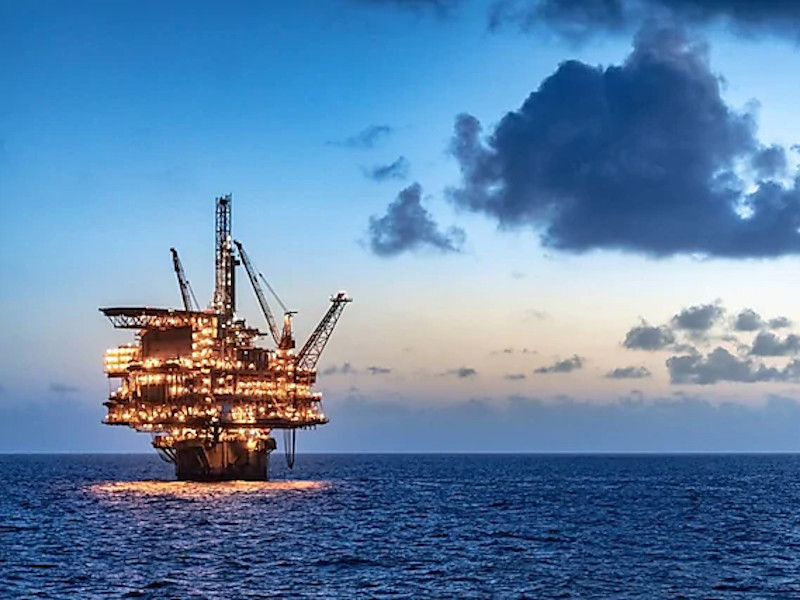
In particular, the Energy and Interior Secretaries would benefit from a visit to a deepwater production facility. They would no doubt be impressed and would be better able to make informed decisions affecting US offshore leasing, exploration, and development.
The offshore workers would be respectful and would welcome the opportunity to discuss the technology, safety precautions, and environmental protection measures.
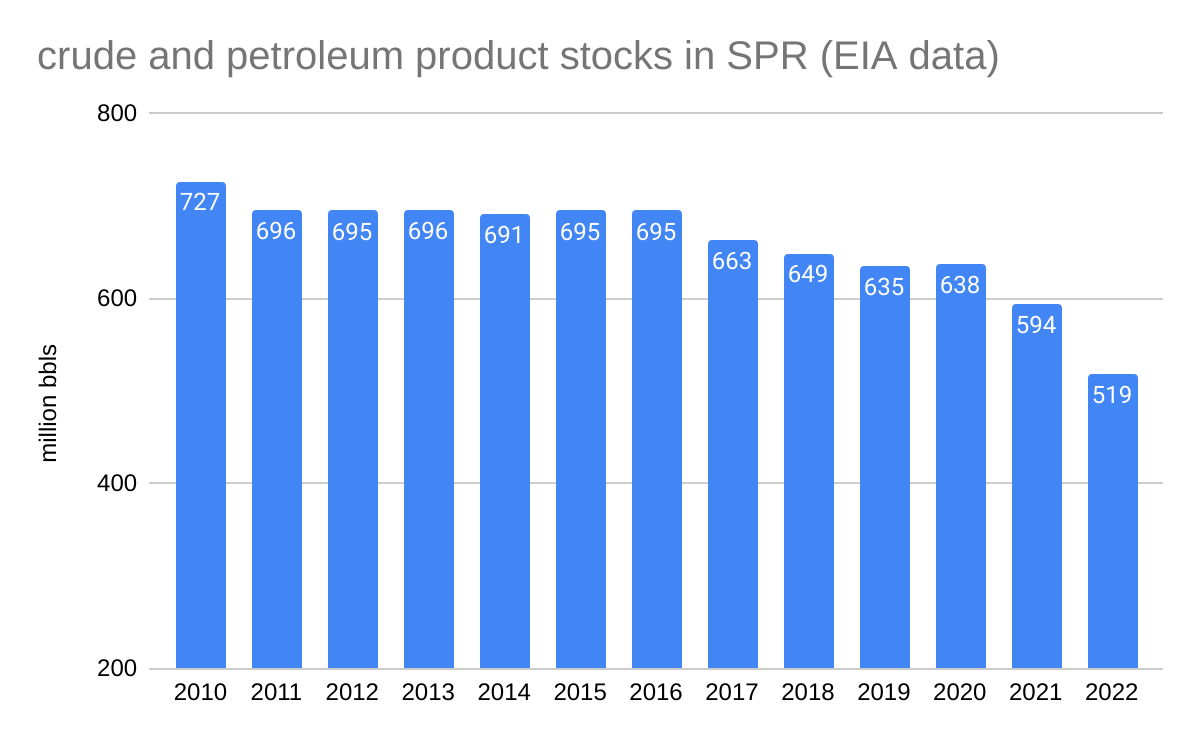
SPR stocks are down 29% from the end of 2010 and 19% from the end of 2020. Continued declines of this magnitude would be a major concern. Should a major crisis arise, offshore production takes years to ramp up, especially given that the lease inventory is at historic low levels and exploration has thus been stymied. Shale producers can respond more quickly to market needs, but transportation bottlenecks, and staffing and equipment availability can limit near-term production growth.
As was noted here in April, the inconsistency of drawing heavily on the SPR while constraining leasing in the adjacent offshore waters is striking. Apparently, there is nothing to worry about because neither the Department of the Interior nor the Department of Energy home pages even mention the words oil or gas. This is pretty remarkable given their broad responsibilities for these vital resources, and the crippling effects of shortages and high prices.
WASHINGTON, D.C. — The U.S. Department of Energy (DOE) today announced it is initiating a long-term replenishment plan for America’s Strategic Petroleum Reserve (SPR) to ensure that it will continue to deliver on its mission as an available resource to alleviate domestic and global crude oil supply disruptions.The buyback process will begin with a call for bids to repurchase a third of the 180 million emergency barrels released as part of a coordinated action with our international partners …
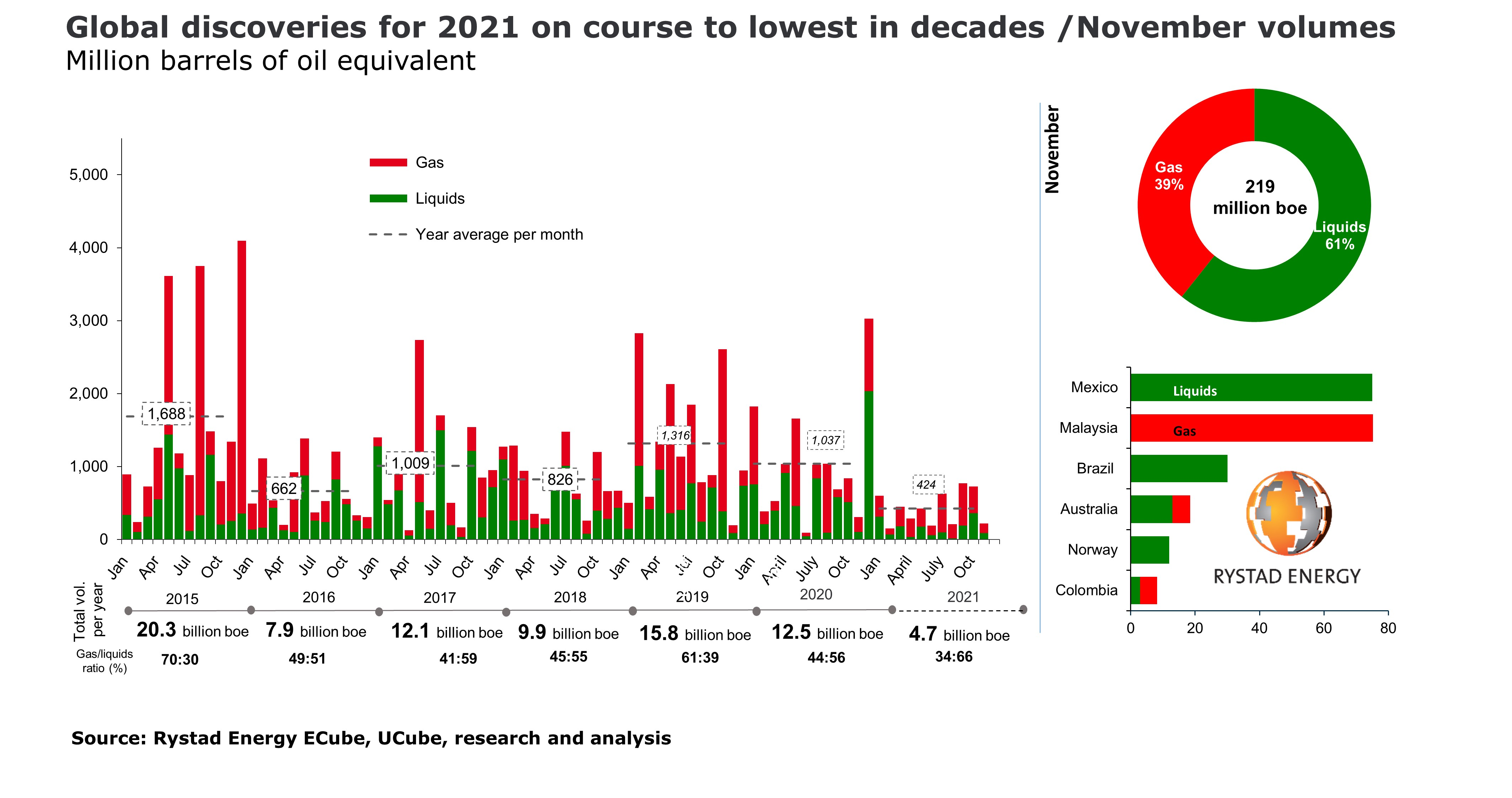
Declines in drilling activity and discoveries suggest that higher real oil prices are on the horizon. We may be fortunate enough to escape significant price hikes and supply disruptions over the next couple of years, but they are coming.
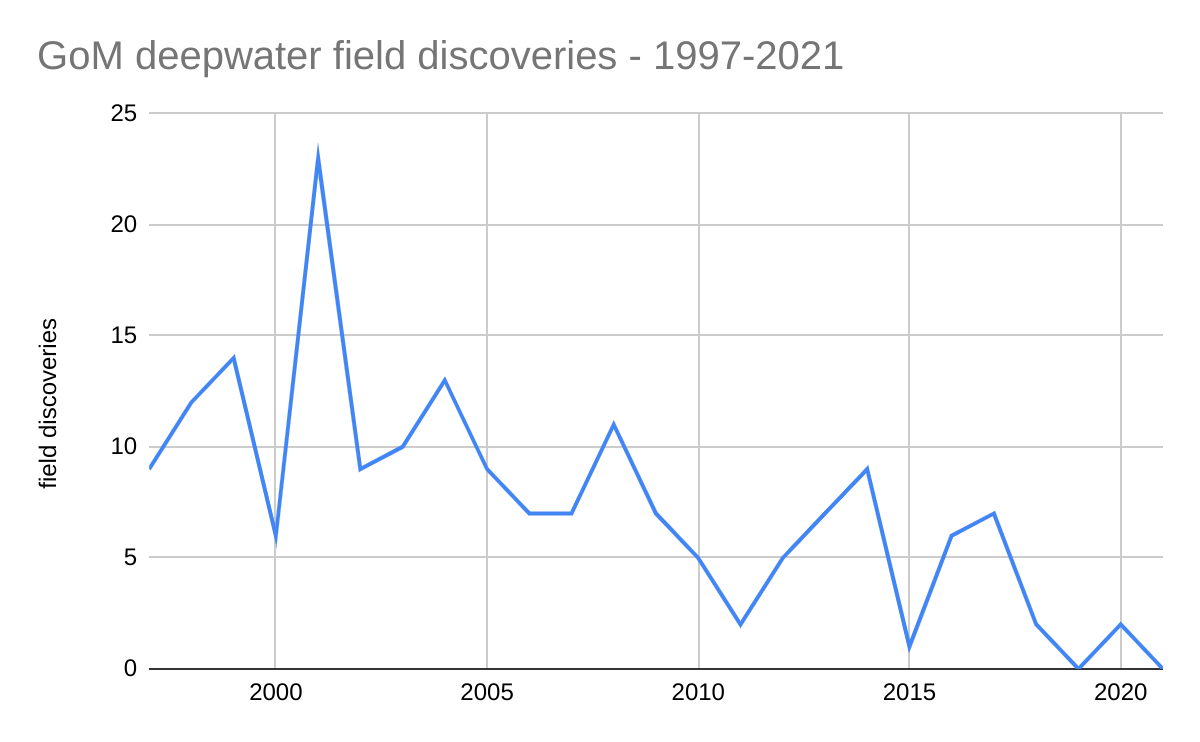
US offshore trends are even more troubling. Per BOEM’s database, no deepwater fields were discovered in 2021 and there were only 2 discoveries in the past 3 years (see chart below). HartEnergy reports 5 announced discoveries in 2021, none of which has been determined by BOEM to be commercially producible. Regardless of the status of those 2021 determinations, recent discoveries have not been sufficient to reach and sustain GoM production volumes at the 2019 peak (August) of 2.044 million BOPD. 2019 was the first year since 1982 without a confirmed deepwater discovery and the trend (below) is not encouraging. Schlumberger data through 2016 indicated GoM depletion rates greater than 20%, and the subsequent low discovery rates do not bode well for future production trends.
from BOEM data
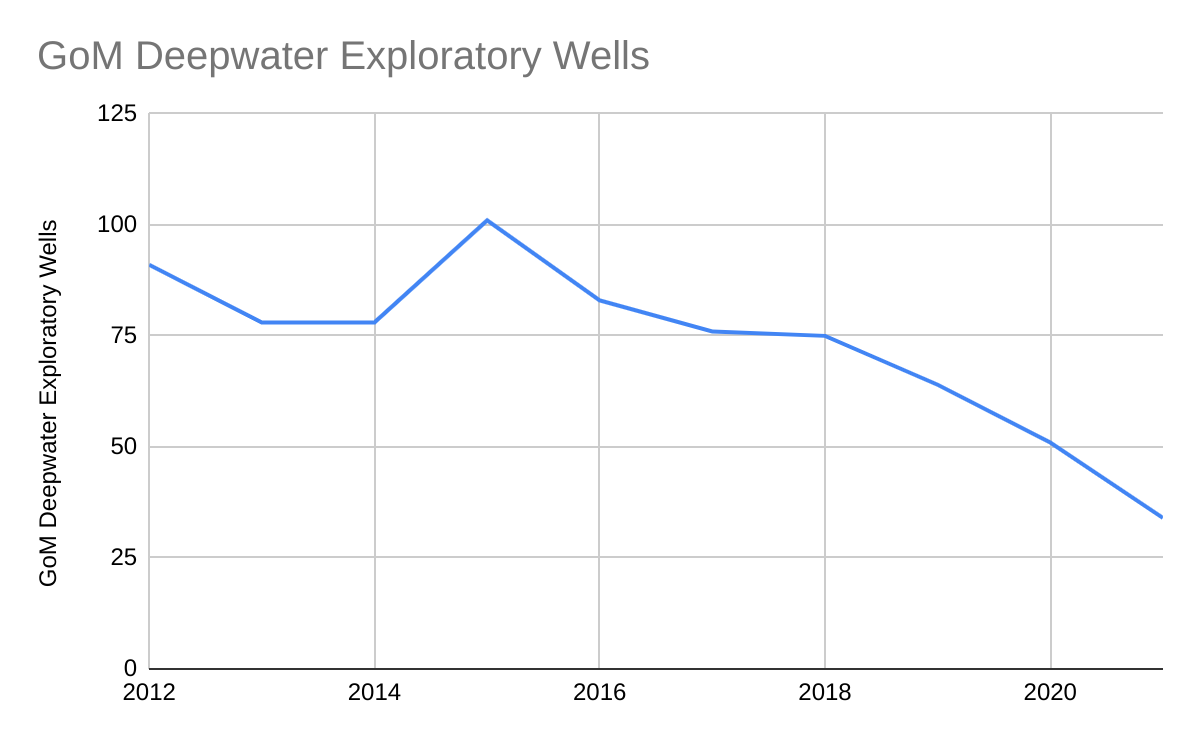
You can’t make discoveries without drilling and only 9 companies drilled deepwater GoM exploratory wells in 2021 (34 wells total). With the Pacific in decommissioning mode, the Atlantic and Eastern GoM off-limits, limited options offshore Alaska, and the decline of the GoM shelf, the deepwater GoM is the only important US offshore production option. The exploration numbers below are therefore concerning.
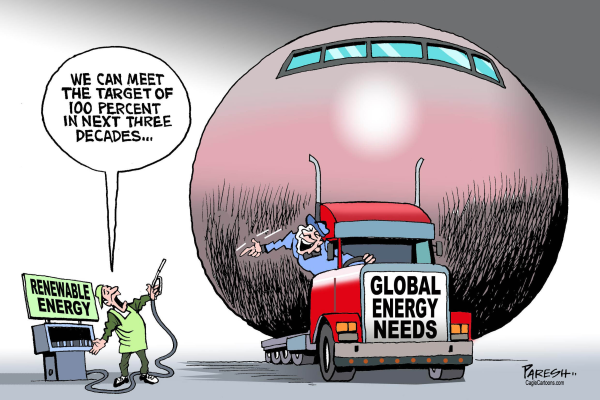
The shale revolution made the US a net oil exporter, but skepticism about shale production forecasts suggests the need for other supply sources. Given the shale uncertainty and the unrealistic expectations regarding the energy transition, greater US dependence on imported oil is on the horizon. This bodes well for OPEC, but not so well for US and international consumers.
Meanwhile, the US Dept. of Energy shows no evidence of concern about oil and gas production. Although oil and gas account for about 70% of our energy consumption, there has been no mention of either on the DOE homepage for months. DOE does express a strong interest in “energy justice.” Perhaps they can explain how increased imports and higher energy prices benefit the poor. They should also explain how oil imports are environmentally and economically superior to domestic oil and gas production, when the reality is exactly the opposite.


 Bud's Offshore Energy (BOE)