Feeds:
Posts
Comments

Posts Tagged ‘California State Lands Commission’

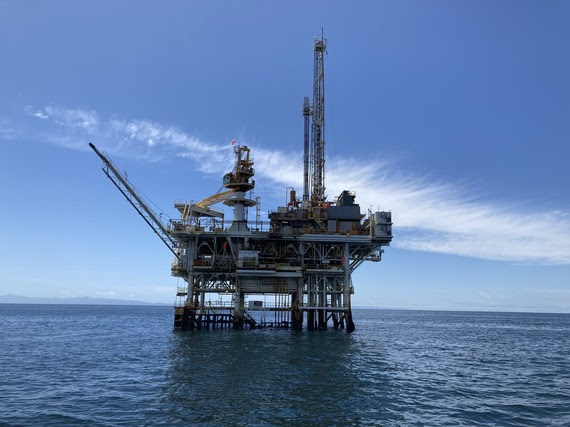
Platform Holly in the Santa Barbara Channel

John Smith informs us that the California State Lands Commission (CSLC) is moving forward with the environmental review for decommissioning Platform Holly. This would be the first platform decommissioning project offshore California since the 1996 Chevron 4-H project which involved the removal of Platforms Hope, Heidi, Hilda and Hazel in state waters.

John comments that the project description, which calls for removing the jacket, seep tents and pipelines, and partially removing the upper 5 feet of the 23-foot-high shell mounds, does not make much sense given the abundant fish and invertebrates that reside on or around the platform jacket. Cutting the jacket off 85 feet below the water line and converting the remaining structure to an artificial reef would make more sense and should have been designated the proposed project. 

The plan is to send the materials to the Ports of Long Beach, Los Angeles or Hueneme or possibly Ensenada, Mexico. The project involves complex logistics and is going to be a very long (3 years), ambitious and expensive project that will likely set a precedent for future platform decommissioning projects.

It’s noteworthy that Platform Holly’s oil and gas production effectively reduced natural seepage and methane emissions from shallow formations beneath the Channel. Holly was thus a “net negative” hydrocarbon polluter.

According to their agreement with the CSLC, Exxon is responsible for the decommissioning costs.
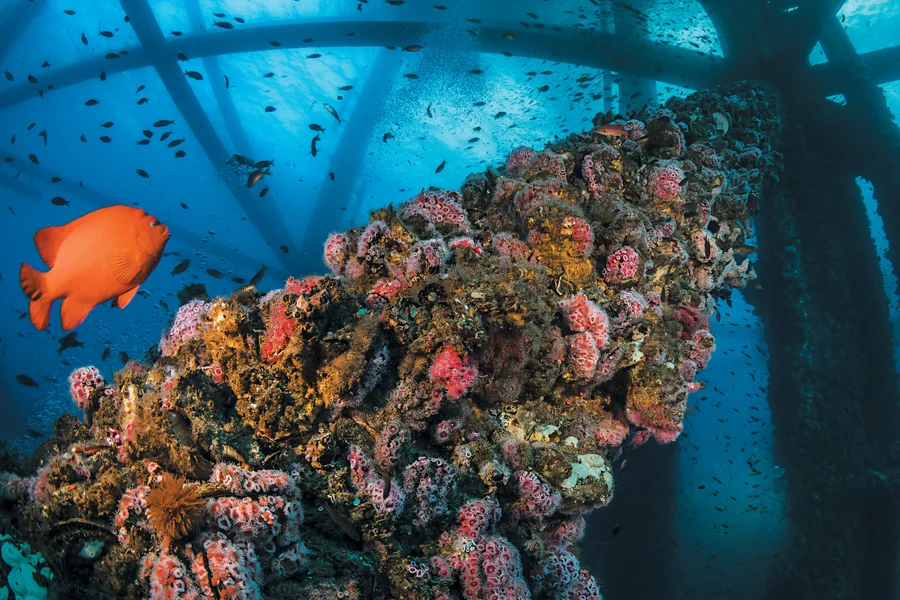
Scientific American: The steel “jackets” that support California’s offshore oil platforms are covered in millions of organisms and provide habitat for thousands of fishes. Joe Platko

Read Full Post »

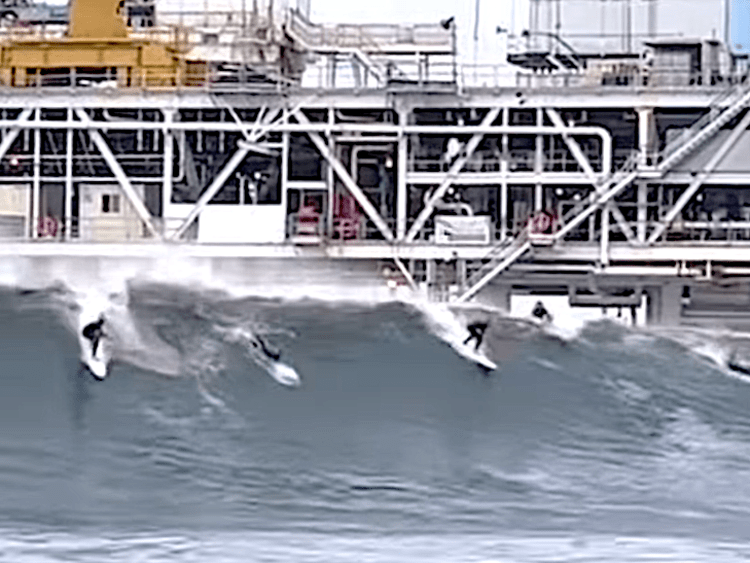
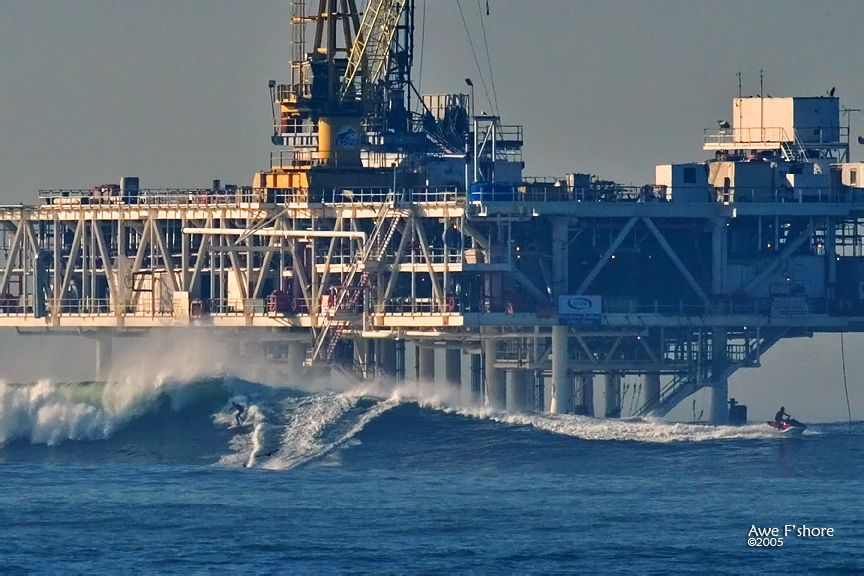
Massive swell at Platform Esther, 12/24/2024 – Christmas gift for surfers

Eloquent eulogy by DCOR (platform operator) CEO Alan Templeton: Last Sunday, August 10, I joined a small group of DCOR personnel on Platform Esther to witness her final moments of operation. At exactly 3:00 p.m., we pressed the ESD on the production deck, and one by one, the sounds of compressors and pumps faded until the platform fell silent — a profound and bittersweet moment in California’s energy history.

For over half a century, Esther stood off the coast of Orange County, first installed in the early 1960s as one of California’s iconic man-made oil islands. She blended into the horizon while quietly producing oil and gas, surviving storms, and later being rebuilt in 1985 into the platform we know today. More than just steel and pilings, Esther was a proving ground for innovation, a dependable asset, and a source of pride for the men and women who worked safely on her decks.

While she has now been permanently shut in, her legacy remains — a testament to the ingenuity, resilience, and dedication that have defined California’s offshore industry for generations.

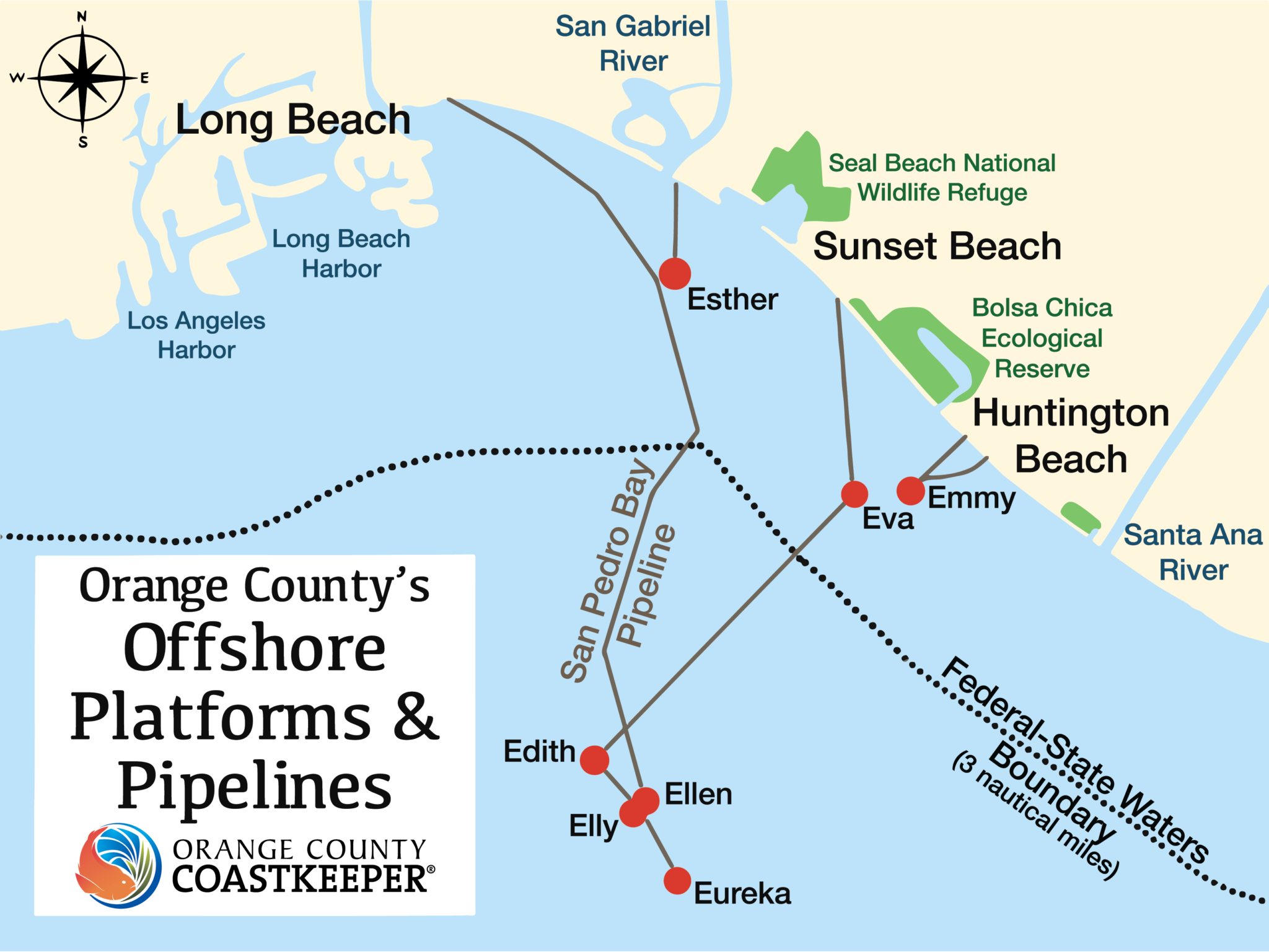
Litigation prematurely ended production at Esther, which would have had an estimated 15 more years of operative life. The attached settlement agreement, shared by John Smith, ends a dispute between the State Lands Commission and DCOR over repurposing a pipeline to transport oil from state Platform Eva to Federal Platform Edith (diagram above).

In exchange for relinquishing its mineral rights and decommissioning Platform Esther, the settlement grants DCOR a $10 million royalty credit on future oil produced from Platform Eva. This credit is significantly less than the value of remaining production from Esther.

Platform Esther, is one of three remaining oil production platforms in California state waters.

Read Full Post »