

Far from golden, but this was me 53 years ago! Lots of safety lessons, good and bad, were learned. Bud

Posted in drilling, Uncategorized, tagged Golden Driller, NCAA Wrestling, Tulsa on March 18, 2023| Leave a Comment »
Far from golden, but this was me 53 years ago! Lots of safety lessons, good and bad, were learned. Bud
Posted in accidents, drilling, Gulf of Mexico, Offshore Energy - General, tagged BSEE, falls, Pacific Khamsin, Safety Alert, safety culture, struck by equipment on March 13, 2023| Leave a Comment »
The most common causes of offshore fatalities and serious injuries, falls and being struck by equipment, receive little media attention because there is no blowout, oil spill, or fire. However, these are often the most difficult types of incidents to understand and prevent. Human and organizational factors predominate, and prevention is dependent on a strong culture that emphasizes worker engagement, awareness, teamwork and mutual support, effective training and employee development, risk assessment at the job, facility, company, and industry levels, stop-work authority, innovation, and continuous improvement.
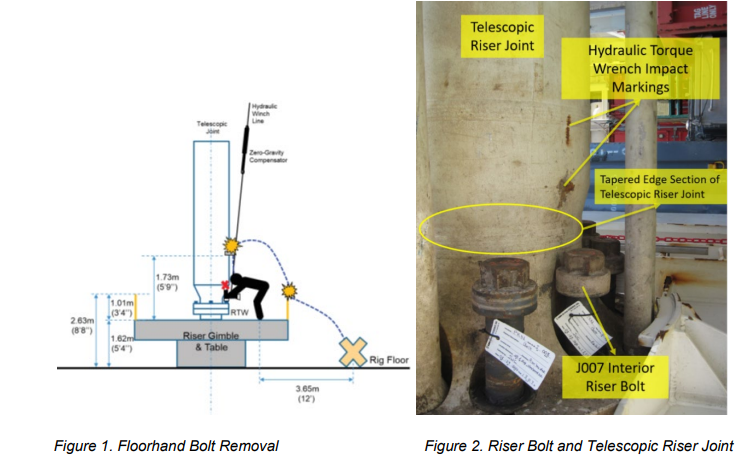
This new BSEE Safety Alert addresses such a fatal incident on the Pacific Khamsin drilling rig, and makes recommendations that have widespread applicability.
Incident summary:
While unlatching the lower Marine Riser Package from the Blowout Preventor in preparation for ship relocation, a crewmember was lifted into the air after being struck by a hydraulic torque wrench (HTW), hitting a riser clamp approximately six feet above the elevated work deck before falling to the rig floor. The crew member was given first aid and transported to the drillship’s hospital, where he was later pronounced deceased.
In an upcoming post, BOE will provide historical fatality data by cause and operations category.
Posted in drilling, Offshore Energy - General, Uncategorized, tagged 1857, first oil production, oil and gas production, petroleum industry history, Trinidad and Tobago on February 13, 2023| 1 Comment »
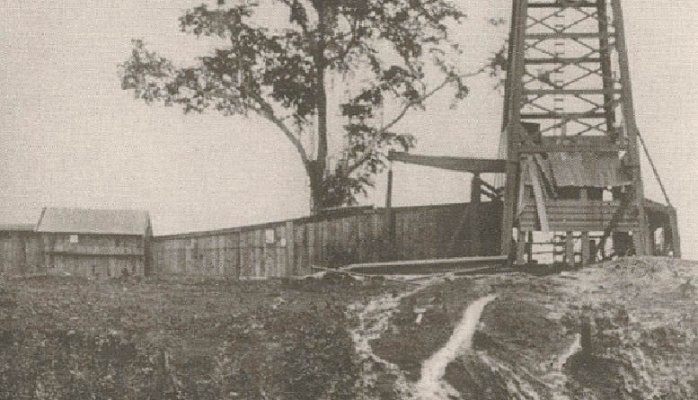
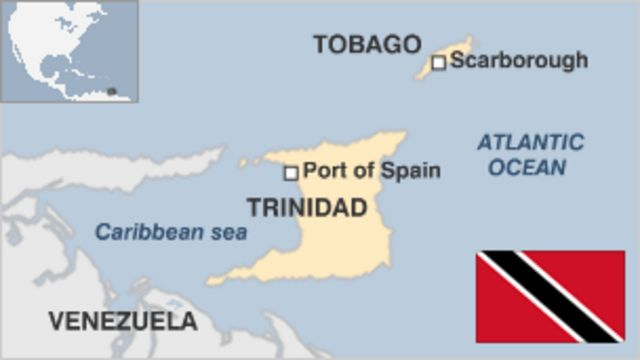
The record shows that the Merrimac Company, registered in 1857, made attempts to produce oil by distillation of pitch, but furthermore in the same year they drilled a well to a depth of about 280 feet, which was a much greater depth than Drake’s well in Pennsylvania – and two years earlier – and produced oil therefrom
History of Trinidad’s Oil
Here is a list of historical facts for T&T’s petroleum industry.
Central bank of T&T data indicate dry natural gas production of 2.84 BCFD and crude oil production of 57,400 BOPD as of 9/2022.
The Ministry of Energy and Energy Industries is currently mulling bids on 4 deepwater blocks contrary to an erroneous press report that those bids had been rejected.
Posted in drilling, energy policy, Offshore Energy - General, UK, tagged Atlantic drilling, exploratory drilling, Isle of Man on January 19, 2023| Leave a Comment »
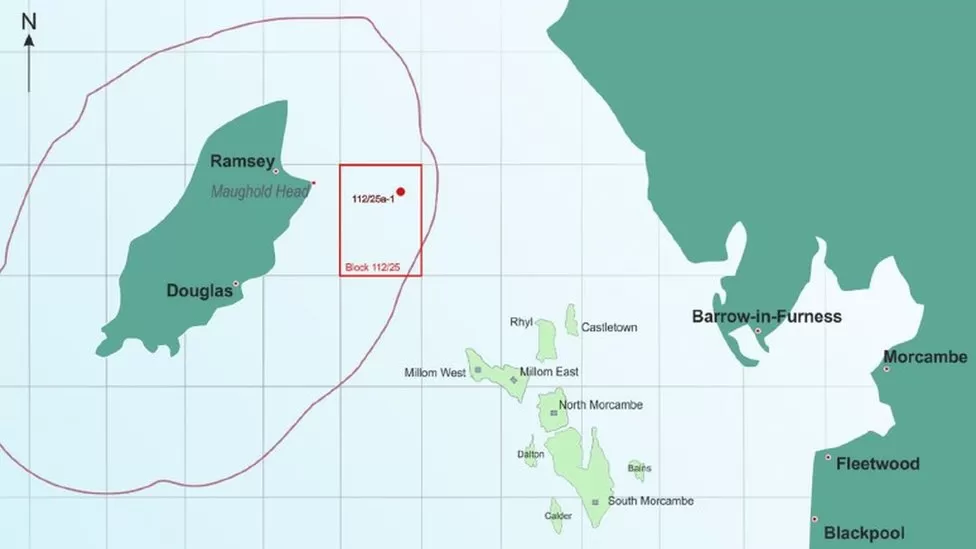
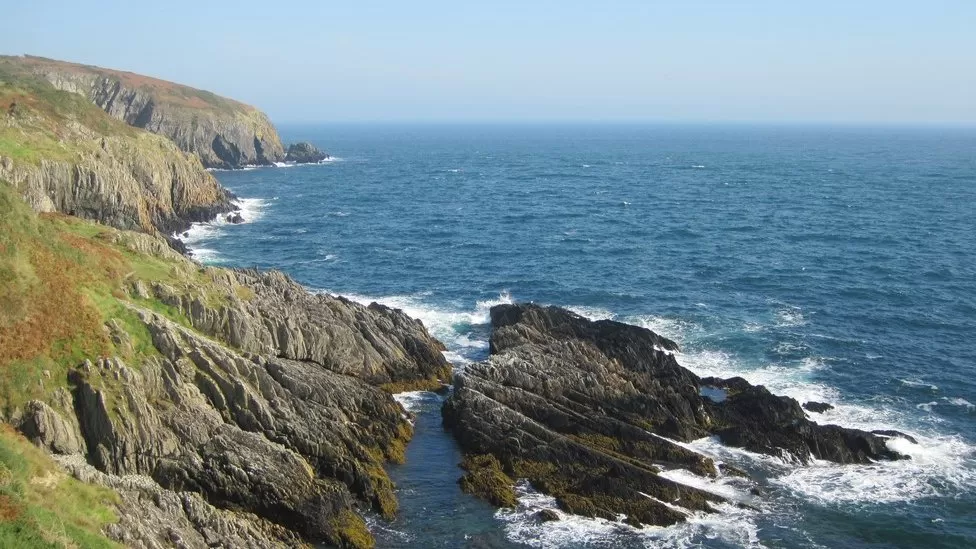
A firm with a licence to drill for natural gas in Manx waters expects to begin exploratory works in October, its chief executive has said.
Crogga has appointed Three60 Energy to drill an appraisal well to understand how much gas is under the seabed 17km (10.5miles) off Maughold Head.
BBC
Posted in drilling, Gulf of Mexico, Offshore Energy - General, tagged 20k BOPs, Deepwater Atlas, Deepwater Titan, NOV, Sembcorp, transocean on January 6, 2023| Leave a Comment »

Deepwater Titan is also the second 8th-generation drillship constructed by Sembcorp Marine based on its Jurong Espadon 3T design. The dual-derrick drillship is the first-ever unit delivered with two 20,000-psi blowout preventers (BOPs), well-control, riser, and piping systems for high-pressure and high-temperature drilling and completion operations. Like its sister rig, the Deepwater Atlas — delivered in June 2022 — Deepwater Titan is also equipped with three-million-pound hook-load hoisting capacity and capabilities to drill up to 40,000 feet and operate in water depths of up to 12,000 feet.
JPT
Lars Herbst notes that the Atlas, which has been drilling for Beacon in the Shenandoah field with 15k BOPs, will switch to the 20k equipment before any well completion operations. The Titan, equipped with the 20k NOV BOPE, will begin drilling in the Gulf of Mexico for Chevron later this year.
Posted in drilling, Gulf of Mexico, Offshore Energy - General, tagged Contango, deepwater drilling, Gulf of Mexico drilling, macondo, shelf drilling, Valaris semisubmersible, Walter Oil and Gas on December 20, 2022| Leave a Comment »
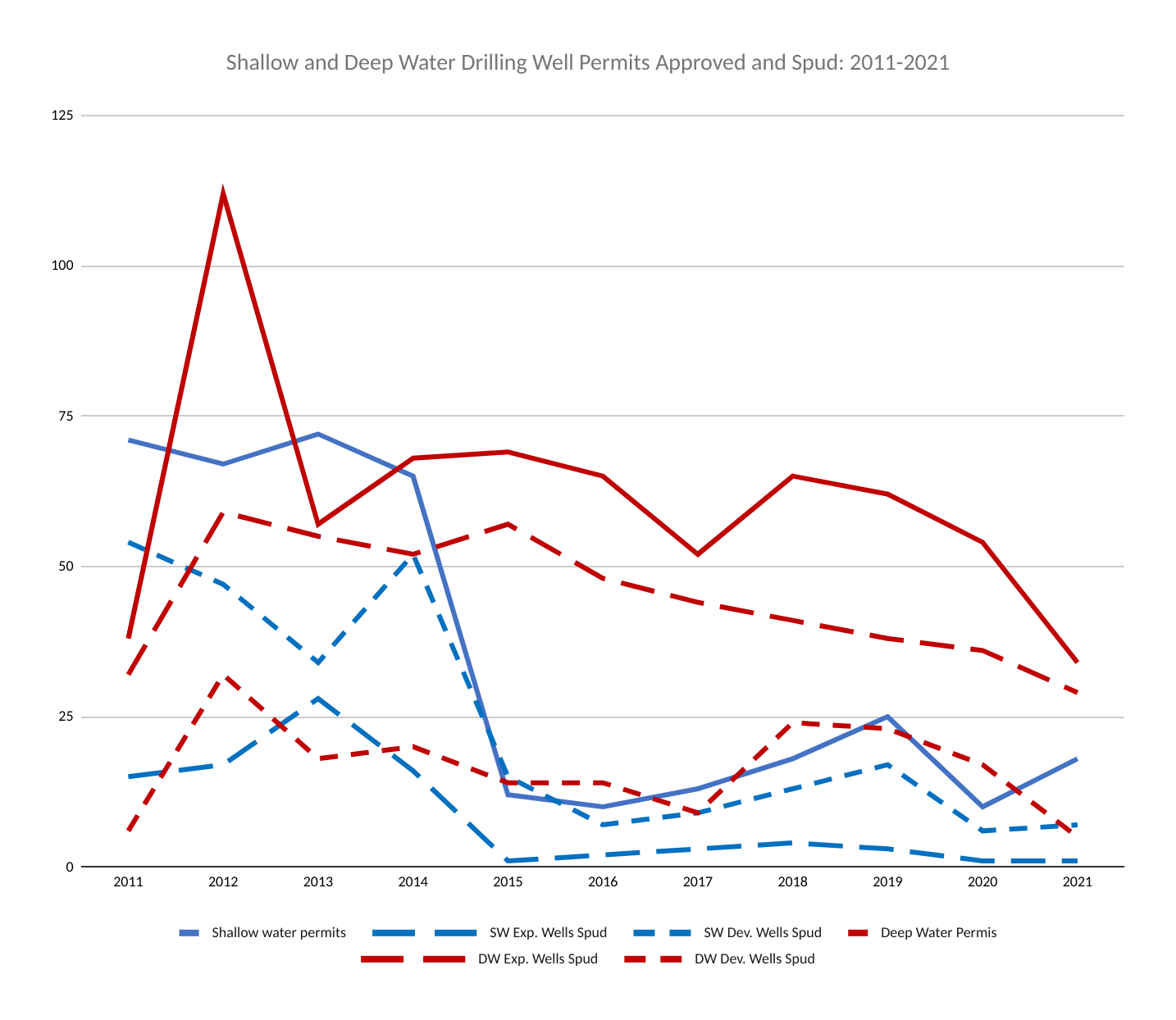
Lars Herbst analyzed GoM permitting and drilling activity from 2011 to 2021. His data and observations are summarized below.
| GOM OCS New Drilling Well Permits and Well Spuds 2011-2021 | ||||||||||||
| Year | New Shallow Water Drilling Well Permits Approved | Shallow Water Expl.; New Well Spuds | Shallow Water Dev.; New Well Spuds | New Deep Water Drilling; Well Permits Approved | Deep Water Exp.; New Well Spuds | Deep Water Dev.; New Well Spuds | ||||||
| 2011 | 71 | 15 | 54 | 38 | 32 | 6 | ||||||
| 2012 | 67 | 17 | 47 | 112 | 59 | 32 | ||||||
| 2013 | 72 | 28 | 34 | 57 | 55 | 18 | ||||||
| 2014 | 65 | 16 | 52 | 68 | 52 | 20 | ||||||
| 2015 | 12 | 1 | 15 | 69 | 57 | 14 | ||||||
| 2016 | 10 | 2 | 7 | 65 | 48 | 14 | ||||||
| 2017 | 13 | 3 | 9 | 52 | 44 | 9 | ||||||
| 2018 | 18 | 4 | 13 | 65 | 41 | 24 | ||||||
| 2019 | 25 | 3 | 17 | 62 | 38 | 23 | ||||||
| 2020 | 10 | 1 | 6 | 54 | 36 | 17 | ||||||
| 2021 | 18 | 1 | 7 | 34 | 29 | 5 | ||||||
| TOTAL | 381 | 90 | 261 | 676 | 491 | 182 | ||||||
| Note: Only includes new wells not sidetrack or bypass boreholes. | ||||||||||||
Posted in drilling, energy, Uncategorized, tagged gyrotron, Oak Ridge Lab, Quaise Energy, ultradeep geothermal on December 12, 2022| Leave a Comment »
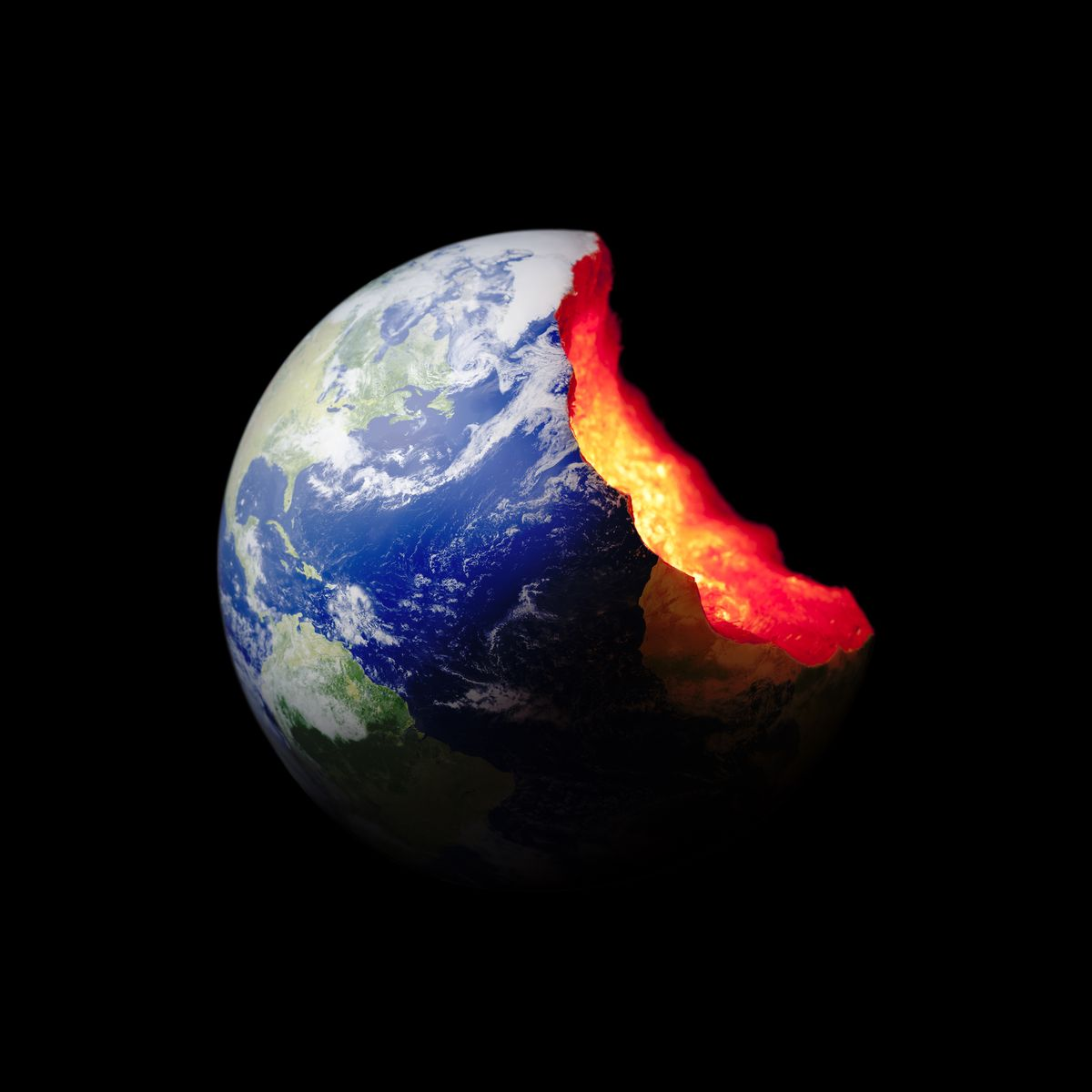
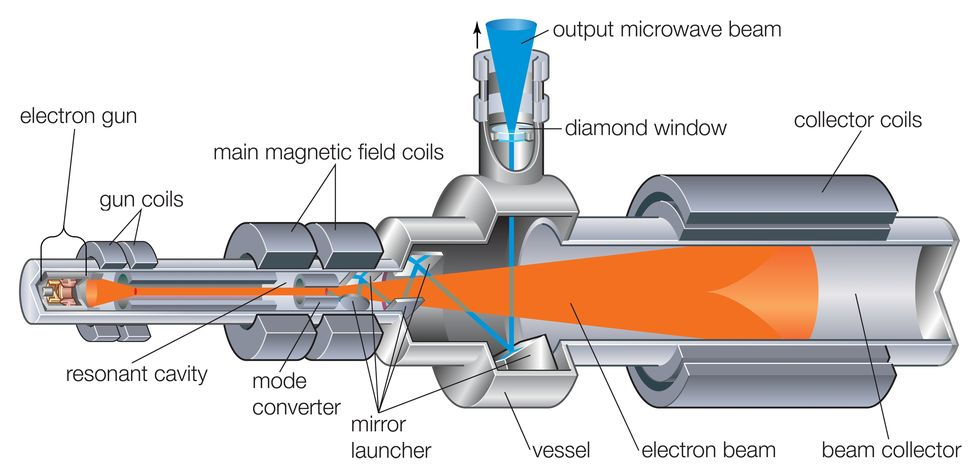
The hype for ultradeep geothermal is building, as it should be given the intermittency and energy density issues that limit the potential of other renewable energy options. However, the ability to drill 20 km into the earth’s surface with millimeter, rock-melting waves has yet to be demonstrated.
Conventional drilling technology gets you through sedimentary formations to the hard basement rock that lies below. That is where gyrotrons will be expected to vaporize rock to depths needed to tap into unlimited 900+ deg F geothermal energy. But questions regarding gyrotron reliability, hole stability, and material removal. Quaise Energy is working with DOE’s Oak Ridge lab to resolve these issues. Field tests are expected over the next few years with initial energy production in 2026. This is all very exciting, but even conventional drilling is seldom routine, so complications should be expected.
Here’s a very good video:
Posted in drilling, Offshore Energy - General, Regulation, well control incidents, tagged BOP, BSEE, comments, Well Control Rule on October 18, 2022| Leave a Comment »

Comments on BSEE’s proposed revisions to the Well Control Rule are due in 27 days (by Nov. 14). Given the fundamental importance of well control to offshore safety and pollution prevention, all interested parties are encouraged to comment. Although some of the proposed revisions are rather nuanced, the document is neither long nor complex.
My completely independent comments are being drafted and will be posted here after they have been submitted to Regulations.gov.
My comments will explain why the proposal may reduce the rigor of the BOP system performance standard and will address a related shear ram issue. The comments will also discuss the management of BOP equipment failure and other safety data, the use of independent third parties and standards development organizations, dual shear rams on surface BOP stacks, ROV intervention capabilities, and BOP test data reporting and management.
Posted in drilling, Offshore Energy - General, Regulation, tagged BOP failure data, BSEE, comments, Well Control Rule on October 11, 2022| Leave a Comment »
Hopefully, the attached response is indicative of the quality of comments BSEE will receive on their proposed WCR revisions.
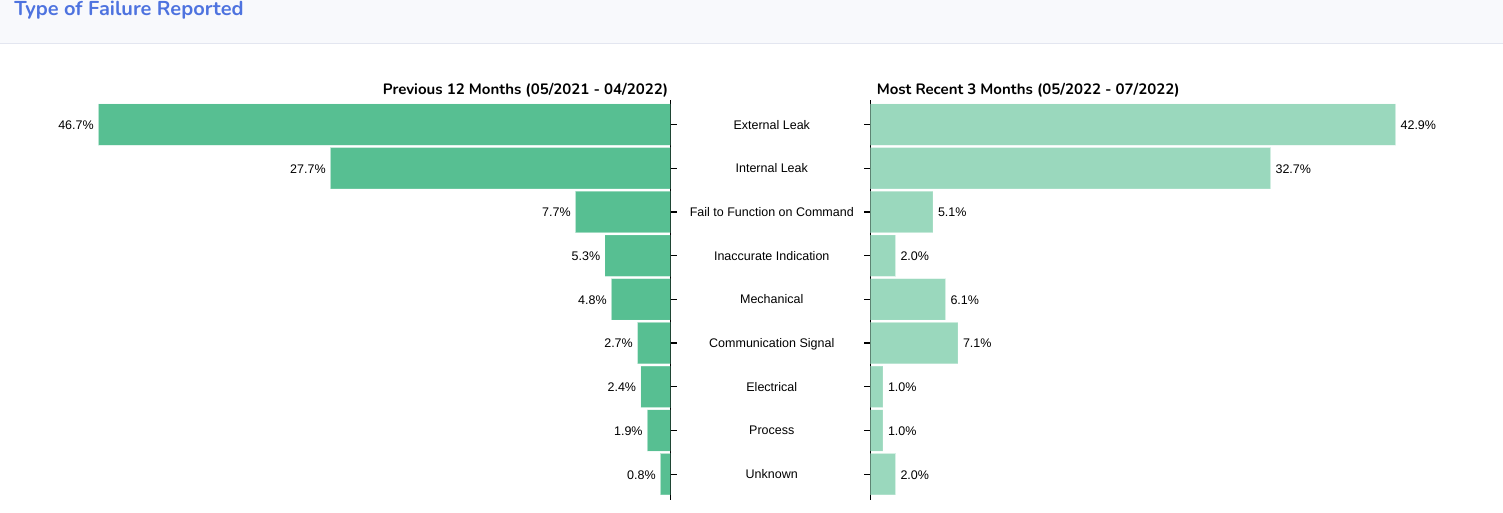
The comments, which were submitted by a retired engineer (always the best commenters 😉), express the opinion that BSEE should not remove the option for submitting failure data to BTS. While my comments will express a somewhat different opinion, I thought he made good arguments in support of his position.
The chart below is excerpted from the SafeOCS Dashboard cited in the comment letter:
 Bud's Offshore Energy (BOE)
This Well Control Rule comment, endorsed by 7 trade associations, hit a nerve. Here’s why.
Posted in drilling, Offshore Energy - General, Regulation, well control incidents, tagged BSEE, NTTAA, standards, standards vs. regulations, trade association comments, Well Control Rule on November 30, 2022| Leave a Comment »
The comment (pasted below) by the trade associations asserts that BSEE ignored the requirements of the National Technology Transfer and Advancement Act (NTTAA).
Reaction:
Read Full Post »