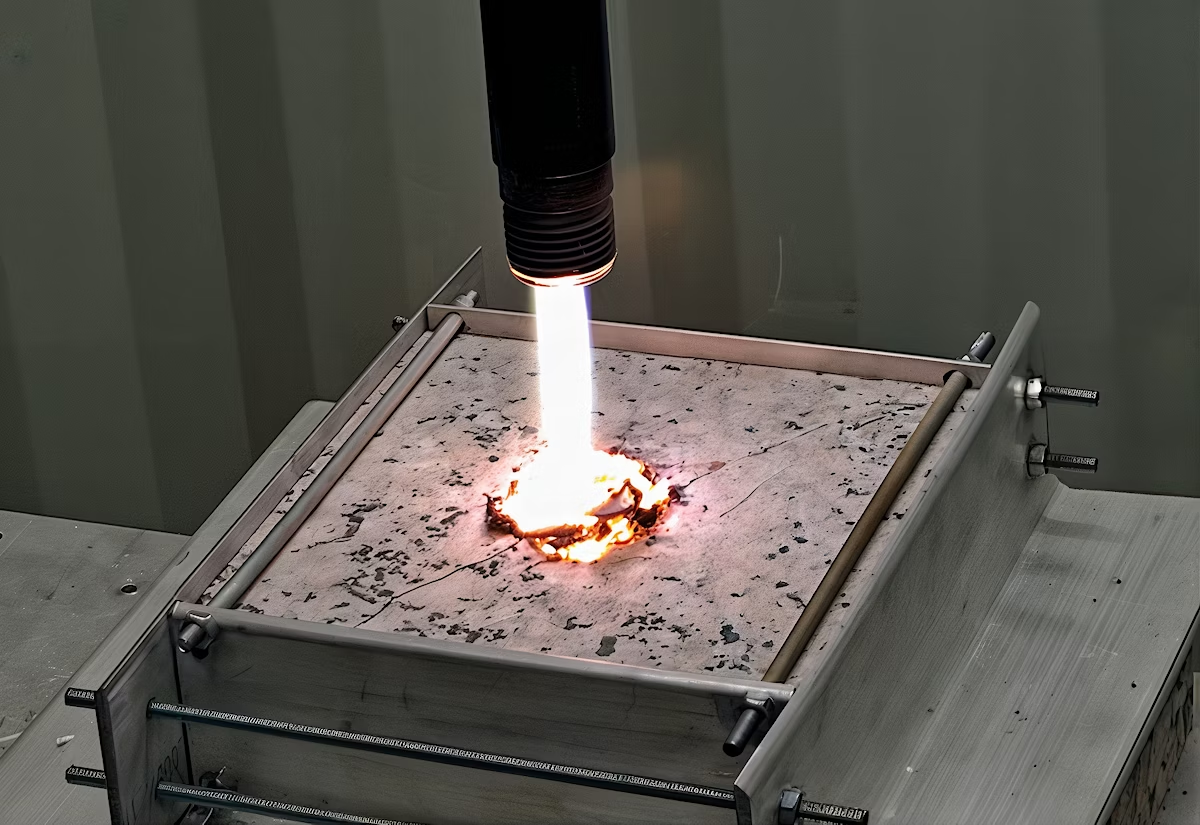
HOUSTON (7/22/2025) – “Quaise Energy, a leading developer of grid-scale superhot geothermal energy, today announced it has successfully drilled to a depth of 100 meters using its proprietary millimeter wave technology at its field site in Central Texas. This achievement sets a record for millimeter wave drilling and marks a major step forward in unlocking the Earth’s vast geothermal energy as a scalable, baseload energy source.“
Prior to this year, millimeter wave drilling had only been demonstrated in the laboratory (a few centimeters deep).
The granite drilled during the field test is the same type of hard rock found in the basement layer of the Earth’s crust.
Quaise has plans to build a gyrotron with 10x more power.
A pilot power plant in the Western U.S. is planned for as early as 2028.
Tariffs and their uncertainty “will certainly decrease expected investment activity in the energy sector,” says the new report. More than $50 billion of offshore investment this year has been deferred “with operators looking to wait out current market uncertainty before making significant final investment decisions,” Rystad notes.
Rystad estimates that tariffs will increase costs for offshore oil and gas projects by 8% year-over-year and 12% for onshore. “Most steel and raw material exposed cost categories are feeling the majority of the impact from tariffs and thus will take the biggest hit.”
Comment: At a glance, the number of 2025 well starts in the GOA appears to be down (more on this at a later date). While there are many factors affecting drilling decisions, lower oil prices and higher costs associated with tariffs are not compatible with a “drill baby drill” philosophy.
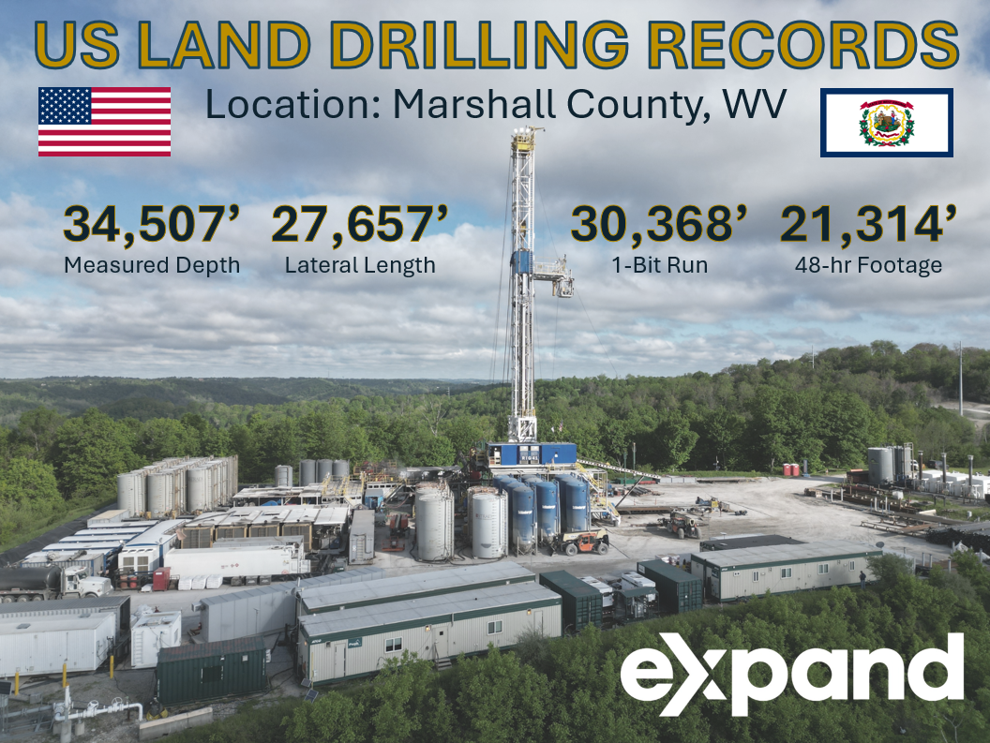
“Country roads” take us to Moundsville, West Virginia where new records were set drilling a “postcard well.”
In addition to the records noted in the picture, these impressive company marks were achieved:
24-hour footage record: 12,370 feet
daily footage record: 2,774 feet/day
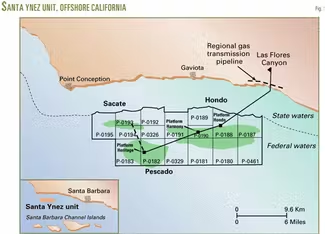
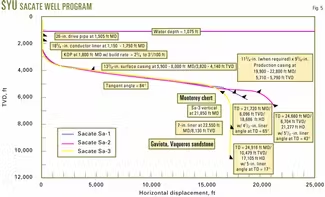
The record US offshore lateral well is in the Santa Ynez Unit, which has been much discussed on this blog and elsewhere in light of Sable Offshore’s efforts to resume production. In 2010, Exxon drilled a well with a horizontal reach of 6 miles from Platform Heritage into the Sacate field (see the diagrams below).
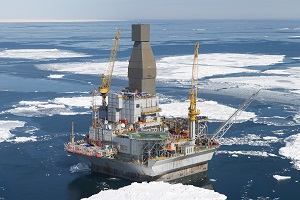
The world’s longest horizontal reach well appears to be the O-14 well drilled by the Sakhalin-1 Consortium in the Sea of Okhotsk, Russia, in April 2015. This well had a horizontal reach of 14,129 meters (46,358 feet).
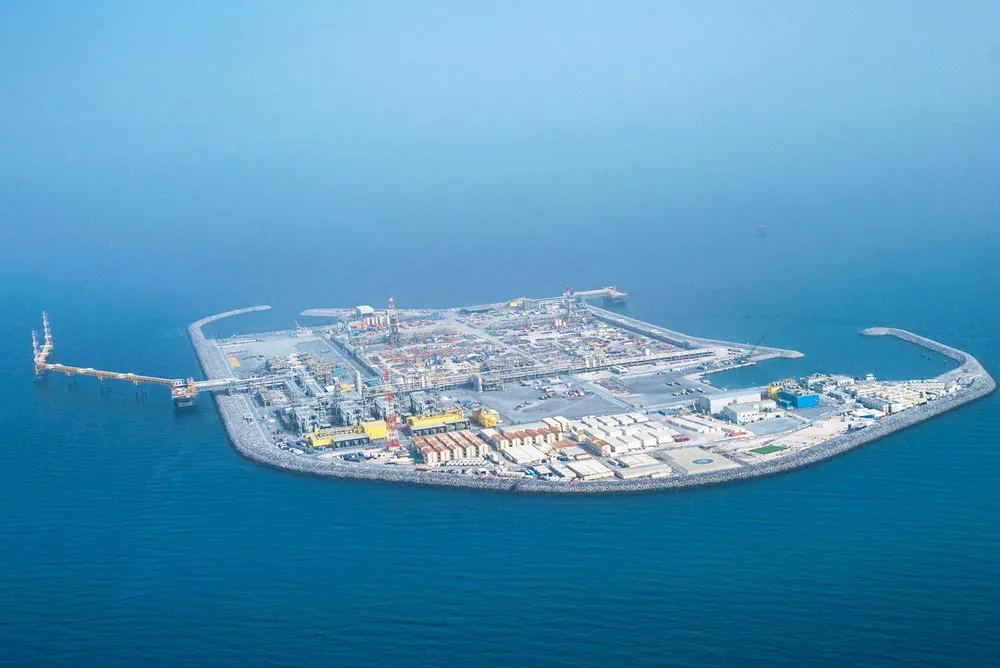
ADNOC, the Abu Dhabi National Oil Company, has the world record (2022) for the longest well (50,000′) in the Upper Zakum field. However, no horizontal reach distance is provided, so it is assumed that the Sakhalin well had the longer reach.
Artificial islands at Adnoc’s Upper Zakum field.Photo: Adnoc
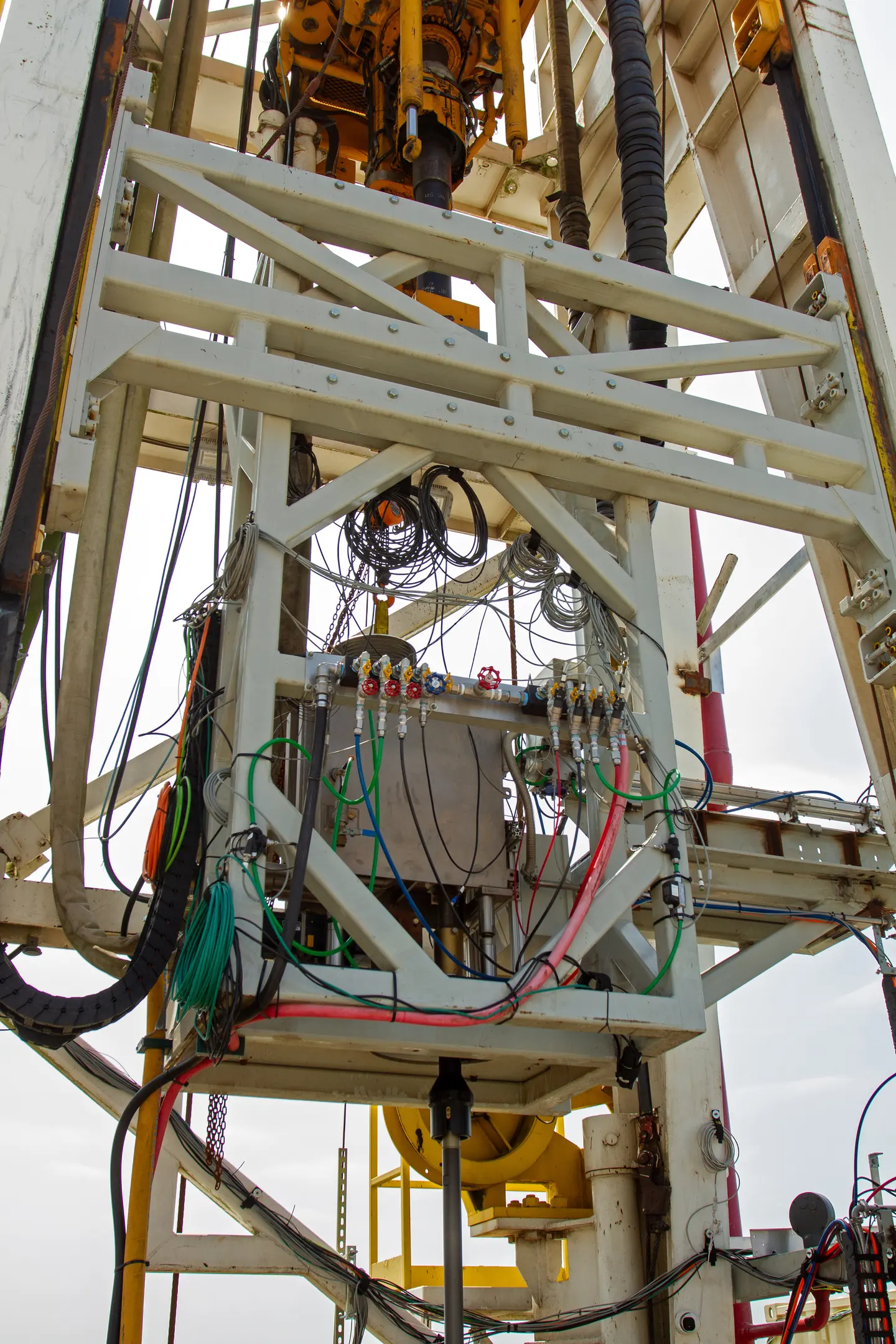
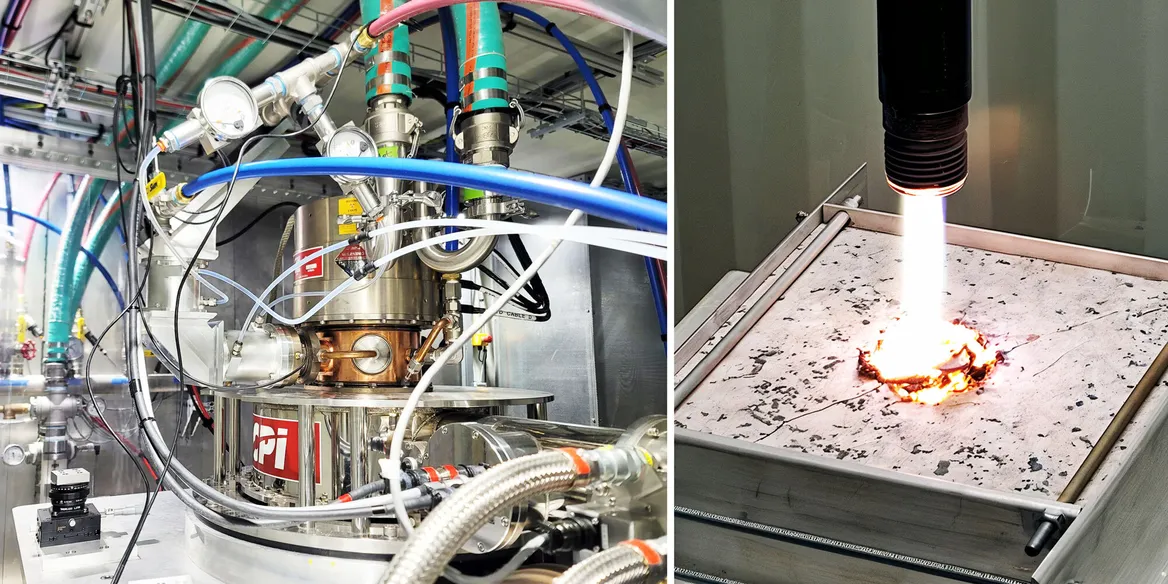
This is the first-ever hybrid drilling rig, combining conventional and millimeter wave capabilities.
Quaise plans to drill superhot geothermal wells that can generate abundant baseload power in record time. They believe there is no other energy solution capable of the same scale and speed.
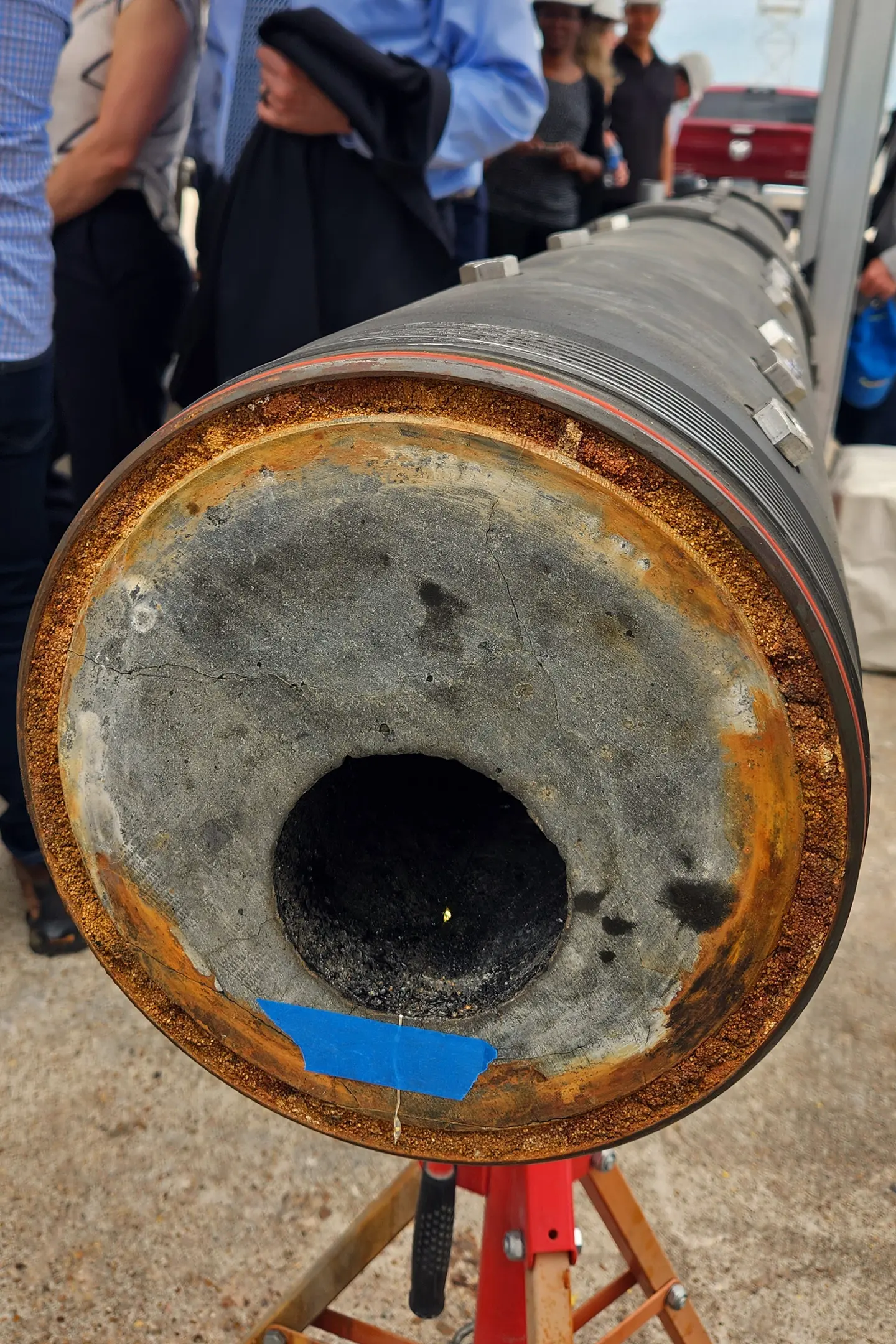
“The cube sends electomagnetic energy to the drill bit to melt rock – New Atlas photoCore showing vitrified granite/basalt walls of the borehole – New Atlas photo
We reached a new milestone with our millimeter wave #drilling system: our first 10 ft hole drilled outside lab conditions
This achievement was accomplished using our compact drilling rig, now scheduled for initial field trials later this quarter targeting a depth of 100 meters pic.twitter.com/pMlhsEvSED
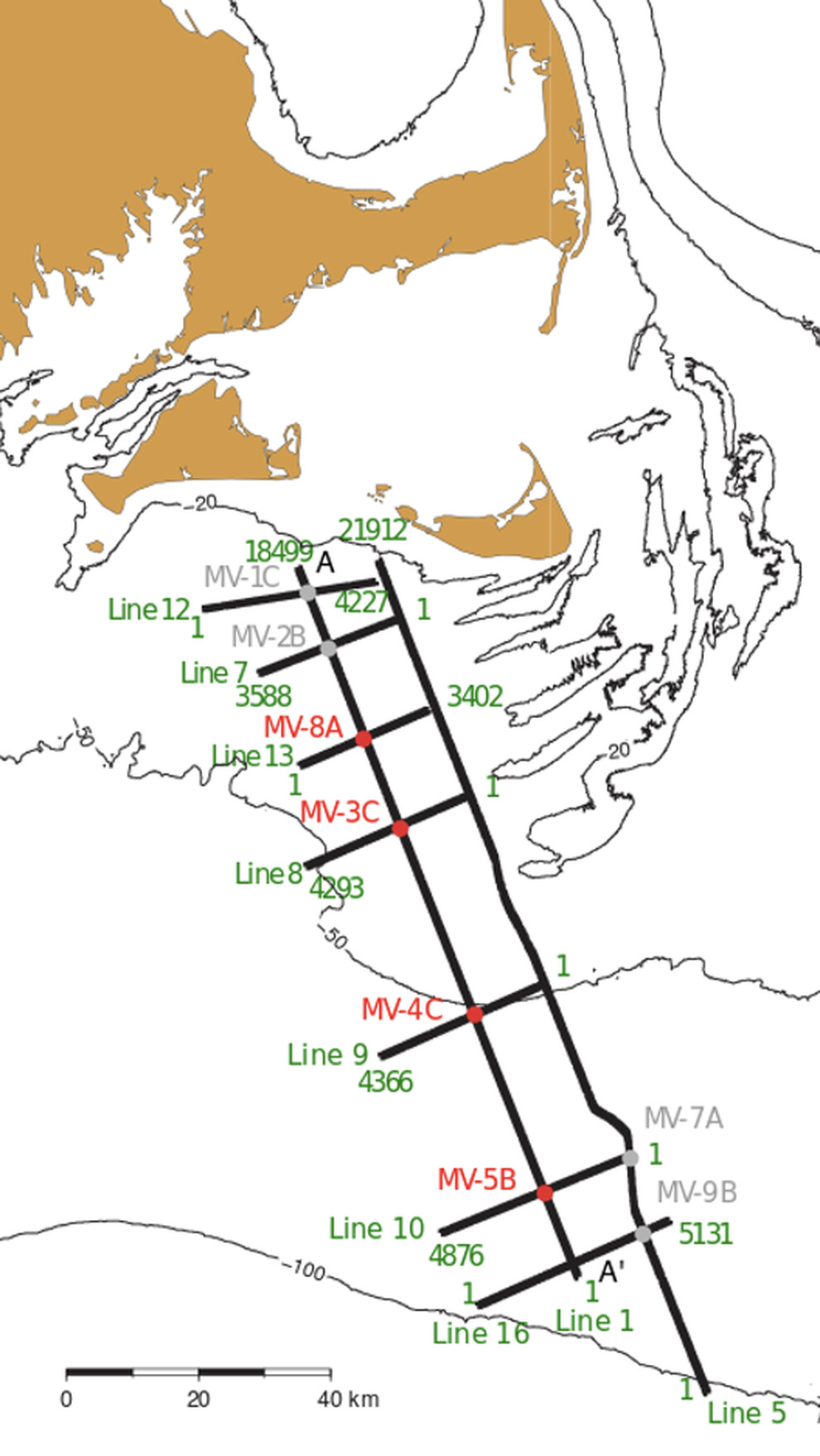
The northeast coast of the United States is perhaps the best understood example of an offshore freshwater system, and multiple studies have been undertaken to determine the origin and volume of offshore freshwater. Coring and sampling the subseafloor offshore Massachusetts, USA, will provide data for understanding the processes driving emplacement of freshwater lenses offshore New England and elsewhere globally, and lead to a better understanding of this worldwide hydrogeological phenomenon. This is essential for protection and sustainable management of offshore freshwater systems and for better understanding biogeochemical and elemental cycling in continental shelf environments.
With regard to the potential freshwater resources (from the Nantucket Current):
“I’m just excited about the science, and that finally, after all these years, someone’s trying to get the truth,” said Nantucket Water Department director Mark Willett. “Computers predicted it. Everybody thinks it’s there. These guys are the first ones in the world who are going to go drill a hole and prove it.”
Willett and (lead scientist Brandon) Dugan are particularly intrigued by the possibility that the offshore freshwater aquifer could be connected to a lower, untapped aquifer beneath Nantucket that Willett calls “ancient glacier lake Nantucket.”
“If it is connected and it’s young water that’s being recharged actively today, that’s really exciting, because it’s a renewable source,” Dugan said.
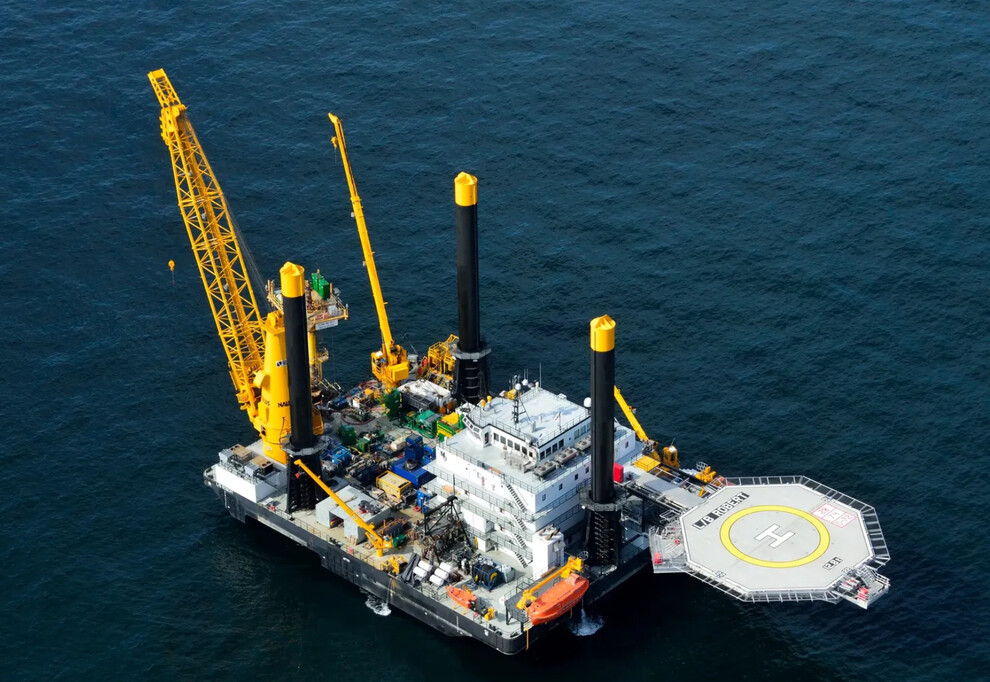
The liftboat Robert will drill 3 wells to depths of 300-400 feet between May 1 and August 32.
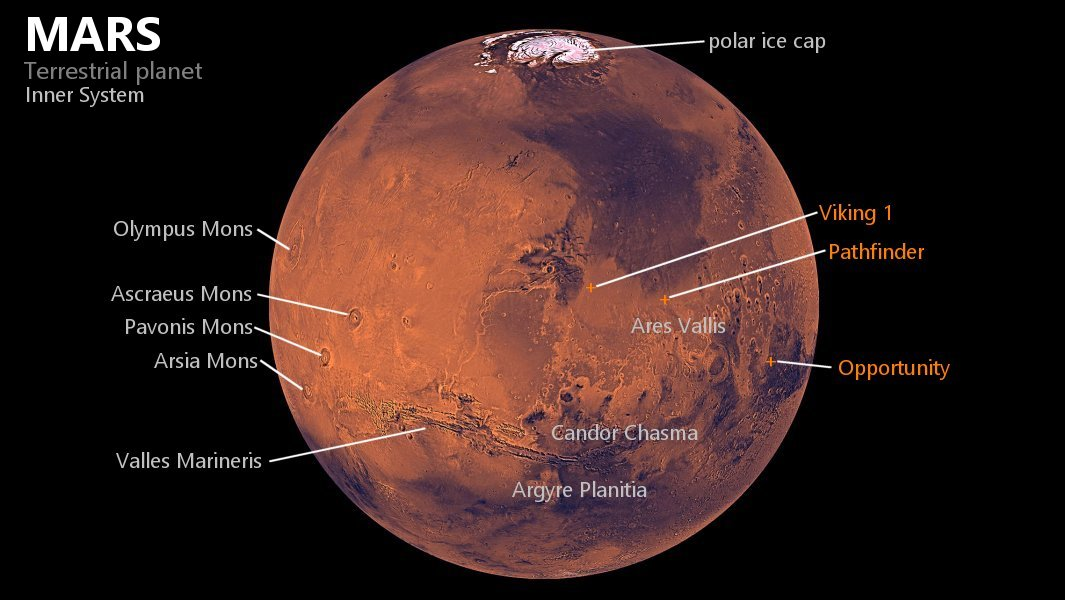
In light of the recent NASA/SpaceX advances in rocketry, a manned mission to Mars seems inevitable, perhaps within the next 5 years. See the SpaceX Mars landing video below.
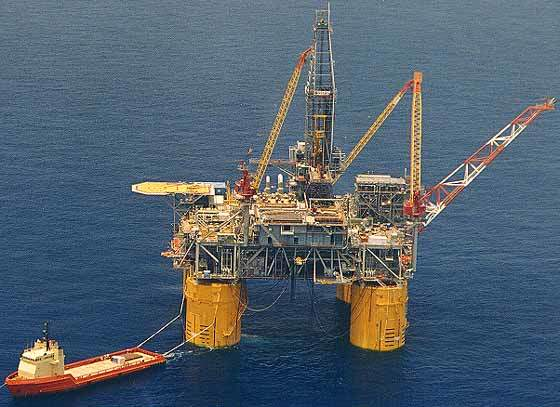
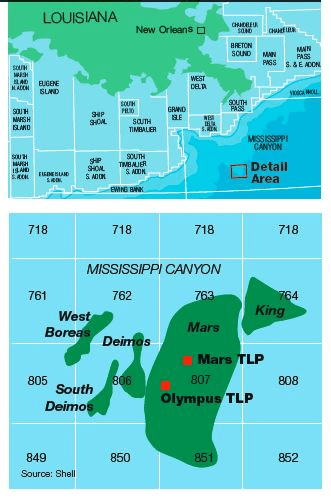
While the space program generates more media buzz given the sci-fi appeal, the achievements of the offshore oil and gas industry are similarly impressive. The Gulf of America has its own Mars, a massive deepwater project that has been ongoing and expanding for 30 years, and may ultimately produce more than 1 billion barrels of oil equivalent (boe).
Like a mission to Mars, the successful development of deepwater oil and gas resources is a technical marvel that requires:
Identifying prospects deep beneath the seafloor using advanced subsurface imaging capabilities.
Drilling exploratory wells from floating rigs, using advanced stationkeeping systems that maintain a precise location on the water surface.
Drilling deep beneath the seafloor while transmitting real-time geologic, temperature, and pressure data to the rig and distant onshore locations.
Ensuring well integrity by installing and cementing multiple strings of protective casing.
Processing production at buoyant surface facilities designed to withstand worst case storm conditions.
Connecting clusters of subsea wells to a host surface facility that may be many miles away.
Increasing ultimate recovery with reservoir engineering studies and advanced well completion practices.
Life on the planet Mars will be dependent on technology developed for the offshore Mars and other deepwater projects.
“Last month, we demonstrated millimeter wave drilling outside of the lab for the very first time.“
“Millimeter wave drilling is the keystone of superhot geothermal. It’s the only way to access the resource at scale while reaching economic and power parity with fossil fuels. Over the coming months, two more drilling field tests will pave the way to our first commercial developments.”
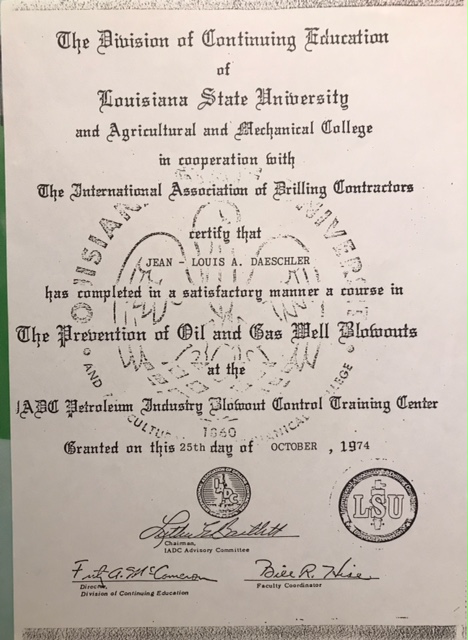
Pioneering offshore engineer J.L. Daeschler, a Frenchman who lives in Scotland and has worked on drilling rigs worldwide, shared his 1974 training certificate signed by Bill Hise, the first director of the Blowout Prevention and Well Control Training Center at LSU. JL recalls his training:
The LSU well control course was new and very well organized. Training options were limited at that time. LSU took a step forward and incorporated equipment donated by Cameron Iron Works, Armco Steel /National, VETCO, and others.
The course was split between indoor class room style and outdoor trainingon a live well to remind us of the real things, like hard hats, tally books, and safety shoes.
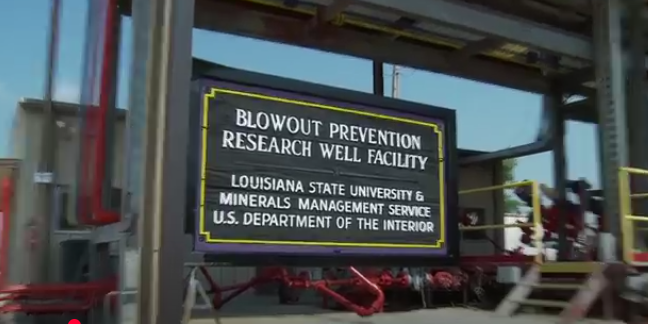
LSU had a 1200 ft vertical well and a small 2″ diameter gas injection line to create a bottom hole gas kick, using a nitrogen truck as the supply. (note: the live well was a first for any well control school.) You had a choice of several manual chokes. I selected the Cameron Willis choke to circulate the gas kick out with no increase in mud weight (drillers method).
The mud return level, kick detection, and general management of the operation were realistic as if on a rig. The gas would whistle and escape thru a vent line.
The training was simple and effective in that proper well control procedures were learned. In the process, there were many errors. Mud was seen flying out of the mud shaker/pits. School management would bring things under control and explain the errors that were made !!!
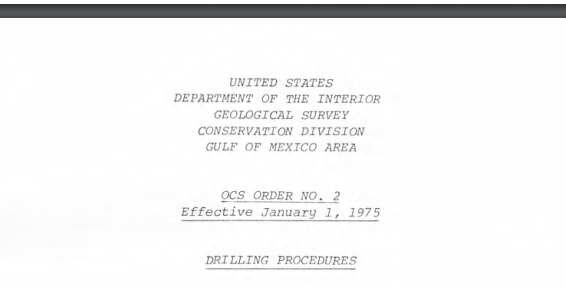
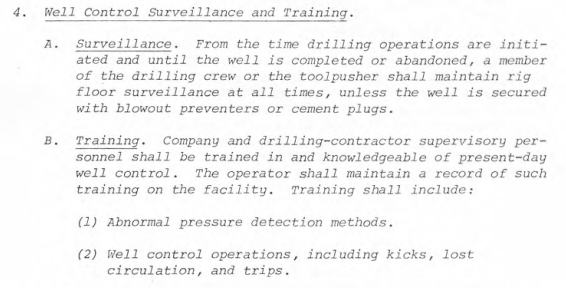
Given the importance of minimizing drilling risks, the Minerals Management Service (MMS) was the primary funder of the LSU facility. MMS predecessor, the Conservation Division of USGS, first established well control training requirements in 1975 (pasted below).
“In an age when energy policy is so often hostage to fierce partisanship, there is hope that geothermal can be the one clean energy solution that could satisfy climate change campaigners and the ‘drill baby drill’ lobby alike.”
Updates on Quaise Energy’s highly anticipated gyrotron field test and related information:
“Lab-test data suggest that the gyrotron’s beam will lose only around 50% of its power at a depth of six miles. To put that into perspective, the attenuation of a rotating drill string at 10 kilometers can be 98%,” Araque said. “You only get 2% of the mechanical power down to the bit.”
Quaise’s field test will take place on a disused oil drilling pad in the northern exurbs of Houston. Next month, a gyrotron 100 times as powerful as the one in the laboratory will be pointed at the earth and switched on.
By spring, Quaise will have erected another platform in a disused quarry near Marble Falls, a city on the Colorado River northwest of Austin.
Quaise’s ultimate ambition is that its drills can be “dropped-in” to existing oil and gas wells.
By 2026, Quaise should be positioned to launch its first commercial venture. Within that short timescale, an answer to the question of whether superdeep geothermal can be truly transformative should come into clearer focus.
Quaise’s Araque: “Our civilization uses 25 terawatts, and it doubles every 25 years. By 2050 we need 50 terawatts. By 2100 we need 200 terawatts. When you look at those numbers, you realize that diffuse and intermittent renewables don’t have the scale. The externalities are too high.”
 Bud's Offshore Energy (BOE)