Newfoundlander Howard Pike’s excellent tribute to my former colleague Charles Smith can be viewed from minutes 26 to 36 of this video.
Archive for the ‘Canada’ Category
Tribute to Dr. Charles E. Smith
Posted in Canada, Offshore Energy - General, Uncategorized, tagged Charles E. Smith, Newfoundland, offshore safety on October 7, 2022| Leave a Comment »
RIP John Fitzgerald
Posted in Canada, Offshore Energy - General, Regulation, tagged Canada, CNLOPB, Hibernia, John Fitzgerald, Newfoundland, Terra Nova on August 1, 2022| Leave a Comment »
The offshore world lost an important figure over the weekend with the passing of John Gregory Fitzgerald. As Chairman and CEO of the Canada Newfoundland Offshore Petroleum Board in the late 1990’s, John presided over the first production from the massive Hibernia field. He also approved the pioneering Terra Nova project, the first FPSO development in a harsh, iceberg laden environment.
John worked closely with his international counterparts and hosted an important offshore safety meeting in St. John’s in 1996. It was an honor to be associated with such an outstanding individual and dedicated safety leader.
RIP John, your contributions will not be forgotten.
Happy Canada Day to our friends up north…
Posted in Canada, Offshore Energy - General, Uncategorized, tagged Canada Day, Newfoundland, offshore oil on July 1, 2022| Leave a Comment »
… especially those in Newfoundland where the only offshore oil and gas operations in the N. American Atlantic are being conducted.
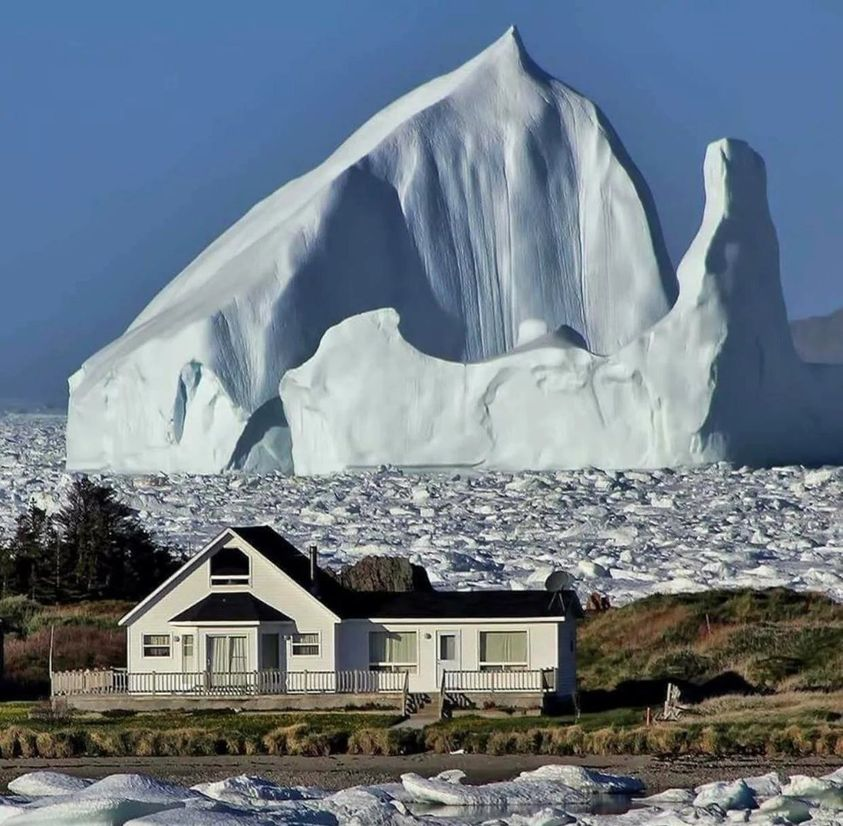
How’s this for a water view? Eat your hearts out Floridians😀
Posted in Canada, tagged Ferryland, iceberg, iceberg alley, Newfoundland on June 15, 2022| Leave a Comment »
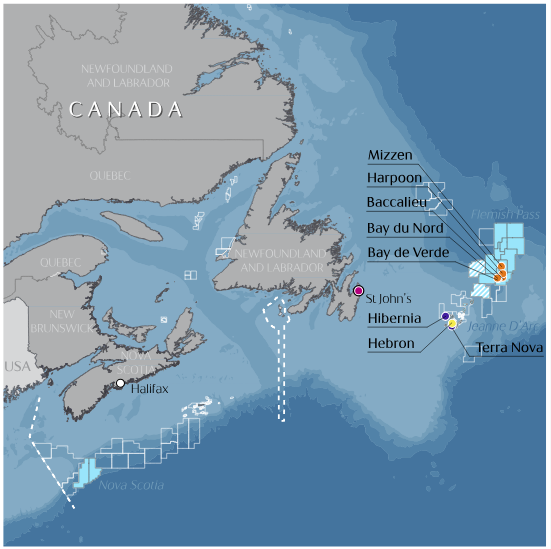
Far offshore from Ferryland (see map below), oil and gas operations are conducted in what are arguably the world’s most challenging conditions. The Grand Banks has been called the “North Sea plus icebergs,” and that may be an understatement.

West White Rose is back!
Posted in Canada, Offshore Energy - General, tagged Cenovus, Newfoundland, West White Rose on May 31, 2022| Leave a Comment »
Newfoundland is only 30 to 90 minutes ahead of the other Atlantic provinces and states, but the offshore energy gap is much greater. Newfoundland continues to be the only Atlantic producer, and the future is looking brighter with another positive step by industry and the provincial government.
Calgary, Alberta (May 31, 2022) – Cenovus Energy Inc. and its partners have agreed to restart the West White Rose Project offshore Newfoundland and Labrador. First oil from the platform is anticipated in the first half of 2026, with peak production anticipated to reach approximately 80,000 barrels per day (bbls/d), 45,000 bbls/d net to Cenovus, by year-end 2029.
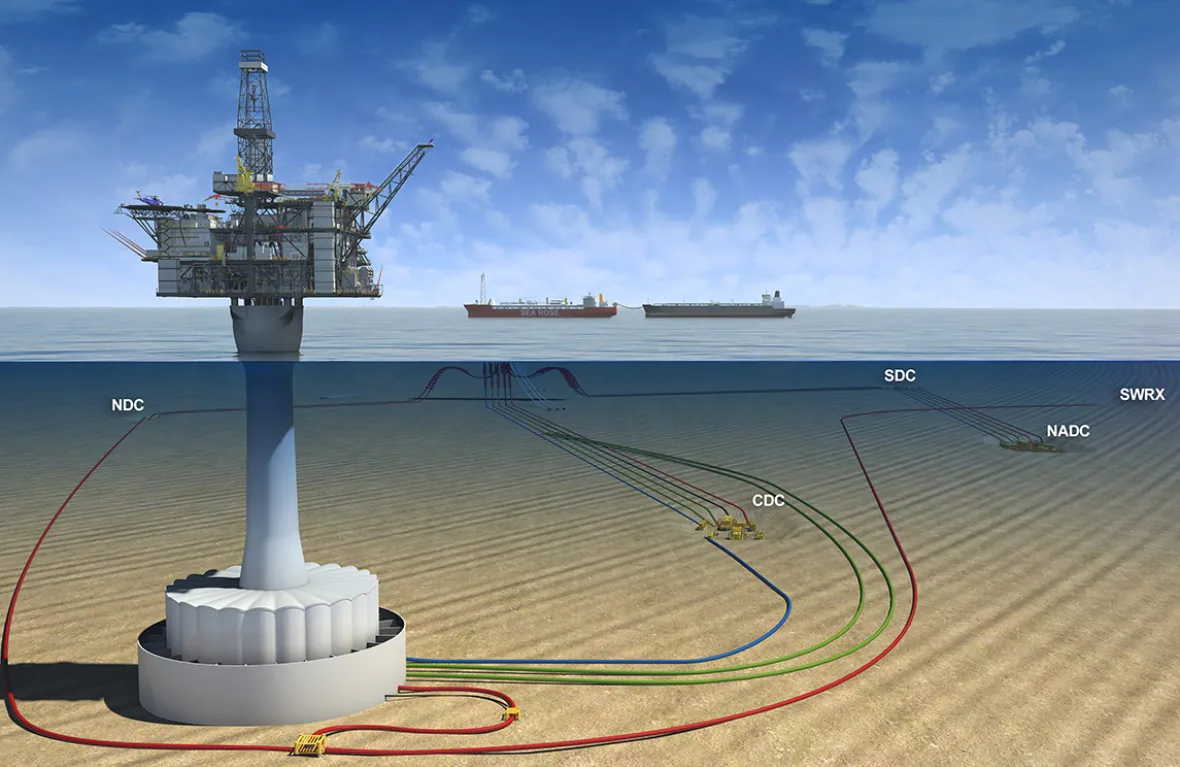
Construction includes the completion of the concrete gravity structure and topsides, which will serve as the drilling platform for the project. Once installed, the platform will be tied into existing infrastructure.
Cenovus
O Canada!
Posted in Canada, energy, energy policy, Uncategorized, tagged Canada, US oil imports on May 20, 2022| Leave a Comment »
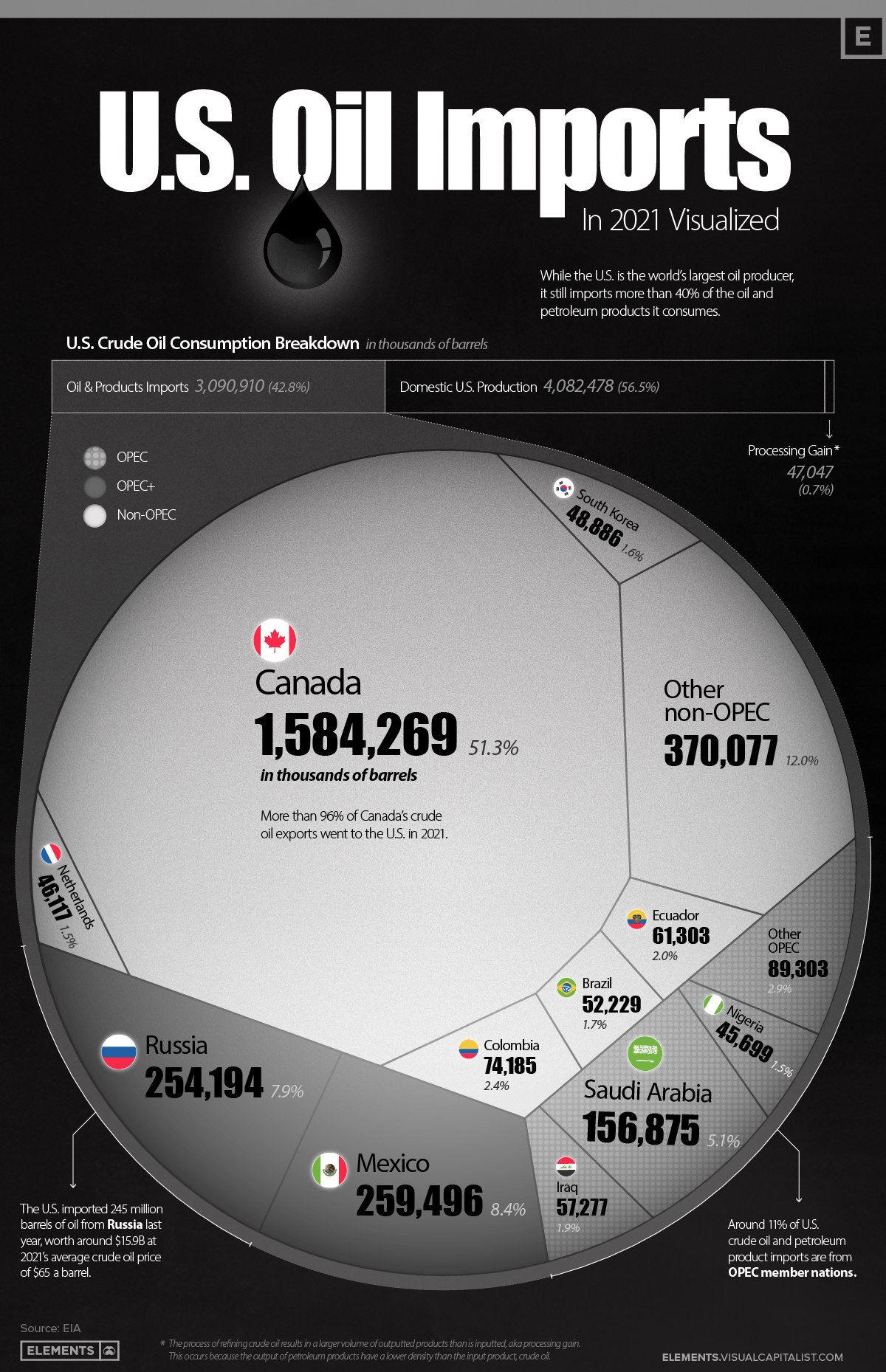
This graphic uses 2021 EIA data to compare the volumes of crude oil and petroleum products imported by the US from other countries.
You can’t just turn oil supplies on and off to serve your political purposes
Posted in Canada, energy policy, Offshore Energy - General, pipelines, Uncategorized, tagged DOT, fatalities, more oil from Canada, pipelines, rail, spills, truck on April 7, 2022| Leave a Comment »
Wall Street Journal: U.S. Wants More Oil From Canada but Not a New Pipeline to Bring It
WSJ
This WSJ report, if accurate, reflects the mindset that you can increase oil production on demand when absolutely necessary, and avoid committing to longer term oil and gas supplies. The goal of such thinking is to address supply crises without alienating the uncompromising climate ultras. You suspend lease sales, deny new pipelines, and demonize oil and gas and the people who produce it. When supplies tighten and prices spike, you tap the strategic reserve, appeal to OPEC, talk to Venezuela and Iran, and ask Canada to ship more oil in rail cars or trucks (but no new pipelines please!). .
Below is a pie chart constructed using data from a 2018 DOT report to Congress. For logistical and economic reasons, pipelines are overwhelmingly the crude oil transport method of choice. Rail cars and trucks are called on where there are no pipeline options.
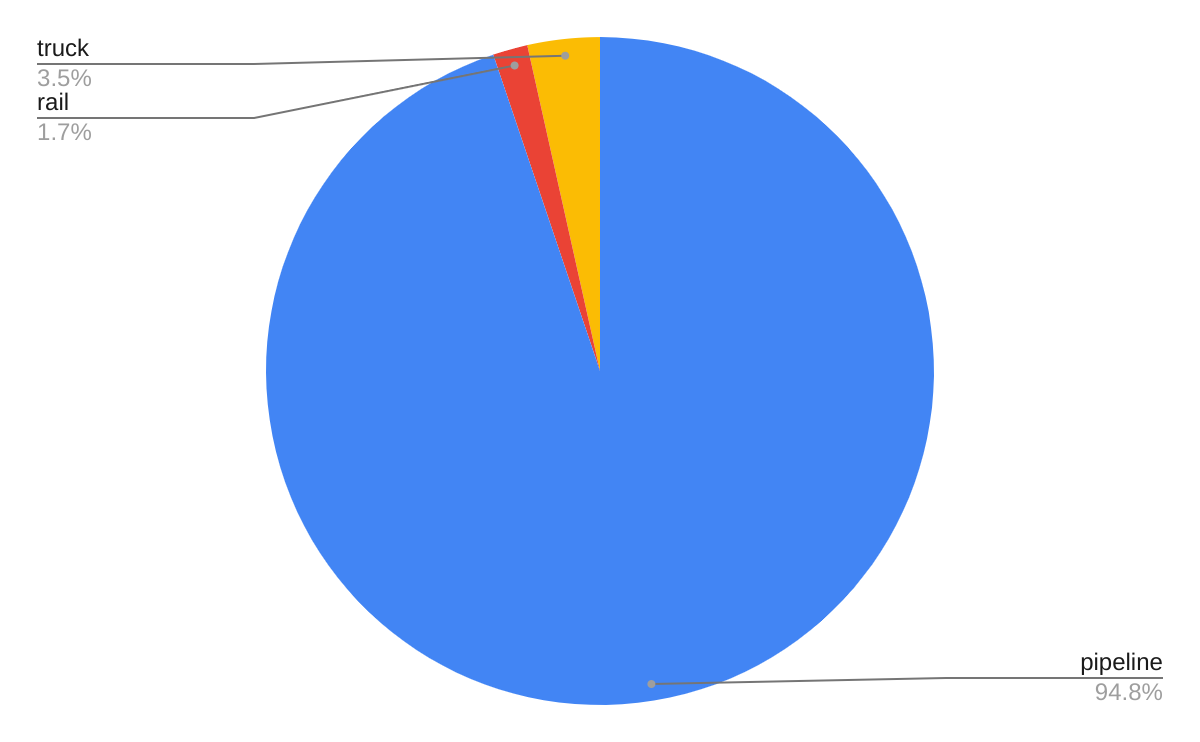
Looking at the systems, one would assume that pipelines have safety and environmental advantages. Loading and unloading hundreds of tanks would seem to be inviting spills, although most would presumably be small. The DOT data bear this out. On a volume transported basis, spill incidents occurred nearly 15 times more frequently for rail cars and trucks than they did for pipelines.
For pipeline(s), an incident occurred approximately once every 720 million gallons of crude oil shipped. For rail, an incident occurred approximately once every 50 million gallons of crude oil shipped. For truck(s), an incident occurred approximately once every 55 million gallons of crude oil shipped.
Looking at the percentage spilled, pipelines also had a significant (7.6 times) advantage over rail, but only a slight advantage over trucks.
Volume of Crude Oil Shipped and Spilled by Pipeline, Rail, and Truck, 2007-2016
| Pipeline | |
| volume shipped (k gal) | 1,298,630,088 |
| volume spilled (k gal) | 13,161 |
| % spilled | 0.0010% |
| Rail | |
| volume shipped (k gal) | 23,052,960 |
| volume spilled (k gal) | 1,751 |
| % spilled | 0.0076% |
| Truck | |
| volume shipped (k gal) | 47,894,868 |
| volume spilled (k gal) | 521 |
| % spilled | 0.0011% |
Because fatalities or hospitalizations were extremely rare, DOT chose not to normalize those data. There were a total of 3 fatalities associated with both pipeline and truck shipments. While no fatalities were associated with rail shipments, DOT noted that 47 deaths resulted from a crude oil derailment in Lac Megantic, Quebec in 2013. BOE further reminds readers that this train was transporting Bakken crude from North Dakota to a refinery in St. John, New Brunswick.
The bottom line is that you have to plan ahead to satisfy future supply needs. This is particularly true for the offshore sector where the lead times are longer, but the production volumes relative to the number of wells and facilities are higher (a good thing). The need for oil and gas is not going away, nor are threats to energy security. There are plenty of people in the U.S. Department of the Interior who understand this. Empower them to safely expedite leasing, exploration, and development!
Good news for Newfoundland – Bay du Nord project approved
Posted in Canada, Offshore Energy - General, tagged Bay du Nord, Canada, Equinor, FPSO, Newfoundland on April 6, 2022| Leave a Comment »
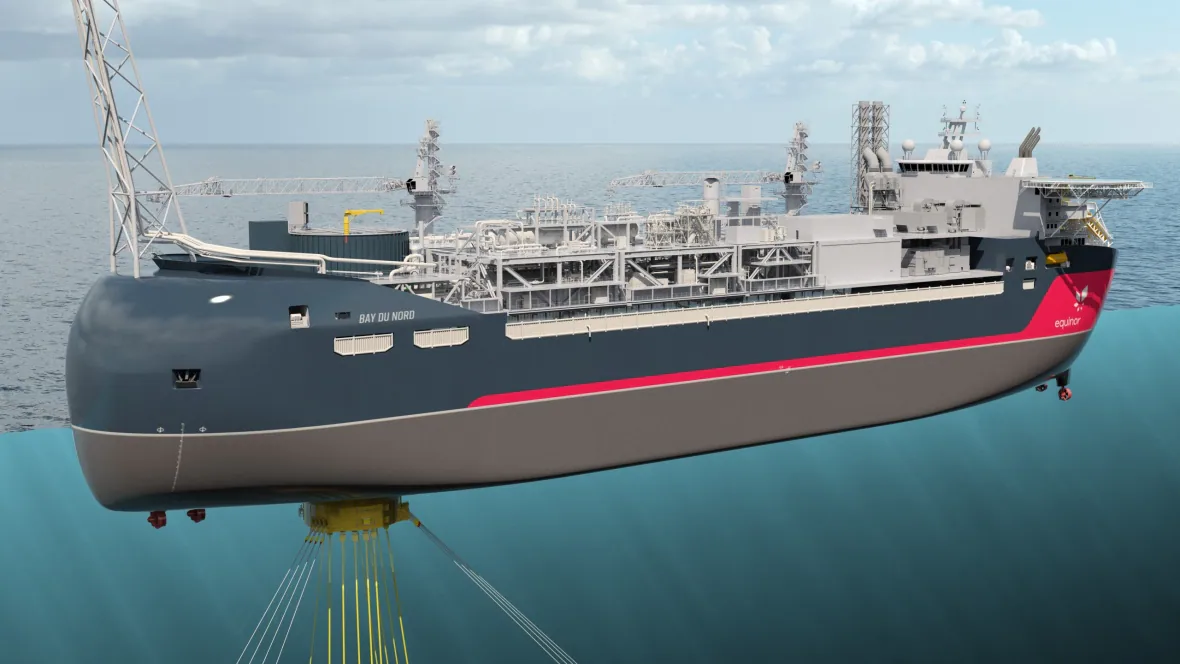
Federal Environment Minister Steven Guilbeault formally approved the Bay du Nord offshore oil megaproject Wednesday, making a decision that will infuriate environmentalists but boost the Newfoundland and Labrador economy.
CBC News
C-NLOPB’s prompt public notification of incidents is good regulatory practice
Posted in accidents, Canada, Offshore Energy - General, Regulation, tagged CNLOPB, incident reports, public notification on March 28, 2022| Leave a Comment »

Below and linked is the most recent C-NLOPB incident posting:
- Timely
- Front page
- Advises about any casualties or pollution (none in this case)
- Briefly describes incident without speculating on causes
- Informs about next steps
- Well done
INCIDENT DISCLOSURE 2022
NEAR MISS ON THE HIBERNIA PLATFORM
March 25, 2022
Hibernia Management and Development Company (HMDC) has reported that on March 20, 2022 a crane on the Hibernia Platform was lifting a mini container when it made contact with a scaffold hoarding. There were three people working inside the hoarding at the time of contact. No one was injured and there was no damage to the scaffold hoarding.
West pedestal crane operations were halted and HMDC has initiated an investigation to determine the potential classification of the incident.
C-NLOPB Safety Officers were already scheduled to travel to the Hibernia Platform in the coming days and will follow up with HMDC to review this incident and the near miss that occurred on March 15.
The C-NLOPB is also monitoring HMDC’s investigations of these incidents.
Disappointing delay in Canada’s decision on the Bay du Nord project
Posted in Canada, energy policy, Offshore Energy - General, tagged Andrew Fury, Bay du Nord, Equinor, Newfoundland on March 8, 2022| Leave a Comment »
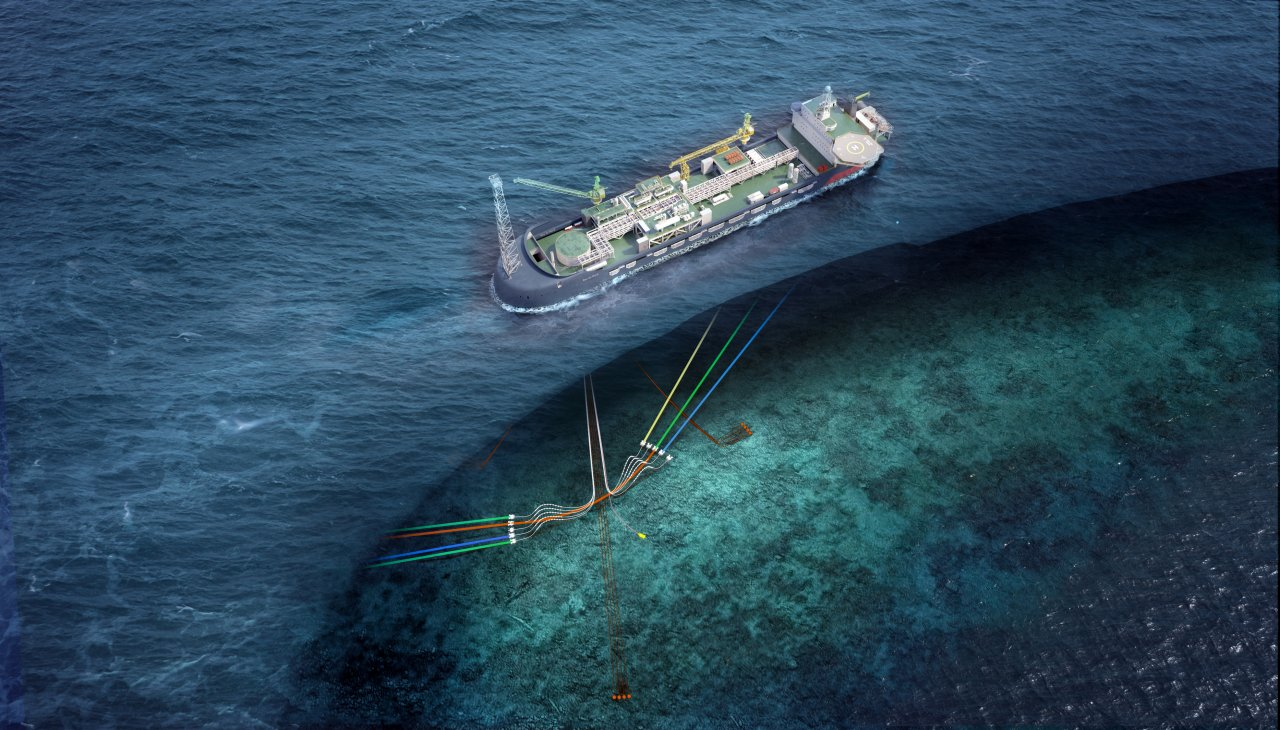
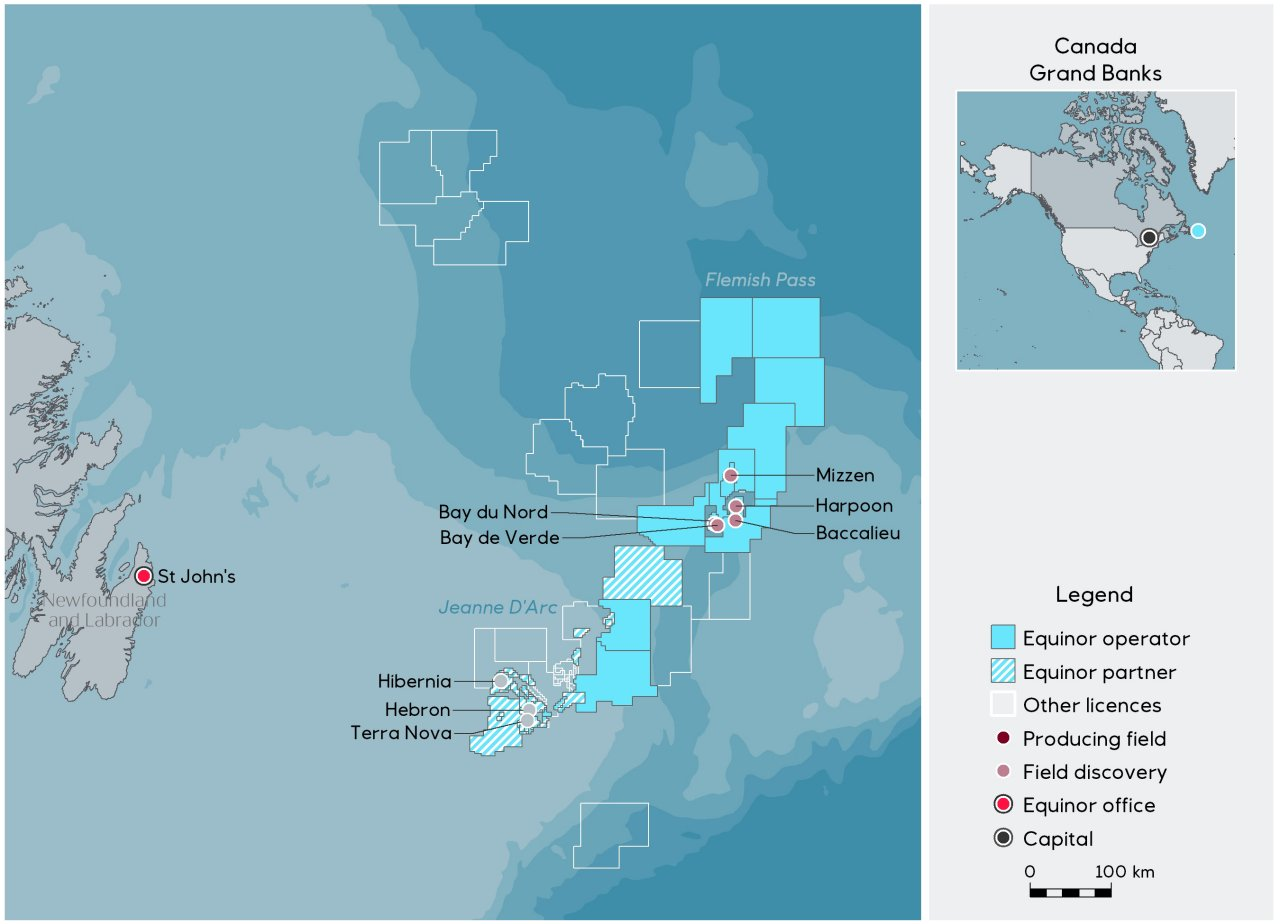
A decision on the proposed Bay du Nord oil project off the coast of Newfoundland will be delayed by another 40 days, according to Federal Environment Minister Steven Guilbeault.
Ottawa’s decision for the project was set for Sunday, but was originally scheduled for Dec. 6. The 40-day delay means a decision could come by April 13.
The project has reportedly caused a division within Prime Minister Justin Trudeau’s cabinet, according to Radio-Canada, which reported in February that several Liberal ministers from Ontario, Quebec and British Columbia want to reject Bay du Nord.
CBC
The delays in Ottawa are disappointing for the following reasons:
- Recent polling indicates very strong support among Newfoundlanders for offshore oil and gas operations and the Bay du Nord project. Newfoundland Premier Andrew Fury fully supports the project.
- The Impact Assessment Agency of Canada concluded that “the Bay du Nord Development Project is not likely to cause significant adverse environmental effects, taking into account the implementation of mitigation measures.”
- Equinor is a responsible offshore operator with a strong track record in Norway and elsewhere.
- The importance of “free world” oil and gas production has never been more obvious. That will continue to be the case for the life of this project and beyond.
- The project would generate $3.5 billion in revenues to the Government of Newfoundland and Labrador and provide estimated in-province employment of 22.3 million-person hours for the life-of-field.
 Bud's Offshore Energy (BOE)