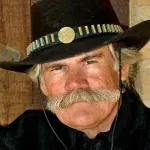
Capt. David Bacon is a boating safety consultant and expert witness, with a background in high-tech industries and charter boat ownership and operation. He teaches classes for Santa Barbara City College and, with a lifelong interest in wildlife, writes outdoors columns for Noozhawk and other publications.
Excerpts from Capt. David Bacon’s Noozhawk column:
- I believe those oil rigs offshore create, attract and sustain more life than all of our radical enviro orgs crying, “The sky is falling and the world is being destroyed, so send us your money” can ever hope to accomplish.
- Our ocean and seagoing critters lost big-time when the four inshore rigs off Padero Lane and Carpinteria were removed some years back. They were taken down to the ground, and all that was left were mounds of mussel shells.
- Let’s not repeat that massive forced die-off by removing any more oil rigs.
- There was argument about whether our oil rigs attracted or produced life. That argument is long over. They do both.
- The structure above the waterline serves pinnipeds and birds, which feed on the life below. Our rigs support a wide-ranging variety of sea life.
- When I look at the rigs from a close-up and personal perspective while I fish near them, I see the obvious. They are massive life generators and supporters, leading me to call them our Rigs of Life.
- We also need to keep our oil rig structures even after we decommission them, because to have abundant sea life, we need to create and maintain more supporting habitat.
For those of us who agree with the Captain that these structures have great value to society, the main questions are:
- How do we maintain valuable offshore structures after the production of oil and gas ceases?
- Who bears responsibility for their ultimate decommissioning? Is there a liability regime in place for any structure that remains?
- Who manages the post-production uses of the platform which could include oceanographic, biological, and alternative energy research, national security and space applications, communications, weather observations, and much more?
- Is there a business plan that works for the companies responsible for decommissioning and platform users, while also protecting taxpayers from liabilities?
One approach would be for the lessees responsible for decommissioning to retain that obligation and continue to maintain the structures in accordance with Federal regulations. This assumes the financial benefits from deferring decommissioning are sufficient to justify such a commitment. This could be a flawed assumption in some (most?) cases.
Alternatively, for companies that would prefer to be relieved of decommissioning obligations, John Smith’s proposal would allow qualified 3rd parties to accept title and liability for the structures. A company, consortium, nonprofit, or entrepreneur could, for a fee, acquire the structures and obtain insurance or other financial protection in accordance with their business plan.
The best way to preserve the reef environment is to extend the life of the platform for post-production activities. Can we make this work?


Leave a Reply