There were so many simultaneous activities — starting with the displacing of mud to the pumping of fluids overboard — it was difficult to see what was going on. John Gisclair, Sperry Sun (see Times Picayune summary of yesterday’s BOEM-Coast Guard hearing)
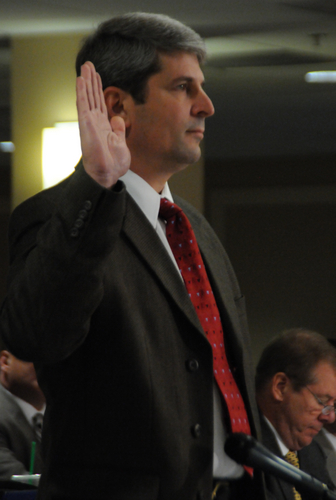
John Gisclair
Too much at once? Hurrying to finish the job? Cost concerns? No one in charge? Distracted by managers visiting the rig? One or more of these human and organizational factors appears to have contributed to the blowout.
Similarly, the rigid commitment to “batching” the development wells (for efficiency reasons) seems to have been a factor contributing to the Montara blowout in the Timor Sea. If after removing the corrosion cap on the production casing, the work on the H1 well had continued in series (i.e. casing tied-back, BOP installed, and well secured) before moving on to another well, this blowout may have been prevented.
At both Macondo and Montara, time pressures (perceived or real) may also have affected the way negative-pressure tests were conducted or assessed. These tests should have detected the influx of hydrocarbons via the shoe track.
 Bud's Offshore Energy (BOE)
Leave a comment