Feeds:
Posts
Comments

Posts Tagged ‘venezuela’

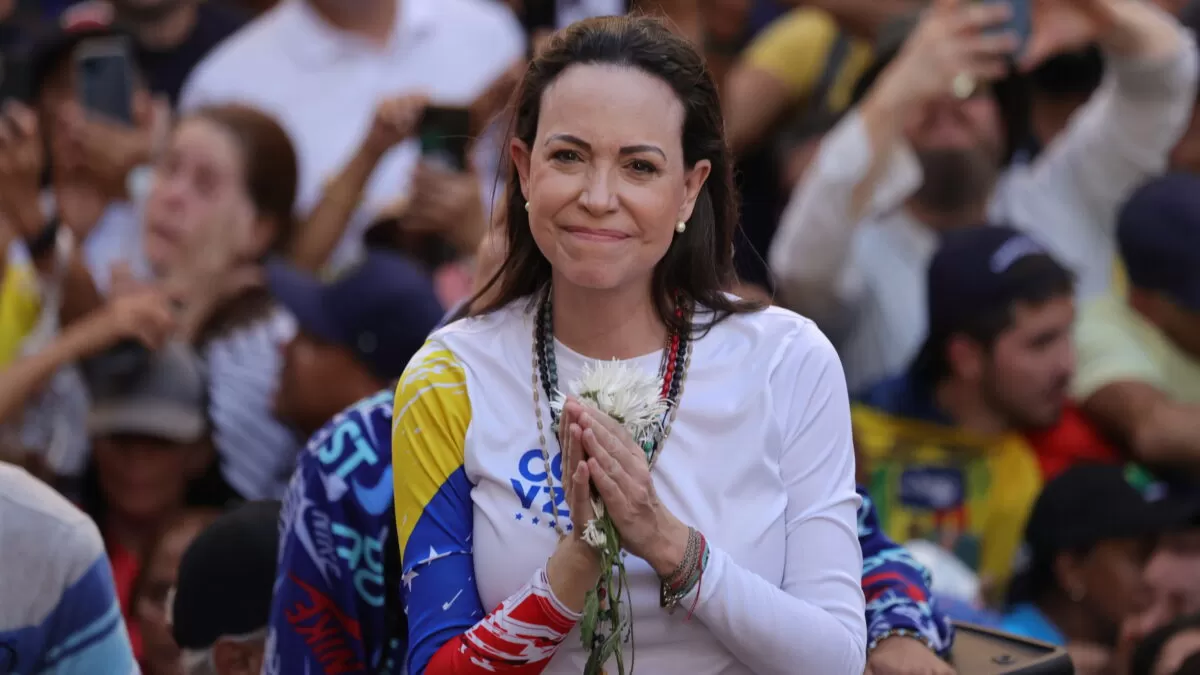
Nobel Peace Prize winner Maria Corina Machado wisely calls for privatizing Venezuela’s oil and gas industry, which was highly respected prior to the Chavez regime. The national oil company, Petróleos de Venezuela (PDVSA), is now a corrupt arm of the Maduro government.

In the 25 years since the election of Hugo Chavez, Venezuela went from being the richest country in Latin America to becoming one of the world’s poorest. From 2012 to 2022, the Venezuelan economy contracted by 75%.
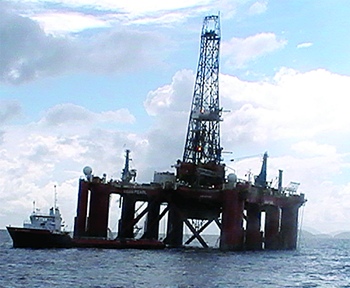
Aban Pearl listing off Trinidad in August 2009 before sinking offshore Venezuela in 2010

Followers of the Aban Pearl saga got a sense of the Chavez regime’s corruption with this comment from a PDVSA board member:

The whole Board is responsible for the loss of about 800,000 barrels per day of oil production; for the fraudulent certification of “proven oil reserves” in the Orinoco heavy oil region; for the irregular contracting, with a ghost company, of the offshore drilling barge Aban Pearl for twice the amount really paid to the owners of the barge; for the importing of 180,000 tons of food that later went to rot in Venezuelan ports but provided some of the members of the board with millions of dollars in criminal profits; and in numerous other corrupt practices that are well documented.

Machado’s oil and gas platform is pasted below. She has a good perspective on the proper role of govt.

Privatization and reactivation of oil and gas production by attracting specialized international and national companies. Venezuela has one of the world’s largest reserves of oil and natural gas. As per the Organization of Petroleum Exporting Countries (OPEC) and the International Energy Agency (IEA),
the country has reserves of over 300 billion barrels of oil and 200 trillion cubic feet of natural gas. The goal in this area is to steadily increase oil and gas production in order to leverage the window of opportunity that exists in today’s global demand for hydrocarbons. Achieving this objective will require enormous investments that the Venezuelan State cannot undertake. The solution is to attract private capital, and the strategy to achieve this end is the industry’s privatization. Where appropriate, all the industry’s productive activities will be privatized in order to secure massive private investments and a sustained increase in production, under conditions that guarantee legal certainty and an environment that is attractive for investors. The State will continue to receive fiscal income in the form of royalties and taxes, and will ensure that an operational framework exists in which private companies can increase production in the shortest possible timeframe. A Venezuelan Energy and Petroleum Agency will be established to exercise the role of industry regulator. Oil privatization will allow Venezuela to regain its position as a safe and reliable supplier, and will provide unparalleled investment opportunities in the industry.
Read Full Post »

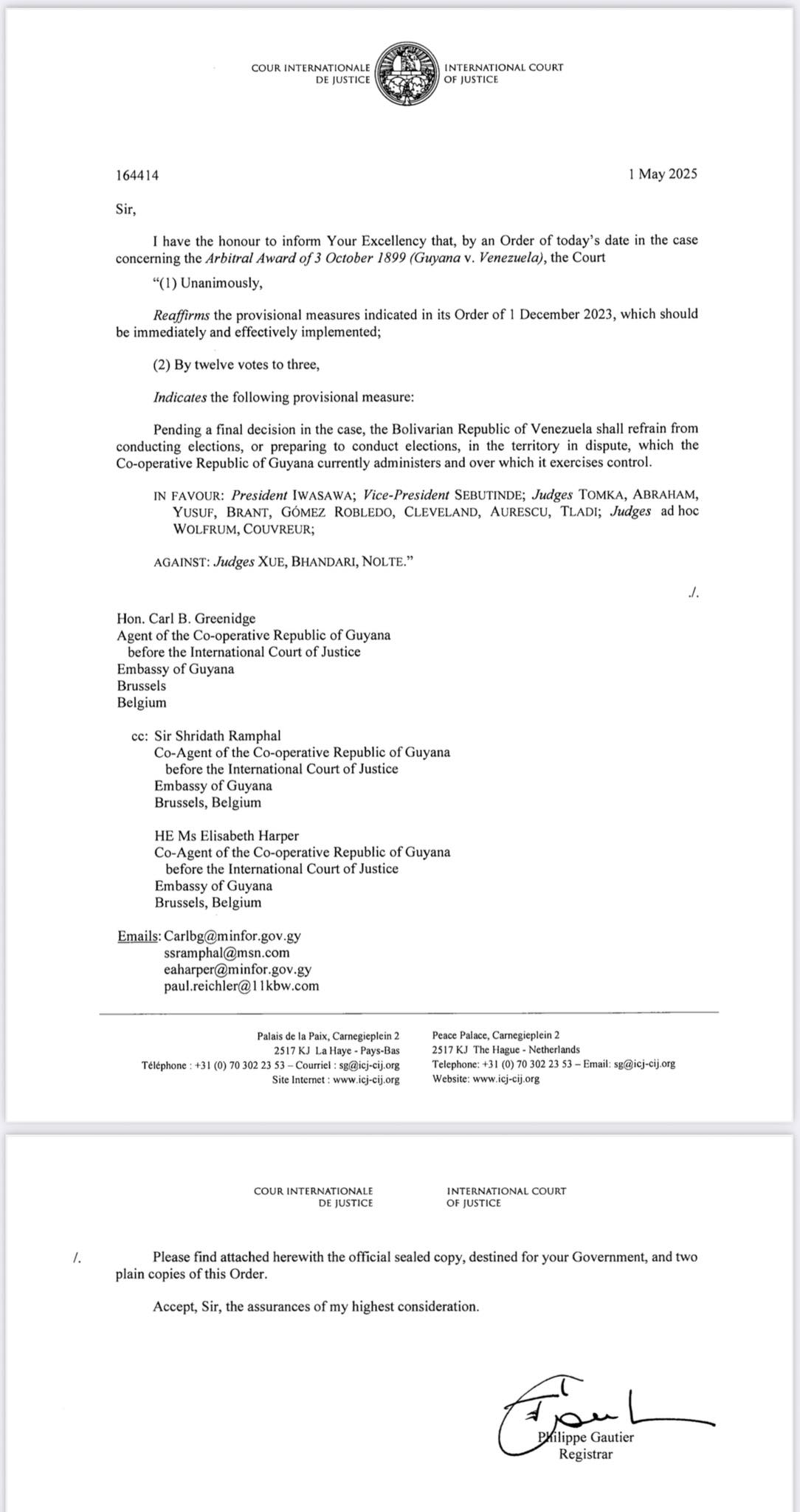
Pending a final decision in the Guyana-Venezuela dispute, the Court ordered Venezuela to refrain from conducting elections or preparing to conduct elections in the disputed territory administered by Guyana.

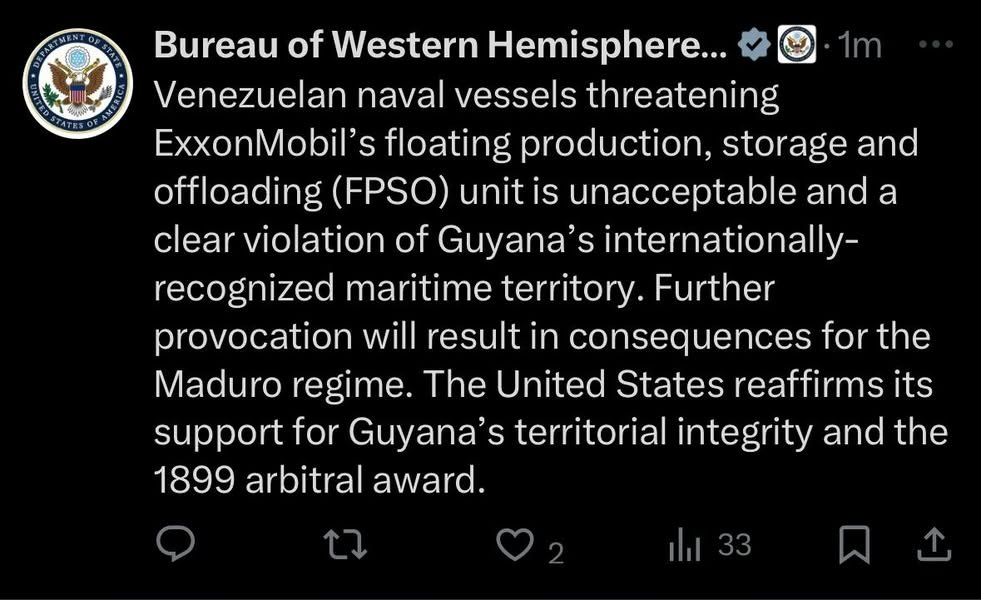
The outcome of this case has major implications for oil and gas development offshore Guyana.

Read Full Post »

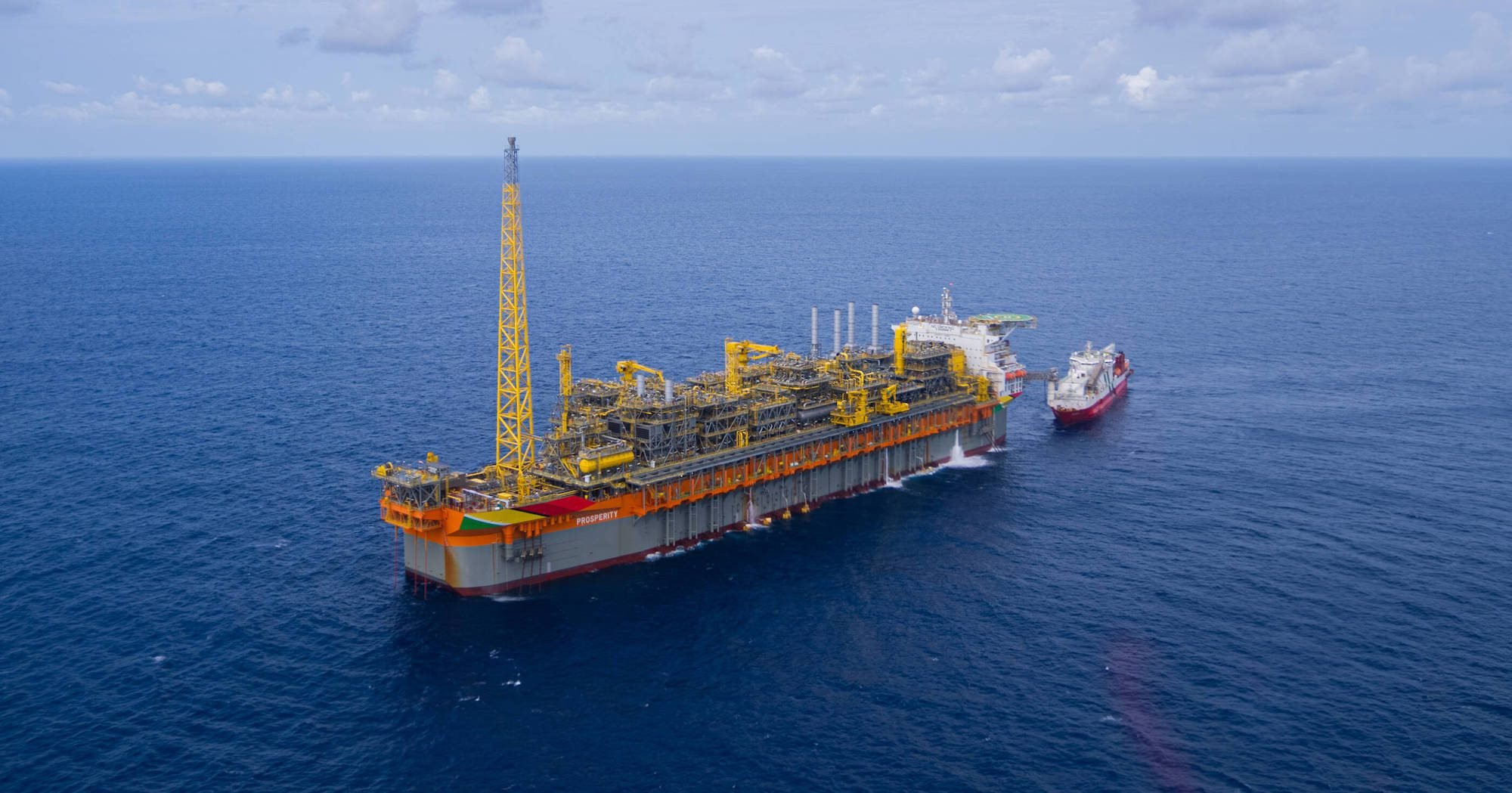
Exxon’s Prosperity FPSO
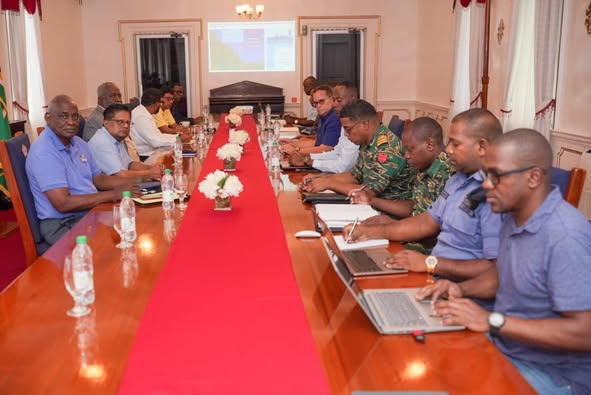
Guyana President Dr. Irfaan Ali chairs a meeting of the Defense Board in response to a Venezuela Navy vessel’s incursion into the Guyana’s EEZ

Read Full Post »

2024 will be the first year since 1958 without a single OCS oil and gas lease sale. There would not have been a sale in 2023 either were it not for a legislative mandate. The only 2022 lease sale was a micro-sale in the Cook Inlet that resulted in only a single bid. So, at the end of 2024 three years will have elapsed with only one meaningful sale, and that sale was mandated by Congress.

The current plan is for these de facto sanctions on US offshore production to continue. The Dept. of the Interior’s 5 year leasing plan includes a maximum of 3 sales, by far the fewest sales in any 5 year plan in OCS program history.

Meanwhile, the sanctions on Venezuelan production were further eased with the understanding that the Maduro regime would hold fair elections. To the surprise of no one, the evidence strongly suggests that those elections were not fair. Nonetheless, the sanctions on production have not been reimposed.

Apparently, the climate activists who have imposed their will on the OCS oil and gas program have less influence over our policy toward Venezuela. Or perhaps the production (and consumption) of Venezuelan oil is cleaner and greener (🙃 sarcasm intended!)

Read Full Post »

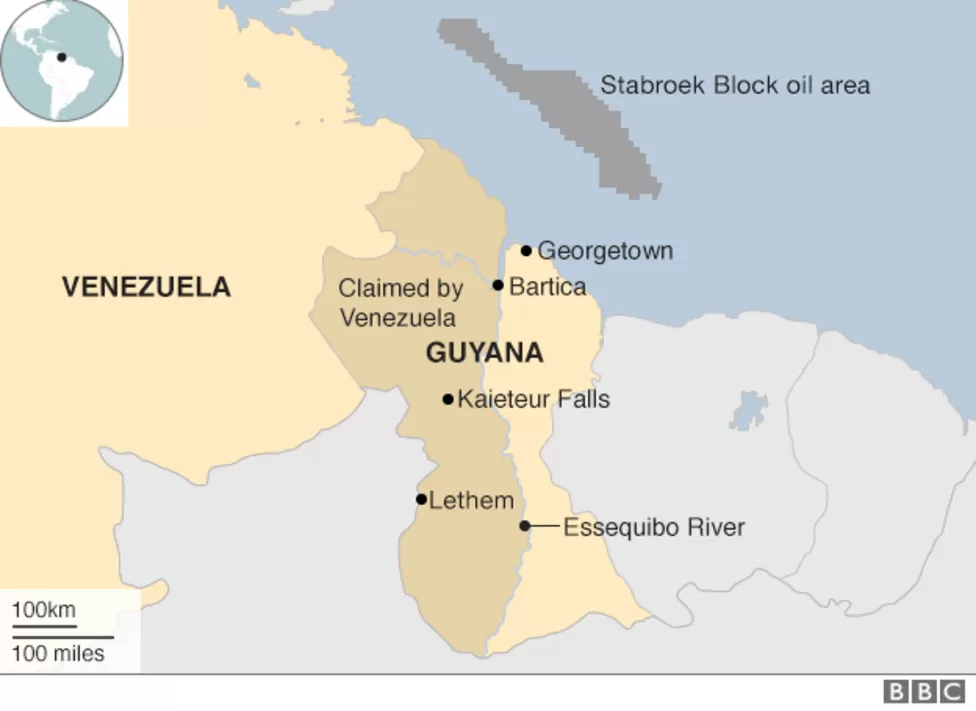
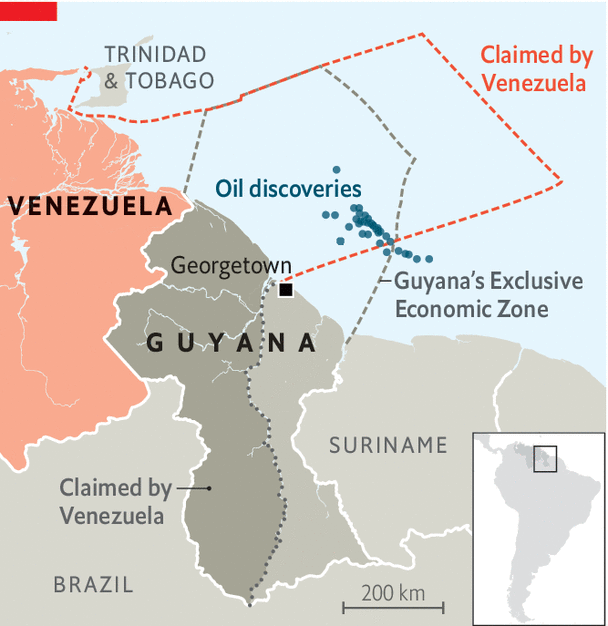
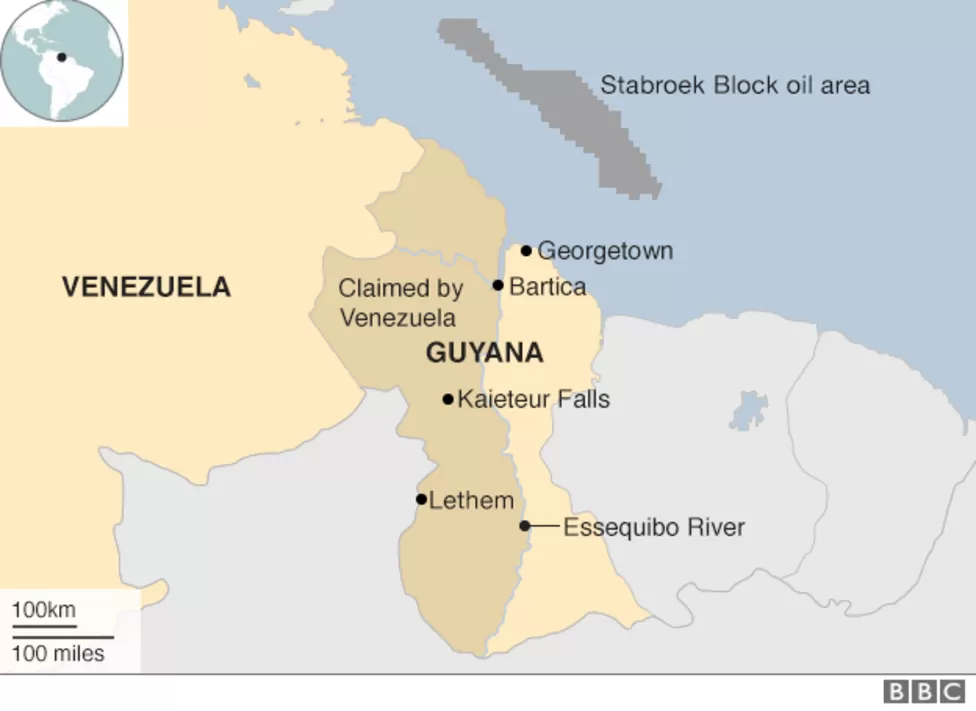
Exxon has filed for arbitration at the International Chamber of Commerce (ICC), the next step in the company’s attempt to derail or delay Chevron’s acquisition of Hess. Adding to the intrigue are the ambitions of neighboring Venezuela, which has claimed 2/3 of Guyana and the adjacent offshore territory.

Chevron continues to operate in Venezuela and is a beneficiary of the easing of US sanctions that facilitated the resumption of oil exports. Is the government of Guyana okay with Stabroek partners helping to support the regime that claims much of their offshore oil?

On the other hand, what about Exxon’s Stabroek partner, state-owned China National Offshore Oil Corp.? CNOOC has a 25% share of the Stabroek block (vs. 45% for Exxon and 30% for Hess) as a result of their takeover of (Canadian) Nexen in 2013. The CNOOC acquisition of Nexen was similar to Chevron’s acquisition of Hess. Was Exxon okay with that change in ownership?

CNOOC hasn’t released any public statements on the Stabroek dispute, but appears to be aligned with Exxon. Presumably, CNOOC also wants a larger share of the Stabroek pie. Is the Government of Guyana okay with an ally of Venezuela increasing their influence and having access to geologic, reservoir, and operational data for the Stabroek block? CNOOC is also partnered with Exxon on the block they acquired at the most recent licensing round.

Given the national security implications, is the Government of Guyana okay with leaving the resolution of this dispute to an ICC tribunal in Paris?

Read Full Post »

If we pause any of our developments, Maduro succeeds. He has no right in international law to tell the people of Guyana, a sovereign country, how to pursue its affairs.

And that is why we are forging ahead with our development in all 83,000 square miles…if we get paralyzed by this at the government level then we will fall prey to what he is trying to achieve.

Guyana’s Vice President, Dr. Bharrat Jagdeo

Read Full Post »

How can the US be relaxing sanctions on this thug?

Venezuela’s state-run companies will immediately… proceed to give operating licenses for the exploration and exploitation of oil, gas and mines in our Guayana Esequiba, Maduro said.

Any other firms operating in the area will have three months to withdraw from the territory, he explained, adding that a zone of integral defense of ‘Guayana Esequiba’ would be created.

lianglj0.hott.es

Read Full Post »

AP photo

Per AP, The National Electoral Council claimed to have counted more than 10.5 million votes even though few voters could be seen at polling sites throughout the voting period for the five-question referendum.

This claim sees like a joke, but President Maduro’s intentions are not:

It has been a total success for our country, for our democracy,” Maduro told supporters gathered in Caracas, the capital, after results were announced. 

AP News

Read Full Post »

Per AP:

  • “We are solving through constitutional, peaceful and democratic means an imperial dispossession of 150 years,” President Nicolás Maduro said after voting in a military complex in Caracas
  • Venezuela’s government promoted the referendum for weeks, framing participation as an act of patriotism, and often conflating it with a show of support for Maduro.
  • International court president Joan E. Donoghue said statements from Venezuela’s government suggest it “is taking steps with a view toward acquiring control over and administering the territory in dispute.”
  • Venezuela is taking concrete measures to build an airstrip to serve as a ‘logistical support point for the integral development of the Essequibo.”
  • The 61,600-square-mile territory accounts for two-thirds of Guyana and also borders Brazil.
  • Brazil has boosted its military presence in the region as a result of the dispute.

This is very troubling.

Read Full Post »

The Metal Shark 115 Defiant patrol boat

Per our post about the threat from Venezuela, Guyana has acquired its ninth patrol boat.

The Metal Shark vessels are built in Franklin, Louisiana.

Chris Allard, chief executive officer of Metal Shark, said in August “We believe this formidable, American-made patrol craft will be a game-changer for regional security.

OilNow

Read Full Post »

Older Posts »