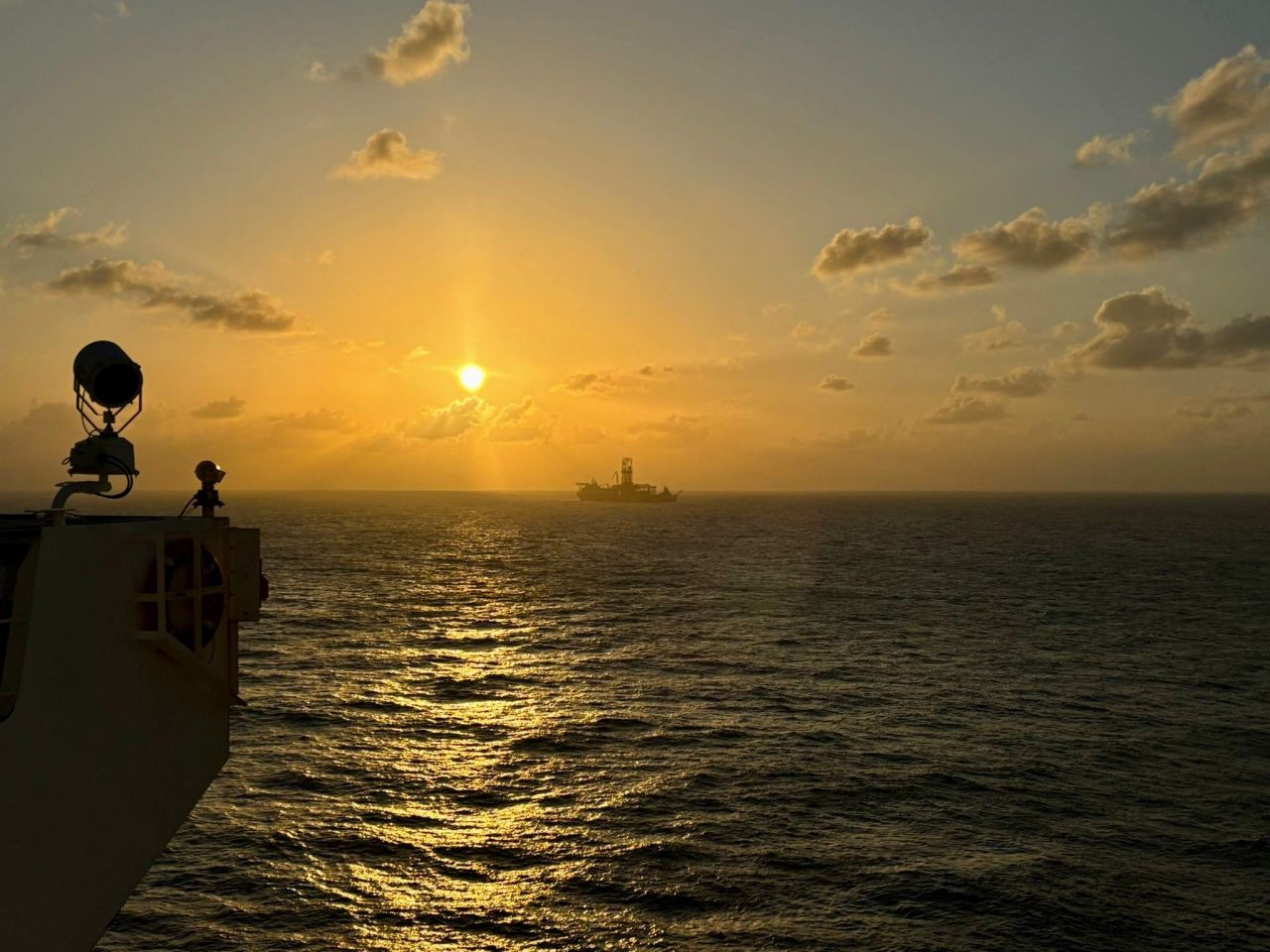
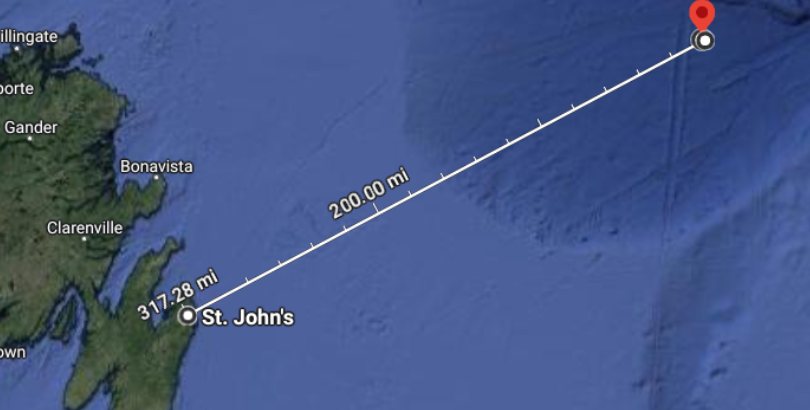
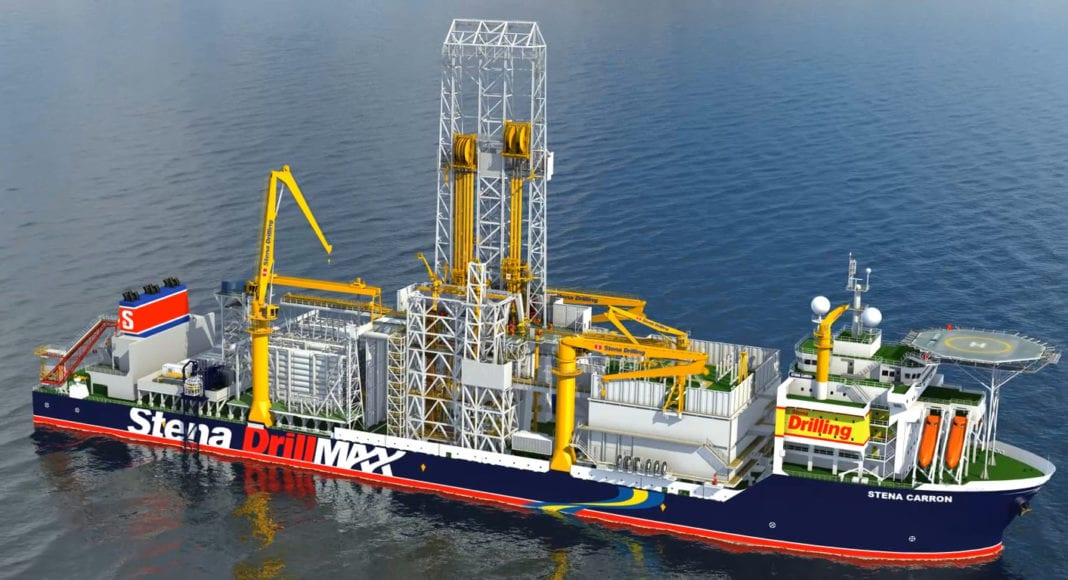
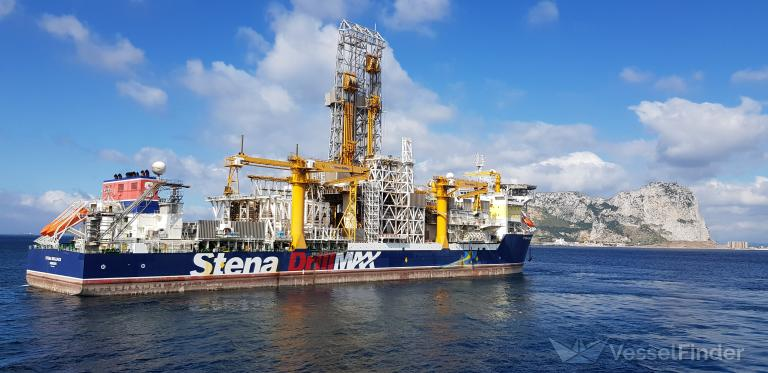
To find the sole exploratory well being drilled in the vast North American Atlantic, you have to exit “wind-only” US waters, head NE to St. John’s, NL (advancing your watch by 1.5 hours 😉), and transit another 317 miles NE to the Stena DrillMAX working for Exxon in the Orphan Basin.
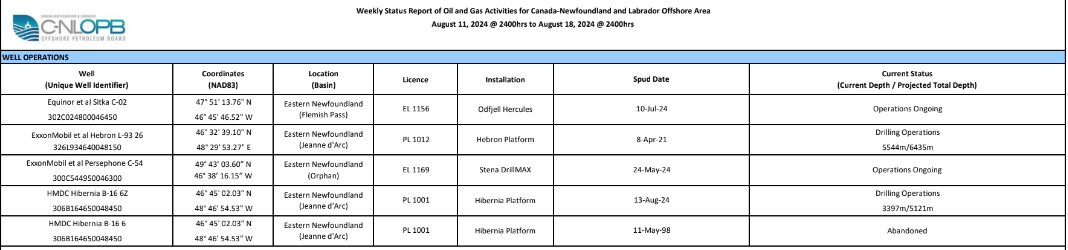
The latest (8/20/2024) CNLOPB report (below) is that operations are ongoing. The well was spudded 3 months ago. That is about all they can disclose without compromising confidentiality. Even seemingly innocuous information like the current and projected well depth provides the opportunity to speculate about geologic conditions and current well activities.
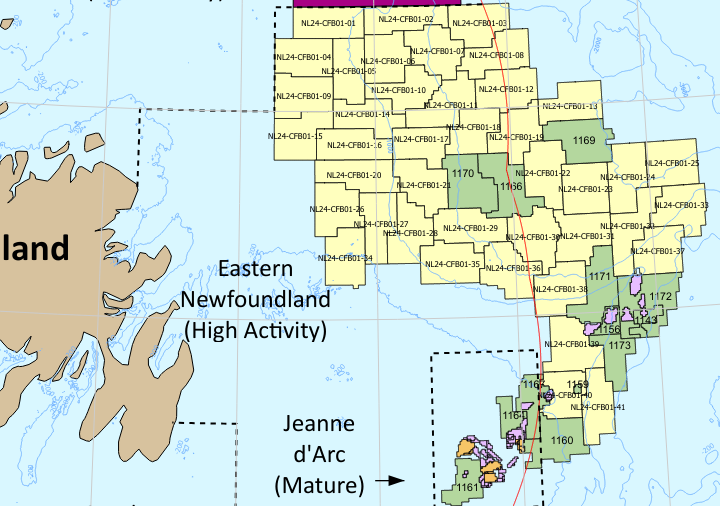
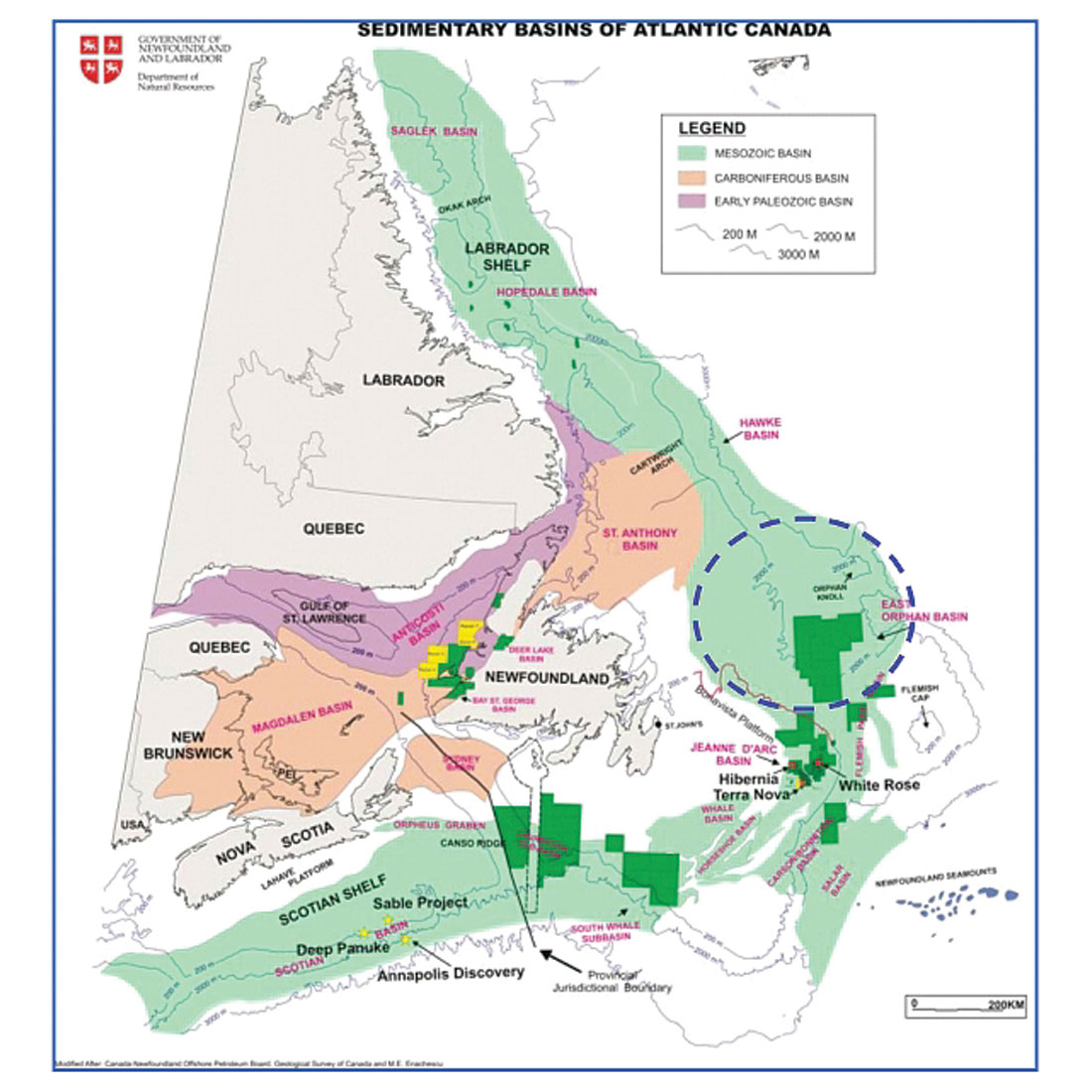
Per rig tracker data, the Stena DrillMAX has been on location at Exxon’s Orphan Basin wellsite since Sunday (19 May). The site is 317 miles (510 km) NE of St. John’s in Block 1169 (~3000 m water depth).
Per this very good resource assessment report for the Govt. of Newfoundland and Labrador, “the Orphan Basin area demonstrates a potentially prolific petroleum system with four main plays (reservoirs and associated seals) sourced by various source rocks (Upper Jurassic, Cretaceous, and Paleogene).“
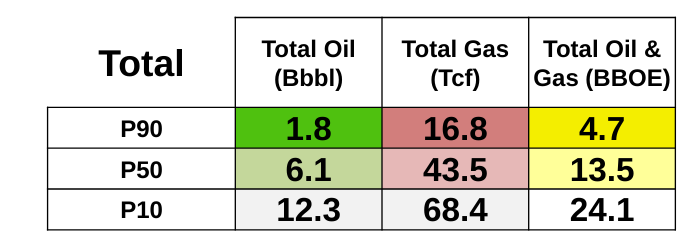
Unrisked resource estimates (theoretical pending confirmation by drilling) at the 90, 50, and 10% probability levels for the Orphan Basin blocks offered for licensing in Nov. 2022:
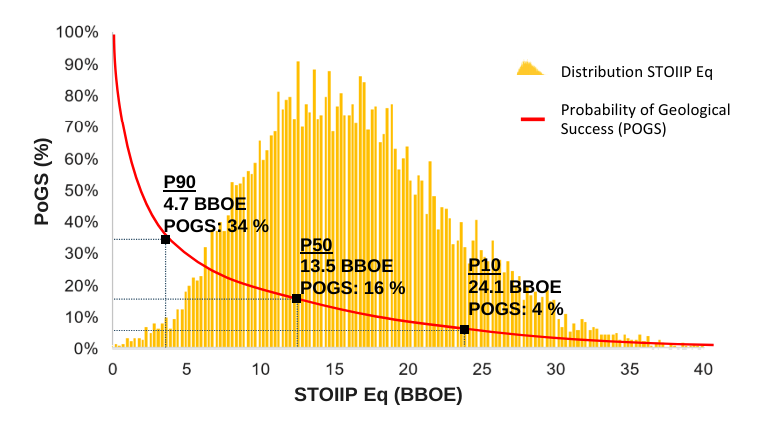
Taking into account the risks of the geologic model not accurately reflecting the reservoir, seal, charging, and trap components of the petroleum system, the probability of finding 13.5 billion drops to 16% (see plot below). This is still a high probability for a massive wildcat discovery.
This is why you move a state-of-the-art drillship thousands of miles to drill a single exploratory well at a remote location in the North Atlantic. The most likely outcome is negative or inconclusive findings, but the potential for such a major discovery justifies the investment.
The PGOS curve quantifies the probability of success in finding the identified volume of resources in the new Orphan Basin blocks (e.g. there is a 34% chance of finding 4.7 billion BOE and a 16% chance of finding 13.5 billion BOE).
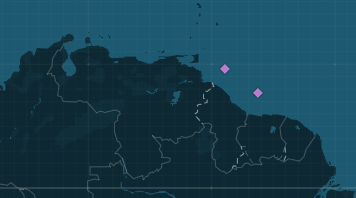
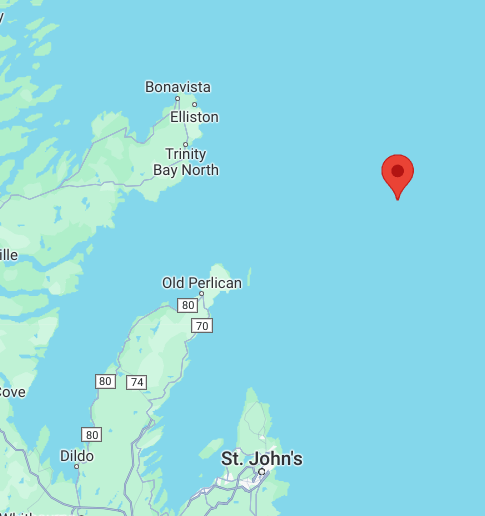
The DrillMAX has exited Bulls Bay and is en route to the Orphan Basin, where Exxon will drill a high potential exploratory well. As of this morning at ~1000 GMT, the drillship was headed north at 7.7 kts (see map).
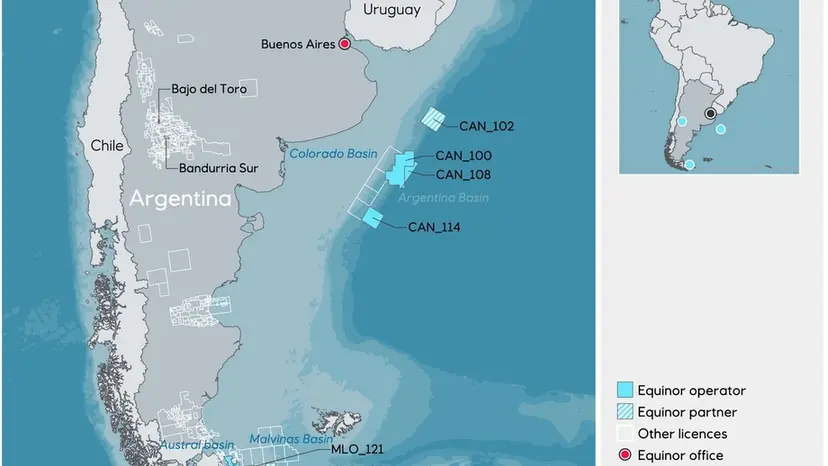
The Valaris DS-17 drillship is now on location to drill the Algerich-1 well for Equinor 315 km from Mar del Plata in 1527 m of water at Block CAN 100.
Concurrently, at the opposite end of the Pan American continents, the Stena DrillMAX is closing in on Exxon’s Orphan Basin location offshore Newfoundland to drill another high potential well.
The DrillMAX is en route from Guyana to drill the Persephone wildcat well 500 km NE of Newfoundland in the highly prospective Orphan basin (3000 m water depth). This looks like the farthest from shore any well has been drilled in the Atlantic. The late spring date is prudent.This is definitely a well to watch because of the resource potential and difficult operating conditions.






 Bud's Offshore Energy (BOE)