Feeds:
Posts
Comments

Posts Tagged ‘safety case’

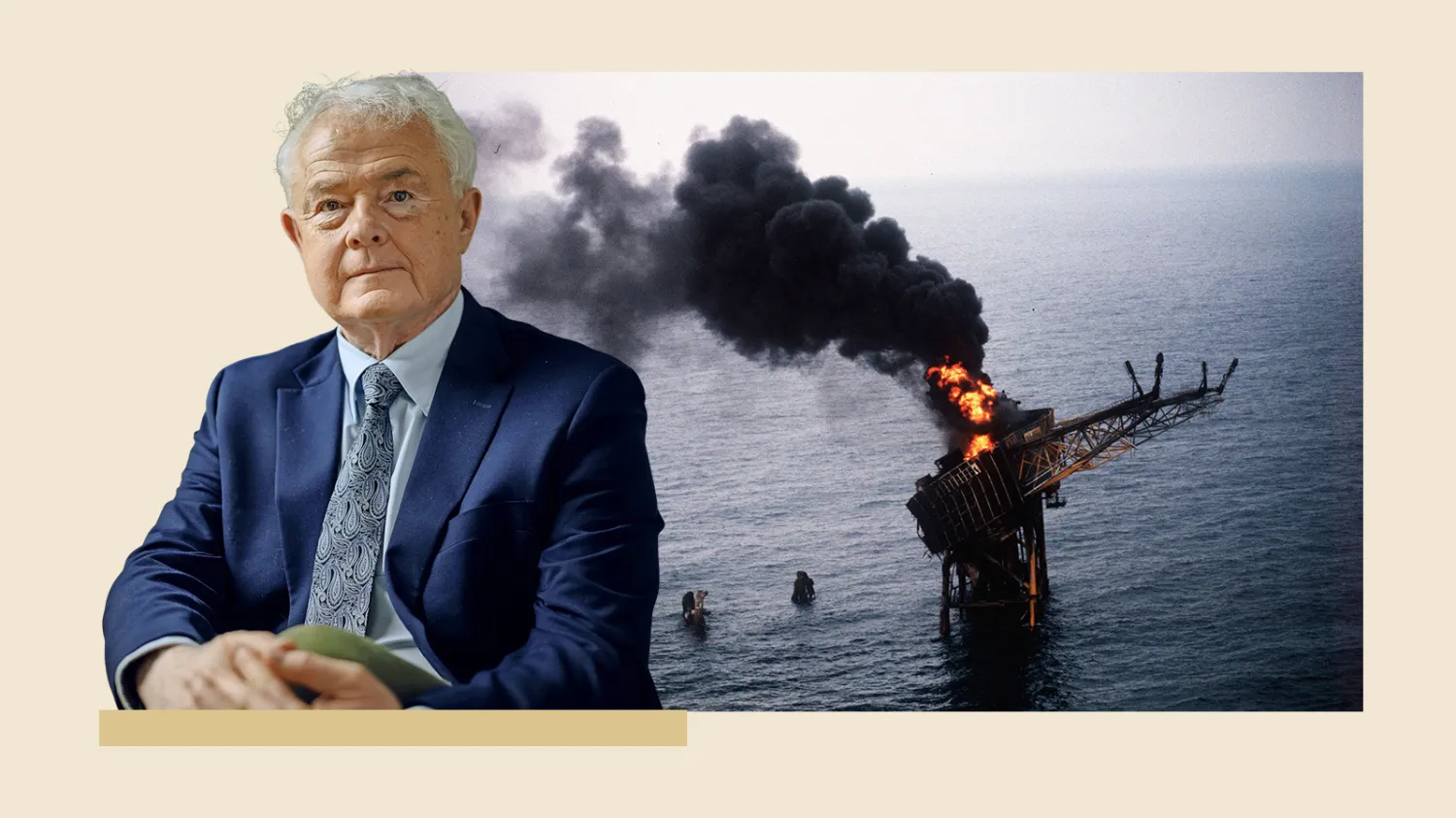
Ed Punchard today; Piper Alpha survivor

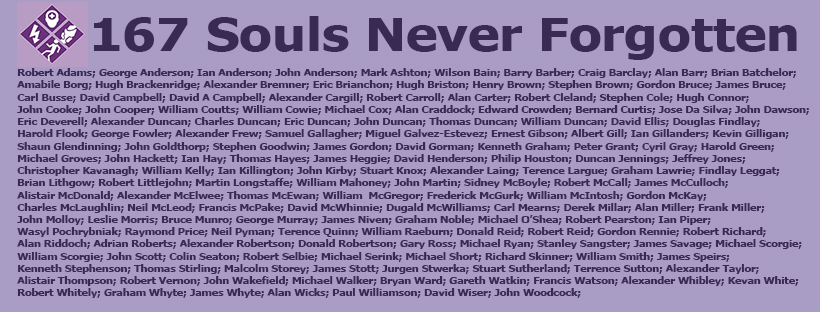
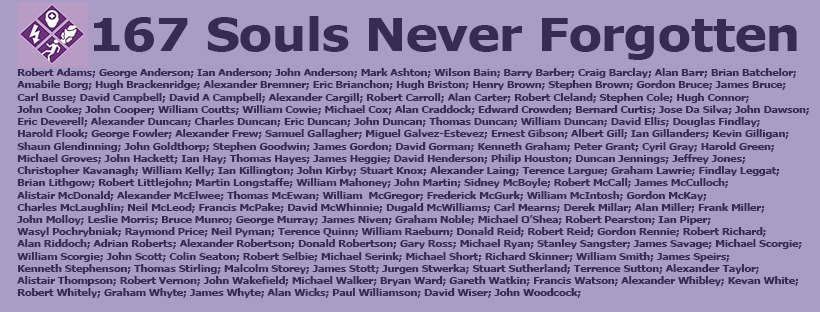
JL Daeschler shared a London Sunday Times piece about the Piper Alpha fire that killed 167 workers, the worst tragedy in the history of the offshore industry. We were troubled by the headline, because it seems inconceivable that any UK offshore worker could call July 6, 1988, the best day of their life. However, Punchard helped a number of workers escape the fire, so his mixed message is somewhat understandable.

Lord Cullen’s comprehensive inquiry into the Piper Alpha tragedy challenged traditional thinking about regulation and how safety objectives could best be achieved, and was perhaps the most important report in the history of offshore oil and gas operations. That report and the US regulatory response to the tragedy are discussed in this post.

BSEE’s new downhole commingling rule, which responds to a Congressional mandate, is contrary to Cullen’s Safety Case principles in that it puts the burden of proof on the regulator to conclusively demonstrate that a potentially hazardous operation is unsafe. This is exactly the opposite of the approach recommended by Cullen. It’s also the first time in the history of the OCS program that Congress has dictated approval of complex downhole operations. More on this in a later post.
Read Full Post »

The Piper Alpha fire was the worst disaster in the history of offshore oil and gas operations and sent shock waves around the world. Eight months later another interactive pipeline-platform fire killed 7 workers at the South Pass 60 “B” facility in the Gulf of Mexico. A US Minerals Management Service task group reviewed the investigation reports for both fires and recommended regulatory changes with regard to:

  1. the identification and notification procedures for out-of-service safety devices and systems,
  2. location and protection of pipeline risers,
  3. diesel and helicopter fuel storage areas and tanks,
  4. approval of pipeline repairs, and
  5. location of ESD valves on pipelines.

Paul Schneider and I wrote a paper on the task group’s findings and that paper was published in Offshore Operations Post Piper Alpha (Institute of Marine Engineers,1991). The proposed regulations that followed summarized these findings and can be be found at this Federal Register link.

Lord Cullen’s comprehensive inquiry into the Piper Alpha tragedy challenged traditional thinking about regulation and how safety objectives could best be achieved, and was perhaps the most important report in the history of offshore oil and gas operations. Per Cullen:

Many current safety regulations are unduly restrictive because they impose solutions rather than objectives. They also are out of date in relation to technological advances. Guidance notes lend themselves to interpretations that discourage alternatives. There is a danger that compliance takes precedence over wider safety considerations and that sound innovations are discouraged.

Cullen advocated management systems that describe the safety objectives, the system by which those objectives were to be achieved, the performance standards to be met, and the means by which adherence to those standards was to be monitored. He called for safety cases that describe major hazards on an installation and provide appropriate safety measures. Per Cullen, each operator should be required in the safety case to demonstrate that the safety management systems of the company and the installation are adequate to assure that design and operation of the platform and its equipment are safe.

Links for the full Piper Alpha Inquiry: volume 1 and volume 2

Read Full Post »

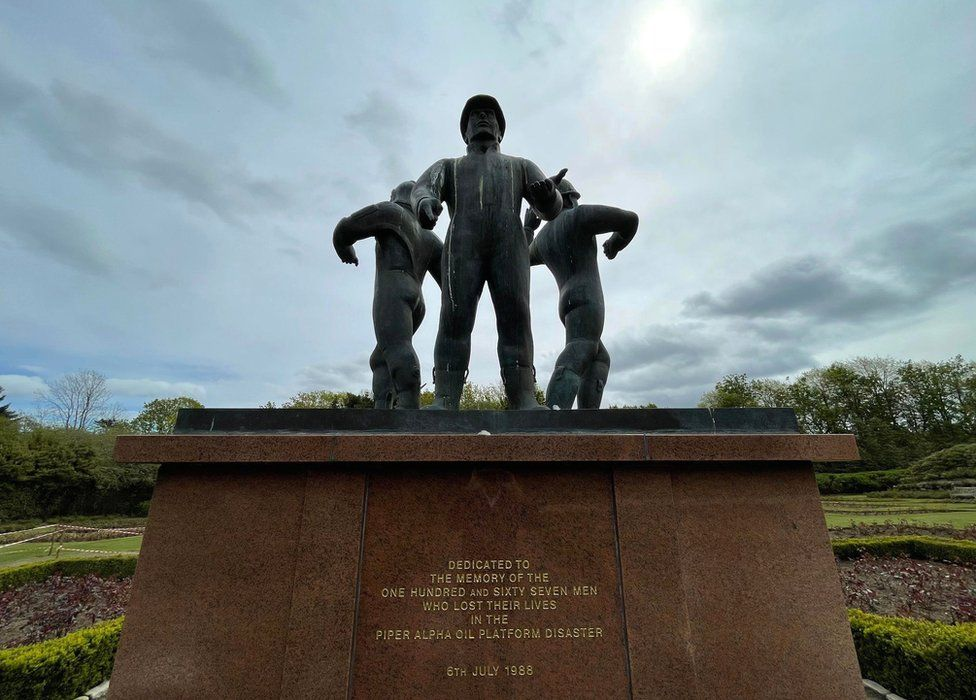
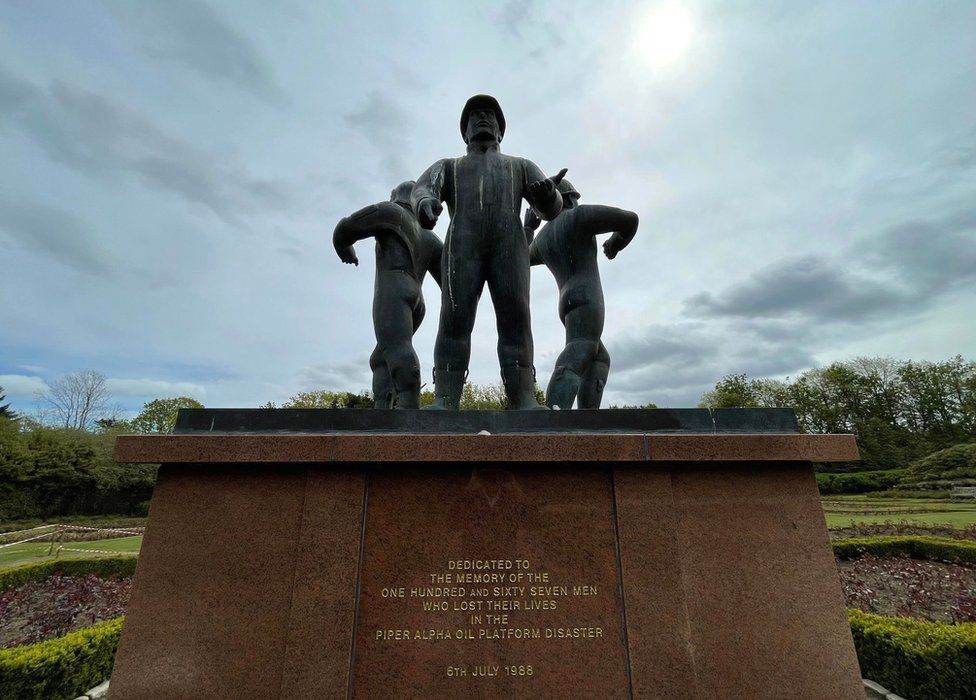
Piper Alpha Memorial Garden, Aberdeen, Scotland
Scottish Hazards

In terms of the total number of fatalities, the Piper Alpha fire was the worst disaster in the history of offshore oil and gas operations and sent shock waves around the world. Eight months later another interactive pipeline-platform fire killed 7 workers at the South Pass 60 “B” facility in the Gulf of Mexico. A US Minerals Management Service task group reviewed the investigation reports for both fires and recommended regulatory changes with regard to:

  1. the identification and notification procedures for out-of-service safety devices and systems,
  2. location and protection of pipeline risers,
  3. diesel and helicopter fuel storage areas and tanks,
  4. approval of pipeline repairs, and
  5. location of ESD valves on pipelines.

Paul Schneider and I wrote a paper on the task group’s findings and that paper was published in Offshore Operations Post Piper Alpha (Institute of Marine Engineers,1991). The proposed regulations that followed summarized these findings and can be be found at this Federal Register link.

Lord Cullen’s comprehensive inquiry into the Piper Alpha tragedy challenged traditional thinking about regulation and how safety objectives could best be achieved, and was perhaps the most important report in the history of offshore oil and gas operations. Per Cullen:

Many current safety regulations are unduly restrictive because they impose solutions rather than objectives. They also are out of date in relation to technological advances. Guidance notes lend themselves to interpretations that discourage alternatives. There is a danger that compliance takes precedence over wider safety considerations and that sound innovations are discouraged.

Cullen advocated management systems that describe the safety objectives, the system by which those objectives were to be achieved, the performance standards to be met, and the means by which adherence to those standards was to be monitored. He called for safety cases that describe major hazards on an installation and provide appropriate safety measures. Per Cullen, each operator should be required in the safety case to demonstrate that the safety management systems of the company and the installation are adequate to assure that design and operation of the platform and its equipment are safe.

Links for the full Piper Alpha Inquiry: volume 1 and volume 2

Read Full Post »