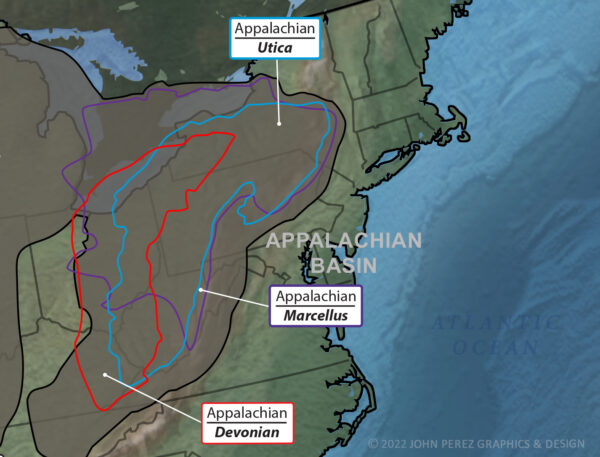
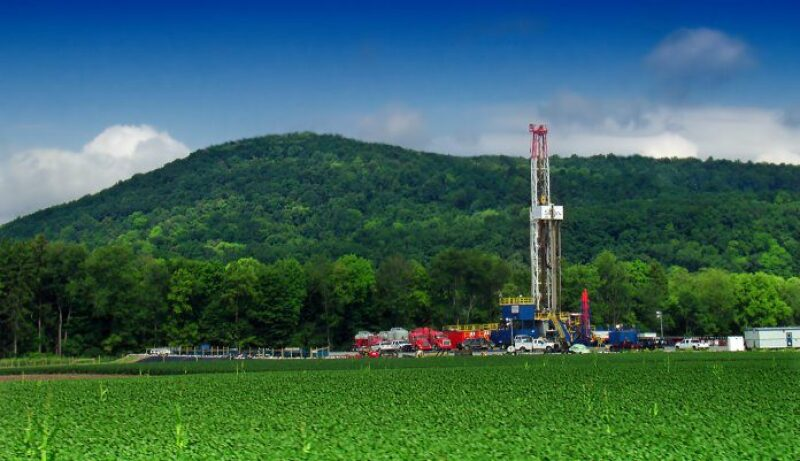
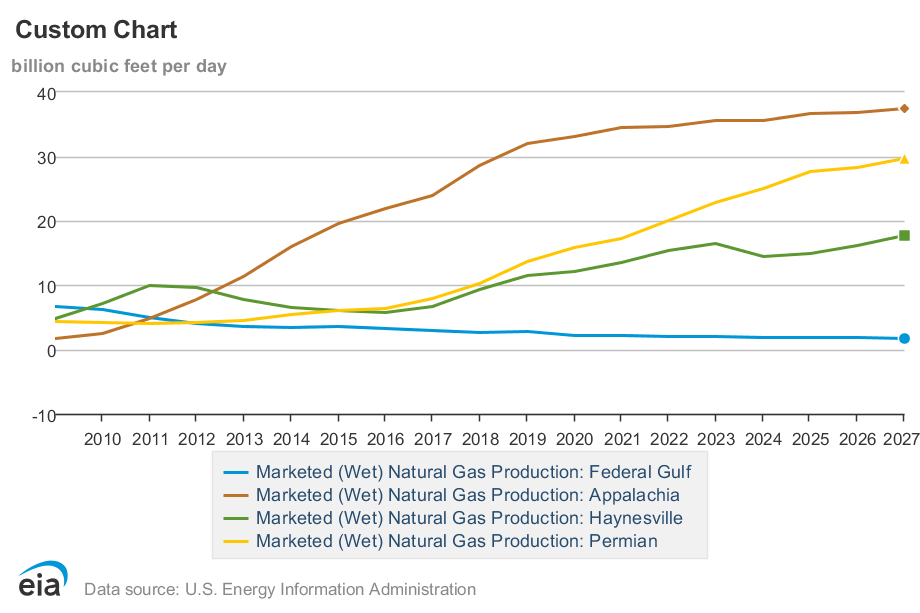
Per EIA data, the Appalachia, Permian, and Haynesville regions accounted for 67% of the total marketed gas production in the US in 2025 and 81% of the growth last year.
In 2025, more natural gas was produced in the Appalachia region of the Northeast than in any other US region, accounting for 31% of marketed natural gas production. (See the chart below.) Were it not for pipeline capacity limitations, recent growth in Appalachia production would have been greater.
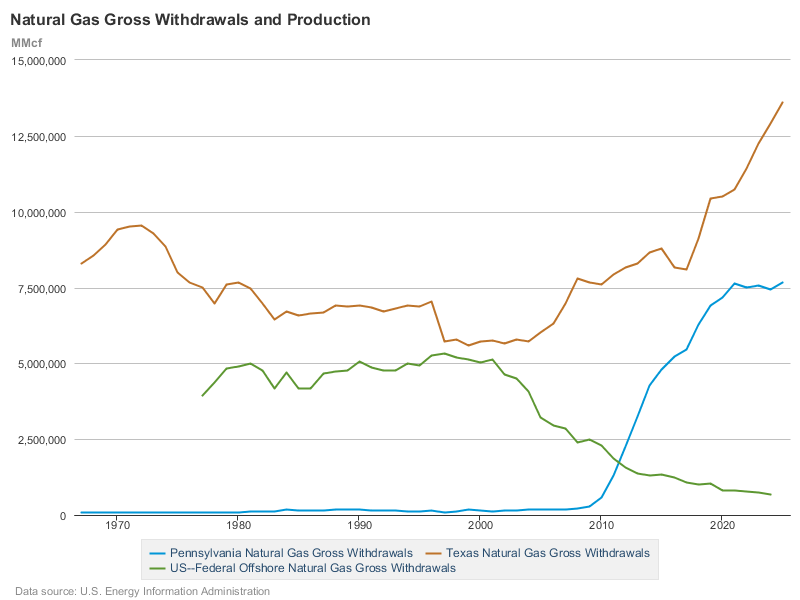
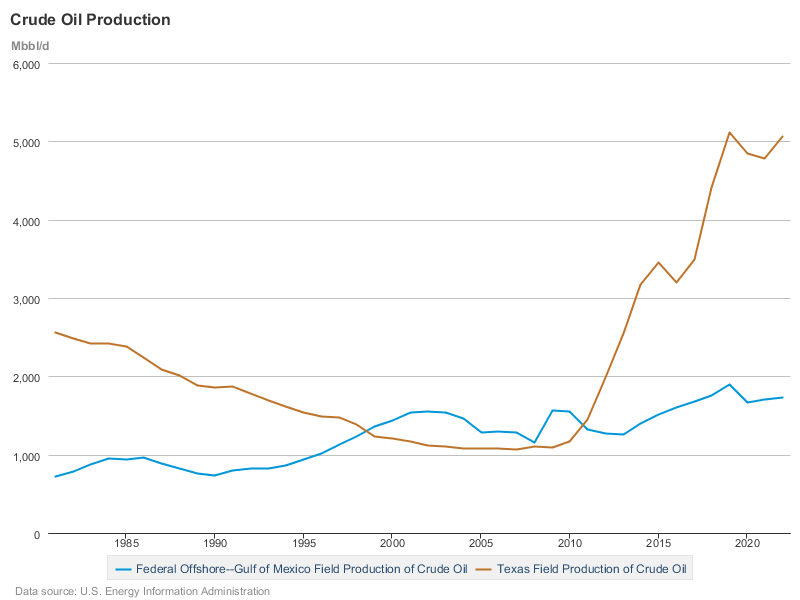
OCS gas production, 80% of which is now associated gas from deepwater oil wells, continues to lag the shale basins. This is a big change from 25 years ago when the OCS produced more gas than any state but Texas. (See the chart below.) Interest in ultradeep (subsurface) OCS shelf gas prospects remains scant despite favorable demand forecasts and technological advances.
.
Meanwhile, New York continues to block development of the State’s ample shale gas resources. foregoing the economic and environmental benefits.

 Shale gas is important to the economic future of states like Pennsylvania. However, there are legitimate public concerns about environmental issues including the potential for contaminating freshwater supplies. Significant impacts are preventable with prudent operating practices and effective regulatory programs. So what directive does the responsible State agency issue to its inspectors?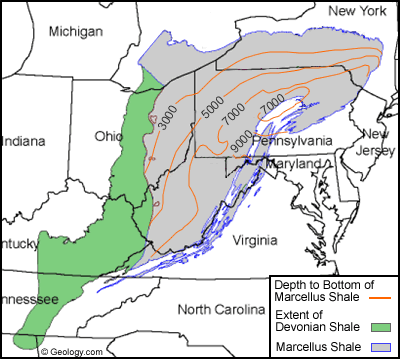
 Bud's Offshore Energy (BOE)