The President of Guyana, Irfaan Ali puts the BBC’s Stephen Sackur firmly in his place over his questions regarding Guyana’s policies on climate change & net zero. pic.twitter.com/irvtltPWyQ
— James Melville 🚜 (@JamesMelville) January 1, 2026
Posts Tagged ‘Guyana’
Guyana’s President slams smug BBC reporter 😁
Posted in climate, Guyana, tagged BBC, climate change, Guyana, Irfan Ali on January 1, 2026| 2 Comments »
As expected, the ICC arbitration panel ruled in Chevron’s favor in the Stabroek case
Posted in Guyana, Offshore Energy - General, tagged arbitration, Chevron, CNOOC, Exxon, Guyana, Hess, Stabroek on July 19, 2025| Leave a Comment »
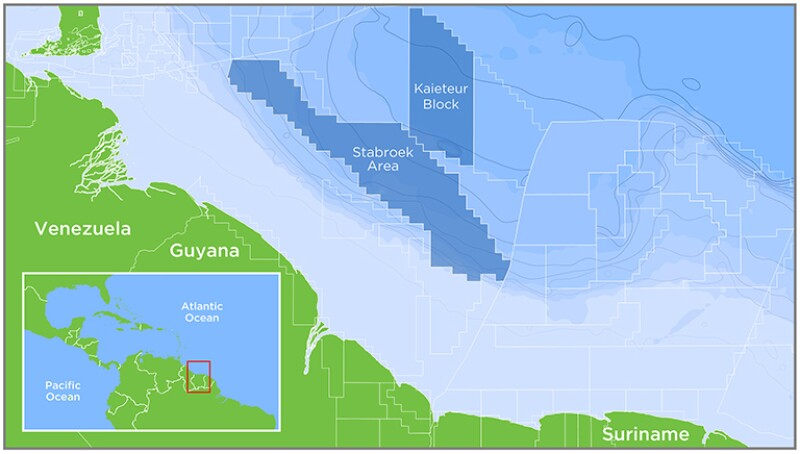
As posted in January, most analysts predicted that Chevron and Hess would prevail. Now that the arbitration panel has ruled, Chevron’s acquisition of Hess can be completed.
The position of Exxon and its partner, Chinese govt owned CNOOC, never made much sense given that Chevron was not buying the Stabroek share, they were buying the company that holds that share.
The CNOOC position was rather hypocritical given that they acquired their share of Stabroek by buying Nexen, the company that owned it.
Not much attention has been paid to the importance of Chevron’s acquisition of Hess’s Gulf of America assets. The combined company will be the 3rd largest GoM oil producer (behind Shell and bp) and the second largest gas producer (behind only Shell). Hess acquired 20 GoA leases in Sale 261, ranking first in total high bids ($88 million) among all participants.
Comments on the operator responsibility and unlimited liability provisions of Guyana’s Oil Spill Bill
Posted in Guyana, oil spill response, Regulation, well control incidents, tagged Guyana, indemnification, Oil Spill Bill, OPA 90, operator responsibility, OPPR, unlimited liability on June 6, 2025| Leave a Comment »
Guyana’s Oil Spill Bill (attached) has much in common with the Oil Pollution Act of 1990 that we implemented for US offshore faciities and the International Convention on Oil Pollution Preparedness, Response and Co-operation that I attended in 1990. A couple of issues warrant highlighting:
Operator/licensee responsibility:The definitions correctly establish the operator or license holder as the responsible party. This means that in the event of a well blowout while drilling from a mobile drilling unit, the licensee/operator would be the responsible party. This aligns with the “operator responsibility” mantra that is fundamental to the US offshore program. Drilling and other contractors are managed by the operator and are the operator’s responsibility.
Unlimited liability: The liability section (Part VI) establishes an unlimited liability standard for the responsible party. As previously discussed in more detail, this is a daunting, open-ended obligation that would trouble permittees in any industry. The unlimited liability provision could preclude responsible independent operators, including Guyanese companies, from seeking licenses.
The unlimited liability standard (par. 17) is qualified with a provision (pasted below) that also favors major international companies.

The unlimited liability provision therefore does not seem to apply to parent companies idemnifying a project. This was a point of contention during the parliamentary debate. The Kaieteur News delves into the issue and is not entirely convinced by the Government’s defense. Their article closes as follows:
It is important to note that stakeholders have argued that since ExxonMobil Guyana Limited (the responsible party) does not have adequate assets, the burden of oil spill-related costs could be left on Guyana, especially in the absence of unlimited coverage from the parent company. These and other “flaws” have prompted Guyanese to urge President Irfaan Ali not to assent to the Bill, passed in the National Assembly on May 16, 2025. Be that as it may, the Ministry maintained that the “robust statutory framework now established protects Guyana and its people.”
Stabroek arbitration hearings conclude; both sides confident
Posted in Guyana, Offshore Energy - General, tagged arbitration, Chevron, Exxon, Guyana, Hess, Stabroek on May 30, 2025| Leave a Comment »
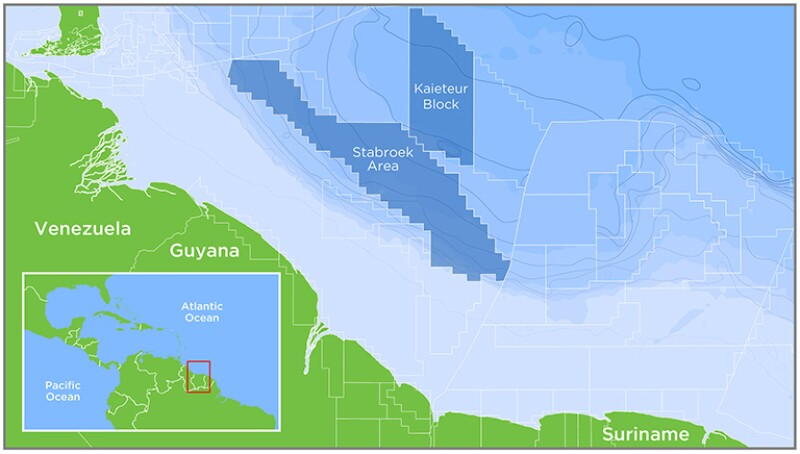
Exxon senior vice president Neil Chapman said he was confident that a three-member arbitration panel would rule in Exxon’s favor and determine it had a right-of-first-refusal to purchase Hess’ stake in a Guyana oil joint venture operated by Exxon.
Hess: “We remain confident that the arbitration will confirm the Stabroek right of first refusal does not apply to the merger.”
A ruling is expected in 2-3 months.
Stabroek super-major showdown – who ya’ got? Chutzpah award for CNOOC?
Posted in energy policy, Guyana, Offshore Energy - General, tagged arbitration, Chevron, CNOOC, Exxon, Guyana, International Chamber of Commerce, Stabroek on May 8, 2025| Leave a Comment »
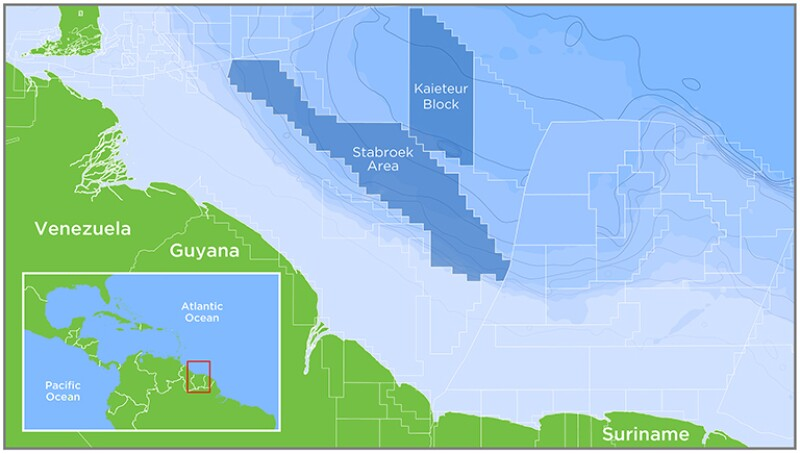
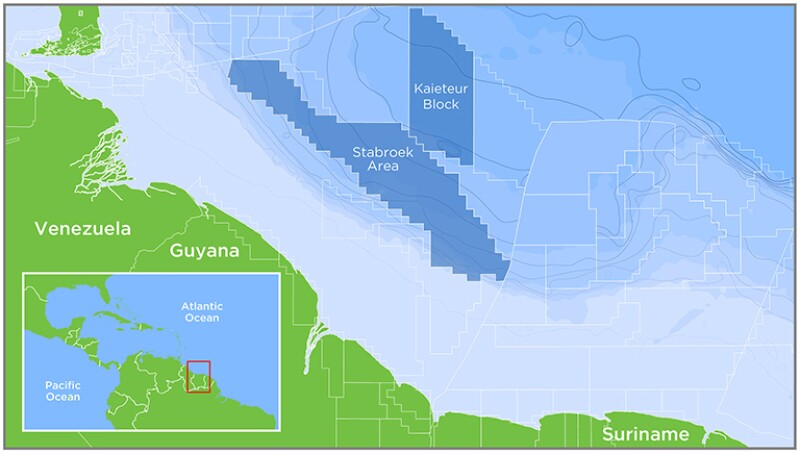
On May 26 in London a three-judge International Chamber of Commerce panel will finally begin considering the Exxon claim that the Stabroek joint operating agreement grants them the right-of-first-refusal in Chevron’s acquisition of Hess’s 30% share of the massive field (>11 billion boe) offshore Guyana.
Exxon’s position claim seems weak to most analysts given that Chevron is not buying the Stabroek share; they are buying the company (Hess) that holds that share.
Exxon’s rather unlikely ally in this case is state-owned China National Offshore Oil Corp. How did CNOOC get a stake in Stabroek and why is their position on the Hess acquisition hypocritical?
CNOOC became a 25% Stabroek partner by acquiring Canadian Nexen in 2013. Their Nexen acquisition, which included Canadian, US, and international assets, was only reluctantly approved by the Canadian and U.S. governments, and probably would not be approved today.
CNOOC’s Stabroek acquisition is thus very similar to Chevron’s. In both cases, the entire company, not just the Stabroek asset, was acquired.
The Stabroek acquisition has proven to be most fortuitous for CNOOC, not only because of the oil and gas resources, but also through the deepwater development expertise that has been gained. Now CNOOC is trying to further leverage their Stabroek position by joining Exxon in challenging the Chevron acquisition.
It would be great if the arbitration proceedings were streamed, but that will not be the case. It also appears unlikely that media will be allowed to attend or that transcripts will be made available.
As previously noted, I would have liked the Guyanese government to be more assertive in this dispute. Stabroek is Guyana’s offshore gem, their most important economic asset. This lengthy dispute has to affect partner teamwork and communication. From safety, environmental, and production standpoints, do you want feuding partners managing such an important national asset?
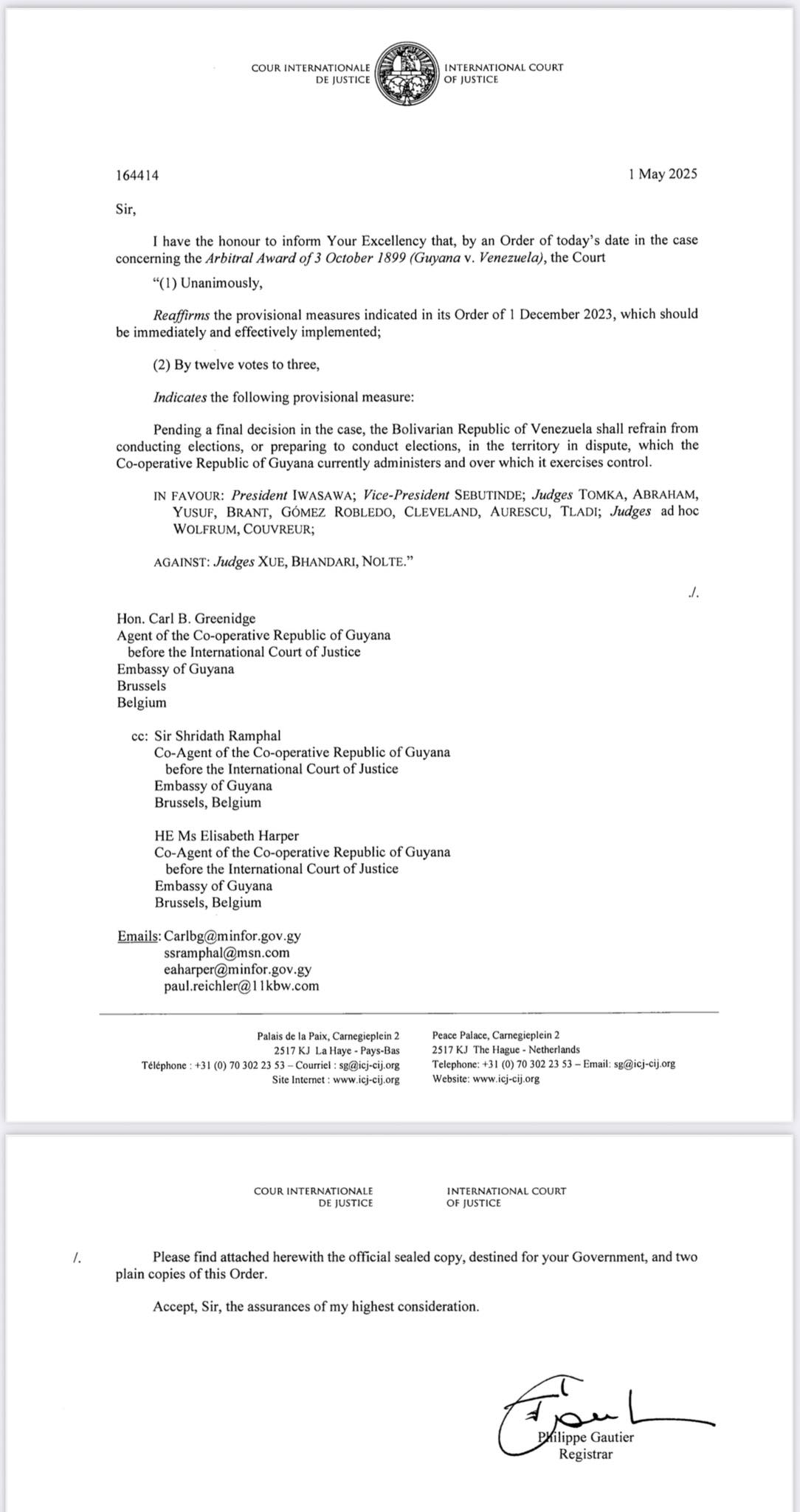
Preliminary International Court of Justice decision favors Guyana
Posted in Guyana, Offshore Energy - General, tagged elections, Guyana, International Court of Justice, territory dispute, venezuela on May 1, 2025| Leave a Comment »
Pending a final decision in the Guyana-Venezuela dispute, the Court ordered Venezuela to refrain from conducting elections or preparing to conduct elections in the disputed territory administered by Guyana.
The outcome of this case has major implications for oil and gas development offshore Guyana.
Tension offshore Guyana
Posted in Guyana, Offshore Energy - General, tagged boundary dispute, Exxon, Guyana, incursion into EEZ, Navy vessel, Prosperity FPSO, US DOS, venezuela on March 1, 2025| Leave a Comment »
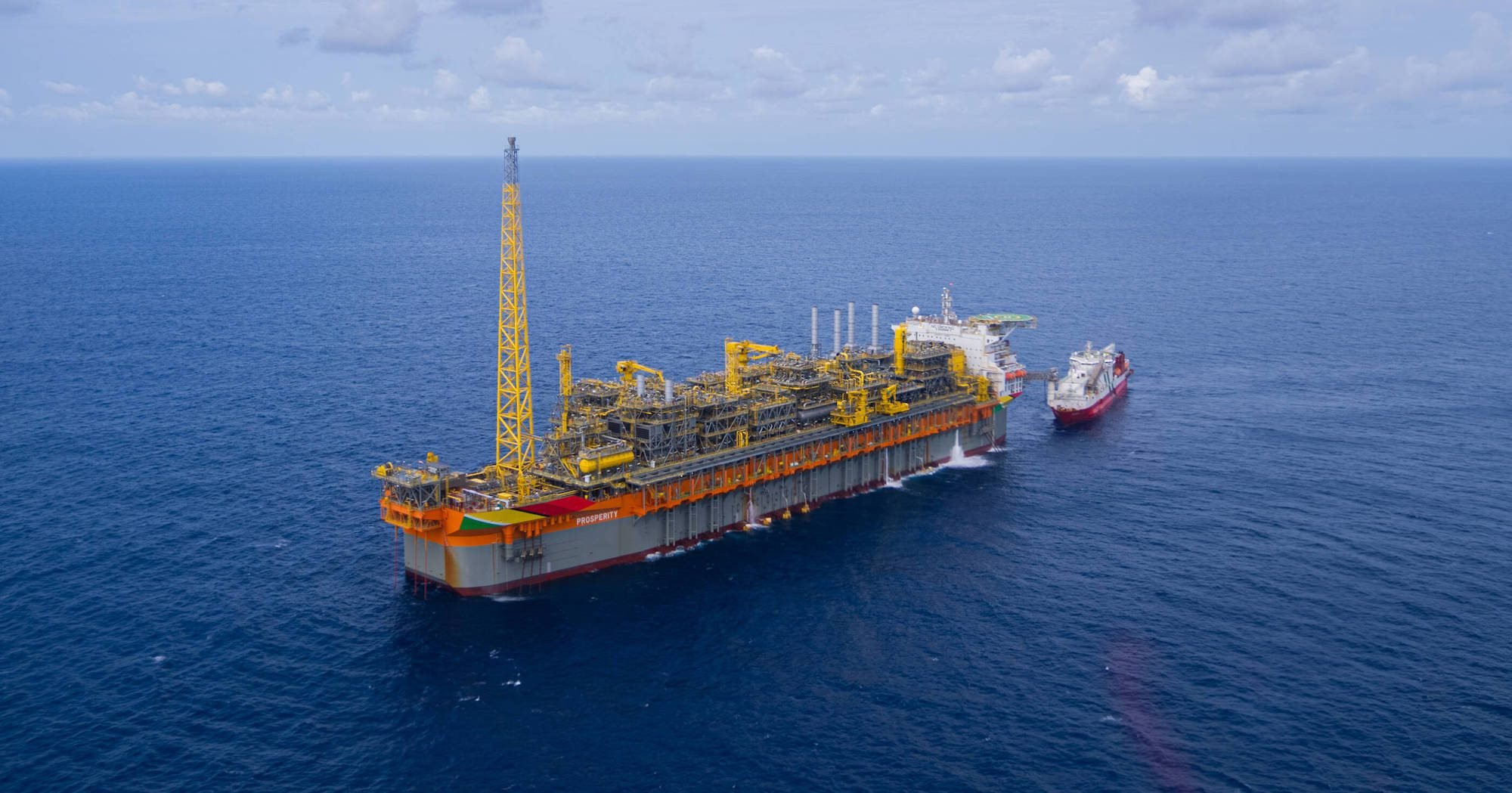
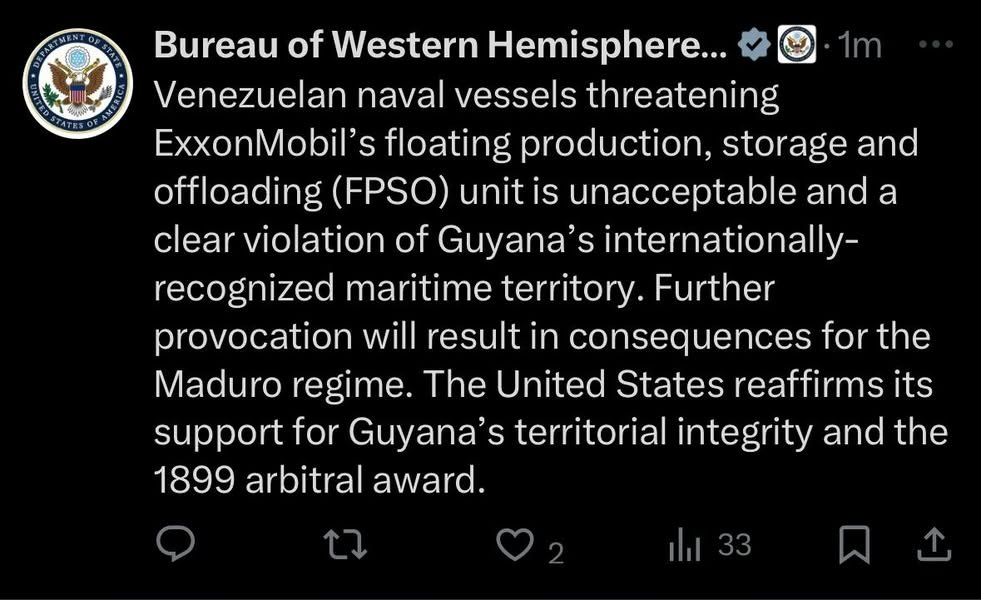
- A Venezuelan navy vessel approached Exxon’s Prosperity FPSO and other assets in Guyana’s EEZ
- The vessel transmitted a radio message declaring that the FPSO was operating in disputed international waters
- Recently, Guyanese soldiers were attacked by alleged members of a Venezuelan gang. (Sound familiar?)
- More on the Guyana-Venezuela dispute
- Prompt and forceful response from the US State Dept. (below)
Stunning picture taken offshore Guyana
Posted in drilling, Guyana, Offshore Energy - General, tagged Guyana, OilNow, Stena Carron, Stena Drillmax on January 15, 2025| Leave a Comment »
Below is a nice shot of the Stena Carron seen from the Stena DrillMAX offshore Guyana. The DrillMAX returned to Guyana after drilling the high potential Persephone well in the Orphan Basin offshore Newfoundland. Unfortunately, the Orphan Basin well failed to discover commercial hydrocarbons.

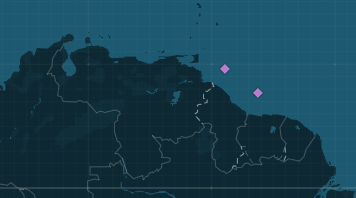
StenaDrilling shows the current locations of the 2 drillships. The DrillMAX is northwest of the Carron.
Goldman Sachs: Investors see Chevron and Hess prevailing in Stabroek dispute
Posted in Guyana, Offshore Energy - General, tagged arbitration, Chevron, dispute, Exxon, Guyana, Hess, ICC, Nexen, Stabroek on January 15, 2025| Leave a Comment »
“Most investors see Chevron and Hess emerging as victors in the case, Goldman analyst Neil Mehta said in an interview.”
This is consistent with the opinion previously expressed on this blog. How does a partner in a single Hess asset prevent Chevron from acquiring the entire company?
Chevron is not buying the Stabroek share; they are buying the company that holds that share. Hess is to be part of Chevron and there would be no change of control from the standpoint of the partnership.
As an offshore operator, Exxon has been highly responsible from a safety standpoint. However, the company is not reluctant to stretch the envelope when it comes to contract rights. The most recent example was their acquisition of 163 GoM oil and gas leases for carbon disposal purposes, contrary to the terms of the sale notice and lease contracts.
Interestingly, Exxon’s partner in this dispute is state-owned China National Offshore Oil Corporation. CNOOC acquired their 25% Stabroek share when they purchased Nexen, a Canadian company (sound familiar?). Both the Canadian and US governments had reservations about this acquisition and nearly nixed the deal. Would either government bless that acquisition today?
An International Chamber of Commerce arbitration panel will hear the Stabroek case in May 2025, and the final decision is expected by September 2025.
Cool story!
Posted in Guyana, Offshore Energy - General, Uncategorized, tagged Guyana, Koaita Grant, oil and gas, photography on August 22, 2024| Leave a Comment »

From Oil Now Guyana:
“In the evolving landscape of Guyana’s oil and gas industry, few have managed to carve out a niche quite like Koaito Grant. A name synonymous with corporate photography, Grant’s journey from discovering his passion for capturing moments to becoming a sought-after photographer within the oil and gas sector is as inspiring as it is instructive.“
So true: “It’s the best feeling when a client reaches out and says you were very highly recommended by this or that person.” His professionalism and work ethic have been key differentiators. “I have a client that always asked if I was Guyanese because I’m always early for all projects and activities.”👍 💯
 Bud's Offshore Energy (BOE)