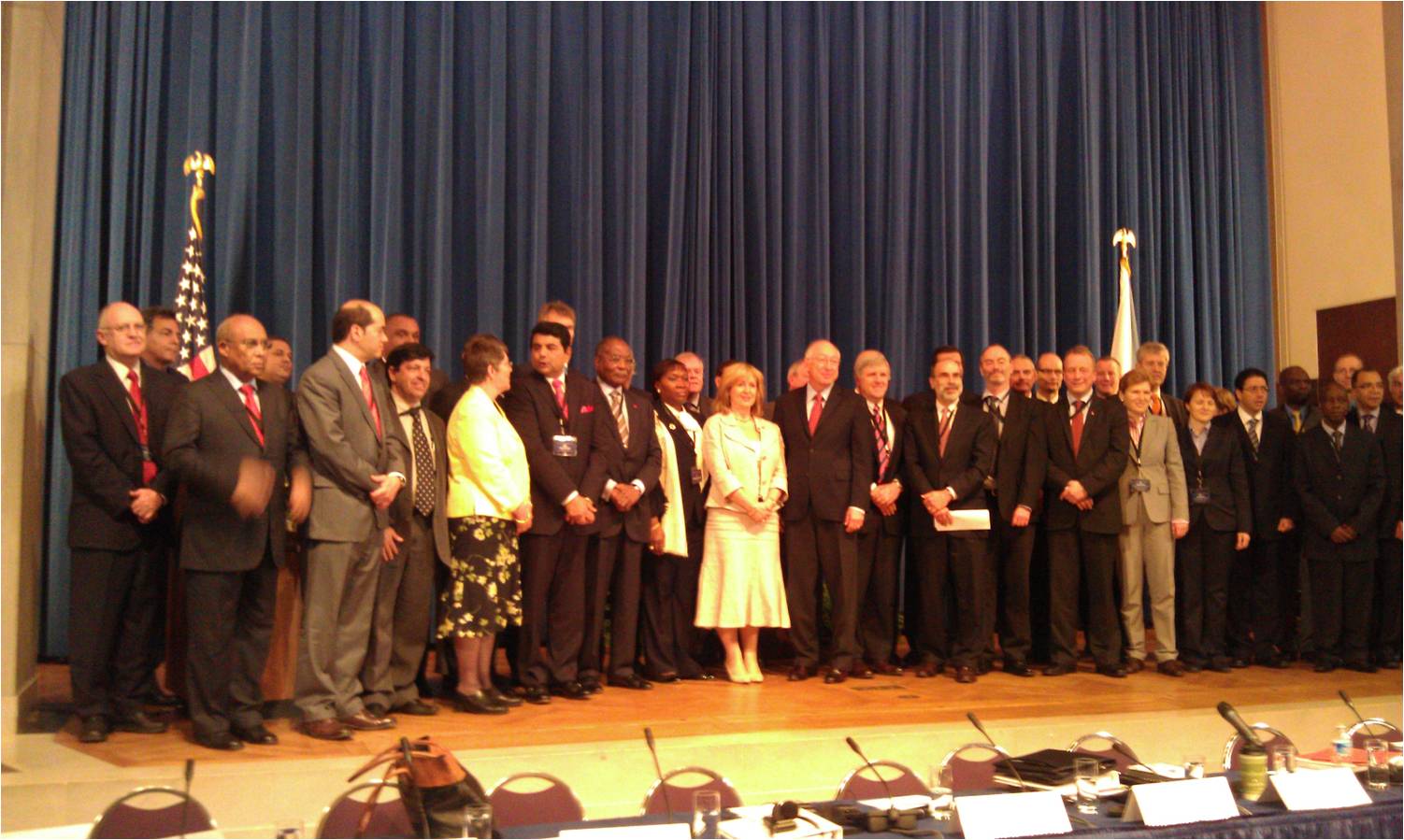
International Guests
- The conference was nicely organized by the folks in the Department of the Interior and BOEMRE
- Angola, Australia, Brazil, Canada, India, Mexico, Netherlands, Norway, the United Kingdom, Russia, and the US were represented. The European Union also participated.
- Brazil was represented by two Petrobras managers, rather than governmental officials. This raised some eyebrows.
- Australia formally announced yet another offshore regulators’ conference, the International Offshore Petroleum Regulators and Operators Summit in Perth (10-11 August). Do we need better coordination of the coordination conferences? Isn’t the International Regulators’ Forum (IRF) the best means of managing all of this?
- The need for expanded offshore oil and gas operations was recognized by all participants.
- Malcolm Webb of Oil and Gas UK, announced that UK operators would have a capping capability for subsea wells by the end of the summer. However, no well containment system is planned. This omission, which was attributed to North Sea weather and sea conditions, is surprising. Capping is not an option if well integrity concerns prevent a well from being shut-in, either with the BOP or a cap (if the BOP failed). The absence of a well containment option would seem to be a significant gap in their response capability.
- A working group was formed to consider a new or strengthened international organization for offshore safety and pollution prevention. In my view, the best option would be to enhance existing cooperation mechanisms, most notably the IRF. International cooperation on safety is not a new concept. The IRF, which was mentioned positively by many of the speakers at the Ministerial Forum, has existed since 1994 and has an ongoing international standards effort. A related group, ICRARD, has been coordinating offshore safety research for more than 15 years. Various industry organizations have international programs. ISO has a good system for developing and managing standards. The International Maritime Organization has official committees that address certain offshore safety and pollution issues. Making better use of existing committees and forums would seem to make more sense than starting new ones.
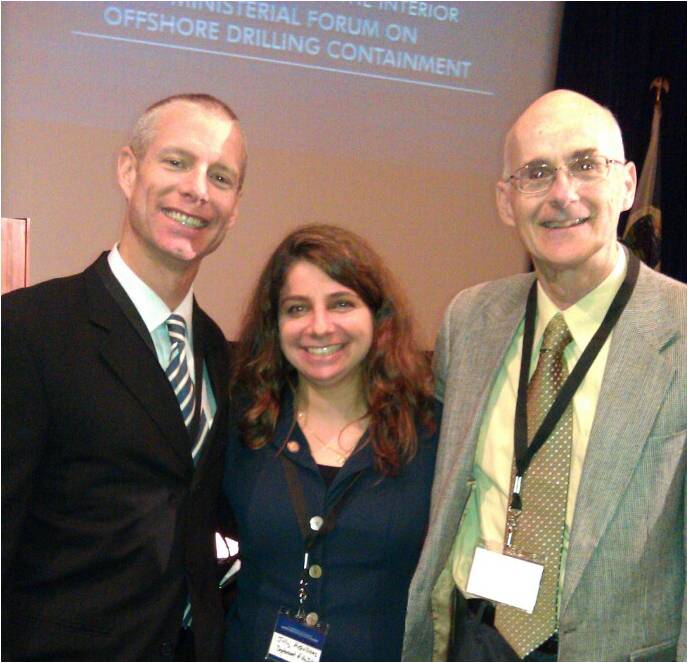
With BOEMRE dynamos - (Kona) Kevin Kunkel and July (Ms. COOL) McQuilliams

 Bud's Offshore Energy (BOE)