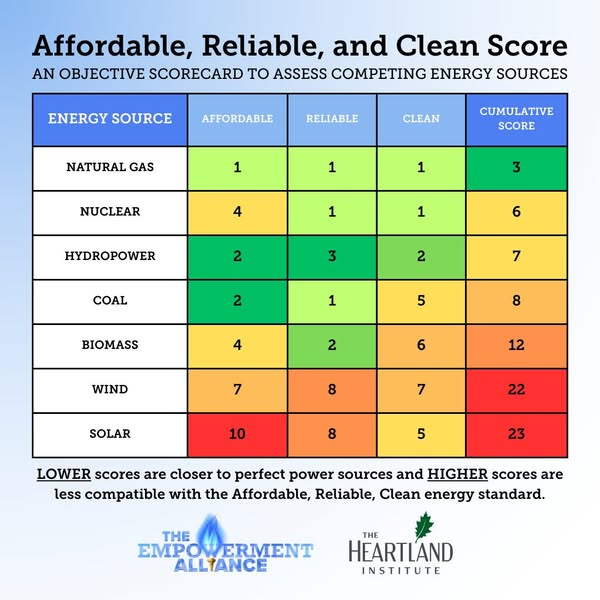
All rankings are suspect, especially those I agree with 😉. The full scoreboard report is attached, so you can judge for yourself.
I was an early advocate for the use of natural gas in improving urban air quality. (I still have the ancient graduate school paper! 😀). This blog has repeatedly saluted natural gas and its compelling economic and environmental benefits.
Although combustion of natural gas emits 30% and 45% less CO2 than oil and coal respectively, the CO2 emissions are still significant. As a result, those who focus solely on greenhouse gases and ignore all other impacts (e.g. other air pollutants like NOx, SO2, and particulates, land use and space preemption, visual effects, and wildlife risks), want to limit the production and use of gas. However, whether or not fossil fuel consumption is significantly affecting the climate, the use for natural gas will be economically and environmentally imperative for the foreseeable future.
Not all natural gas production is equal from an environmental standpoint. Because this is an offshore energy blog, I draw your attention to the unique advantages of offshore gas production: minimal visual impact, bird friendly (rigs-to-roosts!), no risks to freshwater aquifers, and few land use issues.
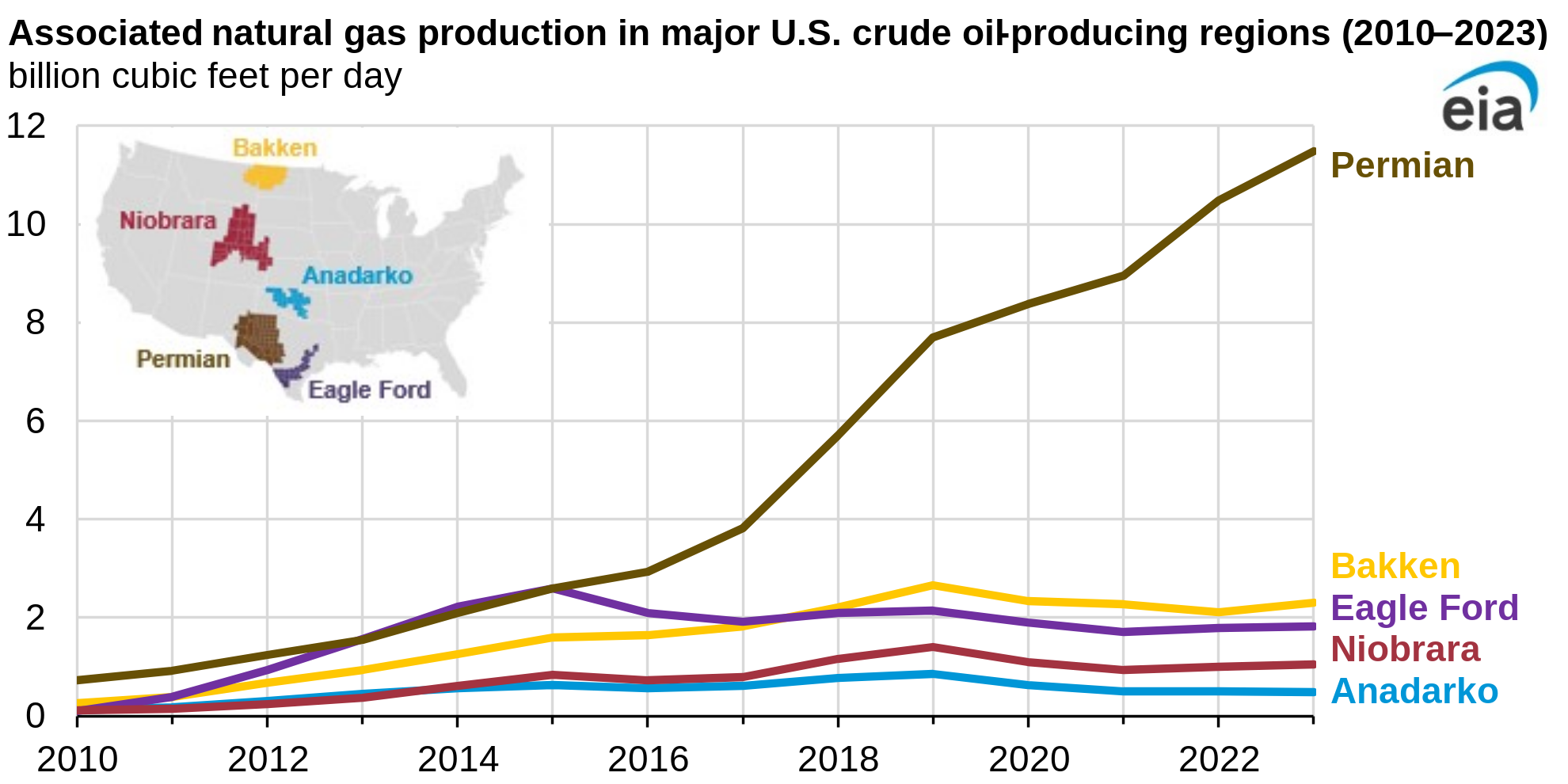
Currently, most offshore gas production is in the form of oil-well gas (AKA associated or casing head gas). Offshore gas production is thus being primarily driven by oil demand, and is an added benefit from deepwater oil development.
Offshore gas-well or non-associated gas is largely the domain of independent operators producing in the shallower waters of the continental shelf. Non-associated gas has an added benefit in that there is little or no spill risk (depending on how dry the gas is). Shelf gas platforms also provide ecosystem benefits through their reef effect (rigs-to-reefs). Sustaining this non-associated gas production is therefore desirable from both energy and environmental standpoints.
 Bud's Offshore Energy (BOE)