ANP (Agência Nacional do Petróleo, Gás Natural e Biocombustíveis) nicely organizes and presents Brazil’s production data. Their 30-page monthly bulletin includes field specific information. The US does not have an equivalent publication.
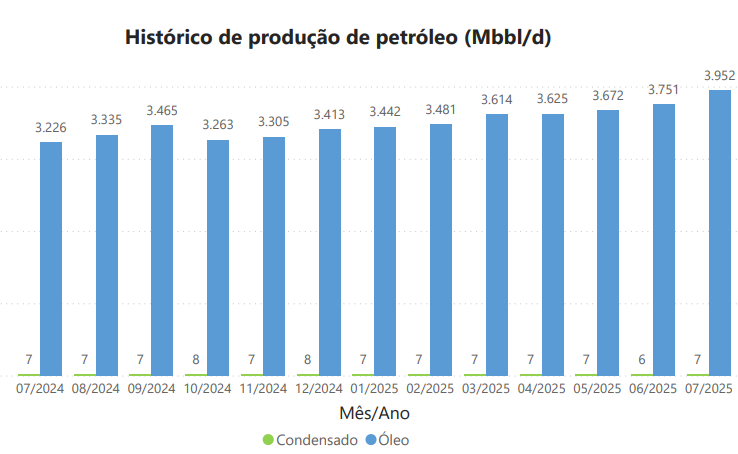
Brazil produced 5.16 million boe/day in July, 97.7% of which was from offshore fields. Oil production was 3.959 million bopd, making Brazil the no. 1 offshore producer. Brazil’s offshore oil production is approximately the equivalent of the combined offshore production of the US and Norway.
How important is Brazil’s offshore sector? Their offshore production is from 568 wells. Assuming all 568 wells were actively producing oil wells (no gas or service wells), the average production rate was ~7000 bopd plus associated gas. More than 10 times as many wells (6033) produced Brazil’s limited onshore production. So <10% of Brazil’s wells (all offshore) account for nearly 98% of their production.
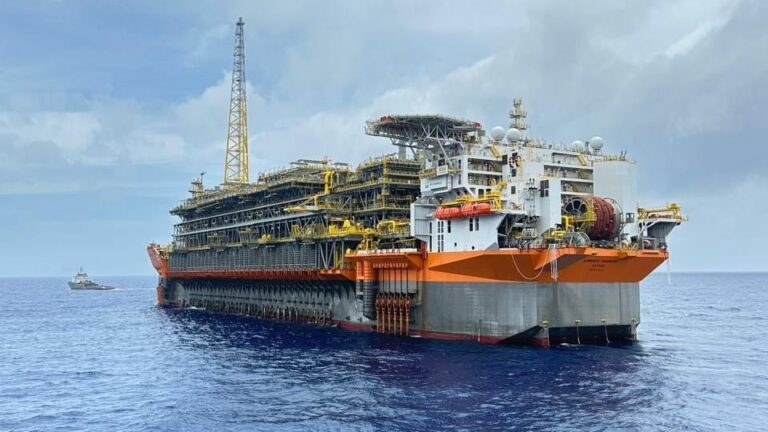
How important is pre-salt exploration and production technology? Pre-salt production (only 169 wells) accounted for 79.1% of the national total of 5.16 million boe/d. This means that pre-salt wells averaged 24,000 boe/d.
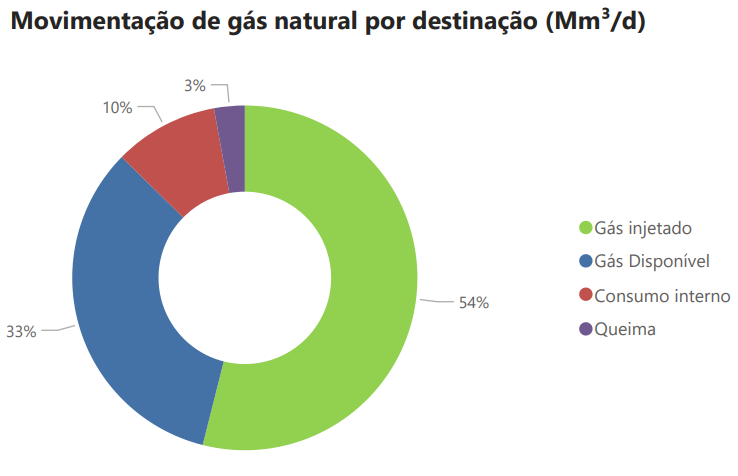
Room for improvement? 2.9% of the produced gas was flared (queima) in July (first chart). Over the past year, Brazil’s flaring volumes ranged from 2.2 to 3.9% of gas production. The fact that nearly all of their gas production is from oil wells, the growth in production (2nd chart), and the higher upset potential (perhaps) for FPSOs, may help explain the relatively high flaring numbers. 1.3% of Gulf of America gas production was flared or vented in 2024 (still too high). <1% flaring rates should be the target for all offshore producers.
 Bud's Offshore Energy (BOE)