“It would seem to me, reading between the lines, that the cockpit crew weren’t confident of the information that was being presented to them on the data displays. Maybe — and it’s only a maybe — they took some action that led to the stall warning, and the plane stalling and then being unable to correct it.”
The above quote from a new article on the Air France crash should sound familiar to BOE readers. At both Montara and Macondo, the evidence of hydrocarbon influxes was clear, but personnel misinterpreted or ignored that information. Was this wishful thinking on their part? Was their training flawed? Lack of sleep? Overstressed? Distracted? These issues need to be carefully studied.
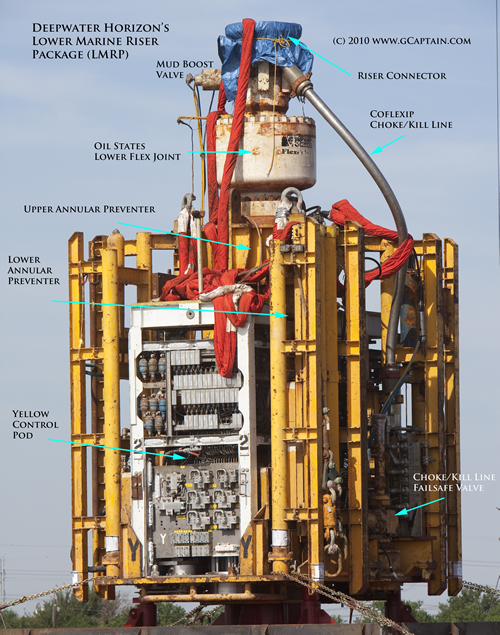
Improving well control preparedness is not simply a matter of modifying stack design. The thought processes and human response tendencies that contribute to well control incidents and other accidents must be fully considered. Monitoring systems must provide timely, accurate, and understandable information, and training programs must teach workers not to rationalize negative signals, but to respond with caution pending further assessment. Trainers must remind students about past disasters and how they could have been prevented.
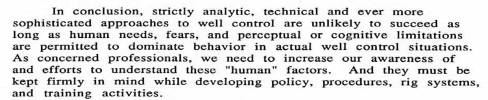
Nearly 20 years after it was written, Paul Sonnemann’s excellent paper on the Psychology of Well Control (excerpt below) is even more relevant today. We need to build upon and apply the lessons.

 Bud's Offshore Energy (BOE)