
Feeds:
Posts
Comments

Archive for the ‘gas’ Category

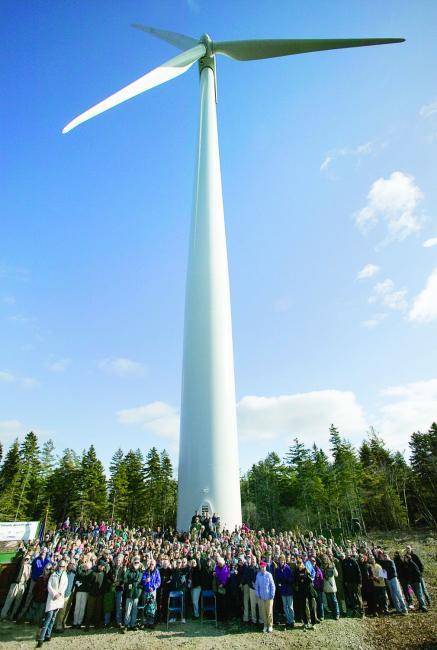
This New York Times article and video discuss the dispute on the island of Vinalhaven, Maine, about the noise associated with the island’s three wind turbines.

Comments:

-Locating wind projects offshore minimizes noise and visual issues, but increases costs and operational complexity.  There are always trade-offs.

-When all environmental impacts are considered, offshore natural gas is tough to beat: minimal visual impacts, none of the freshwater issues that are complicating shale gas development, few land use issues, little or no spill risk (depending how dry the gas is).  The trade-off is CO2 emissions. While combustion of natural gas emits 30% and 45% less CO2 than oil and coal respectively, the CO2 emissions are still significant.

Read Full Post »

While unveiling their “Guiding Principles,” Kathryn Klaber, Executive Director of the Marcellus Shale Coalition, said this:

We’re all in this together. We’re all only as good as whoever had a mistake this morning.

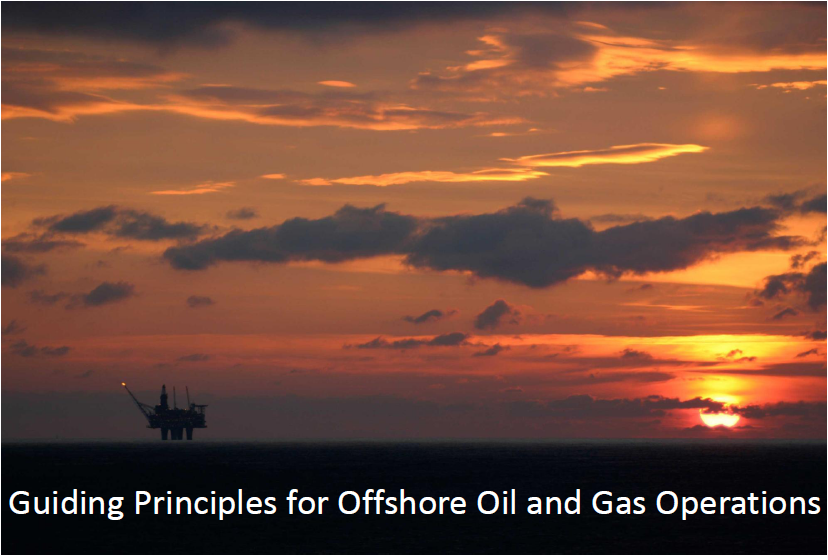
That this statement also applies to offshore oil and gas operations should now be painfully obvious to all.  Each company’s success is dependent upon every other company’s performance, not just in your region, but anywhere in the world.  The offshore industry needs to clearly and succinctly describe its universal commitment to safety and environmental protection.  Sweeping principles that guide all operations should be developed and endorsed by every operator and contractor.  The Marcellus document is a good starting point, but more details may be needed. Commitments to sharing and analyzing verified incident data, participating in standards development, assessing new technology, and sponsoring safety and environmental research should be included. Now is the time to act.  Who will provide the regional and international leadership?

Read Full Post »

Offshore Energy Awakening?

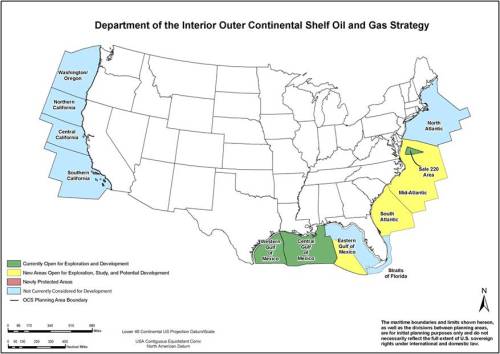
When you wake up after a long nap (in this case 25 years), you don’t just leap out of bed.  You first squint at the light, yawn, flex an arm, stretch your legs, and prepare to rise and actually do something.  The President’s decision to open a small slice of the Atlantic to  exploration and consider new areas in the Atlantic and Eastern Gulf of Mexico in the new 5- Year Program may seem modest, but it demonstrates that the nation is waking up to the importance of our offshore energy resources.  After 25 years of neglect, almost everyone agrees that US energy policy has been an economic and national security disaster.  More and more Americans are also recognizing that denying access to offshore resources is not in the best interest of the environment – regionally, nationally, and globally.

Some political leaders remain in dreamland as evidenced by the large blue areas in the map below.  When you have cried “wolf” about offshore drilling for your entire political career, you either believe what you have been preaching or are concerned about the political implications of changing your position.  However, demonizing offshore energy development is no longer a smart political strategy, and the views of these anti-energy stalwarts may finally be challenged, even in their own states and districts.

We operations, safety, pollution prevention, and regulatory professionals have to hold up our end.  Safety disasters or pollution spectaculars are not acceptable.  We need to examine our programs, operations, and incidents openly and honestly, and anticipate what might go wrong.  When an accident occurs, we need to learn what happened and why, and make sure it doesn’t happen again – anywhere in the world.
Read Full Post »
The Florida Legislature may soon decide whether to lift the 20 year ban on oil and gas exploration and production in State waters.

As part of  the review process, the State has prepared a list of questions on the management and regulation of offshore oil and gas resources.   Responses to these questions will help define the general terms of the regulatory regime that the State would follow if the ban is lifted.

The State is inviting input on any or all of the questions.  Please email your responses to adam.blalock@myfloridahouse.gov by the close of business on Monday, March 15.  Response should be limited to no more than 500 words per question.

Read Full Post »

The case for increasing production offshore California is relatively straightforward:

  1. The oil is there and production could be increased relatively quickly.
  2. Because of existing infrastructure and advances in extended reach drilling technology, additional offshore facility needs would be minimal.
  3. The safety and environmental record, while not perfect, has been exceptional.  (Opponents and supporters of California offshore production should fully agree on one point: We must never forget the 1969 blowout, and must challenge operating practices that make these type of incidents possible.)
  4. An effective regulatory regime is in place.
  5. Both the State and Federal governments need the revenue.
  6. Importing 50+% of our petroleum is detrimental to our economy and has significant national security implications.
  7. 25 years of offshore leasing moratoria demonstrated that you don’t reduce domestic consumption by restricting domestic production.
  8. Because of common infrastructure and support service needs, offshore oil and gas operations are complementary to (and may accelerate) wind and hydrokinetic energy development.

Read Full Post »

« Newer Posts