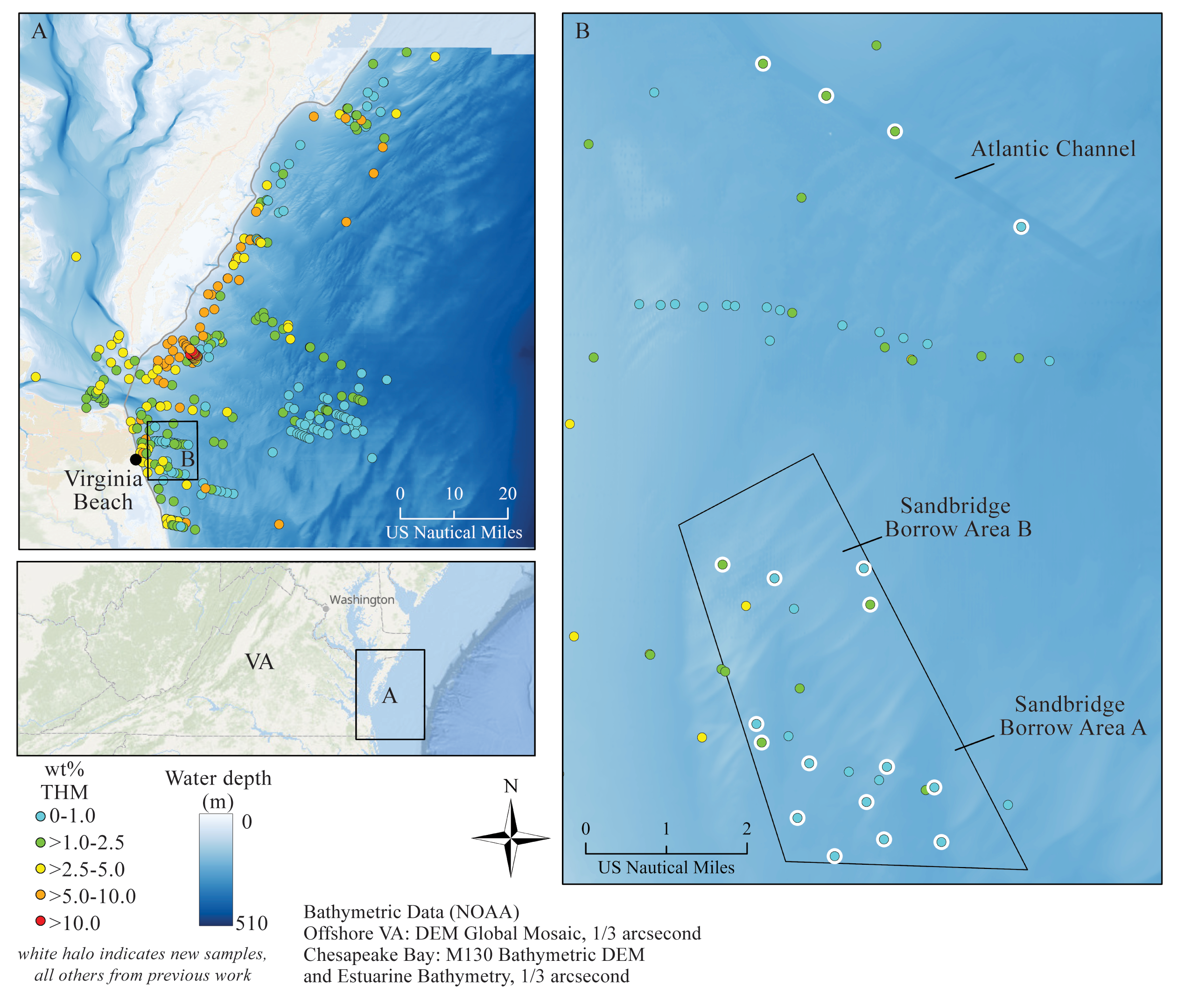
Heavy mineral geodatabase showing marine samples offshore of Virginia. A: 620 samples with heavy mineral data from previous projects, symbol colors determined by the percent of total heavy minerals (THM) obtained through gravity spiral separation methods. B: M21AC00010 samples (indicated with white halo) from Sandbridge Shoal and Atlantic Channel vibracores for THM and mineralogical analyses.
Odyssey’s primary targets are phosphate, which is now on the critical minerals list, and rare earth element’s titanium and zirconium. This would be a shelf dredging operation, in partnership with Great Lakes Dredge & Dock Company, rather than the deepwater module collection being proposed for the Pacific.
The fact that the sand recovered during the dredging process could be used for beach nourishment should appeal to adjacent coastal communities.
Odyssey Marine’s CEO discusses the proposed Virginia offshore program starting at the 4:00 minute mark in the video below.
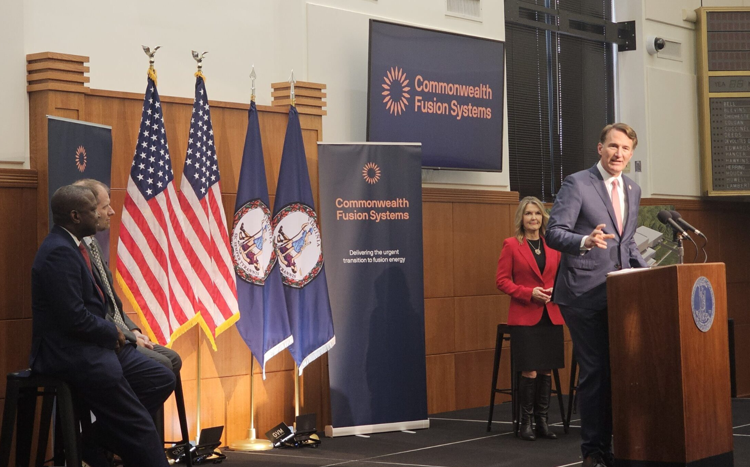
Commonwealth Fusion Systems (CFS) will independently finance, build, own, and operate a grid-scale fusion power plant in Chesterfield County, Virginia.
Dominion Energy will provide non-financial collaboration, including development and technical expertise as well as leasing rights for the proposed site.
This pioneering plant will generate 400 MW of continuous energy on 25 acres (total site is 100 acres). By comparison, Dominion Energy’s offshore wind project, which will include 176 turbines and 3 offshore substations, will intermittently produce (on average) 1092 MW (2600 MW x 0.42 capacity factor).
Gov. Youngkin emphasized that the project will be financed entirely by CFS, with no costs passed on to Dominion Energy ratepayers. (Good news for us Dominion Energy customers! 😀)
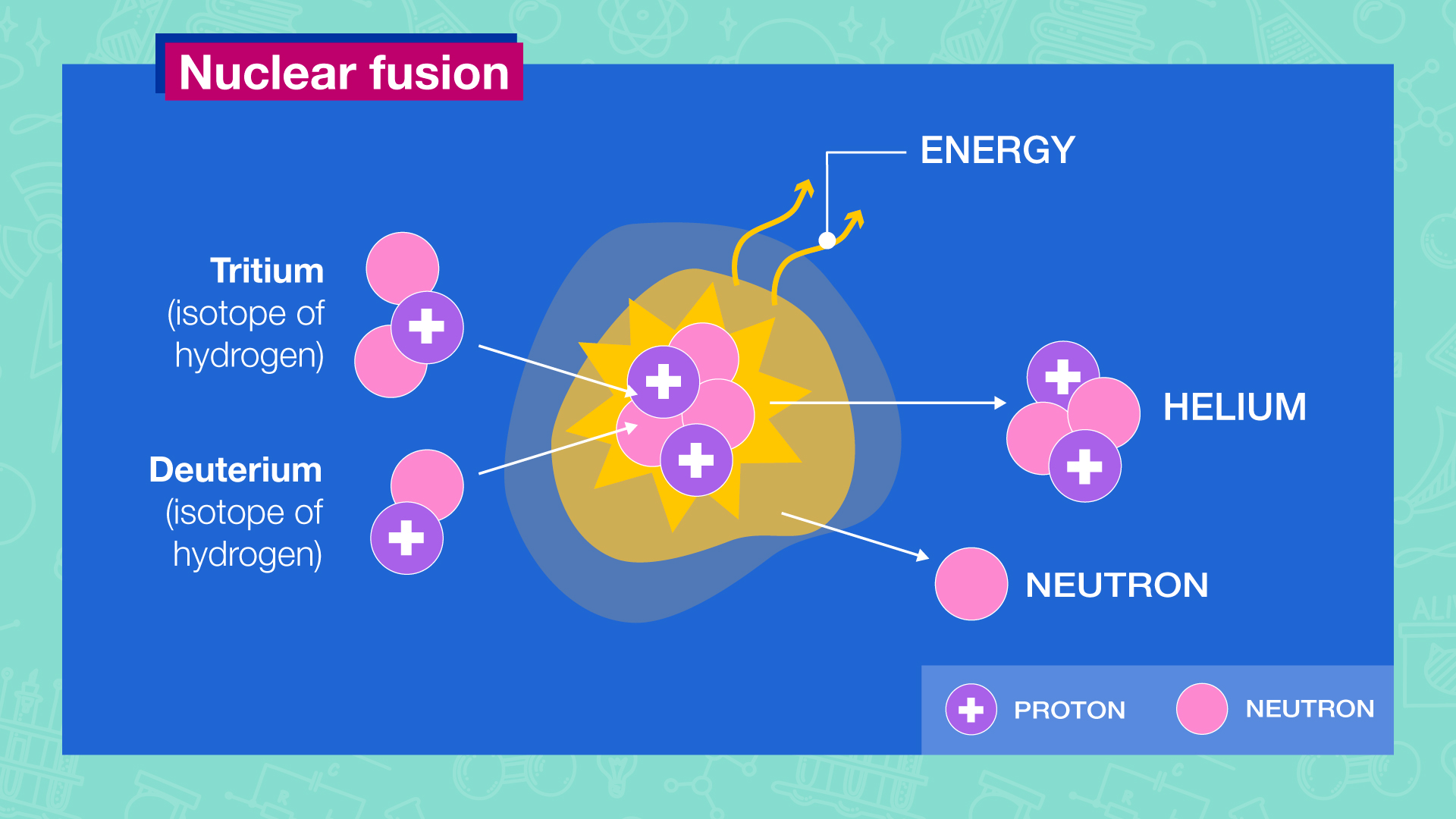
Fusion technology works by combining hydrogen isotopes — deuterium extracted from water and tritium from lithium — under extreme heat and pressure, using powerful magnets to fuse the elements. The process generates heat, which boils water to create steam that spins a turbine, producing electricity. The byproduct is helium.
Why BOE, and most everyone else, likes nuclear fusion:
Clean and sustainable power source.
Unlike traditional nuclear power plants that rely on fission, fusion replicates the energy-producing process of the sun.
Modest space requirements.
Generates four times more energy per kilogram of fuel than fission and nearly four million times more energy than burning oil or coal.
No radioactive waste
Safe energy source; no risk of a meltdown event
Nuclear Regulatory Commission has determined that fusion technology, unlike fission, does not require a federal license.
The implications of advanced nuclear technology, not only the holy grail of fusion energy, but also modular fission reactors, for intermittent wind and solar power are substantial.Ultradeep geothermalis on a similar timeframe, and could also supersede wind and solar.
The logic behind costly offshore wind projects is therefore questionable, and the regulators better make sure that the decommissioning of these facilities is fully funded. The most likely long-term scenario is for natural gas to continue meeting most power generation needs as the nuclear and ultradeep geothermal alternatives are phased in.
More about fusion. Most of you can start at Level 3. 😉
The Commonwealth of Virginia, home of BOE headquarters, continues to provide national leadership on energy issues, most notably offshore oil and gas exploration. The Governor (Republican), both US Senators (Democrats), and both candidates for the US Senate support offshore leasing.
“Opening up and expanding Virginia’s offshore resources to responsible natural gas and oil exploration holds significant promise for boosting needed domestic energy production while bolstering the commonwealth’s economy.” Quote from Senator Jim Webb in the Richmond Times Dispatch
 Bud's Offshore Energy (BOE)