Conceptually, this technologically advanced polymetallic nodules collection system looks great. The big challenge that John Smith sees is with the number of moving parts. The numerous manipulators operating at such depths could be prone to breakdowns which reduce recovery rates and significantly increase operating costs.
Posts Tagged ‘polymetallic nodules’
Time to move ahead with responsible deep sea mining (i.e. nodule gathering)
Posted in deep sea mining, energy policy, tagged deep sea mining, land vs. deep sea impacts, Mars Lewis, monitoring, oversight, polymetallic nodules on May 12, 2025| Leave a Comment »

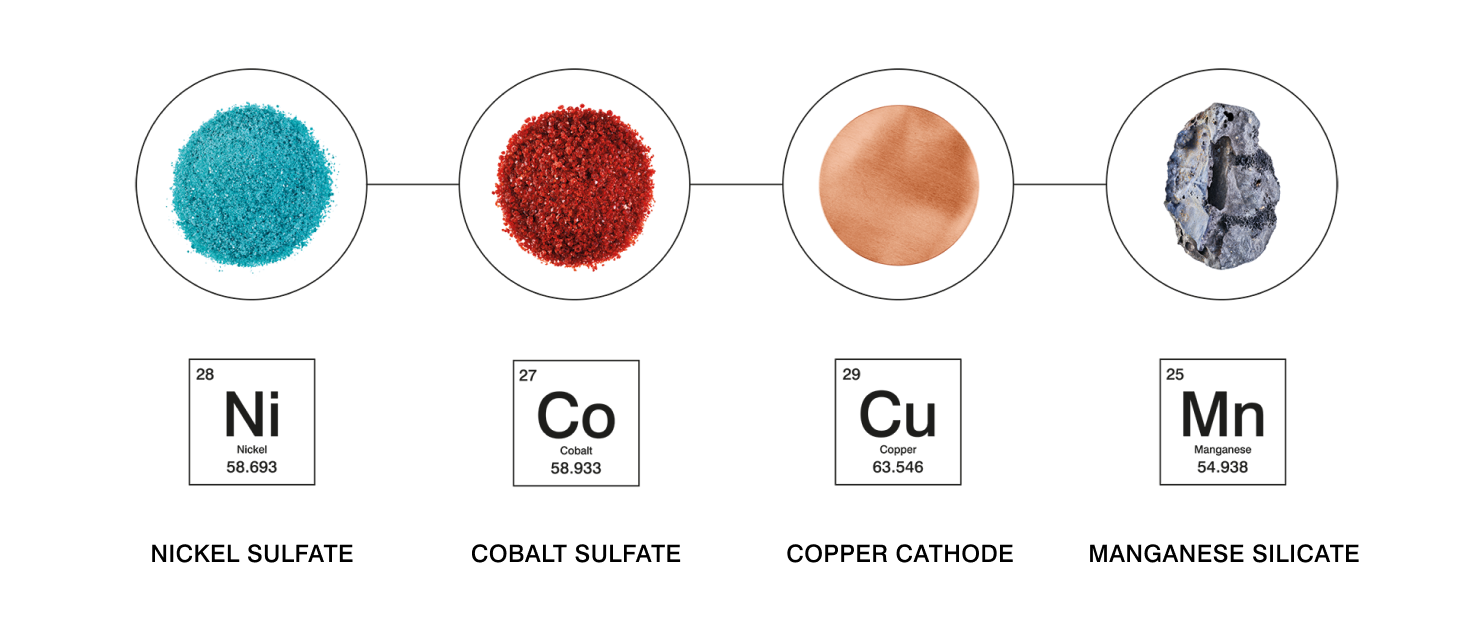
One nodule contains high grades of four key metals, meaning that four times less ore needs to be processed to obtain the same amount of metal. Nodules also contain no toxic levels of heavy elements, and the entirety of a nodule can be used, making near-zero-solid-waste production possible. Because nodules sit unattached on top of the seafloor, they will not require drilling or blasting for retrieval.
It’s time to move ahead with deep sea mining in both international and US territorial waters. As we did for frontier exploratory oil and gas drilling in Alaska and the Atlantic, I recommend comprehensive oversight including full time onboard inspectors during the initial operations and a carefully designed environmental monitoring program.
This deep sea mining commentary by Mars Lewis was brought to my attention by John Smith. Good read:
🇺🇸🚢 ⛏️ We’re witnessing a wave of glorified pseudoscience and fantasy activism around the ocean floor—this idea that the deep sea is some mystical sanctuary of life and that any attempt to extract resources from it is an unforgivable sin against Gaia. Spare me.
The bottom of the ocean is not the Garden of Eden. It’s a black, silent, high-pressure wasteland—largely lifeless, uninhabitable, and filled with the very minerals we need to break free from Chinese supply chain domination. You want a clean energy future? Then stop whining about the only scalable path to get there.
China has already begun strip-mining the ocean floor without asking for your permission. They don’t care about the blobfish or the bacteria colonies around volcanic vents. They care about winning. And every time we moralize ourselves into inaction, we gift them another geopolitical advantage wrapped in Western guilt.
Let’s cut the delusion. There is no future where America stays on top without securing its own critical minerals. Recycling won’t save us. Wind and solar need metals. Batteries need rare earths. Data centers need semiconductors. And semiconductors need the materials sitting at the bottom of the ocean.
You don’t get to demand green tech, reject land mining, block seabed access, and still pretend you’re “saving the planet.” That’s not leadership. That’s learned helplessness.
So yes, I support Trump’s executive action. Because someone has to make the grown-up decision. Either we lead this resource race with responsibility and strength—or we watch tyrants carve up the planet while we post crying-face emojis and argue about what’s sacred 10,000 feet below sea level.
Let the race for the bottom begin. 🇺🇸🚢
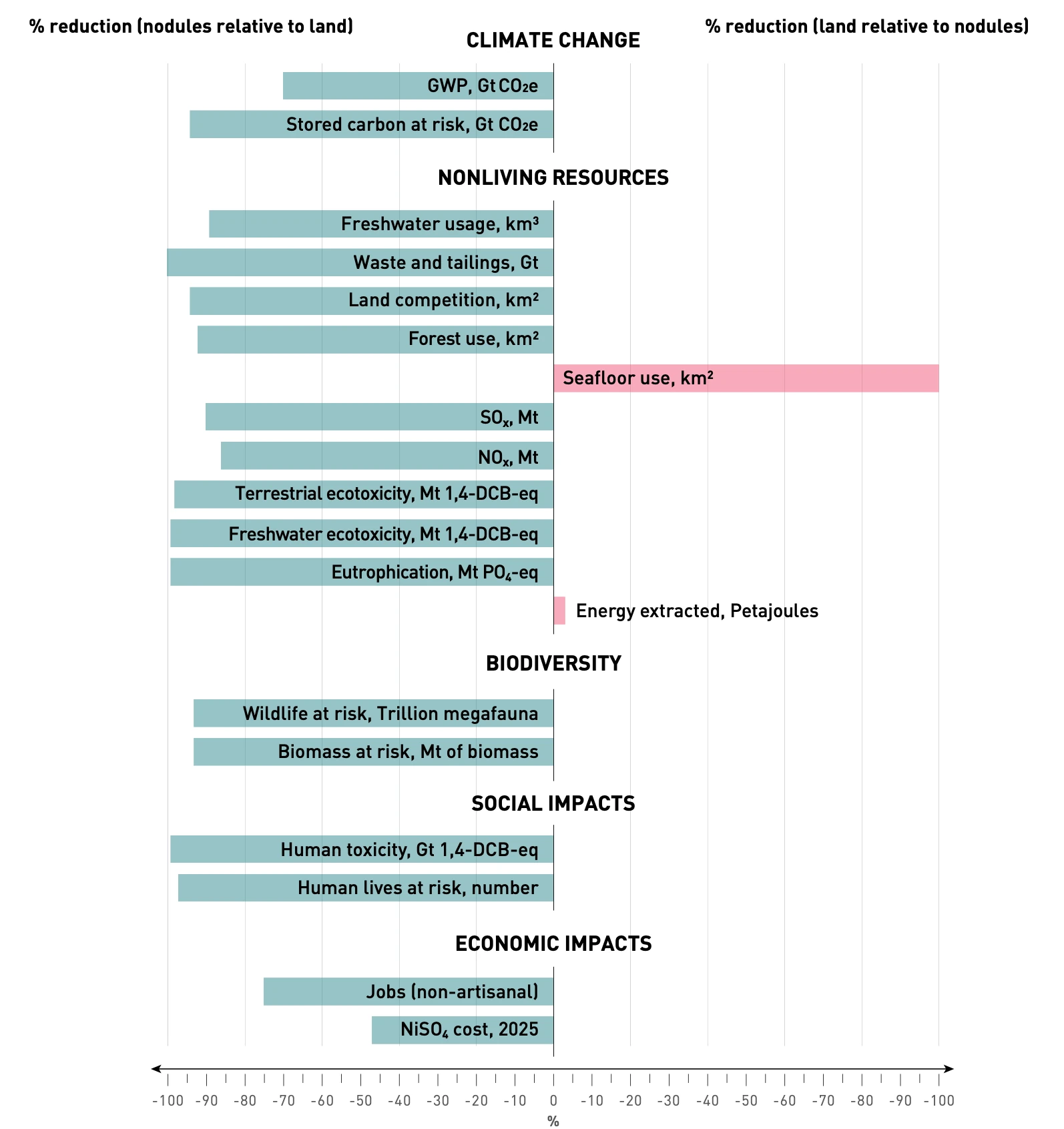
Deep sea vs. land mining:
Deep sea mining update
Posted in deep sea mining, energy policy, Offshore Energy - General, tagged deep sea mining, Lisa Murkowski, NDAA, NORI, Norway, Norwegian Offshore Directorate, polymetallic nodules, TMC on January 16, 2024| Leave a Comment »

- 11/16/2023: Senator Murkowski reintroduces resolution calling for the US Senate to ratify the UN Convention on the Law of the Sea (UNCLOS).
- 11/21/2023: Nauru Ocean Resources Inc. (NORI) shares data from their 2022 test mining on the impacts of seafloor sediment plumes. See the informative video embedded below.
- 12/7/2023: 31 members of congress send letter to Secretary Austin (attached) regarding the importance of deep-sea polymetallic nodules from a national security standpoint.
- 12/28/2023: NORI completes research campaign in the Pacific.
- 1/3/2024: National Defense Authorization Act (NDAA) is signed into law, and includes provisions directing the Department of Defense to submit a report to the House Armed Services Committee assessing the domestic processing of seafloor polymetallic nodules by March 1, 2024. See text pasted below.
- 1/9/2024: The Storting (Norwegian parliament) endorses the Government’s proposal to open parts of the Norwegian continental shelf for exploration for and production of seabed minerals. (Of interest to long-time offshore energy observers, the Norwegian Petroleum Directorate (NPD) changed its name to the Norwegian Offshore Directorate (NOD) effective 1/1/2024. Fortunately, the serpent logo, my favorite offshore agency logo, has been retained!)
- 1/11/2024: The Wall Street Journal reports on growing US political support for deep sea mining.
“the committee directs the Assistant Secretary of Defense for Industrial Base Policy shall, by March 1, 2024, submit a report to the House Armed Services Committee assessing the processing of seabed resources of polymetallic nodules domestically. The report shall include, at a minimum, the following:
NDAA, p. 230
(1) a review of current resources and controlling parties in securing seabed resources of polymetallic nodules;
(2) an assessment of current domestic deep-sea mining and material processing capabilities; and
(3) a roadmap recommending how the United States can have the ability to source and/or process critical minerals in innovative arenas, such as deep-sea mining, to decrease reliance on sources from foreign adversaries and bolster domestic competencies.
 Bud's Offshore Energy (BOE)