Feeds:
Posts
Comments

Posts Tagged ‘Massachusetts’

Both are (or in the case of Iraq will soon be) LNG importers.
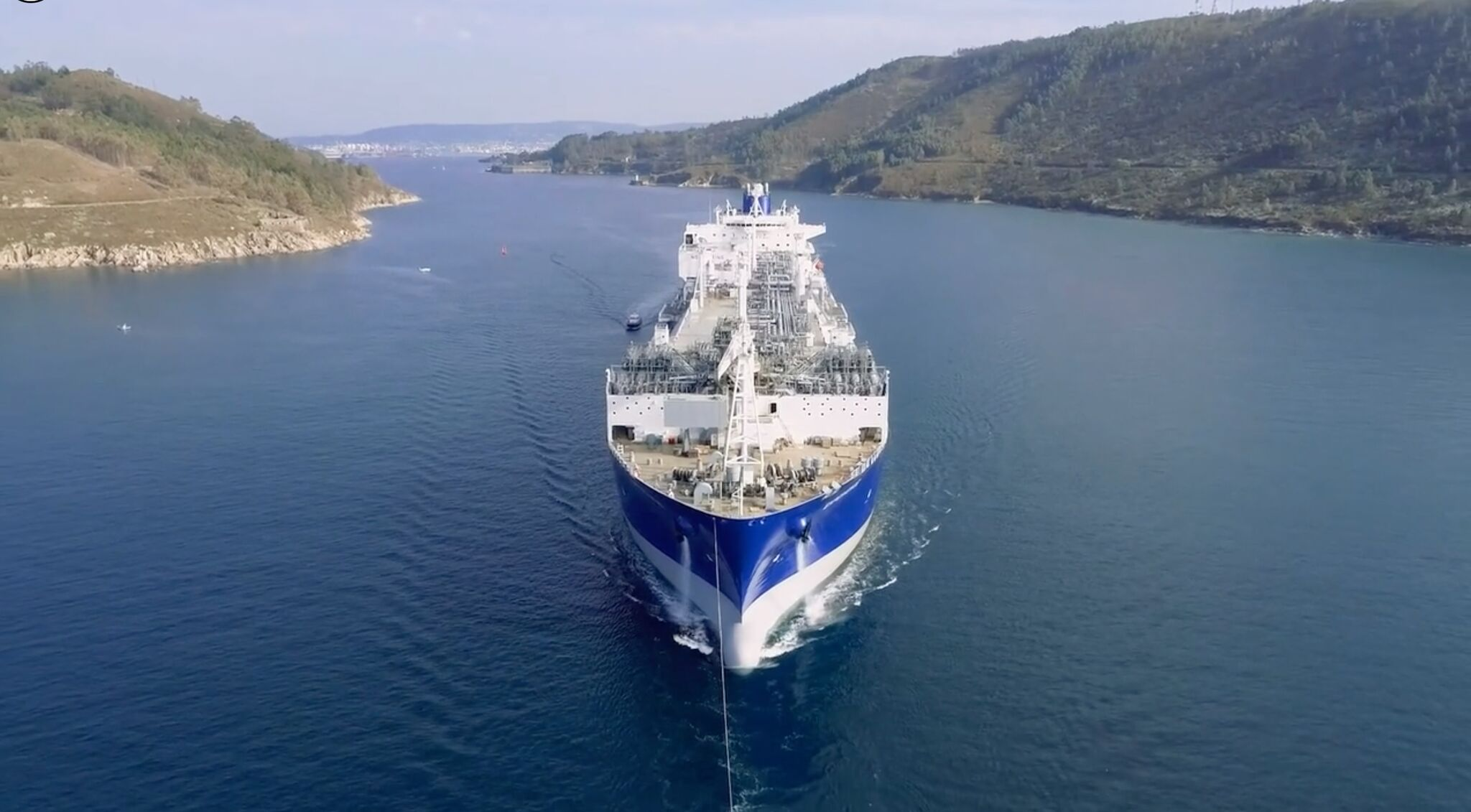
Excellerate Hull 3407, the company’s newest floating storage and regasification unit (FSRU), will be delivered to Iraq in 2026.

Why would a major oil and gas producer like Iraq be dependent on LNG imports?

  • Pipeline infrastructure limitations
  • High flaring rates: Iraq flared 625 bcf in 2023 which is almost equal to their total gas consumption (682 bcf). Iraq plans to eliminate routine flaring by 2028 (delayed from earlier targets).
  • Risks associated with gas imports from Iran.

And the Commonwealth of Massachusetts? Why would a state in the world’s no.1 gas producing country and not far removed from the massive Marcellus Shale reserves be importing LNG?

  • Firstly, Massachusetts is a wonderful place in many ways: beaches, mountains, islands, history, arts and culture, universities, charming villages, commercial fishing, recreational and professional sports, and more. I thoroughly enjoyed living on Cape Cod and was blessed to meet my wife there.
  • Unfortunately, Massachusetts energy policies have been misguided in recent years, in part because of unrealistic expectations regarding renewable energy, most notably offshore wind. Except for California and Hawaii, MA has the nation’s highest residential electric prices (Aug. 2025 data), 74% above the US average.
  • Pipeline restrictions have limited the flow of gas from Pennsylvania (Marcellus) and elsewhere.
  • Massachusetts is the only state with significant LNG imports.
  • Per EIA data, Massachusetts imported 13.2 bcf of LNG in 2023, accounting for about 87% of total U.S. LNG imports that year.
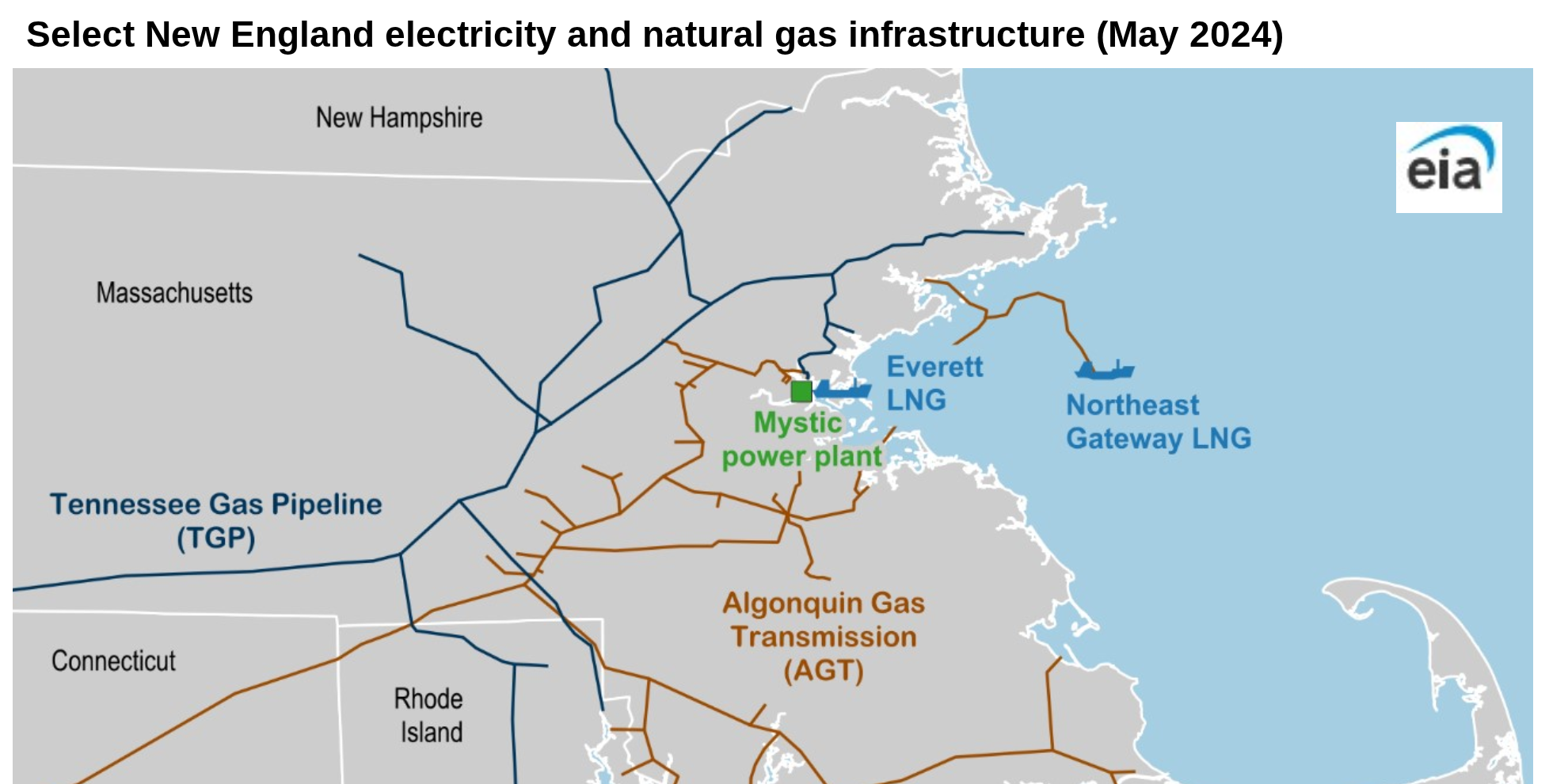
  • Most imports are through the Everett Marine Terminal near Boston. Imports through the offshore Northeast Gateway LNG terminal have been limited in recent years. (See map below).
  • Imports are seasonal, peaking in winter months, with most supply originating from Trinidad.
  • Recently, Governor Healy has made more encouraging statements regarding natural gas policy. She says she never stopped gas pipelines from entering the state and calls natural gas an “essential energy source.”
  • Perhaps the net-zero flip-flop my Bill Gates and other tech leaders is contagious.
Read Full Post »

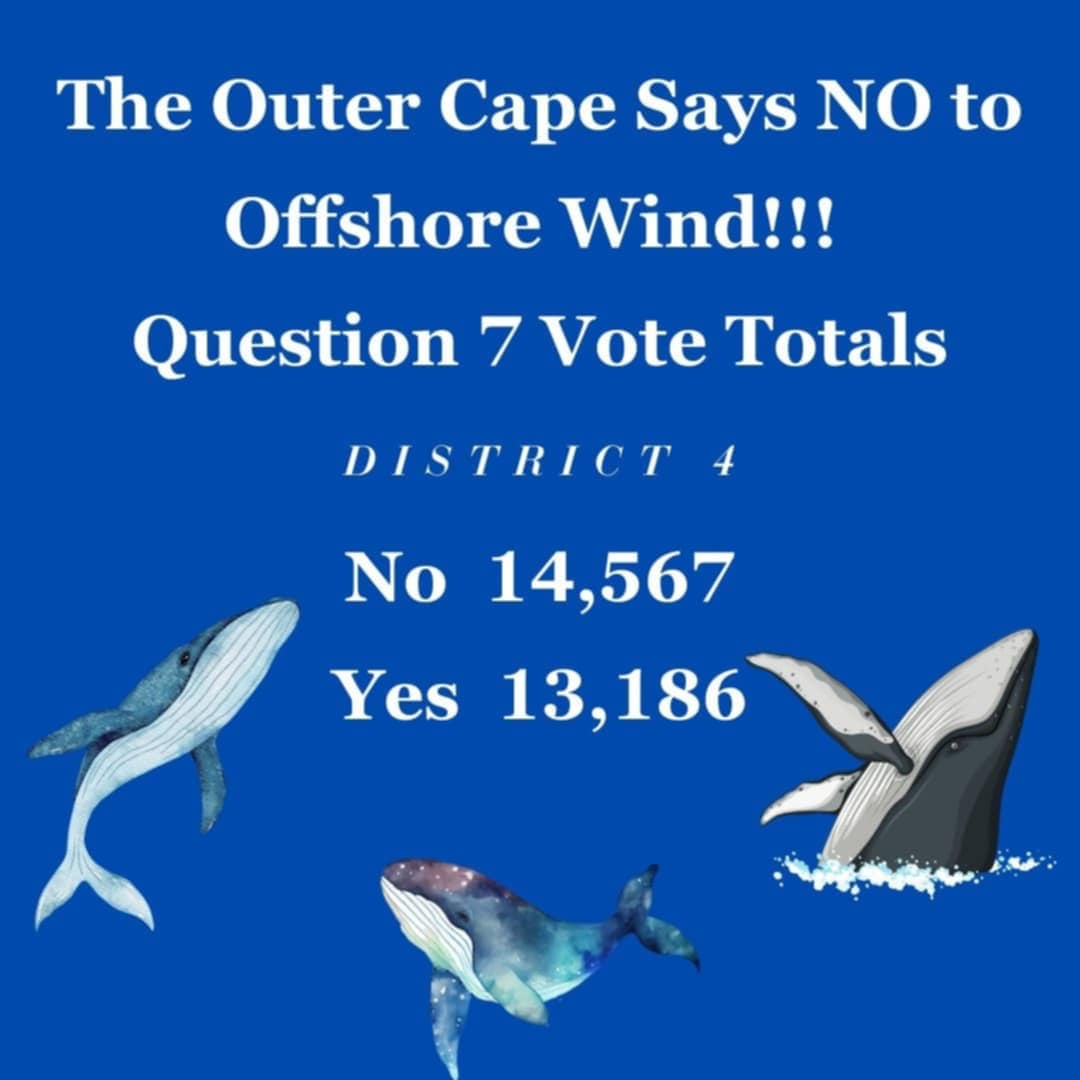
Ballot Question 7: Shall the State Representative from this district be instructed to vote in favor of legislation that would support the development of SouthCoast Wind and Commonwealth Wind and other possible future offshore and onshore wind power developments in Massachusetts?

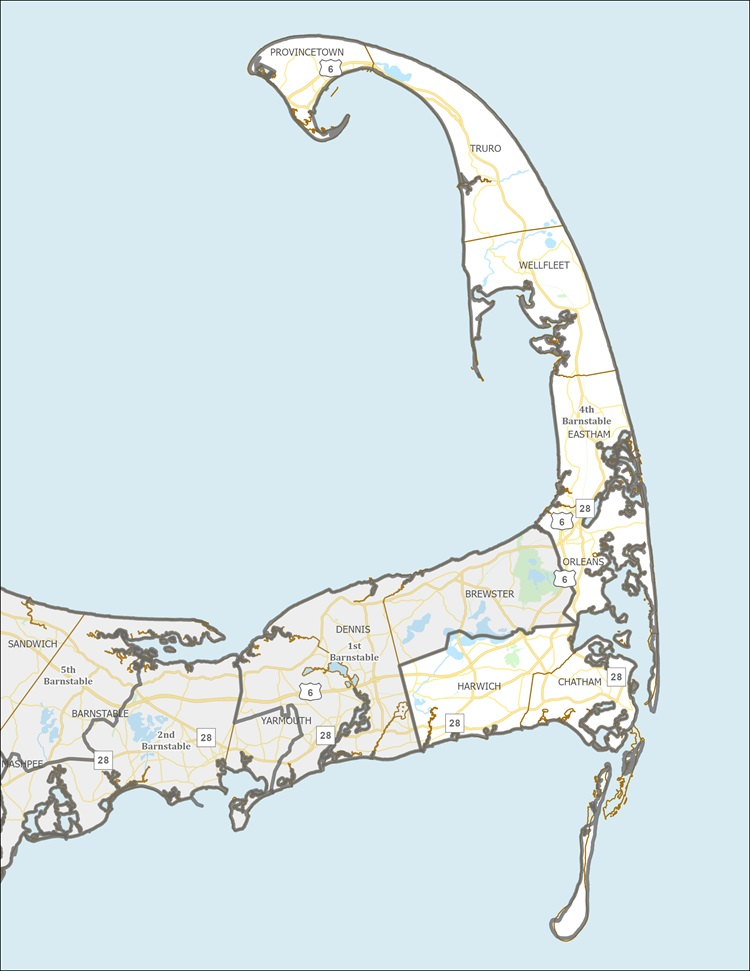
This nonbinding initiative, which was reportedly the work of an individual wind advocate, was a surprise addition to the ballot for residents of the 4th Barnstable District of the Massachusetts House. That district includes the Outer Cape towns of Chatham, Eastham, Harwich, Orleans, Provincetown, Truro, and Wellfleet (see map above).

While nonbinding, the ballot initiative was intended to demonstrate support among Outer Cape residents for offshore wind development. However, perhaps unexpectedly, the initiative failed with 52.4% voting against (graphic below). It’s noteworthy that 82% of South Shore (Massachusetts) voters supported offshore wind development when a similar initiative was on the ballot in 2008. That’s a massive decline in support albeit in a different coastal area of the state.

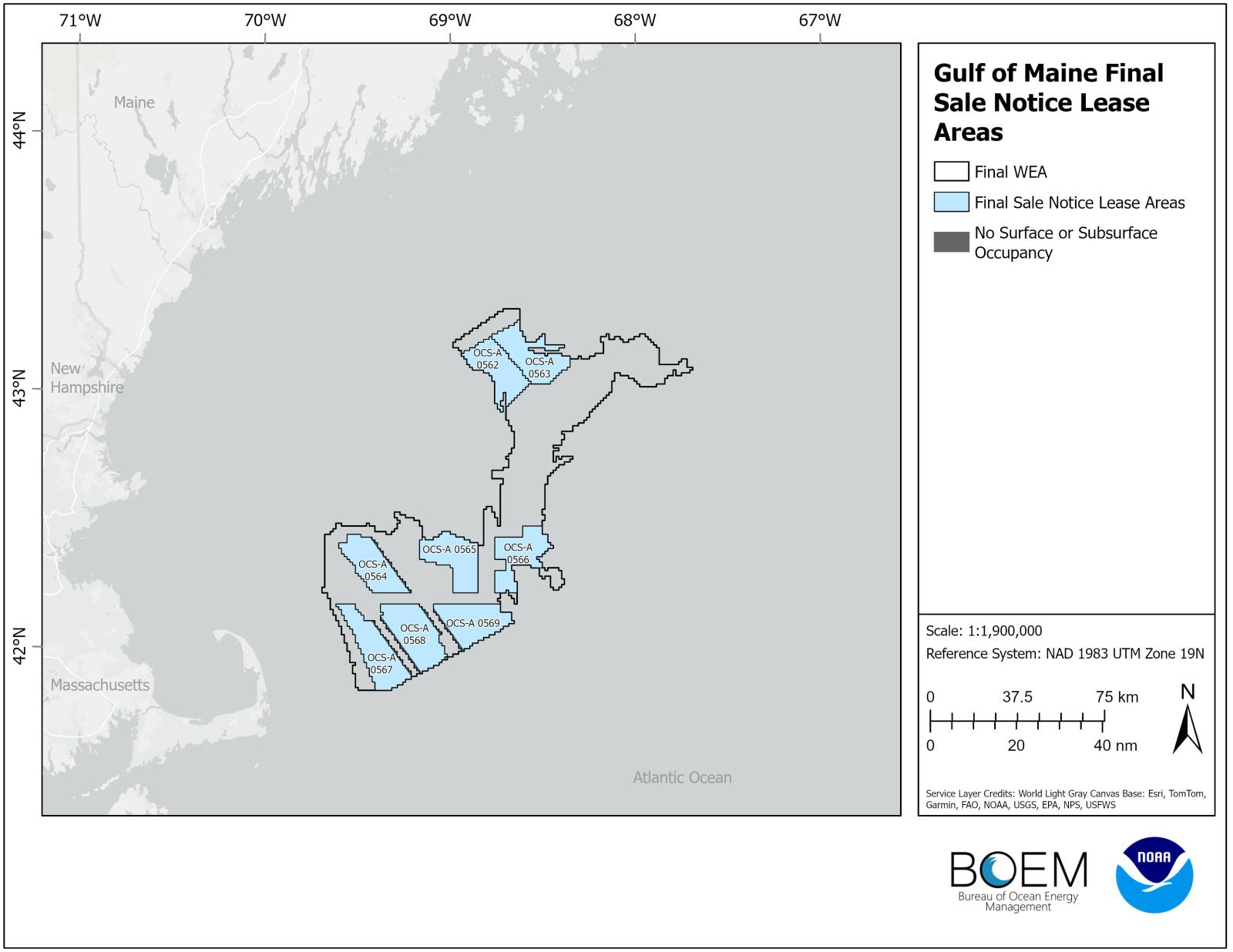
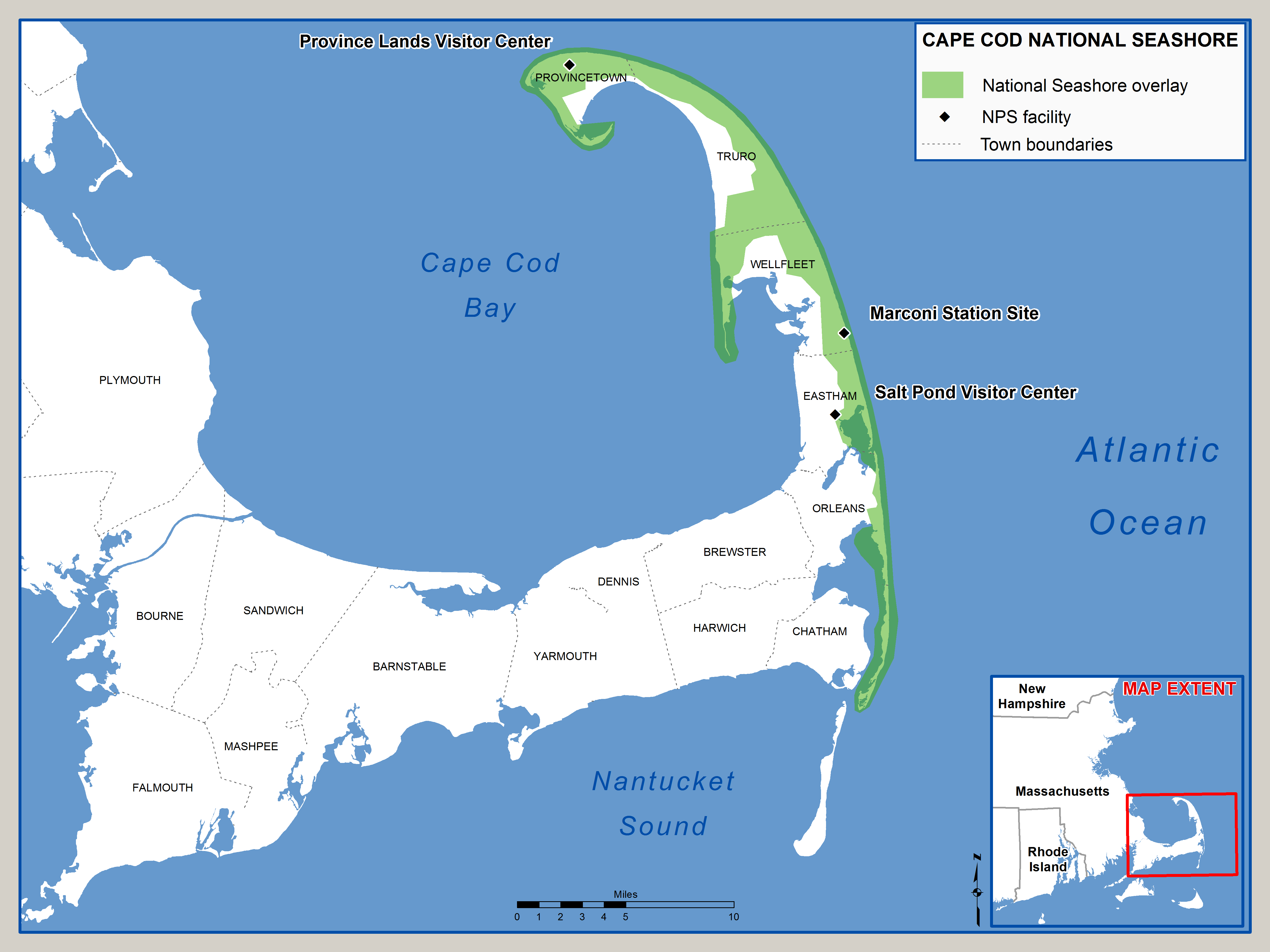
The opinion of Outer Cape residents is important because their towns are the closest to 3 of the 4 leases (0564, 0567, and 0568 in the graphic below) receiving bids at the Gulf of Maine sale. Those leases are directly offshore from the Cape Cod National Seashore.

Interest in the Gulf of Maine sale was weak. All bids were for the minimum allowable amount of only $50/acre.

Read Full Post »

A BOE post from last December commented on the seemingly irrational bidding for Atlantic and Pacific wind leases. More recent posts have reported on the woes of Atlantic leaseholders.

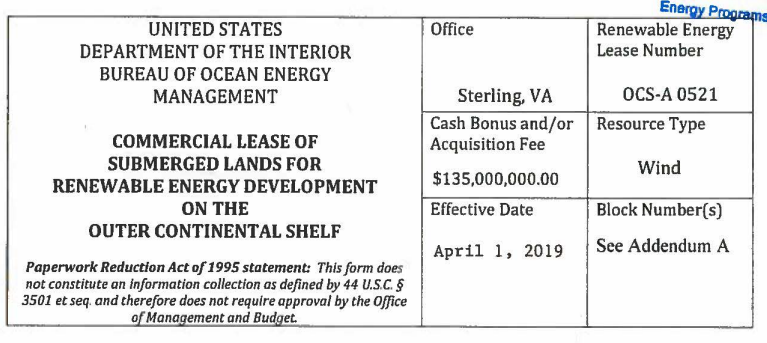
Two Atlantic lessees, Commonwealth Wind and SouthCoast Wind, which paid $135 million for each of their North Atlantic leases, have now agreed to pay $48 million and $60 million respectively to cancel their power purchase agreements with electric utilities. Perhaps the effective date of these leases (see below) reflects on the wisdom of their purchase.🍋

Both Commonwealth Wind and SouthCoast Wind are hoping to rebid their projects in a Massachusetts offshore wind procurement scheduled for next year. 

Commonwealth Magazine

Some northeast states and their public utilities may be in a bit of a bind. Either they accept higher electric rates and the likely public backlash, or they deviate from their staunch anti-gas, anti-nuclear orthodoxy. Similarly, oil companies that have invested heavily in offshore wind may find that they are not just less profitable, but (even) less popular.

Read Full Post »